
Advantages and Disadvantages of Solar Energy: A 2026 Complete Guide
Solar energy is booming across the UK in 2026. More homeowners than ever are looking for ways to beat rising energy costs. But is a solar setup actually right for your specific home? Understanding the balance of benefits and drawbacks is the first step toward energy freedom. This guide breaks down exactly what you need to know about the pros and cons of green energy today. We will look at how modern technology helps you stay powered up, even when the British weather doesn't play along.
What is solar energy and how does it work?
Solar energy is one of the most abundant and cleanest energy sources available on Earth. We can generate electricity or heat by capturing the radiation emitted by the sun. This process produces no carbon emissions, unlike the use of fossil fuels.
Solar energy is any form of power generated by the sun. It is a renewable resource that reaches our planet through electromagnetic radiation. This radiation consists primarily of visible light and infrared heat.
It works through the photovoltaic effect. Sunlight hits solar panels on your roof. Inside the panels, special cells (usually silicon) get excited by the light particles. That creates an electric current—direct current, or DC. Your home runs on alternating current (AC), though. An inverter then converts this into alternating current (AC) for home use.
Main components of a solar power system
Solar panels: Collect sunlight and turn it into electricity.
Inverter: Changes DC power into AC power that can be used.
Mounting system: Keeps panels safely on the roof.
Electrical wiring and meter: sends energy where it needs to go and keeps track of it.
Solar battery (optional): Stores extra energy for use at night or in the evening.
What are the advantages of solar energy?
Solar power brings real perks for UK homes right now in 2026. You generate your own clean electricity straight from your roof. That cuts your dependence on the grid and gives you more control. Here are the main advantages of solar power energy worth knowing about. They make switching to solar a smart choice for many households.
Renewable and unlimited energy source
Solar energy is a resource that will never run out as long as the sun shines. It provides a constant flow of power every single morning to your home. Unlike fossil fuels, we can use it every day without depleting the Earth's natural resources. It is the most reliable and sustainable energy source available for our planet today
You produce your own electricity during daylight hours right at home. That means you buy far less power from the expensive national grid. Most UK households save between £600 and £1,200 every single year on their bills. With smart daytime usage or by adding a battery, those savings can climb even higher for many people. After the typical payback period of 6–10 years, your electricity is basically free for the rest of the system's long life.
Reduced carbon footprint
Solar power runs completely clean with no emissions or pollution at all during operation. A standard home system cuts roughly one tonne of CO2 per year from your household. That's the same as taking thousands of car miles off the road each year. It helps slow down climate change and improves local air quality for everyone around you. Every panel you add makes a real, measurable difference for the planet we all share.
Greater energy independence
You rely much less on big energy companies and their unpredictable price swings. Your own system keeps working even during power cuts or national shortages. With a battery added to the setup, you can power essentials through the night or on dull days. No more sudden bill shocks from wholesale price jumps hitting your wallet. It gives you real peace of mind and true control over your home energy supply.
Low maintenance and long lifespan
Solar panels have almost no moving parts to wear out or need frequent repairs. You only need to clean them occasionally to keep them working at peak efficiency. Most quality panels come with solid 25-year performance warranties from the manufacturer. They often keep producing good amounts of power well beyond 30 years in practice. Once installed, they deliver reliable energy with very little effort or ongoing cost from you.
Increased property value
Houses with solar panels usually sell faster than similar homes without them. Buyers are strongly drawn to the promise of lower future bills and strong green credentials. Surveys show solar can add several thousand pounds to your home's market value in today's market. It's seen as a modern, practical, money-saving upgrade that stands out to potential buyers. When you decide to move, the system keeps paying you back twice as much as resale benefits.
What are the disadvantages of using solar energy?
Though there are numerous benefits of solar energy, it is important to know some disadvantages of solar energy before installing it. Here is the list of solar power disadvantages.
High initial installation cost
Putting up a full solar system requires a significant upfront investment that can feel daunting. A typical 4kW setup for an average UK home usually costs between £6,000 and £11,000 once installed. Even though prices have fallen and you often get payback in 6–10 years, that initial amount can be a real barrier for many families starting out.
Weather and sunlight dependency
Solar panels depend heavily on sunlight to generate decent amounts of power throughout the day. In the UK, our frequent cloudy weather and shorter winter days cause output to drop noticeably at times. On very overcast days, production might fall to just 10–25% of what you get on a clear sunny one, making the supply less consistent than grid power.
Requires adequate roof space
You need a large amount of unshaded roof area to fit enough panels for your needs. A typical 4kW system requires about 20 to 28 square metres of space to be effective. If your roof is small, oddly shaped, or covered by shade from trees, you might not be able to generate enough power. This can limit the performance and size of the entire energy setup.
Not suitable for all properties
Rented properties usually can't have solar panels fitted. You must get clear permission from the landlord first. Flats and listed buildings often face major restrictions. Homes in conservation areas may also have outright bans on installation. If your property fails legal or practical requirements, solar isn't a realistic option. If your property doesn't meet the basic practical or legal requirements, solar simply isn't a realistic option, no matter how much you want it.
Enhancing solar benefits with EcoFlow solar battery solutions
Solar's one big downside is the intermittency—no sun means no power at night or on really cloudy days. But that's easy to fix with the right battery storage. EcoFlow Home Battery Solution turns that weakness into real strength: reliable 24/7 clean power you can count on. You store extra daytime solar energy and use it whenever you need it, slashing waste and boosting your savings even more.
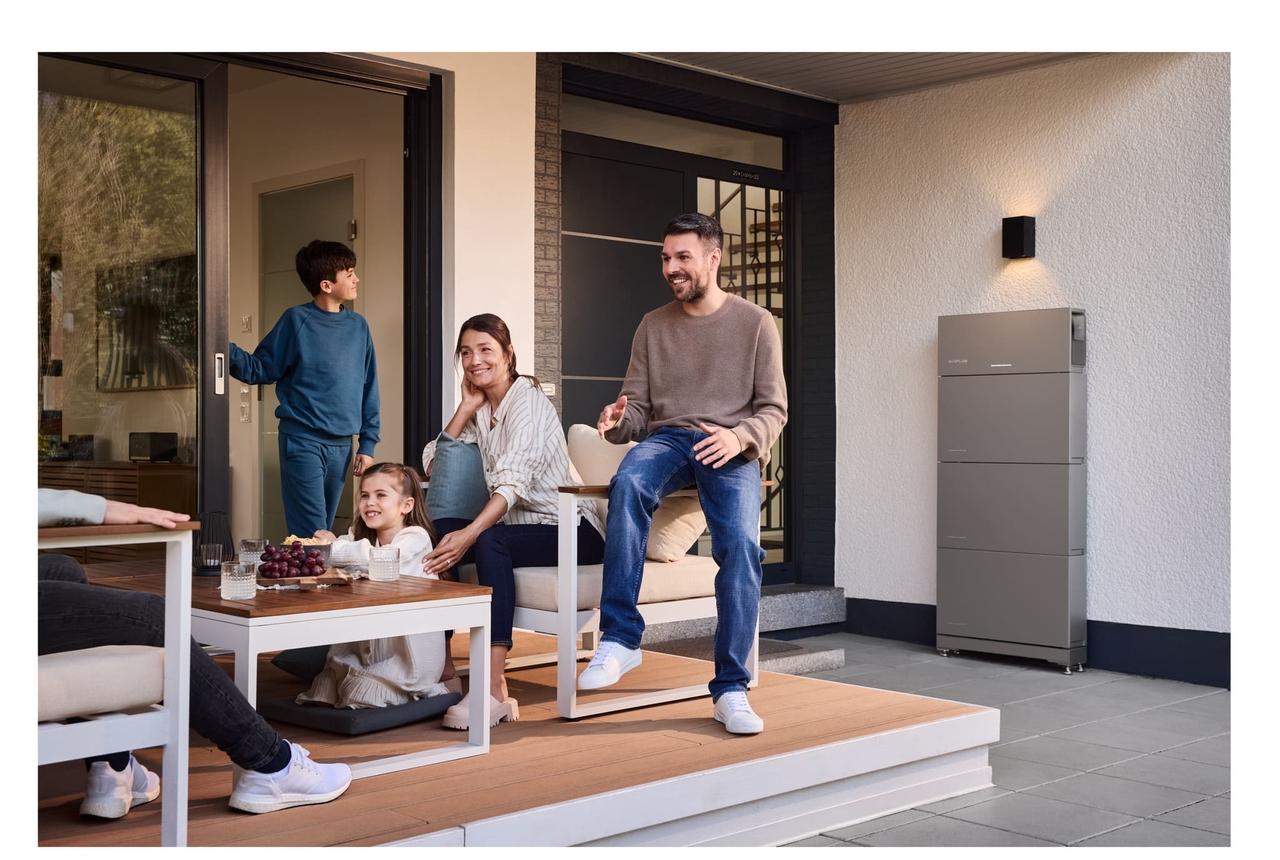
EcoFlow PowerOcean: Maximum savings for your home
These all-in-one systems pair perfectly with solar panels for UK homes. They use safe LFP battery tech, offer a long life, and provide solid backup during outages. Here are three key options to consider:
Product | Key Specs | Ideal for |
|---|---|---|
5kWh start, expandable up to 15kWh on one inverter; >6,000 cycles; 6kW continuous backup | Powers lights, Wi-Fi, fridge, kitchen appliances, dishwasher, etc. | |
Expandable up to 45kWh; 10–12kW rated (12kW surge 60s); 15-year warranty | Powers heat pumps, washing machine, and more large appliances | |
29.9kW AC output; 40kW solar input (4 PV strings); expandable up to 180kWh; dynamic tariff optimisation | Powers whole property: multiple heat pumps, large workshops, rapid EV charging, etc. |
To get the most out of your EcoFlow Home Battery, the AI-powered EcoFlow HEMS acts as the smart brain for your home. It automatically charges your battery when prices are low and discharges when they are high, ensuring every watt of clean energy is used or stored without waste. Why settle for solar power only during the day when you can have it 24/7?
Get a solar battery quote today. Contact EcoFlow experts to build a custom system for true energy independence.
What kind of product or solution are you interested in?
The future of solar power in 2026 and beyond
Understanding the long-term solar energy pros and cons helps homeowners see where the technology is heading. In the UK, solar is becoming more efficient, affordable, and easier to manage. There are several trends that are going to shape the future of home energy.
Higher efficiency solar panels
New tandem solar cells are entering the market in 2026. These panels combine silicon with a material called perovskite. This allows them to catch more sunlight and boost efficiency to over 25%. You can now get much more power from a smaller roof space.
Growth of home battery storage
Batteries are no longer an optional luxury. Most new UK solar installations now include a storage system. This allows you to use your own power day and night. Larger capacities mean you can even run your home during several days of bad weather.
Smart energy management systems
Homes are becoming much smarter about how they use power. AI-driven systems now talk to your appliances and the grid. They automatically charge your battery when energy is cheap. This ensures no solar watt is ever wasted.
Falling installation costs
The cost of going solar has dropped by nearly 90% over the last decade. In 2026, improved manufacturing and faster install times keep prices low. Most UK homeowners now see a full return on investment in just 6 to 7 years.
Expansion of smart and Net-zero homes
The UK is moving toward a standard of "Net-zero" living for new builds. These homes generate as much energy as they consume. Solar panels and heat pumps are becoming the default features of a modern British home. This transition is making clean energy accessible to everyone.
Conclusion
Solar power offers strong long-term value for UK households. It lowers electricity bills, reduces carbon emissions, and improves energy independence. At the same time, you must understand the benefits and limitations of solar energy before investing. Upfront costs and weather dependence can affect performance. Property suitability also plays a role in your total savings. Adding battery storage, like EcoFlow, helps overcome many of these challenges. It allows you to use more of your own power. You will rely much less on the National Grid. Technology is improving, and costs are falling. Energy systems are also getting smarter. Solar remains a practical and future-ready choice. It offers cleaner and more controlled energy for your home.
FAQs
1. Is solar power worth it in the UK?
Yes, in 2026, solar is worth it for most UK homes. Bills stay high, around £1,700–£1,800 a year under the price cap. A typical system saves £600–£1,200 yearly, with payback in 6–10 years. Add a battery like EcoFlow PowerOcean, and savings jump higher.
2. Do solar panels work on cloudy days?
Yes. Panels react to light, not just direct heat. On cloudy days, they use "diffuse light" to keep generating power. While output drops to 10–25% of their peak, the UK’s long summer days help ensure you still produce plenty of clean energy.
3. What is the typical lifespan of a solar system?
Solar panels usually last 25–30 years while maintaining strong performance. Inverters may need replacement after 10–15 years, and batteries after 10–15 years. Most systems include warranties and require minimal maintenance over their lifetime.
4. How much can solar panels save on my electricity bills?
A typical UK home saves about £765 a year with a standard 4kW system. If you add a battery, these savings can jump to over £1,000. You also earn extra money through the Smart Export Guarantee by selling unused power back to the grid.
5. Why is my electricity bill so high when I have solar panels in the UK?
High bills often come from using lots of power at night or on cloudy days when solar isn’t producing. Without a battery, you export daytime power cheaply but buy expensive grid electricity later. Standing charges, poor self-consumption, or high winter usage add up. Using a battery, such as EcoFlow Home Battery, stores your "free" daytime energy, so you can use it at night instead.

