
Solar Photovoltaic Panel Sizes: A Comprehensive Guide (2026)
Solar photovoltaic panels, or PV panels, turn sunlight straight into clean electricity for your home. They use special cells that capture light and make power you can use right away or store. In the UK, more people install them every year to cut bills and fight rising energy costs—even on cloudy days, they produce solid results.
This guide walks you through the standard UK sizes for 2026. It helps you choose the best ones for your needs. You will also learn to get the most from your system using EcoFlow batteries.
What are solar photovoltaic panels?
Solar photovoltaic (PV) panels are renewable energy systems that turn sunlight into electricity. They use semiconductor cells to generate power without producing emissions.
PV panels contain many connected solar cells, usually made from silicon. When sunlight falls on the solar cells, it energizes the electrons, which generate direct current (DC) electricity. A solar inverter is employed to convert DC electricity to AC electricity that can be used in the house.
Common types include:
Type | Efficiency | Size & Space | Key Advantages | Best For |
|---|---|---|---|---|
Monocrystalline | High (19–23%) | Compact, needs less roof area | Higher output, longer lifespan, better in low light | UK homes with limited roof space |
Polycrystalline | Medium (15–18%) | Slightly larger for same power | Lower cost, reliable performance | Budget residential or larger roofs |
Thin-film | Low (10–13%) | Flexible, lightweight, larger area needed | Works on curved or lightweight surfaces | Commercial roofs, sheds, or special installations |
In the UK, solar panels operate efficiently even on cloudy days. They are a popular way to reduce electricity bills. You can also combine them with battery storage to reach maximum efficiency. These systems play a significant role in green energy transition. They help both homes and businesses move toward sustainable power.
Standard solar panel sizes and dimensions in the UK
Before you buy, you need to know if the panels will actually fit on your roof. Most manufacturers stick to standard photovoltaic panel dimensions to make installation easier for UK contractors. Understanding the sizes will enable you to plan the roof space and answer another common question: What size solar panel do I need?
Residential panels
For most UK homes, solar panel dimensions are roughly 1.65m x 1m. Each panel covers between 1.6 and 2 square metres of your roof. They usually weigh between 18kg and 21kg. This is light enough for most roofs but heavy enough to stay secure during windy British winters.
Commercial panels
Business properties often use a larger photovoltaic panel size. These are usually 2m x 1m and are heavier, weighing up to 30kg. They produce more power per panel. However, they are often too big and bulky for a typical house.
Variations by cell count
You might see panels described by their cell count. A 60-cell panel is the common size of solar panels for homes. A 72-cell panel is taller and better for large, flat spaces. Choosing the right count helps you fit more power into your specific solar panel measurements.
UK-specific notes
In the UK, you must follow local building regulations. For example, your solar panel dimensions in UK must not extend beyond the edges of your roof. Most small projects do not need planning permission. However, you should always check the rules if you live in a conservation area.
How to choose the right solar panel size?
Analyze your energy usage
The first thing you need to do is look at your yearly electricity bill to see how many kWh you used. Most homes in the UK use between 2,700 and 3,500 kWh of energy each year. If you use a lot of electricity during the day, you might want a larger PV panel size to cover your appliances.
Evaluate available roof space
Your roof is the ultimate decider for how many panels you can fit. A typical 4kW system needs about 20 square metres of clear space. Remember to account for "no-go" areas like chimneys, vents, or shaded spots under trees.
Choose panel wattage
Modern panels in 2026 usually range from 400W to 450W each. If you have a small roof, high-wattage panels are the best size of solar panels to choose from. They make more power in a smaller area, which means you can use every square inch of space to the fullest.
Consider your budget
Larger photovoltaic panels make more power, but they also cost more upfront. But a bigger system usually pays for itself faster because it replaces grid energy that costs more. Finding a balance between the initial cost and your long-term savings is very important.
Plan for future energy needs
Think about what your life might look like in three to five years. Are you planning to buy an electric vehicle (EV) or install a heat pump? If you think you'll need more electricity in the future, it's usually cheaper to put in a slightly bigger PV panel size now.
How to calculate the number of solar panels you need?
Step 1: Find your annual electricity usage
Check your most recent energy bill to see how many kilowatt-hours (kWh) you use each year. The average UK home uses about 2,900 kWh of electricity each year. This number tells you how much solar energy you need to make.
Step 2: Calculate the total system size
A 1 kW system in the UK usually makes about 850 kWh of electricity each year. To figure out how much you need to pay for your full bill, divide your yearly use by 850. A home that uses 2,900 kWh needs a system that uses between 3.5 and 4 kW.
Step 3: Check the power of each panel
Look at how many watts the panels you want to buy use. Most modern residential panels produce between 450W and 450W. Higher wattage panels mean you need fewer total units on your roof.
Step 4: Calculate the number of panels
Take the total size of your system (in Watts) and divide it by the power of one panel. If you want a 4,000W (4kW) system and use 400W panels, you need 10 panels. Always round up to make sure there is enough generation capacity.
Step 5: Check roof space requirements
To find out how many panels you need, multiply the number of panels by 1.7 square meters, which is the standard solar panel size. You will need at least 17 square meters of clear roof space for 10 panels. For the best results, make sure there are no shadows in this area.
Maximize your savings with Home Battery storage
Solar panels are a brilliant starting point. But without a means to harness power, you often send it back to the grid for pennies. Adding solar panels to home battery storage is a game-changer. Storing the excess power produced during the day allows you to light up your house at night. This also works on cloudy days, which significantly reduces your grid reliance. This is about more than being green. It is about taking total control of your energy costs. The EcoFlow Home Battery Solution is designed to bridge this gap. It makes sure that every last watt of sunlight is used.
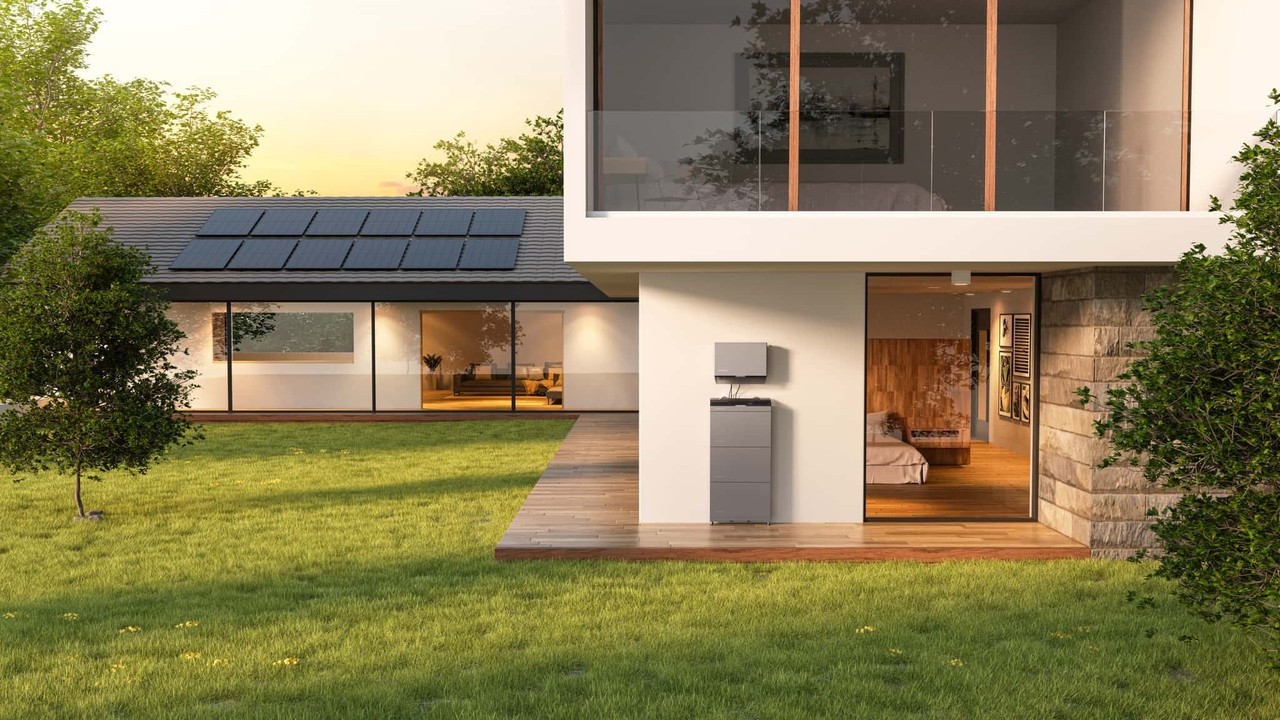
EcoFlow PowerOcean is a flexible home battery system built for modern UK households. It stores excess solar energy and delivers reliable power whenever you need it.
Key benefits:
Scalable storage capacity to match different solar system sizes.
Use solar power at night or during peak tariff hours.Reduce reliance on the grid and lower electricity bills.
Backup power during outages for essential home appliances.
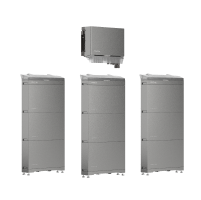
Here are three popular PowerOcean options:
Product | Introduction | Key Specs | What It Can Power |
|---|---|---|---|
Ideal for standard UK homes with single-phase electricity supply. | 5kWh base pack, expandable to 15kWh on one inverter, LFP technology, 6000+ cycles, up to 6kW output/backup | Lights, fridge,freezer, TV, WiFi, phones, and more small appliances | |
Built for larger homes or properties with higher energy demand. | Expandable to 45kWh, LFP cells, up to 12kW three-phase backup, 15-year warranty, IP65 rated | Supports bigger loads like heat pumps or multiple appliances overnight or in blackouts | |
High-power three-phase option for complex roofs or high-energy homes/light commercial use. | Expandable to 180kWh, up to 40kW solar input, 29.9kW AC output/backup, 800V ultra-high voltage, 20ms switchover | Whole home including oven, EV charger, heat pumps, immersion heaters, multiple heavy appliances |
To get the most out of your EcoFlow Home Battery, you need a smart brain to manage it. The EcoFlow HEMS does exactly that by tracking your solar production and home use in real-time, making smart choices to store or use power when it is cheapest. By watching the weather and electricity prices for you, this system can help UK households save up to 77.6% on electricity bills. It ensures your investment pays off as quickly as possible
Ready to maximize your savings? Get a solar battery quote today and let our experts build the perfect solution for your home.
What kind of product or solution are you interested in?
Conclusion
Choosing the right solar photovoltaic panel sizes is the first step toward a greener home. Be sure to check your roof space. You should also think about things you might need in the future, like EV chargers. The right size solar panels make sure your system looks great and works well. If you pair panels with a smart storage system, you can save free energy for later. This keeps you from paying too much for electricity. It also keeps your power on when the lights go out. Future-proof your home with EcoFlow's battery and energy management solutions. These systems help you take control and maximise your savings.
FAQs
1. What is the 20% rule for solar panels?
The 20% rule means installing about 20% more solar capacity than your current usage. This covers losses from weather, shading, system ageing, and seasonal changes. It helps ensure your system meets energy needs year-round.
2. Does the weight of the panels affect my roof?
Yes, each solar panel usually weighs between 18 and 21 kg. A full system makes the roof carry more weight. Installers check the roof structure before installation to ensure it can safely support the panels and mounting system.
3. Can I mix different solar panel sizes in one system?
It is possible, but not a good idea. Different panel sizes or power ratings can make the system less efficient. Panels work best when they are the same size, wattage, and electrical properties. To get the best performance, it is recommended that you use the same PV size dimensions for the entire array.
4. Does panel size affect efficiency or output?
Panel size mainly affects total power output, not efficiency. Efficiency depends on cell technology and quality. Larger panels produce more power because they have more cells, not because they are more efficient
5. How many PV panels for 4kW?
This depends on the standard solar photovoltaic panel size and wattage. If you use 400W panels, you will need 10. If you use 350W panels, you will need 12. Most UK homes choose 10 high-power panels to save space while still reaching that 4kW target.

