
How Do Heat Pumps Work? A Practical Guide for Homeowners
As the UK progresses towards a low-carbon future, more homeowners are seeking sustainable alternatives to gas boilers. Heat pumps offer a practical solution – replacing high-carbon combustion with efficient electrification systems that draw heat from the surrounding environment and transfer it indoors.
To help you prepare for this transition, this guide explains how heat pumps work: how they capture ambient thermal energy using minimal electricity, and how intelligent control systems further enhance their performance.
The Core Idea Behind Heat Pumps
To understand why heat pumps are becoming the go-to choice for modern British homes, you need to know that they work in a fundamentally different way to traditional combustion heating. This is why the heat pump vs gas boiler comparison is so important for homeowners to understand.
1. Moving Heat Rather Than Creating It
Traditional boilers generate heat by burning gas or passing an electric current through heating elements. Heat pumps operate on an entirely different principle—they do not directly produce heat, but instead transfer it from the outdoor air or ground into the indoor environment. This approach is not only more efficient, but also requires far less energy to transfer heat than generating it from scratch.
2. Using Ambient Air as a Renewable Heat Source
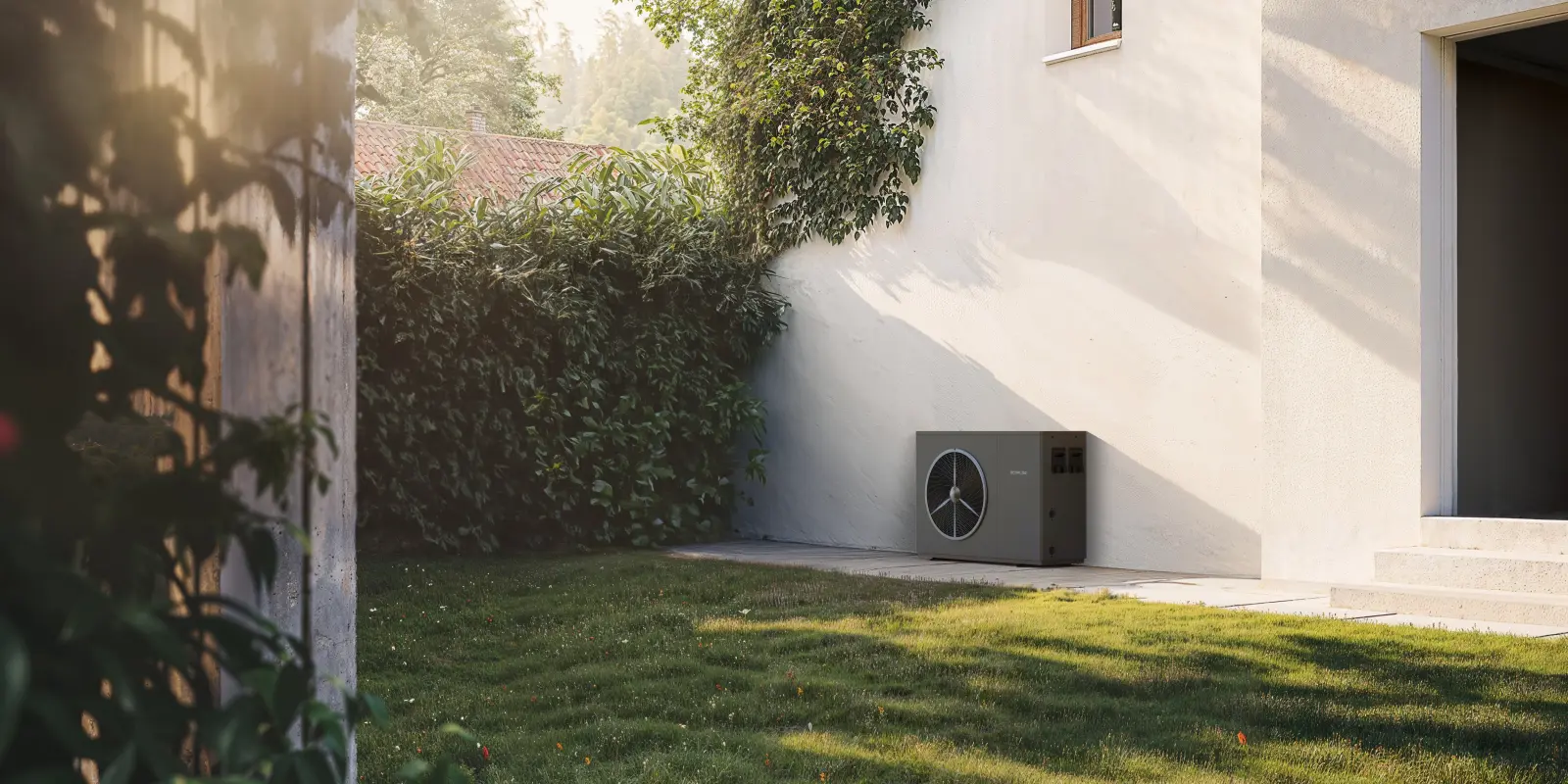
Air-source heat pumps work like a refrigerator in reverse. Rather than generating heat directly, they extract thermal energy from the outdoor air, even on cold winter days and use compression to raise its temperature high enough to warm your home.
3. Why Electricity Can Produce Multiple Units of Heat
Since heat pumps simply move heat rather than burning fuel to create it, electricity is only needed to run the compressor and pumps. It’s essentially a leverage system: for every single unit of electricity you put in, you get 3 to 4 units of heat out. This is known as the Coefficient of Performance (COP), and it’s why heat pumps are drastically more efficient than any traditional heater.
4. Difference Between Heat Pumps and Traditional Boilers
Moving away from a boiler means changing your heating habits. Boilers run intermittently at high temperatures, delivering quick bursts of heat to warm cold rooms. Heat pumps work differently. They maintain lower flow temperatures (35°C–45°C) continuously. It's not about quick blasts of heat; it's about keeping the fabric of your home consistently warm, eliminating cold spots.
How a Heat Pump Works Step by Step
The journey from outdoor air to indoor warmth involves a sophisticated refrigeration cycle. Whilst the internal mechanics are complex, the process can be understood by following the flow of energy through four key stages.
1. Heat Absorption from Outdoor Air
The process starts outside. Liquid refrigerant circulates through the evaporator coils. Since this fluid boils well below zero, it vaporises the moment it hits the outdoor air. Even on a frosty winter day, there’s enough thermal energy out there for the gas to absorb.
2. Temperature Rise Through Compression
Inside the compressor, the refrigerant gets pushed into a whole new state. That low-pressure gas is squeezed tight, and as the molecules pack together, the temperature jumps up fast. Most of the heat comes from this friction, not just electricity, so it’s really efficient. What started as a bit of ambient warmth from the air ends up as high-temperature heat ready to warm your home.
3. Heat Transfer into the Home Heating System
Hot and under pressure, the refrigerant reaches the indoor condenser. This is where the transfer happens. As it flows through the coils, the gas releases its thermal energy directly into your home's heating water. This energy can also be used to heat your hot water heater tank. This hot water is sent to your radiators to keep the rooms warm, while the refrigerant—now cooled—turns back into a liquid state.
4. Pressure Release and Cycle Continuation
Before the process can repeat, the refrigerant needs to be cooled down. It flows through an expansion valve, which acts as a 'throttle' to reduce pressure. This makes the temperature drop sharply, ensuring the fluid is colder than the outside air. Ready to go again, it returns to the start, maintaining a steady flow of warmth into your property day and night.
.webp)
What Determines Heat Pump Efficiency in Real Homes
A heat pump’s efficiency (COP) isn't a fixed number on a spec sheet. In the real world, it depends on how well the machine gets on with your house. To get the best performance, it's worth understanding how to maximize air-to-water heat pump efficiency through the following four factors:
1. Outdoor Temperature and Climate Conditions
Basic physics: the harder the pump has to work to bridge the gap between the outside air and your indoor target, the more electricity it uses. The good news? The UK's typical winter range of 2°C to 7°C actually suits modern units well. Even in freezing conditions, they cope well, occasionally performing a quick defrost cycle to keep the outdoor coils clear of ice.
2. Heat Distribution Systems and Water Temperature
The key principle for heat pumps is simple. The cooler you can run the water in your pipes (ideally around 35°C–40°C), the higher your efficiency. To make this work, you need plenty of surface area—meaning underfloor heating or larger radiators. These allow the system to heat the room gently without needing scorching hot water like a gas boiler.
3. System Capacity and Load Matching
Size matters, but bigger isn't better. If a unit is oversized, it will suffer from short-cycling—turning on and off rapidly. This ruins efficiency and wears out parts. If it’s undersized, it won't keep up when severe cold weather arrives. A correctly sized unit will run steadily and unobtrusively, matching the heat loss of your home exactly.
4. Control Strategy and Operating Patterns
Heat pumps work best when left to run steadily, without constant adjustments. Most modern systems use weather compensation, where the unit automatically adjusts its water temperature based on how cold it is outside. This stops the system from working harder than it needs to and prevents the energy spikes caused by constantly turning the thermostat up and down.
Practical Ways to Improve Heat Pump Efficiency
To maximise the benefits of this technology, homeowners should consider the system as a whole rather than just the hardware, focusing on smart settings and integration.
1. Lowering Flow Temperature in the Heating System
Maximising efficiency means setting the system to the lowest flow temperature that still keeps your home comfortable. By reducing this to between 35°C and 45°C, the heat pump operates under less strain. This approach ensures the system extracts the maximum amount of heat for every kilowatt of electricity used, directly lowering monthly running costs without compromising indoor comfort.
2. Improving Heat Distribution Across Different Zones
Targeted heating is more efficient than heating everywhere at once. In most British homes, you don't need the bedrooms heated at midnight, nor do you need the lounge heated overnight. Older systems waste energy by sending heat to every room regardless of actual use.
Modern heat pump setups solve this through smart zoning and low-temperature operation. Systems like EcoFlow PowerHeat apply this approach by directing thermal energy only where and when it’s actually needed. This reduces waste and ensures you pay to heat occupied spaces rather than empty rooms.
3. Storing Solar Electricity for Heating Demand
Heat pump owners face a timing issue. You typically need your heating most in the evening—the exact moment your solar panels stop producing power for the day. Without a battery to bridge this gap, you are left with no choice but to buy expensive, carbon-heavy electricity from the grid during peak hours, effectively letting the free green energy generated at lunchtime go to waste.
Battery storage helps solve this timing mismatch by saving surplus solar energy during the day for evening heating. Systems like the EcoFlow PowerOcean (Single-phase) store that power so heat pumps can run later without falling back on peak-rate grid electricity. Whether using stored solar or topping up with cheaper off-peak power overnight, this setup helps smooth out energy costs while keeping heating bills and carbon impact lower.
4. Using Smarter Control Strategies Instead of Manual Settings
Manual control undermines efficiency. Relying on guesswork to set your heating curves often leads to waste. Smart controls remove this error by constantly monitoring indoor and outdoor conditions. They fine-tune the system in real-time, preventing the energy-sapping 'stop-start' cycles that occur when a system is poorly managed. By automating the process, you aren't just improving comfort; you are ensuring the heat pump runs at its absolute peak performance, hour after hour.
Common Misunderstandings About Heat Pumps
It is easy to get bogged down in conflicting advice. Here is the reality behind the four most common myths confusing British homeowners today.
1. Heat Pumps Still Work in Cold Weather
Heat pumps don't fail when winter hits. Physics tells us there is thermal energy in the air right down to absolute zero (-273°C). Modern units use advanced refrigerants designed to harvest this energy even in sub-zero British winters. As long as the system is sized correctly, it will keep your home warm without issue, occasional defrost cycles included.
2. Higher Electricity Use Doesn’t Mean Lower Efficiency
Switching from gas to a heat pump means your electricity usage will go up—but your gas bill is eliminated. It is a shift in where you spend, not necessarily a hike in what you spend. The key metric isn't just the electricity consumed, but the total running cost. Because heat pumps are so efficient, higher electric usage often costs less than the gas you used to burn. Homeowners can further offset these electricity costs by using home battery storage to power their heat pump using cheaper, stored energy.
3. Efficiency Depends on the Whole System
Don't take the efficiency rating on the brochure as gospel. That figure comes from a controlled lab test. In the real world, performance relies heavily on your home’s fabric—how well insulated it is and how big your radiators are. A top-tier heat pump in a drafty house with tiny radiators will struggle. Get the setup right, however, and those high efficiency numbers become a reality.
4. Heat Output Is Not the Same as Power Input
It is vital not to confuse the electricity you pay for (input) with the heat you get (output). This explains the technology's efficiency: because it moves heat rather than creating it from scratch, it acts as a multiplier. For every 1 unit of electricity you feed in, you typically get 3 or 4 units of heat out. No boiler can match that maths.
Schedule Your Free Consultation Today!
What kind of product or solution are you interested in?


Conclusion
Understanding how do heat pumps work demonstrates just how well this technology suits the UK's climate—efficient, reliable, and ready for our low-carbon future. With smart integration through systems like PowerHeat and PowerOcean, your home can stay warm year-round whilst saving energy and reducing your environmental impact.
FAQ
1. Which is better heat pump or AC?
While both systems can heat and cool, heat pumps are built to handle the UK climate. They extract heat from the outside air even when it’s freezing, making them reliable for use all year round. For British homes that need constant warmth in winter, a heat pump is simply a more practical choice than standard air conditioning.
2. What is the lifespan of a heat pump?
Expect a lifespan of 15 to 20 years from a well-maintained unit. Because heat pumps operate without high-temperature combustion, the internal components suffer far less wear and tear than a gas boiler. However, reliability depends on care. To ensure the system lasts, keep the outdoor unit clear of garden debris and book a professional service check every year.
3. Do heat pumps run radiators?
Yes, but you typically need to upgrade them. Because heat pumps operate at lower flow temperatures (35–45°C), the system requires increased surface area to release enough warmth. In practice, this often means installing larger or 'double-panel' radiators. This ensures you get the heat output you need without forcing the system to work harder, keeping efficiency high.
4. What is the 20 degree rule for heat pumps?
This rule highlights the link between temperature difference and efficiency. The system performs most economically when the gap between outside and inside temperatures is kept narrow (roughly 20°C). While modern units work fine in severe cold, a wider gap requires more energy. Good insulation is the critical factor here, as it traps the heat and keeps the pump operating within this efficient 'sweet spot'.
5. How long does it take for a heat pump to pay for itself?
The typical 'break-even point' falls between 5 and 10 years. This depends on your insulation and energy tariffs. Crucially, the government's Boiler Upgrade Scheme can knock £7,500 off the upfront price. Although the initial cost is higher than a boiler, the combination of the grant and lower monthly bills makes it the smarter financial choice in the long run.

