
Sun Tax Australia: What It Means for Your Bills in 2026
As solar energy becomes more popular in New South Wales, it's important to know what the "Sun Tax" is so you can save money in 2026. This plan, which is officially called Two-Way Pricing, charges a small fee to export power during peak times to help keep the grid stable. It sounds confusing, but most households will only see a minimal impact on their annual bills. We will discuss the advantages and disadvantages of these changes and provide you with practical tips on how to minimize the costs. We'll also talk about federal rebates and smart technology to make sure you're still getting the most out of your solar investment.
What is the Sun Tax?
The "Sun Tax" is not a typical government tax. Its official name is Two-Way Pricing or Solar Export Charges. It refers charges or taxes on the electricity that your solar panels send back to the grid. The charge usually applies during peak solar hours, typically between 10 am and 3 pm. Networks may set daily free export limits. Charges apply only when exports exceed those limits. The policy was approved by the Australian Energy Market Commission (AEMC). In NSW, it is managed by local distributors. These include Ausgrid, Endeavour Energy, and Essential Energy. The goal? To encourage solar users to use more of their own energy when the grid doesn’t need it and export during times when it does.
Why is the Sun Tax being introduced?
Australia has the highest rooftop solar uptake in the world. While this is great for the planet, our old power grid wasn't built for it. The Sun Tax helps fix this.
Grid stability
High rooftop solar exports flood the grid midday. This creates oversupply. It risks voltage spikes, forces power cuts (curtailment), and pushes up costs for new infrastructure.
Fairer cost sharing
It nudges people to use their own solar power instead of exporting heaps. This shifts some generation to evenings. Networks can fund upgrades without slapping big rate hikes on every household.
Supports renewables transition
It lines up with Australia's push for more renewables. Think batteries and dispatchable storage. It stops the grid from hitting limits that block new solar installations.
Not punitive
Most families will only see a tiny change—about $10 to $20 a year. Plus, you can actually earn money by exporting power in the evening when the grid needs it most.
Pros and cons of Solar Tax
Pros
Faster Battery ROI: You avoid export fees by storing power in your home battery. Selling this power during evening peaks helps your system pay for itself faster.
Better Network Balance: The tax rewards you for exporting energy when the grid actually needs it, preventing overloads at noon.
Lower Costs for All: It reduces the need for expensive new infrastructure, which helps keep electricity rates stable for every household.
Cons
Complexity: Homeowners now need to monitor when they use power, not just how much.
Perception of unfairness: Some solar owners feel they are being penalised. This concern comes from the idea of paying to export clean energy.
How the Sun Tax affects your wallet
The cost: For a typical 5kW rooftop solar system in New South Wales, the "Sun Tax" is estimated to cost between $6 and $14 per year. That’s far lower than the label suggests. While the term "tax" sounds significant, the actual financial impact on most households is relatively minor.
The opportunity: There's also a potential upside. If you have a home battery, you can avoid the 1.2c/kWh export charge at midday and instead store that energy to earn around 2.3c/kWh in the 6:00 pm peak period. In other words, shifting your solar exports from low-value to high-value periods can turn a small charge into a modest reward.
2026 Federal Rebates: To support households through this transition, the federal tax rebate for solar batteries under the Cheaper Home Batteries Program (active since July 2025) offers about $311 per usable kWh of battery capacity.
For example:
A 10kWh battery could qualify for over $3,000 off the upfront cost.
This significantly reduces the payback period and makes battery storage a more attractive option for many solar households.
Smart energy tips: Maximize savings with EcoFlow Home Battery
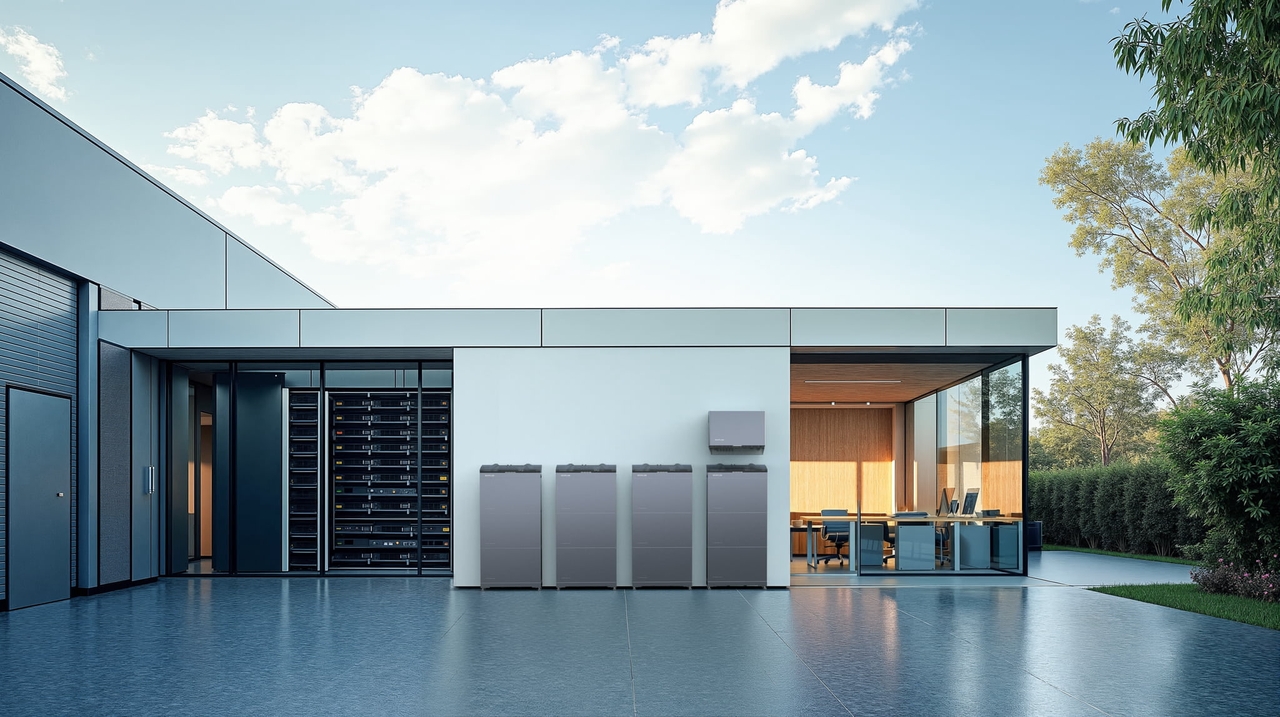
The best way to reduce the Sun Tax impact is to use more of your own solar power. A home battery helps you store energy instead of sending it to the grid. The EcoFlow Home Battery Solution is designed for smart solar households. It reduces grid reliance and improves long-term energy savings. EcoFlow PowerOcean Battery systems are CEC approved and eligible for federal rebates.
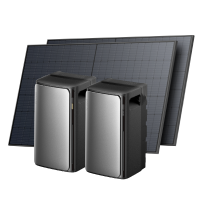
EcoFlow PowerOcean Single-Phase Solar Battery
Ideal for standard Australian homes seeking reliable solar storage and backup.
Key Specs | What It Can Power |
|---|---|
| Essential loads such as lighting, fridge, internet, TV, and small appliances. |

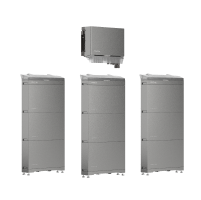
EcoFlow PowerOcean Solar Battery (Three-Phase)
Designed for larger homes with higher power demand or three-phase supply.
Key Specs | What It Can Power |
|---|---|
| Air conditioning systems, kitchen appliances, and multiple high-power devices. |

EcoFlow PowerOcean Plus Solar Battery (Three-Phase)
Designed for heavy demands and complicated roofs. Achieve complete independence with dynamic tariffs.
Key Specs | What It Can Power |
|---|---|
| Whole-home backup including heavy loads, large air conditioning units, and extended outage support. |
Get a solar battery quote and explore your options today. Start your journey towards smarter energy and greater independence.
What kind of product or solution are you interested in?

EcoFlow Intelligent HEMS: Smarter control for lower energy costs
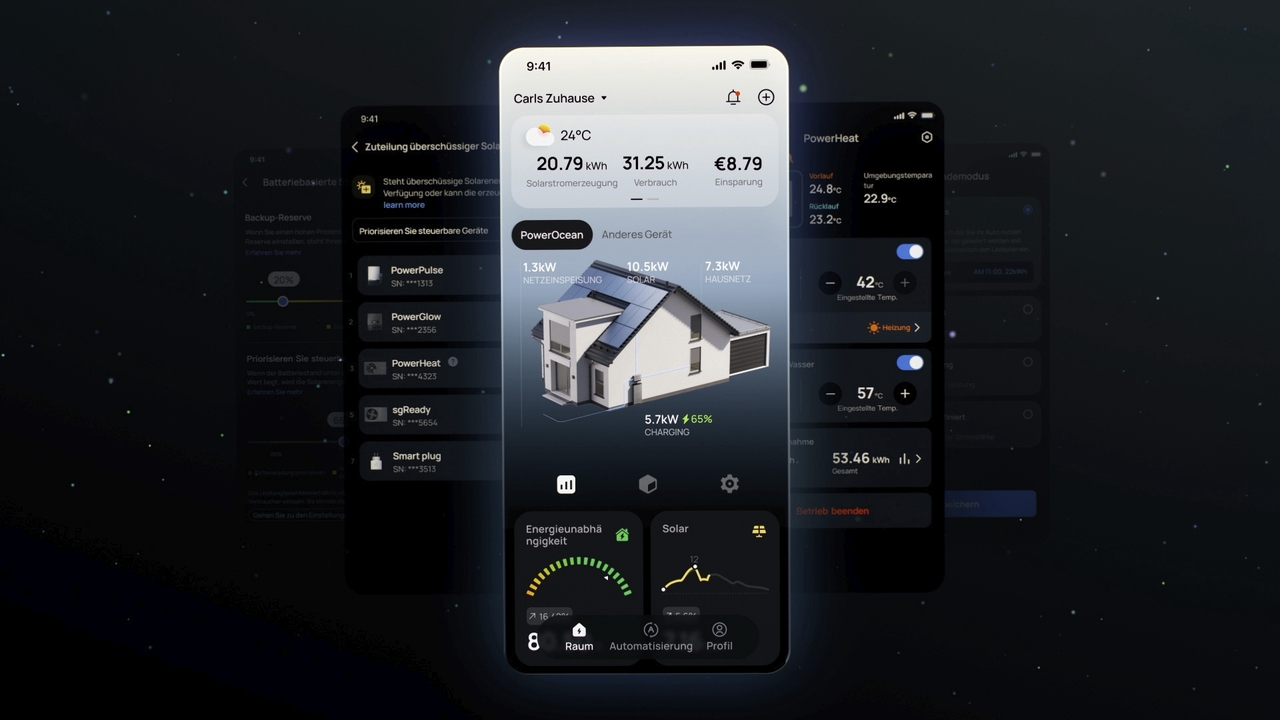
To truly beat the Sun Tax, you need a system that thinks for itself. We highly recommend using the EcoFlow Intelligent HEMS (Home Energy Management System). This all-in-one smart manager helps you achieve energy independence while significantly cutting costs.
Intelligent SmartEarning: This mode is a game-changer for your wallet. When electricity prices are low, it charges your battery automatically. When rates are high, it uses stored energy. This makes it easy for you to avoid high peak tariffs.
Massive bill savings: By using the HEMS Intelligent Mode with a solar battery system, you can save up to 77.6% on your electricity bills.
High forecast accuracy: The system employs sophisticated algorithms with 90% accuracy for solar power forecasts and home energy consumption. This ensures that every single decision to charge or discharge your battery is data-driven.
Proactive emergency backup: The system can automatically charge your battery 100% if it sees severe weather 24 hours in advance. This makes sure you have power even if the grid goes down.
All-in-one control: Control everything from one place using the EcoFlow App. You can monitor your solar power, home energy consumption, and environmental impact through customizable widgets on your smartphone or tablet.
How can I reduce the impact of the Sun Tax?
You don't have to just accept higher bills. There are several simple ways to keep your solar savings high and avoid those midday export fees.
Use energy wisely: Shift your heavy lifting to the middle of the day. Run your washing machine, dishwasher, and pool pump between 10:00 am and 3:00 pm. By using the power as you make it, you avoid exporting it and paying the fee.
Consider battery storage: Consider battery storage A battery is the smartest long-term fix. Store your midday solar power instead of sending it to the grid. Use it in the evening when you need it most, or export during reward periods. The EcoFlow Home Battery Solution is a top pick—reliable, CEC approved, and eligible for the federal Cheaper Home Batteries rebate. It pairs perfectly with solar to maximise self-use and savings in 2026.
Upgrade to smart inverters: Modern smart inverters can be programmed to manage how much power you send back. They work with the grid to ensure you are exporting only when it is most beneficial for you.
Use energy monitoring tools: Knowledge is power. Use tools like the EcoFlow App to see your energy flow in real-time. When you see exactly how much you are producing and consuming, you can make better choices about when to flick the switch.
Conclusion
Solar owners in NSW can still achieve strong savings in 2026. The Sun Tax impact is small for most households. Federal battery rebates and the STC scheme help reduce upfront costs. These incentives make modern solar and battery systems more affordable. However, rebate levels and energy rules may change over time. Planning early helps you secure the best financial benefits. Adding battery storage and smart control will maximise long-term savings. The EcoFlow Home Battery Solution is built to make the whole process simple and reliable for your home. By using modular storage and Intelligent HEMS, you can easily keep more of the solar power you generate. This means you send less energy back to the grid, your monthly bills drop, and you finally get to enjoy true energy independence.
FAQs
1. Is the Sun Tax a government tax or a service fee?
The Sun Tax is not a traditional government tax. It is a network service fee called two-way pricing. Electricity distributors apply it when solar homes export excess power to the grid, usually between 10 am and 3 pm.
2. Who implemented the Sun Tax?
The policy was approved by the Australian Energy Market Commission (AEMC). Local electricity distributors manage the charges in NSW. These include Ausgrid, Endeavour Energy, and Essential Energy.
3. Is the Sun Tax NSW mandatory for all solar owners in 2026, or can I opt out?
By 2026, most NSW solar owners will be moved to these plans automatically. While some retailers offered a choice early on, it is becoming the standard for everyone. Check with your energy provider to see exactly when your specific plan will switch over to the new export fee structure.
4. How to avoid the Sun Tax in Australia?
The smartest way to avoid the fee is to stop exporting at midday. You can do this by using a battery like the EcoFlow PowerOcean to store your solar for later. By keeping your energy at home, you avoid the export charge and save your free power for when the sun goes down
5. Can I avoid export charges by using more power during the day?
Yes—absolutely. Run appliances (dishwashers, washing machine, hot water, EV charging) during peak solar hours (10 am–3 pm). Self-consuming solar energy reduces exports below the free threshold, so you pay little or no Sun Tax.

