
Cheaper Home Batteries Program Expansion: What’s New in 2026
If you've been thinking about installing a home battery but keep saying “maybe next year,” well, 2026 might be that year. The Australian government has expanded the Cheaper Home Batteries Program. For many households, the numbers are starting to look a lot more convincing. With electricity prices still creeping up and feed-in tariffs shrinking faster than a puddle in January, storing your own solar power is starting to make serious financial sense.
This guide walks you through what’s new in the 2026 home battery rebate, who qualifies, how much you could save, how to apply without tripping over paperwork - and how to choose a system that actually works in real Australian conditions.
Understanding the Cheaper Home Batteries Program in 2026
Australia’s energy system is going through a bit of a glow-up. As demand grows, solar batteries are becoming a key part of Australia’s renewable energy strategy, helping homes store clean power more efficiently. The 2026 expansion is designed to encourage households to store excess solar during the day and use it at night. Here’s what has changed - and why it matters for your place.
1. What the Program Covers and Who Qualifies
In most cases, the rebate applies to residential homeowners and some small businesses who already have a solar PV system or are installing one. The battery system needs to meet safety and compliance standards. Some income thresholds may apply to support middle-to-low-income Aussie families.
2. Changes and Expansions for 2026
The 2026 update has expanded eligibility in several ways. More regional postcodes are now covered, and higher rebate tiers are available for Virtual Power Plant (VPP)-ready systems. There’s also a stronger emphasis on high-efficiency lithium-ion batteries that can better handle the Australian heat.
Here’s a general snapshot of 2026 rebates and VPP bonuses by state:
| State | Typical Rebate (10kWh) | VPP Bonus | Notes |
|---|---|---|---|
| QLD | $3,000 | $500 | Popular for VPP-ready systems |
| NSW | $2,500 | $750 | Includes regional postcode bonus |
| VIC | $3,200 | $600 | Limited to certain income brackets |
| SA | $2,800 | $500 | Rebates combined with solar feed-in incentives |
These rebates significantly reduce upfront installation costs while supporting grid stability through VPP participation.
3. How the 2026 Battery Rebates Actually Work
Most states now use a point-of-sale discount, meaning the rebate is deducted directly from your invoice. For example:
If a 10kWh battery in Queensland costs $8,500 installed;
The $3,000 rebate drops your upfront cost to around $5,500;
If you join a VPP, you may see an additional effective benefit of $500-$1,000, depending on your provider.
No long reimbursement wait. No post-installation headaches. You see the savings straight away.
How to Apply for the Cheaper Home Batteries Program
Applying doesn't have to be a headache. If you follow the right steps, you'll be sorted faster than a snag at a Sunday barbie.
1. Step-by-Step Application Process
To secure your 2026 Cheaper Home Batteries Program savings, you’ll need to follow the process carefully. The government has streamlined things, but missing a document can still land you at the back of the queue.
Step 1: Confirm Your Eligibility
First, confirm your property has a registered NMI (National Meter Identifier), and your planned battery is between 5kWh and 100kWh. If you’re aiming for higher-tier incentives, it must be VPP-ready, so your home can support the grid during peak demand if needed.
Step 2: Get Quotes from Accredited Pros
Your installer must be accredited by Solar Accreditation Australia (SAA), and your battery must appear on the Clean Energy Council (CEC) Approved Products List. Secure at least two quotes to be sure. This isn’t the time to cut corners - rebate approval depends on compliance.
Step 3: Submit Portal Application
Once you’ve chosen your installer, it’s time to submit documentation, including your quote, electricity bill, and proof of home ownership (this can be a rates notice). The critical rule is to wait for formal eligibility approval before installation begins. The 2026 program does not allow retrospective claims.
Step 4: Install & Claim
After approval, installation proceeds. The installer completes compliance documentation, captures required site photos under the updated 2026 safety standards (geotagged and time-stamped), and issues a Certificate of Electrical Safety (CES). The rebate is then applied directly to your invoice as an upfront discount. The installer will handle the back-end paperwork.
2. Required Documents and Verification
You’ll need:
Your latest rates notice (to prove homeownership)
A recent electricity bill
Proof of income (such as a Notice of Assessment, where required)
Make sure the names on all documents match exactly to avoid delays or rejection.
Choosing the Right Battery for the 2026 Program
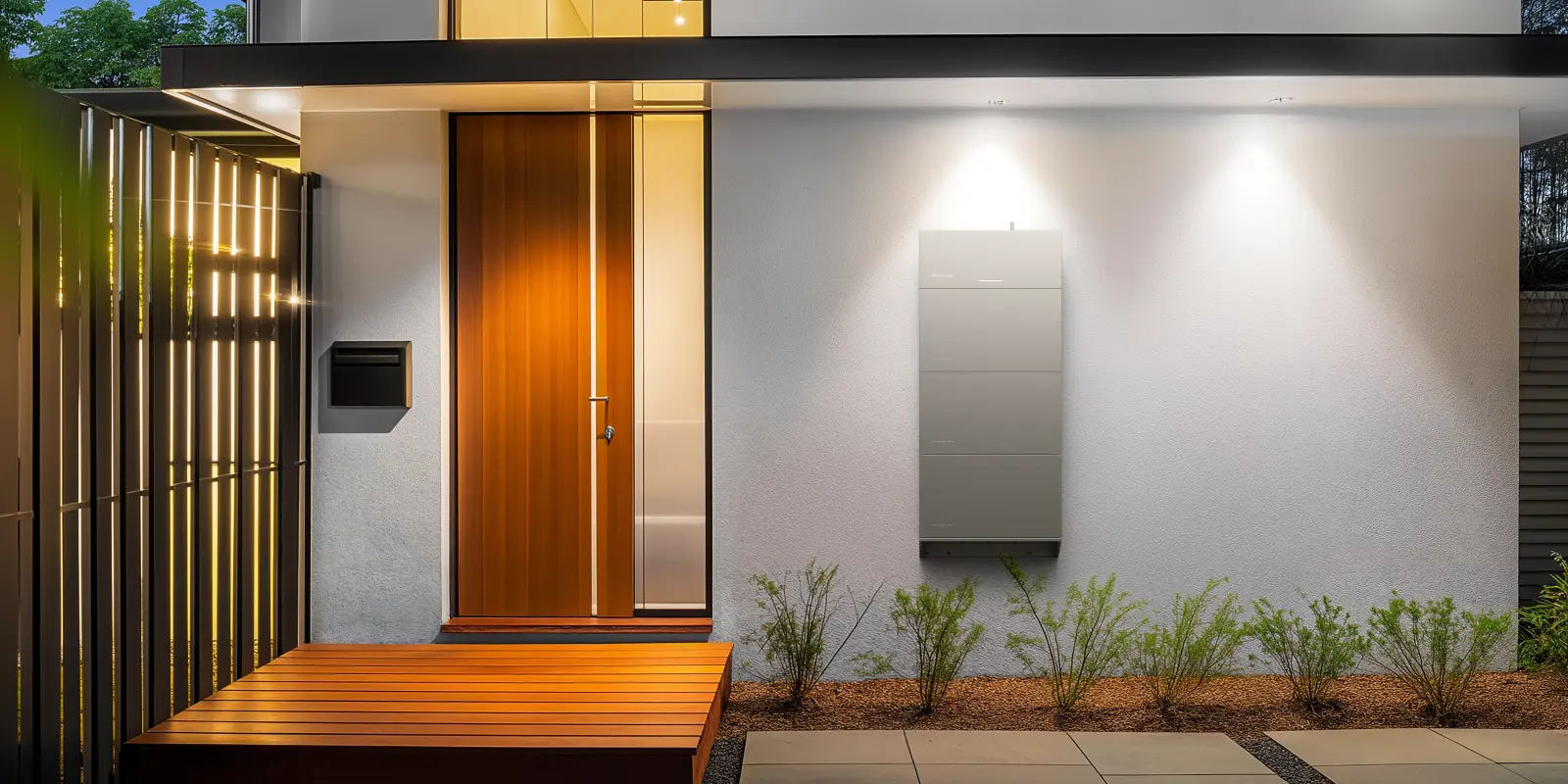
Not all batteries are created equal, and picking the wrong one could mean missing out on thousands in subsidies - or stretching your payback period unnecessarily. Choosing the right model also plays a key role in building a connected Home Energy Ecosystem, where all components work together efficiently. Here’s how to choose smartly:
1. Matching Battery Capacity for Maximum 2026 Rebate
While it might be tempting to install a massive battery, the 2026 Cheaper Home Batteries Program generally caps rebates around 10kWh. Adding extra capacity beyond that limit won’t increase your rebate and could simply raise upfront costs without delivering proportionate savings.
To maximise return on investment, choose a battery size that aligns with your solar generation and your household’s evening energy use.
2. Choosing an Eligible Battery Type and Technology
To qualify, your battery must appear on the Approved Products List. This year, there’s a strong focus on safety and longevity. Lithium Iron Phosphate (LFP) chemistry is widely favoured due to its thermal stability and long cycle life, particularly important in Australia’s hot climate.
3. Ensuring Solar Compatibility for Program Benefits
Your battery needs to “talk” to your solar inverter efficiently. Hybrid systems are often considered the gold standard, as they allow DC power from your panels to be stored with minimal loss. That efficiency can be important for meeting higher-tier 2026 rebate requirements.
How to Maximise Savings with Your Home Battery
Installing a battery is only part of the equation. Using it strategically is where the real savings happen.
1. Optimise Charging and Discharging Times
To squeeze every cent out of the 2026 Cheaper Home Batteries Program, you need to understand your home’s rhythm. Track when you use the most power. If that’s around 6pm, you can schedule your battery to discharge then instead of paying peak rates.
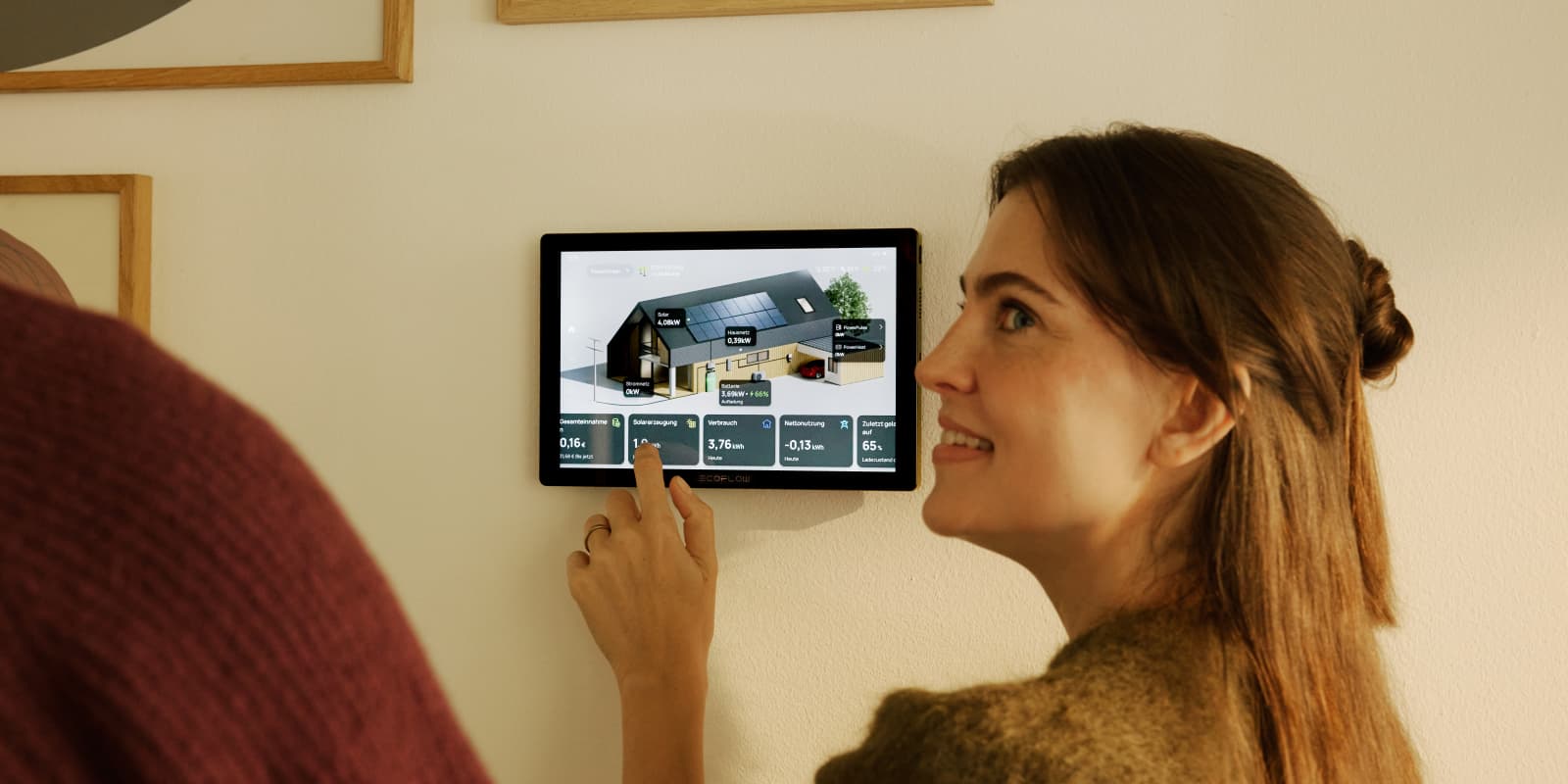
Monitoring tools like the EcoFlow PowerInsight 2 make this optimisation simple. It provides a real-time dashboard of your home’s energy flow, showing exactly when you’re generating, storing and consuming power. Instead of guessing when to discharge, you can schedule your battery to kick in during peak pricing, maximising savings while staying aligned with VPP efficiency requirements.
For example, if your household uses 18kWh per day and peak electricity costs 45c per kWh, using stored solar during peak periods could save around $8 per day - nearly $2,900 per year.
Compare that to exporting 15kWh at 8c/kWh, which would return only $1.20 per day. Storing and using that same energy yourself could save $4.50–$6.75 daily, or $1,650–$2,470 annually. This comparison clearly shows that self-consumption is where the real value lies.
2. Combine Battery Use with Renewable Sources
Combining solar with a smart battery doesn’t just help the planet. It’s often essential for accessing the best 2026 rebates.
Systems like the EcoFlow PowerOcean (Single-Phase) align well with the expanded program requirements, especially for households seeking VPP compatibility and smart load management. PowerOcean is a single-phase home energy storage solution that integrates seamlessly with rooftop solar systems. It supports smart load scheduling, meaning essential appliances like your fridge or air conditioning can be prioritised during peak pricing or blackouts.
By storing excess solar during the day and deploying it strategically, PowerOcean helps you tick the government’s compliance boxes while keeping your home powered and your bills lower.
Common Misunderstandings about the 2026 Home Battery Program
Don't fall for the pub talk - here’s what you need to know:
Not All Batteries Qualify for the Program
If the manufacturer isn’t on the Clean Energy Council Approved Products List for 2026, you won’t receive the rebate - no matter how cheap it looks online.
Upfront Cost Is Not the Only Factor
A cheaper battery with a short cycle life may cost more over five years than a higher-quality unit. When assessing value, look at cost per cycled kWh, warranty length, and total usable capacity over the battery’s lifespan.
With both rebates and energy savings considered, a typical 10kWh home battery may have a payback period of 6 to 9 years in most states. For households joining a VPP and maximising solar self-consumption, that period could drop to 5-7 years. Without rebates, payback often extends to 8-12 years.
What kind of product or solution are you interested in?


Conclusion
The 2026 expansion of the Cheaper Home Batteries Program is a major win for Aussie homes looking to reduce power bills and gain greater energy independence. By choosing compliant, future-ready technology like the EcoFlow PowerOcean, and optimising performance with tools like PowerInsight 2, you can turn a government incentive into long-term savings and greater control over your energy costs. For many homes across Australia, 2026 may be the year that a home battery finally makes both environmental and financial sense.
FAQs
1. How much does a solar battery cost after a rebate?
After rebates are applied, most 10kWh solar battery systems in Australia cost between $5,000 and $9,000 out-of-pocket, depending on the brand, capacity and installer. While the upfront price can look high at first glance, the government subsidy significantly reduces the cost for many suburban households.
2. How long does a home battery system last?
Modern home batteries generally last between 10 and 15 years, depending on how frequently they are cycled and the climate in which they are installed. Many leading manufacturers now provide 10-year warranties to reflect expected performance over that timeframe.
3. Can I claim the battery rebate twice?
In most cases, no. The home battery rebate is generally a one-time incentive per property under the Cheaper Home Batteries Program. However, if you move to a new primary residence, you may be eligible to apply again for that property.
4. How long will the government battery rebate last?
The current phase of the 2026 battery rebate program is expected to run until the end of the 2026 financial year, or until allocated funding is fully exhausted. These programs are often capped and can close early once funds run out, so applying sooner rather than later is usually a smart move.
5. What is the rebate for a 10kWh battery?
The rebate for a 10kW (or 10kWh) home battery in Australia typically ranges between $2,500 and $4,000, depending on your state. Some regions also offer additional bonuses if you join a Virtual Power Plant (VPP).

