
SA Solar Rebates 2026: Full Guide to Savings and Eligibility
Electric bills go up very quickly, and most families seek to save. It is common to find that many individuals install solar panels to save money and generate clean energy. A solar rebate is refunded when households purchase approved systems. This rebate reduces the final cost of solar panels.
Homeowners should check eligibility rules and rebate deadlines to claim benefits. In 2026, the solar rebate SA will make solar systems more affordable everywhere. Using solar panels helps families save more money and energy. This guide explains all available rebates and tips for maximum savings.
What Are Solar Rebates in South Australia?
Solar rebates are government discounts that help cut the upfront price of solar, often called the federal solar power rebate. The main solar rebate comes from the Small‑Scale Renewable Energy Scheme in Australia. Solar incentives also include payments that help reduce ongoing electricity bills. These rebates and incentives make solar systems cheaper for Aussie households.
Federal support comes through creating certificates when you install eligible small solar systems. These certificates can be sold, letting installers pass savings upfront to households. The help sits under Australia's Renewable Energy Target, which encourages extra renewable generation nationally. State governments and regulators also support solar through programs like feed-in payments and concessions.
You need to know who qualifies before you rely on any rebate offer. Government rules set what technologies qualify and the standards systems must meet. The Renewable Energy Target, including small-scale support, is legislated to run until 2030. Knowing these rules and timeframes helps you plan and claim available assistance correctly.
Key Available Solar Rebate in SA 2026
As discussed before, the main rebate here is the federal STC support, which is calculated using your system's size (kW) and a government factor. It gives households a solid upfront discount when they install an eligible rooftop solar system. Installers handle the paperwork and usually show the rebate directly on quotes. This means many Aussies see the benefit as a lower system price rather than a separate payment.
Eligibility Criteria for SA Solar Rebate (STC Rebate)
You can qualify for the solar rebate in South Australia when you:
Install brand new solar panels, not second‑hand or reused panels from anywhere else.
Use a system installed by a properly approved and qualified solar installer.
Choose solar panels and a matching inverter that meet current Australian approval standards.
Make sure your solar system size stays below 100kW in total.
How Much Money Can STC Save You in South Australia?
In South Australia, the federal STC rebate takes a solid slice off upfront costs. It helps make solar systems more affordable for many everyday households across the state. The STC market value depends on installation location, deeming period, and the system's total kW size. Let's explore the solar incentives SA can offer you on a 6.6 kW system.
Item | Amount (AUD) |
|---|---|
Example 6.6 kW System Price | 8,330 |
STC Solar Rebate in SA | Approx. 1,800 |
Price After STC Rebate | 6,530 |
Step-by-Step Guide to ClaimSA Solar Rebate
To claim solar rebates in SA, follow the steps below:
Step 1. Check that you and your home are eligible
Make sure your system uses approved parts and an accredited installer in South Australia.
Step 2. Get quotes
Ask for a quote that shows the full price and how much the STC rebate will knock off.
Step 3. Choose your installer
Then, check that the solar rebate is listed as a discount on your quote or contract before you sign.
Step 4. Install your solar system
After that, your installer puts the system in accordance to all scheme rules and grid requirements.
Step 5. Assign the STCs
Finally, you sign the STC assignment so the installer can claim the certificates and keep the upfront discount on your system price.
State-Specific Programs of South Australia in 2026
In 2026, households can access several solar rebates South Australia offers to residents. These programs help cut upfront system costs and ongoing electricity bills. Look below to explore how each program works and who can benefit.
SA REPS VPP Incentive
Households can earn incentives for home batteries enrolled in approved VPPs under the Retailer Energy Productivity Scheme. Payments can reach 2000 AUD per battery size and chosen energy retailer. You must meet the eligibility criteria and connect the battery so the VPP can dispatch.
Solar Feed-in Tariffs in South Australia
Retailers in South Australia pay feed-in tariffs for surplus solar electricity exported to the grid. There is no state‑mandated minimum rate; offers differ significantly between energy retailers. Legacy premium 44-cent feed-in credit runs for eligible customers until June 2028.
SA Energy Bill Concession and Bill Relief
The state energy bill concession reduces electricity and gas bills for eligible low-income households annually. It is applied as a credit on bills when you register valid concession details. Additional Commonwealth bill relief credits may stack, further cutting overall out-of-pocket household energy costs.
City of Adelaide Solar and Battery Incentives
The City of Adelaide offers sustainability incentives, small grants, and efficiency upgrade support. Rebate amounts vary by technology type and are capped per property and financial year. Programs target residents and businesses to encourage local generation and reduce overall carbon emissions.
Benefits of Installing Solar Panels and Batteries in SA for 2026
For 2026, the South Australia solar power rebate can make solar and batteries cheaper than ever. When combined with the federal battery rebate, you can save even more on your upfront costs. The following points outline the key financial, environmental, and lifestyle advantages for households:
Lower Electricity Bills and Smart Rebate Savings
Solar panels let your home make its own electricity to lower your regular bills. By adding an EcoFlow Home Battery, you can save even more by storing extra solar power to use whenever you need it. This smart system meets the federal battery rebate requirements, helping you reduce upfront costs. Combining these rebates with EcoFlow's intelligent storage gives you full control over your energy and maximizes your savings throughout the year.
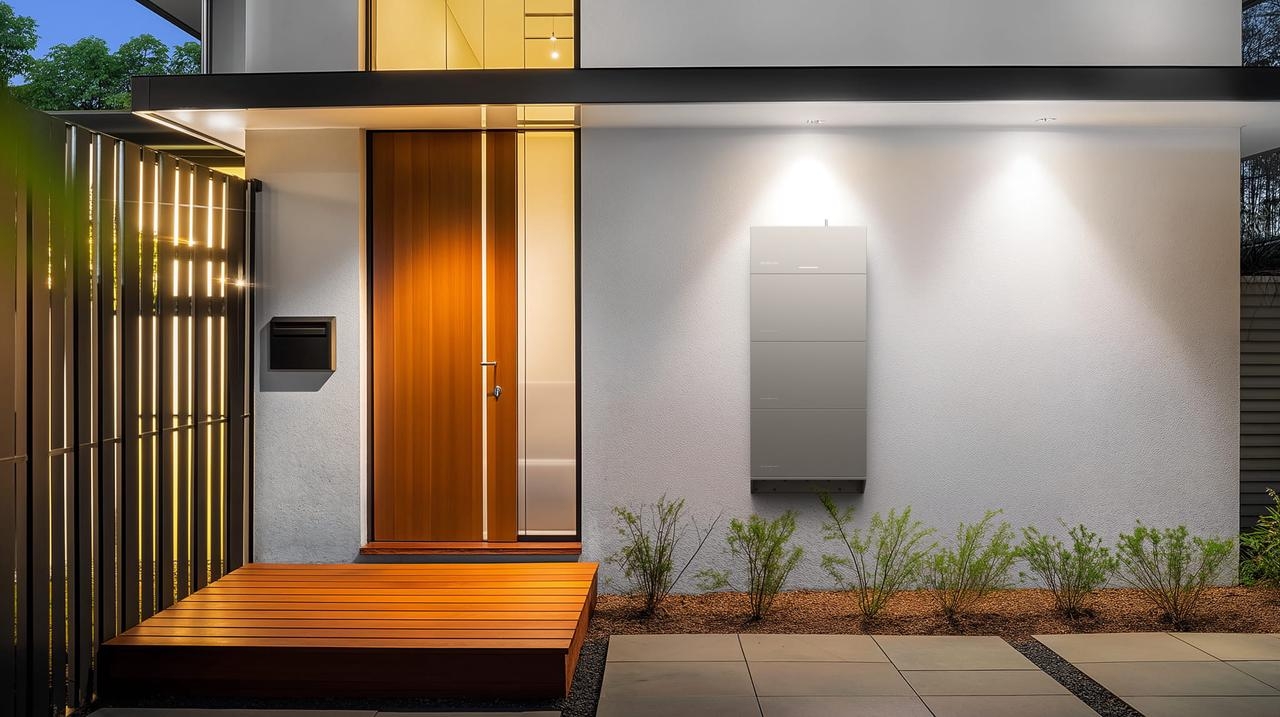
Look at the table below to explore EcoFlow products:
Product | Main Use | Key Features |
|---|---|---|
Home battery for single‑phase homes | Starts at 5 kWh, expandable up to 15 kWh on one inverter | |
Larger home solar and battery system | Expandable up to 45 kWh capacity, long‑life LFP cells, backup power up to 12 kW | |
Home energy control and monitoring | Shows real‑time usage, manages devices, supports smart charging, and backs up settings. |
Schedule a free consultation with EcoFlow experts to get a solar battery quote for the best energy-saving solution for your home.
What kind of product or solution are you interested in?

Protection From Rising Energy Prices
Power prices can go up over time, and solar helps you rely less on them. When you use your own solar power, higher prices on bills bother you less. A battery lets you store extra solar energy for use later in the evening. This can keep your bills steadier and make planning your household budget easier.
Better Backup and Energy Independence
A battery can keep essential things running during a power cut at home. You can still use lights and phone chargers during these outages. This is helpful during storms and heatwaves when blackouts are expected. It helps you rely less on the grid and feel more in control of your electricity.
Reduced Carbon Footprint and Environmental Impact
Solar power does not create smoke and harmful gases while making electricity for your home. Using more solar and less grid power can lower your household's pollution each year. Over many years, this can really help the environment and support a healthier planet. You help support cleaner energy while also cutting your power bills at home.
2026 SA Solar Rebates: Expert Advice to Cut Costs
In 2026, making the most of any solar rebate South Australia offers can really cut your costs. The points below show simple ways to boost your savings and avoid common mistakes.
System Sizing: Choose a system designed to produce power during daylight hours. This will save you on electricity charges and will not need any extra panels than you would have in total.
Get Quotes: Ask at least 3 companies for written quotes before making any decision. Make sure each quote shows the rebate so you know your real cost.
Check Approval: Pick panels and an installer that meet government approval rules for claiming rebates. This helps avoid problems later and makes sure you actually receive the promised support.
Use Daytime Power: Run your washing machine, dishwasher, and other big appliances during sunny hours where possible. This means you use your own solar first and buy less power from the grid.
Add Battery: Evaluate battery prices and rebates, and determine whether the incremental cost fits you. Secondly, plan the battery so that you can spread your expenditure over time.
Conclusion
In conclusion, solar rebate SA programs can cut upfront costs for panels. The knowledge of rebates, eligibility, and schedules assists households in planning systems that will optimize long-term savings. To homeowners who require intelligent storage and control, the EcoFlow Home Battery provides a viable alternative to facilitate solar systems that are future-ready.
FAQs
1. Is there a solar rebate in South Australia?
Yes, there is a South Australia solar power rebate for homes adding solar systems. You get help from federal STCs and sometimes extra Adelaide council support. Rebate size depends on your system kilowatts and the current STC price level.
2. What is the 6.6 kW solar rebate?
The 6.6 kW solar rebate is a federal STC discount. In 2026, it gives about $1,800 off a 6.6 kW home system. This South Australia solar rebate amount changes when STC prices or rules change.
3. How much should a 6.6 kW solar system cost?
A 6.6 kW solar system often costs about $4,500 to $8,000 installed. The average cost in Australia is around $6,400 after the federal rebate. City, installer quality, and panel brand can increase your total cost.
4. How to avoid the sun tax in Australia?
To avoid the sun tax, use more power at home during sunny midday hours. Run washing machines, dryers, and dishwashers while your panels make strong power. You can also add a battery later and export much less to the grid. For homeowners seeking smart storage and control, EcoFlow Home Battery offers a practical option to support future-ready solar setups.
5. How many solar panels do I need for 2000 square feet?
A 2,000-square-foot home usually needs 14 to 24 solar panels. The exact number depends on panel watts and your yearly electricity needs. Higher usage homes may need closer to 20 or more total panels.

