
Maximize Your Energy Savings: Australian Solar Rebates and Incentives 2026
Rising electricity prices across Australia have increased interest in solar power. Government incentives continue to support this shift. In 2026, the solar panel rebate remains an important way for households to reduce upfront installation costs and improve long-term energy savings.
Solar decisions often start with a look at available rebates. People often want to know what support is available, how it applies, and whether their home is eligible. These points usually come up when comparing quotes or speaking with installers. Having this information early keeps pricing clearer and makes the process easier to follow from the first quote to final installation.
What Are Solar Rebates and How Do They Work?
Solar rebateshelp bring down the price of installing solar panels and solar batteries. In Australia, these rebates come from government-backed schemes. You don't receive the money separately. The saving is usually taken off the total cost, so the system price is lower in the installer's quote.
Federal Solar Rebates and State-Based Schemes
The primary solar rebate in use in the country is called the Small-Scale Renewable Energy Scheme (SRES). The Clean Energy Regulator operates this program, and the program is applicable to eligible solar PV systems with a maximum output of 100 kW. Once it is installed, the system generates Small-Scale Technology Certificates (STCs). The issue number depends on the size of the system, postcode, and the deeming period remaining.
Alongside the federal solar rebate, states and territories often offer their own energy programs. Some states offer battery rebates. Others provide feed-in tariffs or bill credits. The support available depends on where you live and your situation. Before installing solar, check what your state currently offers. Doing this gives you a clearer idea of total costs and possible savings.
How Small-Scale Technology Certificates (STCs) Work
Under the SRES, eligible solar systems generate Small-scale Technology Certificates, known as STCs. The total STCs vary from one system to another. Solar system size matters. Your installation postcode also affects the total. The remaining deeming period, which runs until 31 December 2030, is part of the calculation as well. STCs are traded at market value and help bring down the overall system price.
How Solar Rebates Reduce Upfront Costs
Solar rebates are calculated using Small-scale Technology Certificates (STCs). Larger systems create more certificates. Your postcode also affects the total, along with the remaining deeming period. Most installers factor the STC value into the quote, which lowers the total price you see upfront. There is no separate rebate claim or refund process later. The discount is built into the deal from the beginning.
Why Rebate Expiry Dates Matter
The rebate gets smaller each year and is planned to finish in 2030. If you leave it too long, the discount may not be as strong. Many homeowners check the latest dates and rules before moving ahead, just to make sure they don't miss out on what's still available.
Key Federal Solar Rebates Available in 2026
In 2026, the federal solar rebate is provided under the Small-scale Renewable Energy Scheme (SRES). It cuts down the upfront cost of eligible solar systems for homes and small businesses. The scheme applies across Australia and includes small-scale setups, such as solar PV systems up to 100 kW.
Estimated Rebates for Popular System Sizes
STC prices move with the market, so rebate amounts are never fixed. System size makes a clear difference. A smaller 3 kW setup will receive fewer certificates. Many households choose 6.6 kW for stronger output and a better upfront discount. A 10 kW system attracts even more STCs. For updated figures, most people check an online solar rebate calculator before deciding.
How Rebates Are Applied at the Point of Sale
Federal solar rebates are applied at the point of sale. Accredited installers usually assign STCs on behalf of the customer and deduct their value directly from the quoted system price. The price is reduced upfront, with nothing to claim later.
Key Requirements to Qualify for Federal Solar Rebates in 2026
To qualify for federalsolar rebates under the SRES, certain requirements apply:
Solar panels and inverters must appear on the approved products register.
The installation has to be completed by an accredited installer.
The system must meet size limits set under the Small-scale Renewable Energy Scheme.
The installation must comply with all SRES eligibility rules.
Each eligible solar system can only claim the rebate once.
How Much You Could Save on STCs in 2026
Your STC savings depend on the system you install and where you live. The table below shows typical rebate ranges for common residential system sizes:
System size | Estimated STCs | Estimated Rebate Value |
|---|---|---|
3 kW | ~25 STCs | $800 – $900 rebate based on STC value per kW estimates |
6.6 kW | ~54 STCs | ~$1,800 – $2,300 rebate depending on system location and STC price |
10 kW | ~82 STCs | ~$2,500 – $3,450 rebate depending on STC value and certificate count |
Note: These numbers are only a guide. They are based on common system sizes and recent STC prices, often around $36 to $40 each. What you actually receive can change depending on your postcode and the STC price at the time your installer processes the certificates.
How to Claim Your 2026 Federal Solar Rebates: Step-by-Step Guide
Now, go through the following guide to apply for the government solar rebate scheme in Australia:
Step 1. Initiate by comparing various retailers' offers that use Clean Energy Council approved panels. It is a core eligibility criterion for the SRES.
Step 2. The solar system receives Small-scale Technology Certificates.The installers usually estimate their panel's market value and subtract the sticker prices to estimate the savings up-front.
Step 3. After accepting the quote, you will be asked to assign the right to create your STCs to the installer or registered agent. This will turn the approved certificates into cash and give you a discount on bills.
Step 4. Upon installation of the system, the installer or provider uploads the images evidence to the Clean Energy Regulator's REC Registry site.
Note: STCs must be created within the time span of 12 months of the installation date, so ensure your installer finishes the paperwork quickly; otherwise rebate will be refused.
More State-specific Incentives in 2026 (Status & Details)
Before we dive into federal support, it's worth taking a closer look at the extra help available locally:
NSW Incentives
Incentive Item | Details | Status/End Time |
|---|---|---|
VPP Incentive | Up to $372 per usable kWh | Active in 2026 |
Feed-in Tariffs | 4.8-7.3 c/kWh guidance for 2025/26 | Active |
Low-Income Electricity Bill Rebate | $285 (retail)/$313.50 for concession card holders | Active |
VIC Incentives
Incentive Item | Details | Status/End Time |
|---|---|---|
Victoria Solar Panel Rebate | Up to $1,400 (50% cost) for homeowners, income < $210k | Active |
Solar Rebates for Rental Properties | Up to $1,400 per rental property | Active |
Feed-in Tariff | Minimum 1.1c / kWh | Active |
Energy efficiency upgrades, including solar | Active |
QLD Incentives
Incentive Items | Details | Status |
|---|---|---|
Solar Bonus Scheme | $1,600 off a 6.6kW system | Closed to new; ends July 2028 |
Feed-in Tariff | Between 6 and 10 cents per kWh | Active |
SA Incentives
Incentive Items | Details | Status |
|---|---|---|
Solar Feed-in Tariffs | Feed-in tariff is 8c while Origin's minimum is 2c and AGL's is 0c | Active to 2028 for legacy |
SA VPP Incentives | Cash rebate via the Retailer Energy Productivity Scheme | Active |
Electricity Bill Rebate | $150/year concession | Active |
Why Use Solar Battery Solution for Maximum Savings in 2026?
Transitioning from state incentives, solar batteries add greater value by storing daytime excess energy while claiming federal rebates:
Combining Panels With a Battery System Increases Rebate Potential
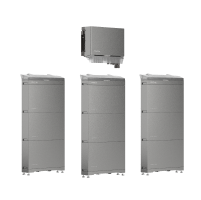
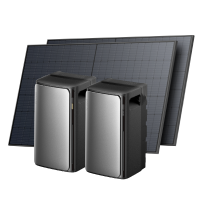
Solar batteries paired with panels maximize savings by storing excess solar energy for peak evening use. To save energy, opt for systems like the CEC-approved EcoFlow PowerOcean Solar battery. This efficient system saves excess energy during the day and efficiently runs the house accessories at night—all managed easily via the smart EcoFlow app.
EcoFlow PowerOcean series is fully eligible for the federal battery rebates "Cheaper Home Batteries Program". Your accredited installer can claim the STCs. You get that upfront discount—around 30% off—applied straight to your quote.

Review the following table to know about EcoFlow products:
Products | Categories | Key Aspects |
|---|---|---|
Home solar battery | 5kWh start, up to 15kWh on one inverter; 6kW continuous output; IP65-rated | |
Home solar battery | High-voltage (800V) all-in-one; 10kW continuous/12kW peak; expandable up to 45kWh | |
Home solar battery | Up to 29.9kW AC output; up to 40kW PV input; expandable up to 180kWh storage |
Schedule a free consultation with EcoFlow experts to get a solar battery quote for the best energy-saving solution for your home or business.
What kind of product or solution are you interested in?

Provides Reliable Backup Power Security
Cases of blackouts are on the increase every year, either as a result of extreme weather or infrastructure problems. A solar battery provides 8-24 hours of continuous power to back up the entire home by providing energy to appliances such as fridges, lights, and EV chargers.
Maximize Self-Consumption Savings
With a battery, more of your daytime solar power can be used at home instead of being sent to the grid. That often leads to lower evening bills and less reliance on electricity retailers. It can also help you get better overall value from thesolar panel rebate.
Stacking Federal-State Rebate Potential
Households can use the federal solar rebate alongside state incentives where available. Combining support programs can lower the upfront system price and improve overall savings. The total benefit depends on location, eligibility, and timing, so checking current offers before installing makes a practical difference.
Conclusion
To conclude, understanding rebates helps households plan smarter solar upgrades in 2026. The solar panel rebate reduces upfront costs, while state incentives improve long-term value. Acting early protects eligibility and pricing certainty. Pairing panels with a reliable battery maximises savings, energy security, and self-use. Systems like EcoFlow PowerOcean fit into modern homes seeking efficiency, resilience, and future-ready solar performance.
FAQs
1. How much solar rebate can I get in Australia?
The amount depends on system size, postcode, and installation timing. Most households receive the solar rebate through STCs, applied as an upfront discount. A typical 6.6 kW system may reduce costs by a few thousand dollars. Exact values vary with certificate prices and installer handling, so quotes differ between homes
2. Are solar rebates reducing in 2026?
Yes, rebate values gradually decline each year under the federal scheme. This happens because the deeming period shortens annually until 2030. While rebates still offer solid savings in 2026, delaying installation usually means receiving fewer certificates. Waiting can result in a smaller rebate over time.
3. Why is my electricity bill so high when I have solar panels?
High bills often happen when most solar energy is exported during the day, and electricity is bought back at night. This reduces the benefit of solar power rebates. Without storage, savings stay limited. Adding a battery, such as an EcoFlow system, increases self-use, lowers grid reliance, and improves real bill reductions.
4. What is the 20% rule for solar panels?
The 20% rule simply means panels won't produce quite as much power after many years. Most systems may drop by around 20% over about 25 years. That doesn't mean they stop working. They still generate electricity, just at a slightly lower level than when first installed.
5. Is 6.6 kW solar enough for a 4-bedroom house?
For many households, yes. A 6.6 kW system suits average daytime use, but evening demand can push grid usage higher. Pairing panels with a battery improves coverage after sunset. EcoFlow storage systems help four-bedroom homes maximise solar use, stabilise bills, and prepare for future energy needs.

