
Solar Battery Rebate NSW: 2026 Guide to Incentives & Savings
Electricity prices in Australia just keep climbing. This puts a massive strain on our weekly household budgets. Because of this, many residents want to gain real energy independence. We simply want to rely less on the traditional power grid.
Are you living in New South Wales? If so, you might be wondering how to actually afford the switch to renewables. The good news is that strong financial help is available right now.
This guide breaks down the entire solar battery rebate NSW landscape for 2026. We will look at the latest incentives and the exact eligibility rules. Then, we will walk you through the simple steps to maximise your savings.
Is there a NSW Battery Rebate in 2026?
Acknowledging the rising cost of living and electricity in Australia is the first step to understanding why energy storage is so important today. A frequent question homeowners ask is about the current status of the NSW solar battery rebate programs. The reality of these incentives has changed significantly in recent times.
The previous direct state loans, such as Empowering Homes, and older installation rebates (like BESS1) have ended. However, they have been replaced by a more powerful and effective combination of schemes for 2026. This new approach offers substantial financial relief through two main avenues:
First up is the Federal "Cheaper Home Batteries Program". A lot of folks confuse this with a state-level deal. It is actually available right across Australia. It acts as your main upfront discount. This simply means it slashes the starting price of your new home battery before you even pay.
Second, we have the state-level option. This is the NSW Peak Demand Reduction Scheme (PDRS). It serves as a dedicated NSW government battery rebate. The goal here is simple. It rewards you financially for hooking your system up to a Virtual Power Plant (VPP).
Why the rush to act now? Well, 2026 gives you a very strict window. The federal discount relies on Small-scale Technology Certificates (STCs). The value of these STCs will drop significantly after May 1, 2026. You want to get your system installed before that deadline hits. Beating the cutoff is the only way to lock in your biggest possible savings.
Breakdown of Available NSW Battery Rebates
To get a clear picture of the financial help on offer, we should look at the two main parts of the solar battery rebates NSW setup. Breaking it down this way makes it much easier to see how you save.
The Federal Upfront Discount (STCs)
A new Federal program is finally here. Small-scale Technology Certificates (STCs) now cover home batteries. Before, they only applied to solar panels. This is a huge shift. It makes energy storage much easier for the average family to afford.
The discount sits at roughly $311 per kilowatt-hour (kWh) of usable capacity. That high rate only lasts from January to April 2026. After May, the value starts to drop. Take a standard 10kWh battery setup as an example. Buy it early in the year, and you could save around $3,000. Your installer simply takes this upfront discount straight off your final quote.
NSW Peak Demand Reduction Scheme (PDRS)
The second big piece of the puzzle is the specific NSW battery rebate. This state-level program rewards you for connecting to a Virtual Power Plant (VPP). It helps keep the local power grid stable when demand spikes across the state.
The value of this cash bonus ranges from $550 to $1,500. The exact amount depends entirely on the size of your battery. Just keep in mind that the payout stops at a 28kWh limit. The absolute best part is the stacking rule. This state-based battery rebate NSW stacks right on top of the federal discount. Getting both discounts together makes premium systems much more affordable.
Eligibility for the NSW Solar Battery Rebate
Understanding the policy interpretation and eligibility explanation is crucial before making a purchase. Who exactly qualifies for these financial incentives?
To qualify for the state-level programs, you must be a resident and homeowner in New South Wales. Your new battery must also be exactly that—completely new. You can easily add one to your older rooftop solar panels. Just remember that second-hand units simply will not qualify.
There are also strict rules about the gear you use. Your new energy storage system must sit on the Clean Energy Council (CEC) approved list.
Are you aiming for the specific NSW government solar battery rebate under the PDRS? If so, your setup needs to be VPP-capable. This just means your smart tech can talk directly to the main power grid. The state checks these details very closely. Always chat with a professional installer first. They can look at your home and make sure you tick all the right boxes.
Finally, keep a close eye on the calendar. You really want to get your system installed before May 2026. Getting it done early locks in the highest STC discount. If you wait, the planned government step-down will simply cut into your savings.
How Much Can You Save? (2026 Estimates)
Let us look at a hypothetical scenario to understand the true impact of a NSW battery rebates package.
Savings Table for a 10kWh Battery System (Hypothetical) :
Incentive Type | Estimated Deduction |
|---|---|
Federal Discount (STCs) | ~$3,100 |
NSW VPP Incentive (PDRS) | ~$550 - $1,000 |
Total Estimated Deduction | Over $4,000 off retail price |
When you apply these solar batteries rebate NSW incentives, the return on investment context changes dramatically. The payback period for a high-quality energy storage system drops significantly. What used to take over 10 years to pay off can now often be recovered in just 6 to 7 years through reduced electricity bills and grid feed-in credits.
Maximizing Value with Storage and Intelligent Management
To get the most from renewable energy, you need the right system. It is important to find a setup that maximises your solar power. This leads to much larger savings on your electricity bills over time. A smart system does more than just hold power; it manages your energy with logic. The EcoFlow Home Battery range uses modern tech to do exactly that for your home.
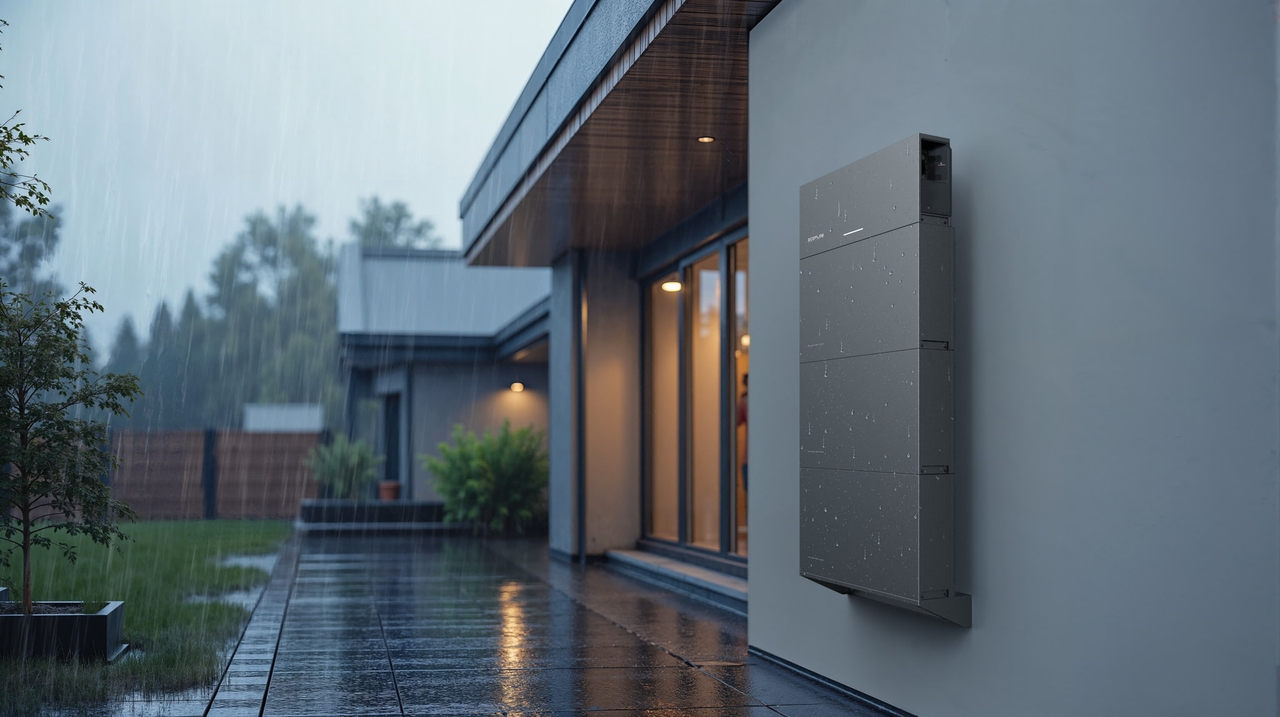
EcoFlow PowerOcean Home Battery Series (CEC approved)
Product Name | Key Specs | What It Can Power |
|---|---|---|
| Everyday household appliances and essential home circuits. | |
| Kitchens, heating systems, and several home circuits. | |
| Workshops, small businesses, and large homes with very high energy needs running many appliances together. |
Are you ready to see how these programs work for your specific home? We encourage you to get a solar battery quote today and speak with a professional energy consultant.
What kind of product or solution are you interested in?


Intelligent Energy Management System
Hardware is only half the equation. The EcoFlow APP acts as an intelligent home energy management system (HEMS) to optimize your daily usage.
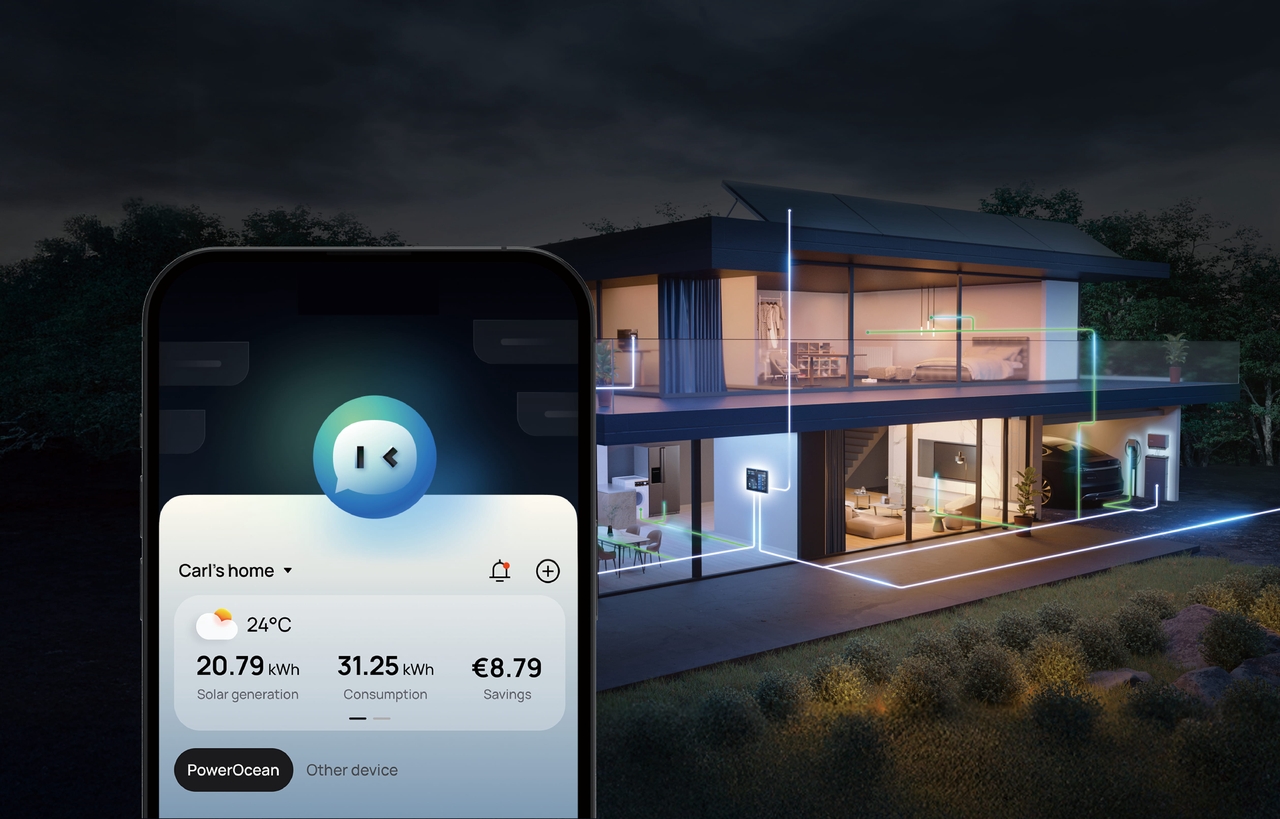
Smart Savings: The system comes with a handy "SmartEarning" mode. It basically puts your daily power usage on autopilot. The app checks your specific electricity tariff. It also looks at the local weather forecast. Then, it automatically adjusts your energy flow to slash your power bills.
Dynamic Tariffs: It works perfectly with dynamic pricing. The system charges the battery from the grid when rates are extremely low. It then discharges power to run your home when grid prices are high.
Full Control: You get total oversight of your rooftop solar and current battery levels. It also links directly to your EcoFlow PowerPulse 2 EV Charger. This lets you manage your whole home setup with ease. You can monitor your household appliances. You can track your vehicle's charge. Everything sits in one simple app interface right on your phone.
The 3-Step Process to Claim Your NSW Battery Incentives
Getting your head around government programs can feel like a bit of a headache. However, the path to locking in your NSW battery rebates is actually quite simple. When you break it down into these three manageable steps, the process becomes much clearer:
Step 1: Secure the Upfront Federal Discount (STCs)
This step relates to the Cheaper Home Batteries subsidy at the federal level. You generally do not have to apply for this discount yourself. It operates as a "Point-of-Sale" deduction. Your accredited installer will calculate and "trade" the Small-scale Technology Certificates (STCs) generated by your new battery. They will then deduct this substantial value (often $3,000 or more) directly from your total system quote before you even pay the deposit. Your only action here is to ensure your final quote clearly shows a line item labelled "STC Discount" or "Federal Battery Rebate."
Step 2: Claim the NSW VPP Connection Bonus (PDRS)
This step targets the specific state-level NSW battery rebate designed to support grid stability. Unlike the automatic federal discount, this bonus is frequently a separate process managed by an Accredited Certificate Provider (ACP) or your chosen VPP operator.
Once your home energy system is fully installed. Then, you just connect it to an approved Virtual Power Plant (VPP). Once that is sorted, you or your installer can lodge a formal claim for the rebate. Getting your payout is easy. The provider usually transfers the cash straight into your bank account. Sometimes, they might just knock a lump-sum credit off your next electricity bill instead. Either way, you see the benefit shortly after your system goes live.
Step 3: Complete the "Nomination Form"
To release your state funds, you must sign a critical document. This is called a PDRS Nomination Form. It is a standard legal paper that gives an ACP the green light to act for you. They will create "Peak Reduction Certificates" (PRCs) in your name. These certificates are based on how much your battery helps the local power grid.
You usually sign this form shortly after the physical installation is finished. Alternatively, you might complete it during your VPP sign-up phase. Keep in mind that a mandatory 10-day cooling-off period often applies to this process. This must pass before the team can process and finalize your NSW battery rebate bonus payment.
Conclusion
It is more important than ever to take charge of your home power usage. You just need to know how the NSW government battery rebate works in 2026. This helps you make a smart choice. It also slashes your upfront costs. You can actually combine the federal STC discount with the state PDRS incentive. This handy combo makes a top-quality battery highly affordable for most families.
Pairing these financial incentives with smart technology helps you get the most out of your solar power. This approach builds a sustainable and cost-effective energy strategy for your future.
FAQs
1. Is the NSW solar battery rebate still available in 2026?
Yes, but the structure has changed. Previous state loan programs have officially ended. Financial support now comes from two different sources. You can access the Federal Cheaper Home Batteries Program for an upfront point-of-sale discount. You can also use the NSW Peak Demand Reduction Scheme. This gives you a payment for joining a Virtual Power Plant.
2. Can I get a rebate if I add a battery to the existing solar power?
Absolutely. You can claim the federal STC discount and the state VPP incentives when you retrofit a brand-new battery to an existing solar panel system, provided the new equipment meets all compliance and Clean Energy Council guidelines.
3. What is the maximum rebate amount available?
The total savings depend on your system size. A standard 10kWh setup can attract roughly $3,100 from the federal discount and an additional $550 to $1,000 from the state VPP scheme, creating total initial savings of over $4,000.
4. Do I have to join a Virtual Power Plant (VPP)?
You don't need to join a Virtual Power Plant (VPP) to get the federal upfront discount. The state rules, however, are a bit different. You must hook your system up to an approved VPP network to claim the specific NSW battery rebate under the PDRS. Sharing your stored power this way simply helps keep the grid stable for everyone when demand peaks.
5. Which batteries are eligible for the NSW rebate?
The battery must be on the CEC approved list and VPP-capable. EcoFlow PowerOcean systems are eligible for the federal Cheaper Home Batteries Program. Always confirm eligibility with your installer before buying. You can learn more about solar battery rebate NSW options to see what fits you best.

