
Do You Use More Power in Winter or Summer? Exploring Seasonal Surges

You're not the only person who has ever wondered, "Why is my electric bill so high?" after seeing your power bill. Major surges can occur in both the summer and the winter, but for very different causes. Summertime brings constant air conditioning expenses. Because of the colder temperatures and fewer daylight hours, winter is expensive. The good news is that you can actually take action to reduce it once you understand where the money is going.
Why Is My Electric Bill So High in the Summer?
Summer is the most expensive season for electricity in many parts of the U.S. When temperatures climb above 90°F, your air conditioner works overtime just to keep your house comfortable, and your electric bill shows it.
The Efficiency Struggle of Central Air Conditioning
Central air conditioning relies on a compressor to move heat from inside your house to the outdoors. When the air outside is scorching, the compressor must work significantly harder to dump that heat, which consumes a massive amount of electricity. Older units often lose efficiency over time, pulling more power to achieve the same cooling effect. Dust buildup on the outdoor coils can also force the motor to run longer, further driving up costs during the hottest months.
Peak Electricity Pricing During Heatwaves
Utility companies often implement "Time-of-Use" (TOU) rates, which means they charge more for power when demand is highest. On a sweltering afternoon, everyone is running their AC at the same time, putting a strain on the grid. To manage this, the price per kilowatt-hour climbs during these peak hours. This means you are not just using more electricity, but you are also paying a premium price for every minute the system stays active.
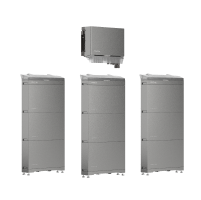
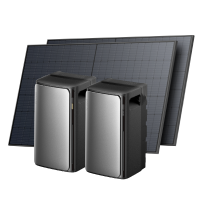
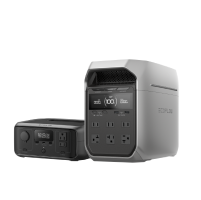
What kind of product or solution are you interested in?
Why Is My Electric Bill So High in the Winter?
In the winter, your home has to work harder to keep the warmth inside because it's so cold outside. It takes more energy to heat a home than to cool it, especially in places where the weather stays below freezing for weeks at a time.
Heating Demands in Freezing Temperatures
Electric heat pumps, which are effective until the temperature falls too low, are found in many American homes. The system may transition to "auxiliary heat" (often labeled as Emergency Heat), which warms your house using electric resistance coils, which are simply enormous toaster wires, once the outside air gets too cold. The quantity of power used by this method is astounding. Furthermore, inadequate attic insulation permits warm air to ascend and escape, necessitating nearly continuous heating to replenish the lost warmth.
Increased Indoor Activity and Lighting Costs
Families spend a lot more time indoors during the gloomy months since the sun sets earlier. As a result of this change, heavier equipment like ovens and clothes dryers are used more frequently and overhead lighting is used for longer periods of time. Homeowners frequently use humidifiers because chilly air retains less moisture, which adds another layer of ongoing energy consumption. When the mid-winter bill comes, many homeowners are surprised by the cumulative effect of these minor adjustments to everyday routines.
Comparison of the Hidden Culprits Behind a High Electric Bill
Beyond the thermostat settings, several secondary factors contribute to seasonal price hikes. Understanding how different appliances interact with the environment helps identify where the biggest savings can be found.
Feature | Summer Impact | Winter Impact | Efficiency Challenge |
|---|---|---|---|
HVAC Load | High (Compressor work) | Extreme (Resistance heating) | Moves air against high temperature gaps |
Water Heating | Moderate (Ambient intake) | High (Near-freezing intake) | Heating cold ground water takes more power |
Lighting | Low (Longer daylight) | High (Shorter days) | Extended run times for all indoor bulbs |
Appliance Use | Dehumidifiers & Pool Pumps | Clothes Dryers & Humidifiers | Specific seasonal tools add to the baseload |
While the primary consumers are obvious, these secondary draws often go unnoticed until the total cost is calculated at the end of the month.
The Hidden Drain of Water Heating Systems
Water heaters are the second largest energy users in most homes. In the winter, the water entering your home from underground pipes is much colder than it is in the summer. Your heater must work twice as hard to bring that water up to a comfortable temperature for showers or laundry. This extra work happens behind the scenes, but it is a major reason why winter bills stay elevated even if you keep the thermostat low.
Phantom Loads and Baseload Inefficiencies
Baseload refers to the minimum amount of power your home uses when everything seems to be turned off. Many modern electronics enter a "standby" mode rather than shutting down completely, which allows them to stay connected to the internet or respond to remote controls. These are often called phantom loads because they haunt your utility bill without providing any active service. Over a month, dozens of small devices plugged into your walls can add a noticeable amount to your total expenses.
How to Minimise Electricity Bill Year-Round
Traditional energy saving often involves sacrifice, but modern technology and simple maintenance offer a way to maintain comfort while cutting costs. Effective management focuses on when you use power and how well your home retains it.
Strategic Peak Shaving with Advanced Storage
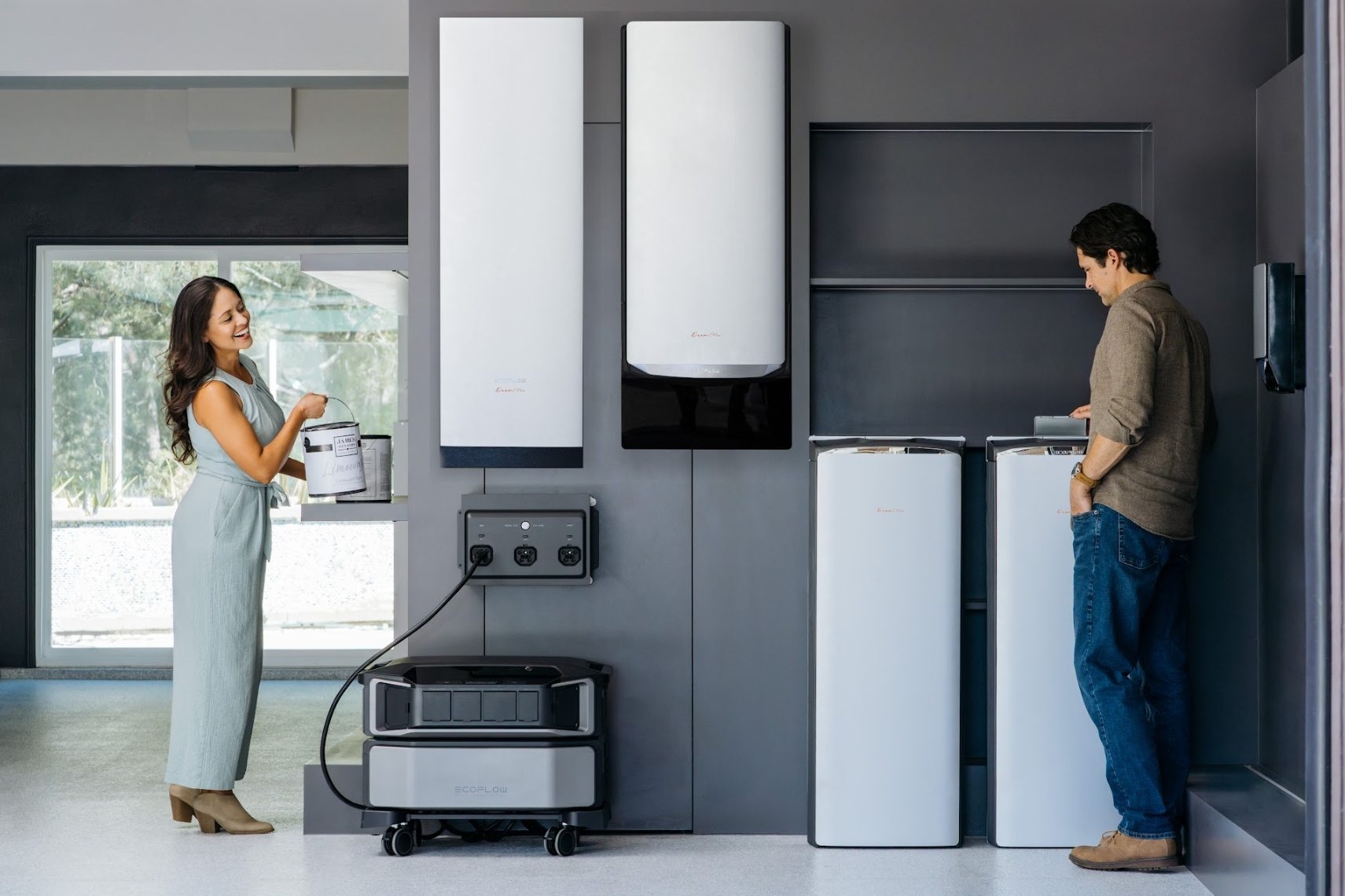
The most effective way to lower your costs is a strategy called peak shaving. By using the EcoFlow OCEAN Pro, you can store energy when prices are low and use that stored power when utility rates skyrocket. This system provides a 24kW continuous output, which has plenty of power to run multiple HVAC units and other appliances simultaneously. Because it is scalable from 10kWh to 80kWh, you can build a reservoir of energy that acts as a buffer against high grid prices during both summer heatwaves and winter freezes. It also supports multi-source charging from portable generators and EV batteries, so your home stays powered even during extended grid outages caused by extreme summer storms or winter blizzards.
Maintenance of High-Power Appliances
Regularly servicing your large appliances is a simple way to ensure they do not draw more power than necessary. For example, cleaning the coils in your refrigerator and your outdoor AC unit allows them to release heat more efficiently. Replacing furnace filters every three months ensures that air can flow freely, preventing the fan motor from overworking. These small maintenance tasks keep your electrical demand at the lowest possible baseline.
Optimized Solar Self-Consumption
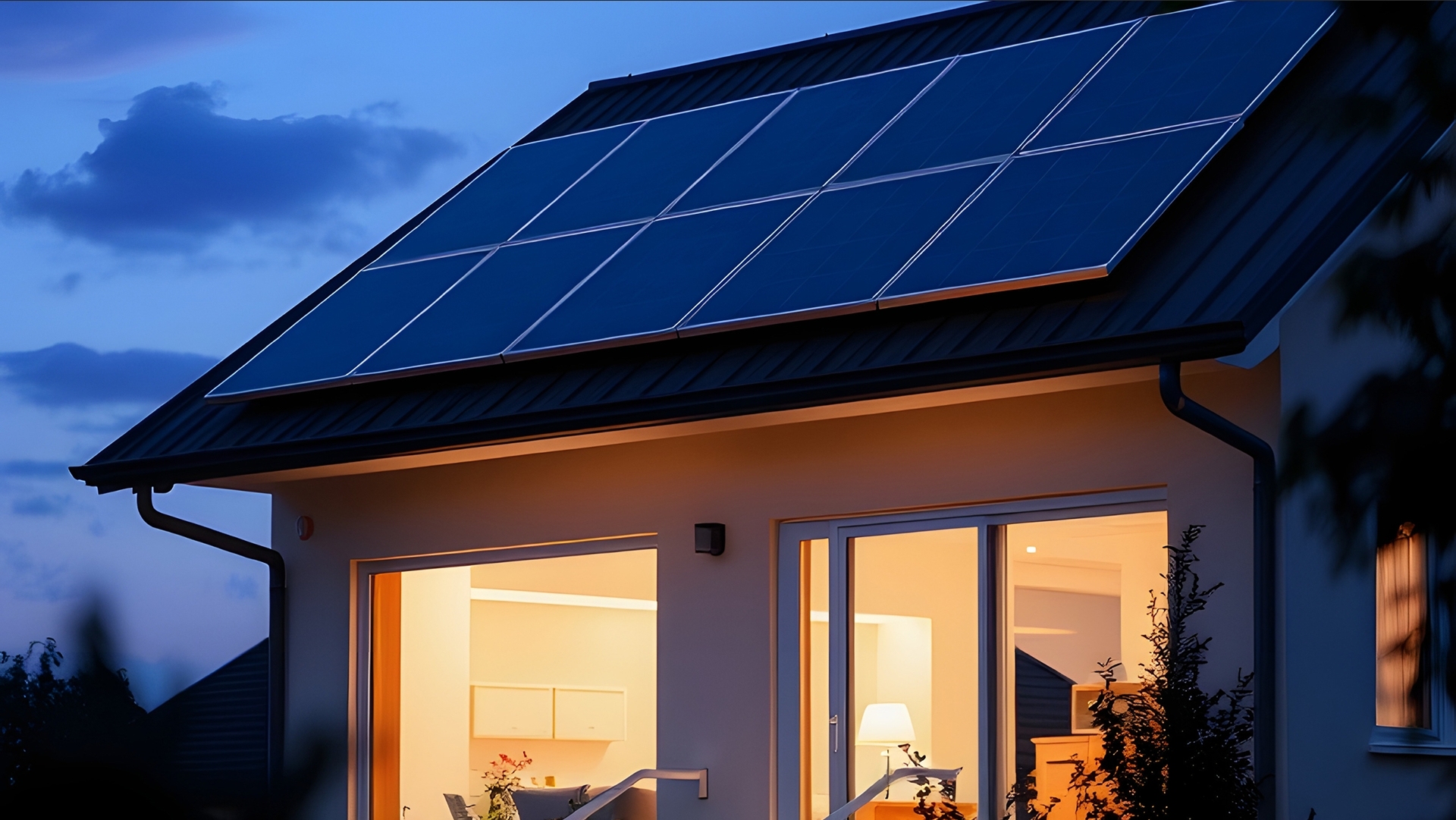
Solar panels are most effective when you use the energy they produce immediately, but production rarely aligns with your peak needs. Utilizing a system with 8 MPPTs (Maximum Power Point Trackers) ensures your solar panels collect the maximum amount of energy regardless of the sun's position. With a massive 40kW solar input, you can harvest enough energy during the day to power your entire home through the night. This prevents you from selling your clean energy back to the utility company for a low credit and then buying it back later at a higher price.
Advanced Energy Habits for a Lower Electricity Bill
Technology works best when paired with smart home maintenance. A few strategic changes to your property and daily routine can significantly amplify your overall savings:
Home Envelope Optimization: Seal small gaps around windows or under doors with weatherstripping to keep conditioned air from escaping.
Smart Thermostat Scheduling: Program your home to "pre-cool" or "pre-heat" during the early morning hours when electricity is cheapest.
Strategic Laundry Timing: Run heavy appliances like dryers and dishwashers during off-peak hours to avoid the highest utility rates.
Natural Light Management: Close blinds during the hottest part of summer days and open them during sunny winter days to use natural thermal energy.
Insulation Upgrades: Adding extra insulation to your attic or crawl space creates a better thermal barrier, reducing the frequency of your HVAC cycles.
Professional Standards for Resilient Home Energy Systems
Installing a high-capacity energy hub is a long-term investment that requires adherence to strict safety and performance codes. Professional-grade hardware is designed to withstand the very environmental extremes that cause energy bills to rise.
Certified System Integration: Experts ensure your system handles high voltage safely and maintains the validity of your 15-year warranty.
Extreme Weather Performance: Systems utilizing 360° aerogel insulation can operate in temperatures ranging from -4°F to 140°F without losing efficiency.
Rapid Power Transition: Features like instant switching mean your home moves from grid power to battery power instantly, protecting sensitive electronics.
Advanced Safety Protocols: Built-in AFCI (Arc Fault Circuit Interrupter) and GFCI (Ground Fault Circuit Interrupter) technologies prevent electrical hazards.
Secure Your Financial Energy Independence
Fluctuating utility rates and extreme weather do not have to control your monthly budget. By combining efficient home habits with a professional-grade energy storage hub, you can lock in your costs and enjoy a more predictable lifestyle. High-capacity systems provide the strength and intelligence required to manage a modern home through every season. Get a Quote to discover how a custom energy solution can shield your home from rising electrical costs.
FAQs
Q1. How Can I Find Out What Is Using the Most Electricity in My House?
Check the website or app for your utility company. Most suppliers now offer hourly usage data, so you can monitor when your power goes up and down. You can also put a home energy monitor on your electrical panel to keep track of things in real time. This makes it easy to see which appliances cost you the most.
Q2. What Causes the Most Money on an Electric Bill?
Heating and cooling. In most American homes, the HVAC system uses the most electricity. It can make up 40% to 60% of the total cost. During heat waves in the summer, your air conditioner operates all the time. Electric heaters and heat pumps in auxiliary mode use much more power in the cold.
Q3. What Appliances Should Always Be Unplugged?
Anything you don't use every day. When connected in, gaming consoles, desktop computers, printers, and phone chargers all need standby power, even when they are switched off. It's also easy to disconnect small kitchen gadgets like coffee makers and toasters after using them. Simply put a bunch of devices on one power strip and turn it off when you leave the room.
Q4. Does Snow on Solar Panels Lead to a High Electric Bill in the Winter?
It can. Your panels stop making power when snow covers them, so your home has to get everything from the grid. Light dustings normally melt away fast, but heavy snow might stop operations for days. A house battery that stores solar energy from the past can help you get by till your panels are clear again.
Q5. What Should I Turn Off at Night to Save Electricity?
Start with your desktop computer, game console, and TV. Most folks don't know that these utilize more standby power than they think. Before you go to bed, turn down the temperature a few degrees and turn out the lights in rooms you aren't using. Set your smart power strip to turn off electricity to your entertainment center automatically at night. Over the course of a month, these modest changes can add up to a lot of money.
