
One-Story vs. Two-Story Home: Which Can Be More Energy Efficient?

Picking between a one-story and a two-story home is not just about looks or lifestyle. It directly affects how much you spend on heating, cooling, and electricity every year. Each layout handles heat, airflow, and solar potential differently, and those differences add up fast. If you are planning to build and want one of the most energy efficient home designs possible, evaluating how floor plan shapes your energy bill is the place to start.
Quick Comparison Checklist
Efficiency Factor | One-Story Home | Two-Story Home |
|---|---|---|
Solar Potential | Higher due to larger roof area | Moderate; smaller roof relative to living space |
Heating (Winter) | Higher loss through larger roof/wall area | Natural efficiency as heat rises to the second floor |
Cooling (Summer) | Can stay cooler with proper roof insulation | Upper floor often acts as a heat trap |
HVAC Complexity | Simple, shorter ductwork runs | Complex; needs power to move air vertically |
Energy Management | Ideal for high-capacity solar storage | Requires smart zoning to balance floors |
This checklist highlights that neither design is perfect on its own; instead, efficiency depends on how you mitigate the specific weaknesses of your chosen floor plan.
Thermal Dynamics in Energy Efficient Home Designs
The way a building interacts with heat is the foundation of its overall performance. Different layouts change how much surface area is exposed to the elements, which directly impacts your internal climate.
Before choosing a floor plan, homeowners must look at how physics affects their daily comfort and power consumption.
Heat Management in Single-Story Layouts
A one-story home often has a larger roof compared to its total living space. This creates what professionals call the pancake effect, where a massive surface area is constantly hit by the sun. Because the roof is the primary entry point for solar heat, these homes require high-quality insulation, which is material used to stop heat from moving in or out of a building. Without proper protection, the interior can become uncomfortably warm during the day.
The Stack Effect in Two-Story Residences
Two-story homes deal with the stack effect, a process where warm air rises and cool air sinks. During the winter, this natural movement helps keep the upper floor warm without extra effort. However, in the summer, the second floor can become a heat trap. This vertical movement of air means your cooling system has to work much harder to push cold air up to the bedrooms while the heat stays stuck under the ceiling.
What kind of product or solution are you interested in?
Situation 1: How to Design Energy-Efficient Homes With Smart Zoning
Creating a functional space requires more than just picking a style. It involves organizing the interior to minimize the work your heater or air conditioner has to do.
HVAC Efficiency Across Different Floor Plans
The HVAC system, which stands for Heating, Ventilation, and Air Conditioning, is the biggest energy consumer in most villas. In a two-story house, the ductwork—the network of pipes that move air—is often longer and more complex. Long ducts can lead to energy loss as air travels through the walls. One-story homes, especially large ranch-style villas, allow for more centralized systems that move air over shorter distances, making the process more direct and less wasteful.
Implementing Multi-Zone Climate Control
Designing for efficiency means only cooling or heating the rooms you are currently using.
One-story homes can be split into wings to separate living areas from guest suites.
Two-story designs naturally separate private bedrooms from public areas.
Smart thermostats can manage these zones independently to save power.
Zoning prevents the system from running at full blast for the entire house.
Situation 2: Solar Potential in Energy Efficient Home Design
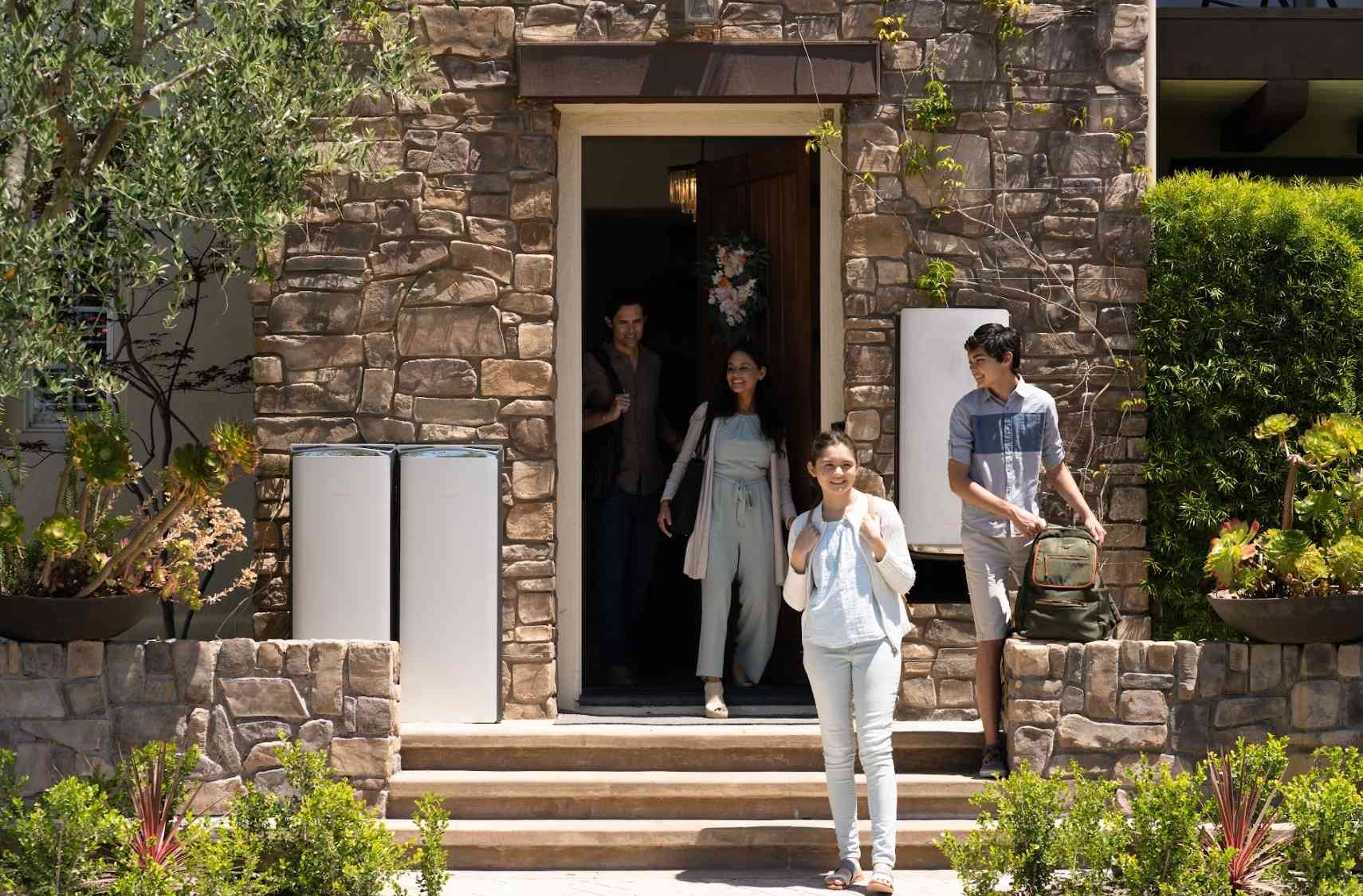
The roof is your home's power plant. The amount of space you have up there determines how much free energy you can harvest from the sun.
Maximizing Roof Real Estate for Solar Arrays
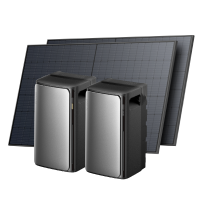
A sprawling one-story home offers a massive area perfect for powerful solar arrays. By using a high-end energy hub, you can take advantage of rooftop solar input up to 40kW. Systems with 8 MPPTs (Maximum Power Point Trackers) are ideal here, as they allow groups of panels on different roof sections to work together at max efficiency, even if one side is in the shade.
Shading Challenges for Multi-Level Structures
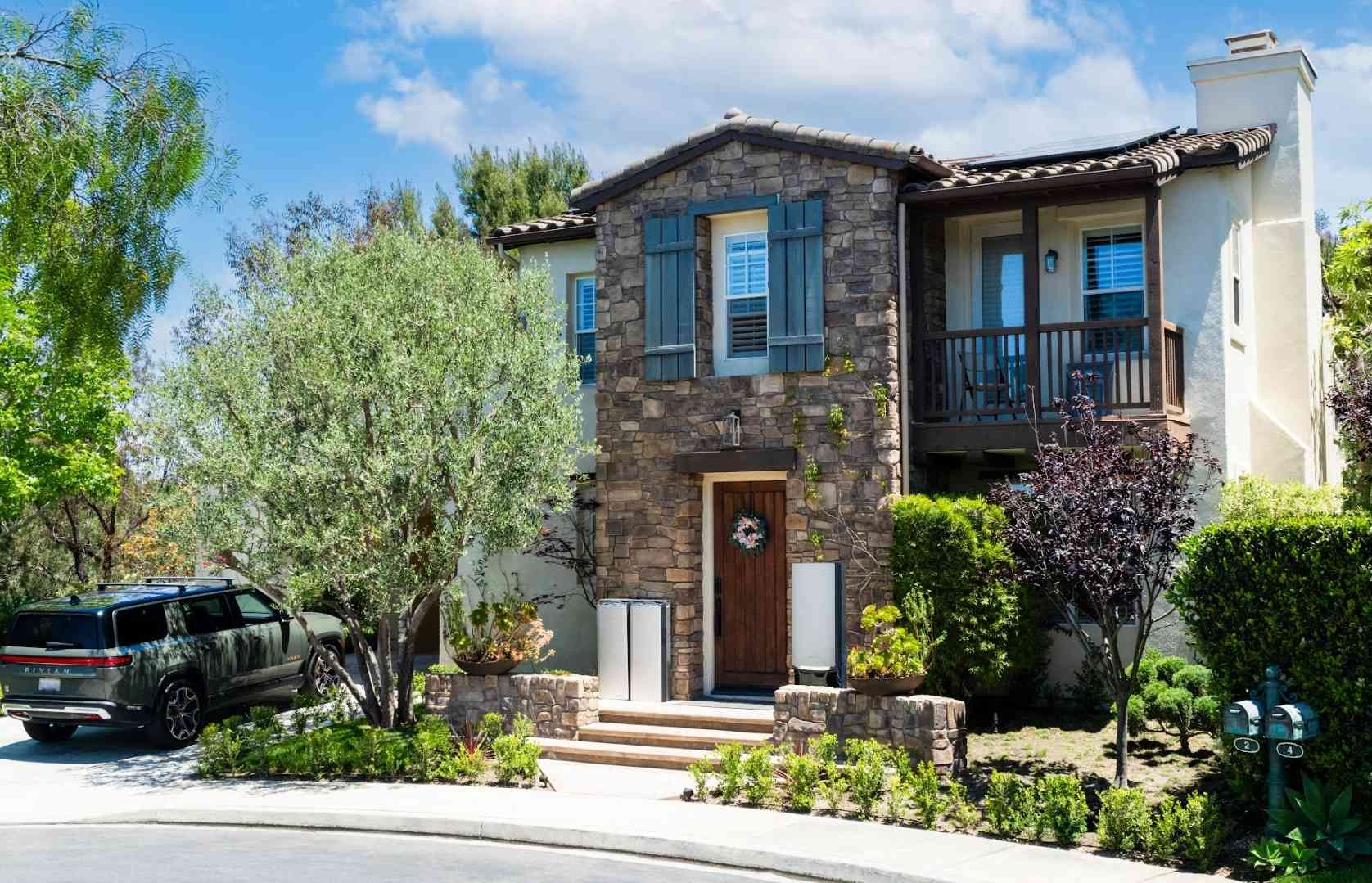
Two-story homes have a smaller roof area relative to their size. While they take up less ground, they may face shading issues from their own chimneys or or complex rooflines. If one part of the house blocks the sun from reaching the panels on another part, your energy production drops. Designing the roof specifically for solar placement is vital when your available space is limited.
Situation 3: Managing High Load Energy Efficient Home Design Needs
Large luxury homes often come with high-energy demands like heated pools and complex security systems. These loads require a stable power foundation to keep everything running smoothly without tripping breakers.
Powering Heavy HVAC Systems and Inductive Loads
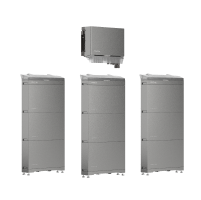
In large villas, the air conditioning system is the most significant electrical challenge. The EcoFlow OCEAN Pro provides a massive 24kW continuous output to handle these surges. With its 205A LRA (Locked Rotor Amps), it delivers the intense burst of power needed to kickstart heavy 5-ton HVAC systems or more. This ensures that when your climate control cycles on, your lights and sensitive electronics remain perfectly stable.
Scalable Capacity for Total Energy Independence
As you add features like guest wings or EV chargers, your energy storage needs will naturally increase. This modular system is scalable from 10kWh to 80kWh, allowing you to customize your reserves based on your specific lifestyle. By choosing a system with instant power switching, your entire home transitions to battery power instantly during a grid failure, ensuring your modern amenities never skip a beat.
Situation 4: Seasonal Performance in Energy Efficient Home Designs
Weather patterns change throughout the year, and your home layout responds differently to these shifts. Energy efficiency is a year-round commitment that changes with the seasons.
Winter Heating Strategies
During cold months, a two-story home is often easier to keep warm because the heat from the first floor naturally assists the second floor. A one-story home has more exterior walls and more roof areas exposed to the cold, which can lead to faster heat loss if the building envelope is not perfectly sealed. The building envelope is the physical barrier between the interior and exterior of the house.
Summer Cooling Optimization
In the heat of summer, the one-story home can stay cooler if it is shaded by trees or has a highly reflective roof. Two-story homes often suffer from an overheated upper floor, which can make air conditioning a constant necessity. Managing these seasonal swings requires a battery bank that can charge during off-peak hours and discharge when rates are highest, requiring no manual setup.
Professional Standards for Energy Efficient Home Design
Building a home that saves energy requires following strict technical standards. It is not enough to just have a good layout; the quality of the installation matters just as much as the blueprints.
Professional-grade systems must adhere to rigorous safety and performance protocols to ensure long-term home security:
Certified System Integration: Experts must handle high-end energy systems to ensure wiring is safe and can manage extreme voltage swings for uninterrupted operation.
Advanced Electrical Protection: Systems should feature built-in AFCI AI arc fault protection and GFCI ground fault protection to prevent electrical hazards.
Thermal Management: Advanced insulation, such as 360° ceramic aerogel, allows critical energy components to maintain performance in temperatures as low as -4°F.
Reliability and Redundancy: A professional setup ensures zero downtime and provides alarms to warn of potential issues before they cause a failure.
Long-term Warranty Security: Professional installation is required to keep an industry-leading 15-year warranty fully intact.
FAQs
Q1. What Is a Solar Energy Storage System?
It is a battery that stores the electricity your solar panels make during the day. When the sun goes down or the power goes out, the battery kicks in and keeps your home running. Instead of sending extra solar power back to the grid for pennies, you save it and use it yourself when electricity rates are highest.
Q2. Can You Leave the Solar Hooked to the Battery When Full?
Yes. Modern batteries have built-in management systems that automatically stop charging once the battery is full. Your solar panels can stay connected all the time without any risk of overcharging or damage. You don't need to unplug anything or monitor it yourself.
Q3. How Do You Design an Energy Efficient Home?
Start with good insulation and a tight building envelope so heat stays in during winter and out during summer. Then set up HVAC zoning so you only heat or cool the rooms you are using. Add solar panels and a battery storage system to generate and store your own power. These three things together make the biggest difference in cutting energy costs for any energy efficient home design.
Q4. Which Roof Is Best for a Hot Climate?
A roof with high reflectivity and strong insulation works best. Light-colored or cool roof materials bounce sunlight away instead of absorbing it, which keeps the house cooler. If you have a one-story home, the larger roof area also gives you more space for solar panels, which can power your air conditioning and offset the extra cooling costs.
Q5. What Is the Most Efficient House Layout?
There is no single answer because it depends on your climate and how you live. A one-story home has simpler ductwork and more roof space for solar panels. A two-story home loses less heat in winter because warm air rises to the second floor naturally. Either way, the most important thing is pairing your layout with strong insulation, smart zoning, and a whole-home battery system that balances your energy use around the clock.
Start Your Professional Energy Efficient Home Design Consultation
True energy performance comes from the perfect marriage of architecture and technology. Whether you choose a sprawling single-level layout or a soaring multi-story villa, the way you store and manage your power defines your home's success. High-capacity energy solutions provide the security and freedom required for a modern lifestyle. Get a Quote to find out how a custom-engineered storage system can turn your floor plan into a masterpiece of self-sufficiency.
