
Solar Panel Cost Breakdown: How Much Do You Really Pay in the UK?
Energy bills remain a huge worry across the UK. You might be tired of constantly changing price caps. The standing charges on your mains electricity bill can be very frustrating. Homeowners want reliable ways to gain true energy independence. Switching to renewable energy is an incredibly smart move. But what is the true solar panel cost?
Investing in a domestic photovoltaic (PV) system is a brilliant financial decision. Yet, navigating the initial cost of solar panels can feel overwhelming at first. Prices vary based on your available roof space. The technology you select also changes the final bill. Adding a smart battery storage system plays a huge role too. The British weather is famous for its clouds. You might think solar power only works in hot countries. That is a myth. Modern solar tech works brilliantly here.
In this guide, we will break down exactly how much do solar panels cost in the UK. We will explore the key factors that influence these prices. We will also show how pairing your panels with a smart battery system accelerates your return on investment.
What is the Average Cost of Solar Panels in the UK?
When calculating the average cost of solar panels, you must look at the total system size. In the UK, system sizes are measured in kilowatts (kW). This measurement represents the peak power output the panels can generate under ideal sunlight.
Over the last decade, the baseline hardware cost of solar panels UK has actually decreased. This price drop is thanks to global advancements in manufacturing. However, skilled labour and scaffolding costs have slightly increased. Today, you can expect a realistic price range of £5,000 to £11,000 or more. It all depends on your specific household energy needs.
Here is a simple breakdown of the estimated solar panels UK cost. This is based on typical residential system sizes in 2026:
System Size | Ideal House Size | Estimated Solar Panels Cost |
|---|---|---|
3kW | 1-2 Bedroom House | £5,000 - £6,500 |
4kW | 3-4 Bedroom House | £6,000 - £8,000 |
6kW | 4-5 Bedroom House | £8,000 - £11,000+ |
Note: These are estimates for the solar panels costs and installation alone. They do not include battery storage systems.
For most standard family homes, a 4kW system is the most common choice. This setup provides a highly reliable balance. It covers standard household appliances easily. It also keeps the initial solar panels for the home cost quite manageable.
Factors That Impact Your Solar Panel Cost
You might receive a quote from a local installer. You might wonder why it differs from the national average. Why does your specific solar electric panel cost vary? Several key elements influence the final price on your invoice.
System Size and Output
The biggest factor determining your solar power panels cost is the size of the array. A larger system requires more physical panels. It needs more mounting hardware and labour. Think about your daily routine. Do you run a heat pump? Do you charge an electric vehicle at home? These heavy loads require a larger system. A larger array increases the upfront PV panels cost. However, it generates substantially more electricity. This leads to much greater long-term savings on your utility bills.
Type of Panels (Monocrystalline vs. Polycrystalline)
The technology behind the panels also plays a major role.
Monocrystalline panels use a single, pure silicon crystal. This makes the electrons flow much more easily. They generate more power in a smaller space. They also perform better on cloudy British days. They have a sleek black appearance. Because they represent the latest technology, they might influence solar panel cost UK slightly more than older variants.
Polycrystalline panels use melted silicon fragments. They are generally cheaper but less efficient. You will need more roof space to generate the same amount of power.
Installation Complexity and Labour
The cost of installing solar panels depends heavily on your property. If your roof is difficult to access, the price goes up. Complex scaffolding or multiple roof levels will increase the solar panel installation cost. Regional labour rates also affect the final price. Installations in London usually carry a higher premium compared to the North of England or Scotland.
Maximize Your Savings with Home Battery Storage
Calculating the cost of solar panel installation is just the first step. Generating solar power during the day is only half the equation. The real savings come from storing that energy. You need power when the sun isn't shining.
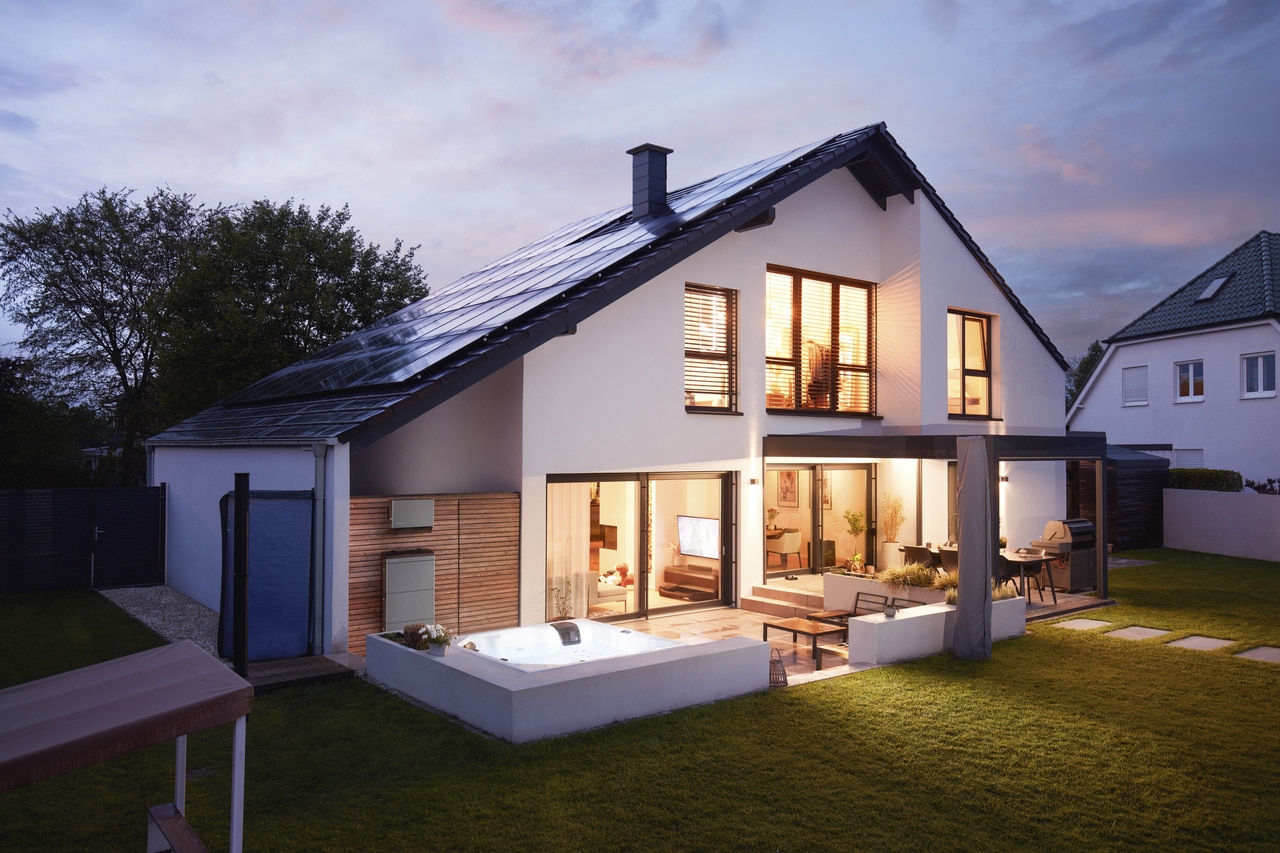
Without a battery, any excess energy is simply sent back to the grid. You lose out on free electricity for your evenings. To truly maximise the value of your solar panels' costs, you need a battery. Investing in advanced solar battery storage is the premium method to achieve this. The EcoFlow PowerOcean series offers tailored, cost-effective solutions to match your specific household demands.
EcoFlow PowerOcean Single-Phase Battery
Found in most older or smaller UK homes. It is enough for basic lighting and appliances. It works well for normal daily power use. The system supports reliable power during normal operations. It integrates easily with common residential electrical setups.
Key Aspects
With a single battery of 5kWh, easily stack up to 15kWh across a single hybrid inverter (extend up to 45kWh using three hybrid inverters).
Up to 6 kW continuous power output.

EcoFlow PowerOcean Home Battery (Three-Phase)
This is the standard for large modern homes, EVs, and powerful air conditioning. It provides more stable power. It easily handles higher loads. Power is spread across the house. It still works perfectly when everyone is using electricity at once.
Key Aspects
Starting from 5kWh battery modules, scale up to 45kWh of usable energy according to your energy requirement.
Delivers up to 12 kW of steady output power.
EcoFlow PowerOcean Plus Solar Battery (Three-Phase)
The PowerOcean Plus is a tailor-made solution for intricate rooftop configurations. It easily accommodates up to 4 PV strings. It is ideal for complex rooftop designs. It ensures maximum utilisation of available space on your roof. It efficiently harnesses every ray of sunlight. Small commercial sites and large households often need this stronger, more stable power supply.
Key Aspects
Starts with a 5kWh pack and allows an easy extension to 180kWh.
Supports up to 40kW of solar input with a maximum output of 29.9kW.
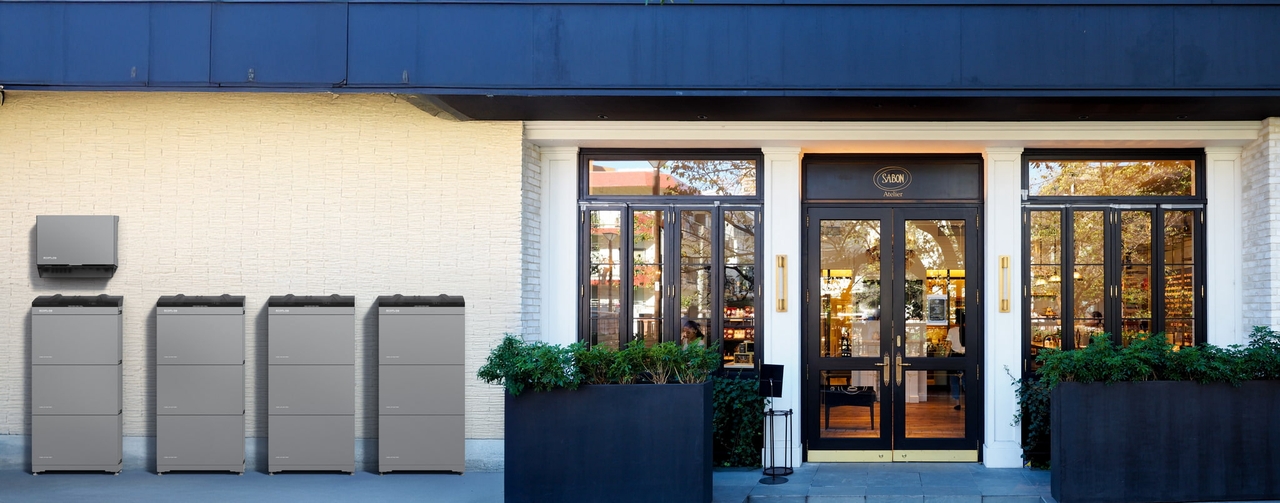
To get the most out of your EcoFlow Home Battery, you can pair it with the EcoFlow HEMS. This smart system helps you pay off your solar panels faster by tracking your power use through a simple app.
Unsure which PowerOcean system fits your home? Get a solar battery quote with our energy experts to calculate your potential savings.
What kind of product or solution are you interested in?

Are Solar Panels Worth the Investment in 2026?
When homeowners ask "how much does a solar panel cost", the conversation usually shifts. It moves from the initial expense to the long-term financial return. In 2026, the case for solar power has never been stronger.
Return on Investment (ROI)
The payback period is the time it takes for savings to cover your initial cost of solar panels. In the UK, this typically ranges between 7 and 10 years. It depends on your system size and energy usage. It also depends heavily on whether you utilise battery storage.
Grid electricity rates continue to remain high. Therefore, the question of how much solar panels cost in the UK is less about the upfront expense. It is much more about guaranteed savings. Once the system pays for itself, every kilowatt generated is practically free energy.
Smart Export Guarantee (SEG)
Even with a home battery, you might have peak summer days with excess power. You might generate more electricity than you can use or store, especially considering the solar panel costs UK homeowners invest in. The Smart Export Guarantee (SEG) scheme helps here. UK energy suppliers must pay you for the renewable electricity you export back to the grid.
Shop around for the best SEG rates. Some energy companies offer much better deals than others. Good rates can significantly shorten your payback period. Combine a high export rate with smart battery usage for the best results. This means your home transitions from being just a consumer to a profitable mini-power station. This extra income further offsets the cost of solar panels UK.
Conclusion
Understanding the true solar panel cost is a vital first step. It puts you on the path toward total energy freedom in the UK. The initial cost of installing solar panels requires an investment. However, the immediate reduction in your monthly utility bills is undeniable. The protection against future energy price hikes makes it incredibly worthwhile.
By pairing your panels with a robust EcoFlow Home Battery ecosystem, you guarantee efficiency. You capture, store, and manage every drop of free solar energy. This approach shrinks your carbon footprint. It also ensures your home runs smoothly, day or night.
FAQs
1. How much do solar panels cost for a 3-bedroom house in the UK?
For a standard 3-bedroom house, a 4kW solar array is typically recommended. The average cost of solar panels for this size ranges between £6,000 and £8,000. Adding an advanced storage system like the EcoFlow PowerOcean increases the initial outlay. However, it drastically improves your long-term savings.
2. Do I need planning permission for solar panels?
In most cases, installing solar panels on a UK roof falls under "Permitted Development." This means you do not need planning permission. However, exceptions exist. Listed buildings or conservation areas have different rules. Always verify with your local planning authority first.
3. What is the 20% rule for solar panels?
The 20% rule is a smart design guideline. It suggests sizing your solar system to generate 20% more energy than your average consumption. This built-in buffer ensures you have enough power during cloudy UK weather. It works perfectly when paired with an EcoFlow PowerOcean battery.
4. Can I get a grant for solar panels in the UK?
Yes, financial help is definitely out there. Several UK support schemes are currently available. The ECO4 scheme is a great example. It helps lower-income households pay for green upgrades. You also get a brilliant tax break right now. You pay 0% VAT on renewable energy tech. This zero tax rate includes home batteries too. It makes a massive difference to your upfront budget. It drastically lowers the overall costs of solar panels.
5. How much maintenance do solar panels need?
Solar panels require very little maintenance. They have no moving parts to break. It is generally recommended to have them cleaned professionally once a year. This removes dust and debris, ensuring maximum efficiency. Your EcoFlow HEMS app will easily alert you to any unexpected drop in power generation.

