
Single Phase and Three Phase Power Explained: A Complete Guide for UK Homeowners
Energy costs keep rising across the country. The UK is shifting quickly toward renewable energy. Because of this, you want to take control of your electricity usage. You might want to install solar panels. You might buy an electric vehicle (EV). You might even add an air source heat pump.
To do this successfully, you need to understand your home's electrical setup. One vital technical detail is understanding single phase and three phase power. Your connection type limits exactly how much energy you can draw from the electricity grid. It also dictates what equipment you can safely install.
In this guide, we will break down these technical details. We will explain the difference between single phase and three phase power. We will help you identify your exact setup. Finally, we will help you choose the right solar battery system for your home.
What Is Single Phase Power?
Most residential properties in the UK use standard power. This means single phase electricity is the most common supply. Do you live in a traditional terraced house? A semi-detached home? If so, your home is highly likely to use this standard setup.
Technical Context
A single phase connection uses two main wires. It brings electricity straight from the street to your consumer unit. It has one active wire. People normally call this the live wire or the "phase". It also has one neutral wire. In the UK, this setup operates at a standard 230V. This system is often called 1-phase or 1-phase electricity.
Typical Usage
Because of this limit, single phase electric power fits normal domestic use. It easily runs standard household lighting. It powers televisions and standard kitchen appliances. It handles traditional gas heating systems without issue. A typical family home does not have extreme energy demands. For them, this connection works perfectly
What Is Three Phase Power?
Standard connections suit most people. However, modern home energy demands are changing fast. This is exactly why three-phase electricity matters. It is a much stronger and larger electrical connection. You will find it in large modern homes and commercial properties. You will also find it in upgraded homes. These homes need it to run high-demand appliances. This includes multiple fast EV chargers or large heat pumps.
Technical Context
We must look at the UK three phase voltage. This standard measures between 400V and 415V. A standard setup uses two wires. A three-phase system uses four wires. It has three active wires and one neutral wire. Power moves across the three active wires in a constant, alternating sequence.
Benefits
The main benefit is total capacity. It handles incredibly high electrical loads easily. The three-phase option runs large electric motors smoothly. It offers much better efficiency for heavy-duty machinery and complex setups.
Key Differences: Single Phase vs Three Phase Power
You must understand the single phase vs three phase debate. It helps you choose the right solar and battery setup. We outline the most critical differences below.
Voltage Stability: A standard connection pulsates. It peaks and dips as the current cycles. A three-phase setup delivers constant power. The energy overlaps and never drops to zero. This ensures ultimate stability.
Wiring Connection: The phase connection differs greatly. The standard setup involves only two wires. This means one active and one neutral. The larger phase connection involves four wires. This means three active wires and one neutral wire.
Capacity: A standard setup has strict limits. A 100A main fuse usually restricts the total load. A three-phase setup handles significantly higher loads. You can run multiple heavy appliances at the exact same time.
Application: Standard setups run normal lighting, televisions, and fridge-freezers. Three-phase setups run large air-conditioning systems. They power commercial machinery. They easily run fast 22kW EV chargers.
When you compare single phase vs three phase power, look at your total energy use. Look closely at the specific heavy appliances you want to run.
Single or Three Phase: Which One Do You Have?
You might want to buy home battery storage. First, you must clearly know your connection type. Finding out if you have a single or 3-phasesupply is very easy.
How to Check
You do not need to be an electrician. Go look at your main fuse box. People also call this the consumer unit. You can also look at your electricity meter. Find the primary thick cable coming from the street.
Visual Cue 1: Does one main fuse connect to the meter? This usually means you have standard 1-phase electricity.
Visual Cue 2: Do you see three main fuses? They are often linked together in a straight row. This strongly indicates a robust three-phase supply.
When to Upgrade
People often wonder if they truly need an upgrade. Look at the single phase vs 3 phase comparison. Think carefully about your future plans. Will you install a large heat pump? Will you add a fast 22kW EV charger? Will you fit a massive solar array? If you do this all at once, you might need an upgrade. Your local Distribution Network Operator (DNO) may require it. They want to ensure your home handles the new load safely.
Smart Home Energy Tips: Choosing the Right Solar Battery Solution
Your solar battery system must match your grid connection type. This ensures perfect compatibility. It guarantees maximum efficiency. It keeps your home completely safe. If you install the wrong inverter, the system will simply fail to function.

The EcoFlow Advantage: Power for Every Home
The EcoFlow PowerOcean series fixes this problem. It is a premium, versatile solution. It perfectly serves both single phase and three phase power needs for UK homes.
Products | Key Specs | Ideal for |
|---|---|---|
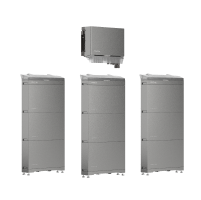
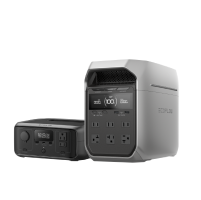
LFP battery, fire prevention module, IP65, expandable up to 15kWh on one inverter, 6kW continuous off-grid power | Most UK households; older properties; smaller homes with normal energy needs | |
Start at 5kWh and expandable up to 45kWh, independent 800V packs, BMS in each pack, fireproof & weatherproof, 10kW rated (12kW short-term) backup power | Large modern homes; homes with multiple EVs, high-power AC & heat pumps | |
40kW solar input, 29.9kW AC output, dynamic tariff support, smart home control, start at 5kWh, expandable up to 180kWh | Homes with complex roofs; small businesses; multi-directional solar arrays |
Are you unsure about your current home setup? Get a solar battery quote today. Contact EcoFlow professional energy consultants. They will give you a free assessment of your specific home energy needs.
What kind of product or solution are you interested in?
Maximizing Efficiency with Smart Energy Management
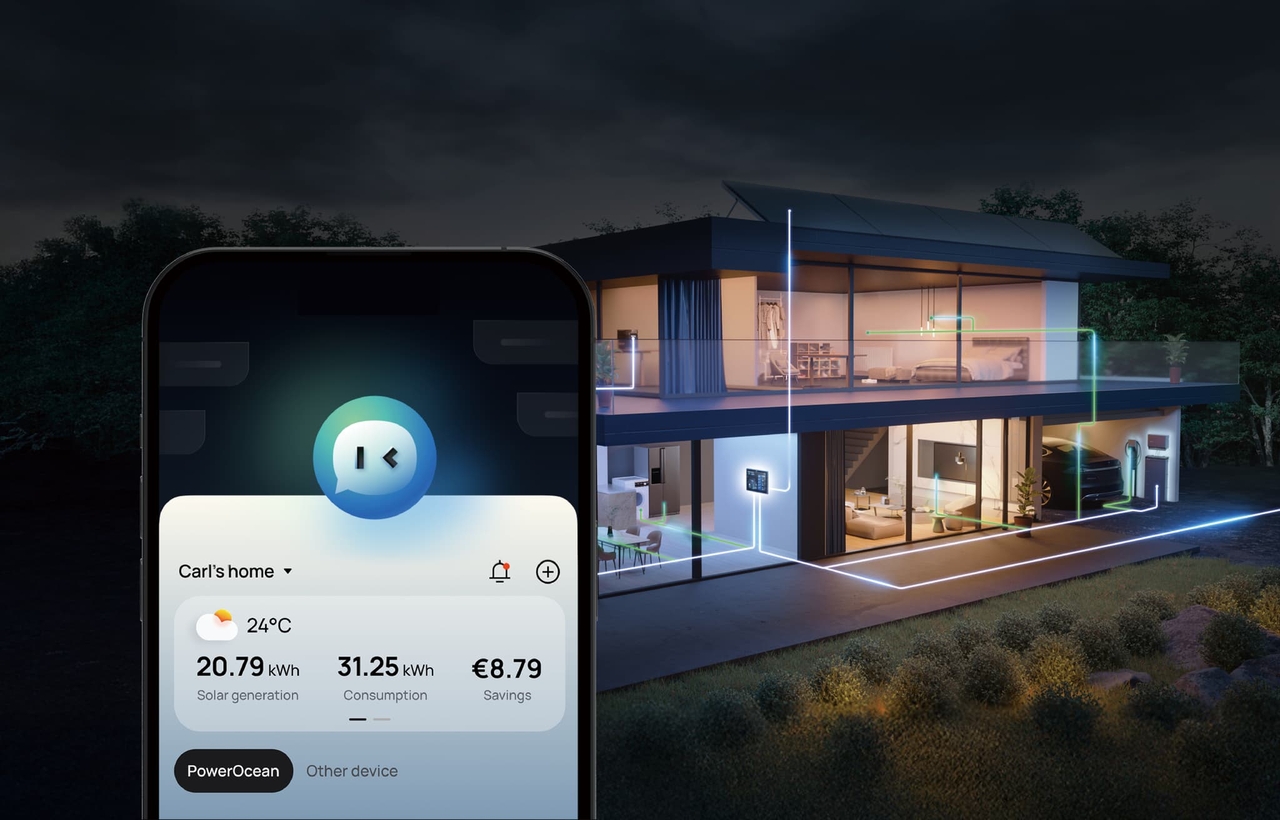
Whether your home has a standard or heavy-duty power supply, simply generating energy isn't enough. You need the EcoFlow HEMS (Home Energy Management System) to truly take control.
This system acts as the brain of your home. It tracks your power use in real-time and balances your energy to prevent power trips. It automatically stores cheap electricity during off-peak hours and uses your free solar power when you need it most. Through the EcoFlow App, it even uses weather data to protect your battery and prioritize your savings.
Conclusion
You must completely understand the single phase and three phase power differences. This is the crucial first step toward true home energy independence. Your connection dictates your energy limits. It shapes your entire renewable energy journey. You might have a standard 1-phase electricity connection. You might have a highly robust three-phase supply. Regardless, EcoFlow provides a premium PowerOcean solution. They tailor it exactly to your roof and match your grid connection perfectly.
FAQs
1. Are UK houses single-phase or three-phase?
Most standard UK residential houses operate on a single-phase supply. This 230V system easily handles normal domestic lighting, heating, and standard appliances. Three-phase supplies usually power large, high-demand modern properties or big commercial buildings.
2. Can I run 3-phase equipment on single phase power?
You cannot directly run three-phase equipment on a standard residential supply. You would need highly specialised converter equipment. Three-phase motors need the alternating current of three distinct wires. You must strictly match your equipment to your grid connection.
3. Is three-phase electricity cheaper than single-phase in the UK?
The actual unit cost of electricity remains mostly the same. You pay the exact same pence per kWh regardless of your connection type. However, larger connections often have much higher daily standing charges. This happens because the supplier needs better infrastructure to deliver the power.
4. Is it worth upgrading to 3-phase power?
Look deeply at the 3 phase vs single phase debate. An upgrade is definitely worth it for heavy appliances. Are you adding a 22kW EV charger? Are you installing a large heat pump? Do you want a massive EcoFlow PowerOcean system? The upgrade prevents your home from completely overloading the grid.
5. How much does it cost to upgrade to three-phase power?
Upgrading means applying directly to your Distribution Network Operator (DNO). The three-phase power upgrading costs vary drastically based on your precise location. It depends entirely on how far your home is from the main network cables. In the UK, upgrading can cost anywhere from £1,000 to over £5,000.

