
Understanding the MCS Certificate: Eligibility, Standards, and Why Homeowners Should Care
Installing solar or a heat pump is a big investment, and in the UK, the MCS certificate is the one thing you really shouldn’t skip. Think of it as the “Gas Safe” equivalent for renewables; it guarantees your kit is up to scratch and installed properly. More importantly, having that certificate is usually the only way to access the Smart Export Guarantee (SEG) and start getting paid for the energy you send back to the grid. Below, we’ll explain why MCS is the benchmark for British homes and how to pair your certified system with smart technology to slash those energy bills for good.
What Is the MCS Certificate in the UK?
Before getting into the practical side of installing renewable tech, it helps to understand the framework of renewable energy that keeps standards high across the UK’s renewable industry.
1. Definition of the Microgeneration Certification Scheme
The MCS is the UK’s benchmark for quality in green energy. It’s a government-backed scheme that gives you peace of mind by vetting both the hardware and the contractors. Essentially, it guarantees that your installation meets rigorous standards, so you aren’t left with a sub-par system that doesn’t do what it says on the tin.
More than 1.5 million renewable systems across the UK have already been certified under the scheme. That number alone shows how central MCS has become in maintaining trust and quality in the country’s growing renewable energy market.
2. Why MCS Certification Matters for Homeowners
For most UK homeowners, the MCS certificate is essential when it comes to financial incentives. Without it, you’ll struggle to register for the Smart Export Guarantee (SEG), which pays you for sending excess solar electricity back to the National Grid. On top of the financial benefits, it also provides reassurance that your system has been installed correctly and should stand up to years of British weather.
3. Financial Benefits of an MCS-Certified System
A typical UK home with a 4kW solar setup can expect to pull in around 3,000 to 3,500 kWh a year, depending on whereabouts in the country you are and which way your roof faces. According to Ofgem, the Smart Export Guarantee (SEG) rates from different suppliers usually sit between 5p and 15p per kWh. This means you could be looking at earning £150 to £400 annually just from exporting power, on top of what you’re already saving on your own bills.
Over the long run, these savings really help to shorten the payback period for the whole installation, especially if you add a battery into the mix to make sure you’re using as much of your own clean energy as possible.
4. What Types of Systems Require MCS (Solar PV, Heat Pumps, etc.)
The MCS covers a wide range of “microgeneration” kits. Generally, the scheme applies to systems up to 50 kW for electricity and 45 kW for heating, which easily covers the vast majority of UK homes. The main technologies included are:
Solar PV (the classic panels)
Air Source and Ground Source Heat Pumps
Biomass boilers
Solar Thermal (for hot water)
Wind turbines and micro-CHP
5. Technical and Safety Standards Covered by MCS
It’s not just about ticking boxes; the MCS standards look at everything from how safe the wiring is to whether your roof can actually take the weight of the panels. If you’re getting a heat pump, they’ll even do the maths on your home’s heat loss to determine if heat pumps are worth it for your specific energy needs. It’s all about getting the right tool for the job.

Who Can Get MCS Certification?
You might be wondering if your Manchester semi or a new-build down in the Cotswolds actually qualifies. The good news is that the scheme is open to pretty much everyone.
1. Homeowners Installing Renewable Energy Systems
Basically, if you’re a UK homeowner making the switch to renewables, getting an MCS certificate is a no-brainer. It’s your guarantee that the job’s been done properly.
2. Accredited Installers and Approved Products
Getting the certificate is all about the “double-lock” approach: both the kit and the installer have to be MCS-certified. You could buy the best panels on the market, but if you let a “mate from the pub” fit them, you can forget about getting that certificate. This is because MCS standards dictate how solar panels are installed to ensure long-term safety and performance.
3. Eligibility Conditions for Existing and New Builds
It doesn’t matter if you’re doing up a drafty Edwardian terrace or starting fresh with a modern eco-build; you’re eligible. You just need to make sure an accredited pro completes and commissions the work, as they’re the ones who have to log it on the MCS database for you.
Tips to Maximise the Benefits of an MCS-Certified System
Once the installers have headed off, the goal shifts from just having the kit to actually making it work for you. At the end of the day, you want to see those energy bills plummet.
1. Use Incentives to Reduce Installation Costs
Don’t forget to look into local grants. For those in England and Wales, the Boiler Upgrade Scheme (BUS) is a lifesaver for heat pump costs, but you won’t get a penny of it without a valid MCS certificate in your hand.
2. Monitor Solar System Performance in Real Time
To keep your system running sweet over the long term, you’ve got to keep track of what you’re generating versus what you’re “scoffing.” By monitoring how things are performing, you can spot issues early and tweak your habits—like making sure the dishwasher goes on when the sun is hitting the panels.
The EcoFlow PowerInsight 2 is a cracking bit of kit for exactly this. It puts a live dashboard of your home’s power, energy levels, and even the running costs right on a sleek 11-inch screen. It makes all that data actually make sense, so you can be sure your solar setup is stable and you’re squeezing every last drop of value out of your investment.
3. Store Excess Energy to Improve Self-Consumption
In the UK, the sun doesn’t always play ball when we want to put the kettle on. If you aren’t storing the “spare” electricity your panels churn out during the day, you’re effectively binning your potential savings. Without a battery, most UK households only actually use about 30–40% of their solar energy directly. Adding a home battery can bump that up to 60–80%, which makes a massive difference to how quickly the system pays for itself. By tucking that energy away, you can use it during the busy evening peak and stop relying so much on the grid.
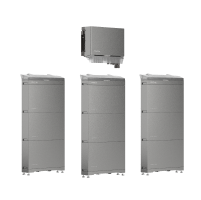
The EcoFlow PowerOcean (Single-Phase) is a perfect partner for this. With a flexible capacity from 5kWh right up to 45kWh, it lets you safely store all that excess solar juice. This doesn’t just boost your self-consumption; it future-proofs your home, making sure your MCS-certified system delivers the best possible value for years to come.
4. Schedule Energy Use to Maximise Savings
Timing really is everything. Using smart plugs and timers, you can schedule the “heavy hitters”—like the washing machine—to run when the sun is out. If you’ve got a battery, you can even “load shift,” which means topping up from the grid on a cheap overnight EV tariff and using that cheaper power during the day.

How to Get an MCS Certificate in the UK
Getting hold of your certificate is a fairly straightforward job, as long as you follow the right steps from the word go.
1. Checking Installer Accreditation on the UK Register
Obtaining your certificate is really a joint effort between you and your installer. Here is the best path to getting everything certified:
Select an Accredited Installer: First things first, you’ve got to pick a firm that’s MCS-registered for whatever you’re installing. Before you commit to anything, just nip onto the official UK register and verify their contractor number to be on the safe side.
Choose MCS-Approved Products: It’s what we call a “double-lock” system; the installer and the kit (panels, heat pumps, etc.) both need that MCS stamp of approval. Usually, the installer sorts the gear out, but it never hurts to double-check the specs yourself.
Installation & Compliance: Your pro will fit the system following the MCS rulebook. For a typical British house, this means they’ll do the legwork on things like roof wind-loading or ensuring the battery management system is configured for maximum safety and efficiency.
Commissioning & Handover: Once the gear is up and running, the installer will test it all and give you a Handover Pack. This is basically your “bible” for the system, containing your manuals, warranties, and the commissioning certificate.
Registration on the Database: Your installer then has 10 working days to get everything registered on the MCS Installation Database (MID). That’s what triggers your unique certificate.
Receive Your Certificate: When the final MCS Certificate arrives in the post or your inbox, tuck it away somewhere safe. It’s the golden ticket you need for your SEG payments and a must-have for any future house hunters if you ever sell up.
2. Keeping Your MCS Certificate Valid Over Time
The certificate doesn’t really have a “use-by” date, but it only covers the system in its original state. If you start messing with the setup or adding unapproved bits, you might need a new inspection to prove it still meets the standards for the SEG.
Schedule Your Free Consultation Today!
What kind of product or solution are you interested in?

Conclusion
An MCS certificate isn’t just a formality; it’s the backbone of a high-quality renewable system. It’s essential for unlocking grants and export income, and it ensures your home is running efficiently. By pairing a certified setup with smart monitoring like the PowerInsight 2 and a robust home battery storage solution like the PowerOcean, you’re moving beyond just “going green” and taking total command of your energy future.
FAQs
1. How much does a MCS certificate cost?
The registration fee for an MCS certificate is only around £35 plus VAT for the installer, which is usually included in your quote. It’s the final step of the process, not something you should be paying hundreds of pounds for as a standalone item.
2. How do I get a copy of my MCS certificate?
If you need a duplicate, contact your original installer first. If they’ve stopped trading, the MCS Helpdesk can provide a copy for a small admin fee (roughly £25), provided the system was registered on their database when it was fitted.
3. Do Octopus Energy require a MCS certificate?
Yes, Octopus and almost all UK providers require a valid MCS certificate for tariffs like “Outgoing Octopus” or the “Fixed SEG.” It’s their way of verifying that your system is safe to connect to the grid.
4. Is an MCS certificate the same as building regulations?
Keep in mind that MCS and Building Regulations are separate. While Building Regs (like Part P) ensure the work is structurally and electrically sound, MCS is specifically there to certify the quality and efficiency of the renewable technology itself.
5. Is MCS a legal requirement?
Is it a legal requirement? No. But it is practically mandatory if you want to see a return on your investment. Without that certificate, you lose out on government funding and export payments, which significantly drags out your “break-even” point.

