
In Roof Solar PV Panels for UK Homes: Everything You Need to Know
Notice anything new about the roofs in your neighbourhood recently? There’s a new look appearing on UK roofs: in-roof solar. Unlike the old-school panels that look a bit stuck on, these sit flush with your tiles for a much cleaner finish.
In this guide, we're diving into the world of integrated solar. We’ll explain the difference between these and the standard "bolted-on" panels, and help you figure out if they're right for your property. Plus, we’ll show you how to link your roof up with modern battery and heating tech to make your home as energy-efficient as possible.
What Is In-Roof Solar and How Does It Work?
Before we get into the technical bits, it’s worth understanding that 'in-roof' (or integrated) solar isn’t just a different way of sticking panels on your house; it’s a fundamental change in how your roof actually works.
1. Integrated vs. Traditional On-Roof Systems
Traditional solar systems usually involve bolting panels onto your tiles using a metal frame. In-roof systems are different—they're installed as a structural part of the roof. While traditional panels are simpler to add to an old roof, the integrated look is far more "flush" and is a massive trend for UK home extensions right now. Understanding how solar panels are installed in this way is key to appreciating the structural difference.
Price-wise, you’re looking at £6,000–£7,000 for a 4kW traditional kit. An in-roof system might look pricier at £7,500–£8,500, but once you factor in the £1k–£1.5k saving on roof tiles, the numbers really start to stack up if you're doing renovation work anyway.
2. Replacing Roof Tiles with Solar Panels
With an in-roof setup, the panels themselves become the roof's outer skin. You simply swap out the tiles in a set area for the solar modules. This allows you to knock a chunk off your tiling bill, which makes it a bit of a no-brainer if you’re already midway through a re-roofing project or building an extension.
Although the initial price tag for integrated solar is a little higher, the long-term savings really stack up. Once you account for the tile savings and the boost in "kerb appeal," these systems usually pay for themselves in 7 to 9 years—particularly if you’re using a battery or heat pump to use as much of that power as possible. Since the panels are built to last over 25 years, you’re looking at more than a decade and a half of "free" electricity.
3. Hidden Airflow and Ventilation Channels
People often ask if these panels get too hot since they sit flush with the roof. Actually, the latest designs have built-in air gaps underneath the kit to keep things ventilated. This constant airflow stops the panels from 'cooking' and keeps them working perfectly, even when we get a rare heatwave or a particularly baking August day.
Is Your Property Suitable for an In-Roof Installation?
In roof solar pv panels look great, but it isn’t always a simple 'swap' for every house. It’s worth doing a bit of digging into your home’s structural condition first to ensure is my house suitable for solar panels before starting.
1. Check Roof Angle and Sun Exposure
For the best performance over here, you’re ideally looking for a south-facing roof at about 35°- 40°angle. However, plenty of people are now opting for an east/west setup. It’s a smart move for integrated solar because it spreads your generation out across the day, helping you cover both the breakfast rush and the evening wind-down.
2. Test Rafter Strength for Extra Weight
You might be getting rid of the tiles, but the solar kit and frames aren't exactly light. You really need a professional to check that your roof timbers can handle the load, particularly with period properties. Victorian and Edwardian terraces weren't always built with modern additions in mind, so a quick check now saves a lot of bother later.
3. Inspect Existing Tiles and Batten Condition
Since you're integrating the panels directly, the rest of your tiles have to be up to scratch. If the battens are rotting or looking a bit fragile, it’s worth getting them sorted before the solar team arrives. Replacing them early saves a lot of faff later and ensures the whole roof stays dry.
4. Measure Edge Clearance for Drainage
You can’t just cover every square inch of the roof in solar; you need to leave a bit of a "margin." A professional installer will make sure there’s enough clearance at the eaves and the ridge to let rainwater flow naturally into your gutters. This prevents water from pooling around the edges of the panels, which is the last thing you want when it’s tipping it down.
How to Select the Right Hardware to Match Your In-Roof System
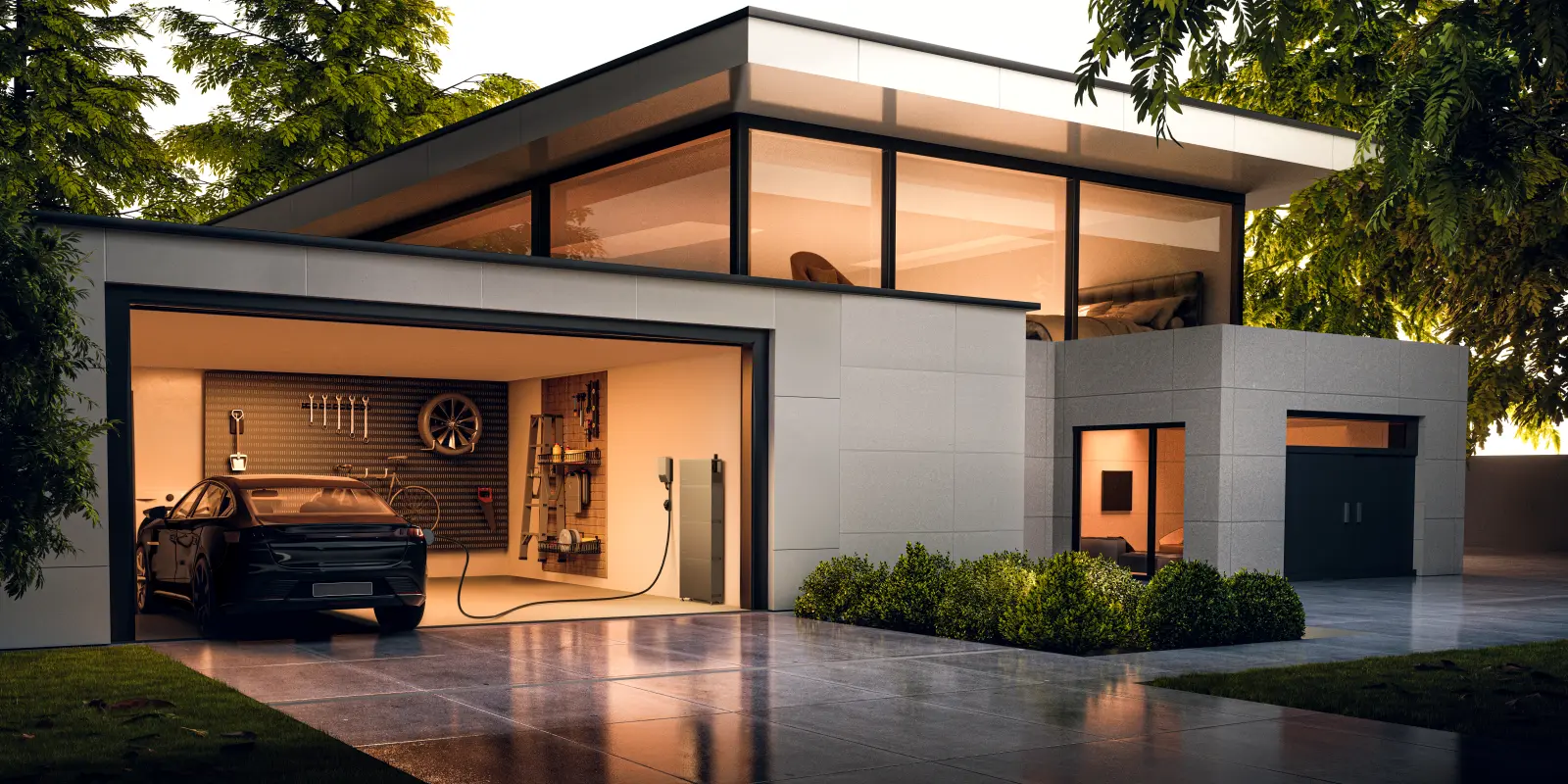
Now your roof is ready, you'll need a battery to act as the "hub." It’s the only way to bottle your solar power so you aren't stuck paying for grid energy the moment the sun goes down. Investing in a home battery storage system is essential to maximise the potential of your solar roof.
1. Sizing Battery Modules for Your Energy Demand
Generation is one thing, but storage is what makes the system work. A typical 4kW in-roof array in the UK will produce roughly 3,400–3,800 kWh annually, meeting roughly around 70-80% of a home's needs. You need to size your battery based on your "evening peak"—if you’re doing the washing and charging the car at night, you’ll need a bigger reserve. A 10–13 kWh battery is the standard partner for a 4kW system, often providing enough power to stay grid-free for a day or two.
For many homeowners, finding out how to store solar energy effectively is the final piece of the puzzle. That said, hardware choice isn’t just about capacity—it’s about matching the streamlined nature of an in-roof system. To truly maximise this setup, you need a storage solution that mirrors the roof’s efficiency and aesthetics. There’s no point having a sleek, integrated roof if you end up cluttering your utility room or garage with a bulky, industrial eyesore.
2. Optimising Energy Autonomy with Stackable Storage
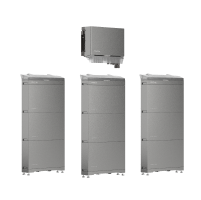
If you’re looking to save as much space as possible, the EcoFlow PowerOcean(Single Phase) is a bit of a game-changer. It’s been built for the standard UK house and uses a stackable kit that can be tucked away in a garage or utility room without taking over. It looks smart and matches the "clean" look of an integrated roof perfectly. More importantly, it’s got the muscle to handle your whole home; you can have the oven, the dishwasher, and the kettle on at the same time without needing a penny’s worth of electricity from the grid.
3. Decarbonising Your Heating With Air Source Heat Pumps
Electricity is only half the story; heating is the real challenge for British homes. EcoFlow PowerHeat tackles this by using your solar energy to warm your house through advanced air source technology. Especially in our damp winters, it’s a far cleaner alternative to a traditional gas boiler. If you’re looking to skyrocket your EPC rating and slash your emissions, pairing"In-roof PV + Heat Pump" is the smartest move you can make.
4. Ensuring Weatherproofing and Safety Standards
As part of the roof's structure, these panels must comply with all the latest UK safety and fire regulations. Don't settle for anything less than MCS-certified hardware. It’s the only way to ensure the system is properly up to the job of handling high winds and heavy rain, year in and year out.

How Should You Plan Your In-Roof Solar Installation?
Ready to get the ball rolling? A bit of planning now ensures your 3 to 5-day installation is plain sailing from start to finish.
Tracking Your Daily Usage: Use a smart meter to see when you use the most power. This helps your installer size your system correctly.
Aligning with Your Installer: Ensure your installers have handled in-roof kits before. The flashing needs a bit more care than a standard job to make sure it’s properly weathered and doesn't end up with any leaks down the line.
Protecting Your Roof and Hardware: Confirm your home insurance covers the new panels. Most UK insurers view integrated solar as a permanent part of the building structure.
Preparing for the 3-Day Installation: Unlike on-roof systems that take a day, integrated systems usually take about 3 days because of the tiling work involved. Be sure to clear some space on the drive for the scaffolding and the kit!
Schedule Your Free Consultation Today!
What kind of product or solution are you interested in?

Conclusion
In roof solar pv panels are a fantastic choice for anyone wanting the perfect mix of form and function. They give you a sleek, flush finish that keeps your home’s kerb appeal intact while generating the green energy a busy home requires. When you combine an integrated roof with clever storage like the EcoFlow PowerOcean and efficient heating like PowerHeat, you’re doing more than just adding solar—you’re protecting yourself from the next energy price hike. A standard UK 4kW system can cut your CO₂ emissions by nearly 2 tonnes a year, which is basically the same as getting one car off the road. It’s a smart investment that looks the part and does its bit for the planet.
FAQ
1. Are In Roof Solar Pv Panels as Efficient as Regular Solar Panels?
Yes, in terms of performance, they’re basically just as good as the old-school panels. People worry about heat, but the modern in-roof kit is properly vented to keep the air moving. This means you still get plenty of power even when the sun is out in full force during the summer.
2. Does My Home Value Increase After Installing Integrated Solar Panels?
Almost certainly. Improving your EPC score is a huge plus for any valuation, and the aesthetic side can't be ignored. When people are eyeing up a property, they usually go for the sleek, flush-fit look over traditional racks, seeing it as a high-end feature that’s built to last.
3. What Appliances Cannot Be Used With Solar Power?
Technically, you can run pretty much anything, but high-drain kits like your oven or a power shower can be a bit much for panels alone. Without a battery to bridge the gap, these "energy-hungry" appliances will often outpace what the sun is producing, so you’ll find yourself pulling the extra "juice" from the mains.
4. What Is the Most Efficient Solar Panel in the UK?
Monocrystalline panels are the best bet for our climate. They are far more effective at picking up power on those classic grey, cloudy days than the older polycrystalline kit, making them ideal for getting a decent return from your roof all year round.
5. Can I Achieve Energy Independence With a 10kW In-Roof Solar and Battery System?
During the sun-drenched summer months, a 10kW system paired with a robust storage solution can indeed bring you close to 100% self-sufficiency. However, given the UK’s shorter winter days, solar generation will naturally decrease.
Pro Tip for Winter Savings: To bridge the gap, you can utilise Time-of-Use (ToU) tariffs such as Octopus Flux. Even when the sun isn't shining, you can program your battery system to "top up" from the grid during the super-off-peak window (typically 02:00 – 05:00) when electricity prices are at their lowest. You then use this stored, cheap energy to power your home during the expensive daytime and evening peaks (16:00 – 19:00). This "buy low, use high" strategy ensures your energy bills remain minimal even in the depths of January.A great way to keep costs down in winter is to use aYou’re essentially "gaming" the system to keep your outgoings as low as possible, even in the middle of winter.
6. How much CO₂ can I save with an in-roof solar system?
A standard 4kW in-roof setup can shave about 1.7–2.0 tonnes of CO₂ off your annual footprint, depending on which way your roof faces. It’s a brilliant way of doing your bit for the planet while helping the UK get closer to its net-zero targets.

