
How Much Electricity Does a Washing Machine Use?
With living costs in the UK remaining stubbornly high, many of us are starting to wonder if our most-used appliances are secretly hiking up those energy bills. Take the washing machine—it’s the absolute workhorse of the British home, isn't it? It's usually the first thing we suspect when a heavy laundry day rolls around. If you’ve found yourself staring at your latest bill and asking how much electricity a washing machine actually uses, you’re onto something.
Identifying this is one of the best ways to cut down your household spending. This guide gets into the real cost of every cycle, showing how a few small changes can make this essential chore much lighter on your wallet.
Average Electricity Consumption of a Washing Machine
Figuring out what your washer actually costs to run is the best way to stop throwing money down the drain. The numbers below show what a single wash really sets you back and how that adds up over a year. To be honest, it’s a bit of an eye-opener once you see the total.
Typical kWh per Wash Cycle
On average, a standard washer draws about 0.5 kWh to 1.0 kWh per cycle. If you tend to go for a 40°C wash for your cottons, you’ll be at the top end of that range. However, switching to a 30°C "quick wash" or an eco-setting can really bring the costs down, as the internal heater doesn't have to put in nearly as much effort.
To help you see how these settings stack up, a comparison table is provided below.
| Programme Type | Typical Temp. | Illustrative Energy Use |
|---|---|---|
| Eco 40-60 | Variable | 0.5 – 0.7 kWh |
| Cotton Standard | 40°C | 0.8 – 1.0 kWh |
| Intensive | 60°C | 1.3 – 1.7 kWh |
| Synthetics | 30°C | 0.4 – 0.6 kWh |
| Quick Wash | 20°C/30°C | 0.3 – 0.5 kWh |
| Sanitary/Allergy | 90°C | 2.1 – 2.6 kWh |
Monthly and Annual Electricity Use Estimates
Most families in the UK get through four loads of laundry a week. That usually adds up to about 160–200 kWh a year. Based on Ofgem’s 2026 Q1 price cap (around 27.69p per kWh), you're paying about £45 to £55 just to keep the washer going. It’s manageable for some, but keep in mind that larger households—or anyone with a dated, inefficient appliance—will see these figures climb quite quickly.
Factors Affecting Washing Machine Electricity Use
Not every wash costs the same amount. A few different factors decide how much electricity your machine actually draws, and getting a handle on them is the best way to see where your money is going.
1. Washing Machine Type and Load Capacity
While a big 9kg drum obviously uses more power to get spinning than a 7kg one, the real efficiency comes down to how you use it. Generally, running one full 9kg load is cheaper than doing two separate washes in a smaller machine. The trick is to match the drum size to what your household actually needs, while understanding the energy efficiency rating of the appliance to ensure you aren't basically throwing money away.
2. Water Heating and Wash Temperature
It might surprise you, but roughly 90% of your washer’s energy goes solely toward heating the water; the actual spinning uses very little by comparison. While a 60°C or 90°C wash is handy for sanitising towels, it forces the heating element to work overtime. For your daily loads, dropping to 30°C is a brilliant way to slash your power draw. You’ll still get top-notch results with modern detergents, and your clothes will stay in better nick for longer, too.
3. Spin Speed and Cycle Length
Cranking the spin speed up to 1600 RPM does make the motor work a bit harder at the end of the wash, but it’s usually worth it. Because it gets more water out of the fabric, it’s a lifesaver for anyone using a tumble dryer, as you won't have to run that for nearly as long. It’s the same logic with cycle length; those extra-long deep cleans are obviously going to pull more power than a standard programme, simply because the machine is running for longer.
4. Frequency of Use and Household Size
Naturally, if you’ve got a big family or kids who are always in their football kits, your machine is going to be working overtime compared to someone living alone. Running wash after wash puts a fair bit of pressure on your energy bill.
For busy homes, learning how to save energy at home through small daily adjustments is the best way to keep these costs manageable. Because the machine is on so often, even the smallest bad habit, like using a setting that's too hot, can end up costing you a small fortune when you look at your total spend for the year.
How to Calculate Your Washing Machine’s Electricity Cost
To really take charge of your spending, you need to know where the money is going. You don't need to be an expert to work out your machine's energy use, as the numbers are quite easy to find if you know the trick.
1. Reading the Energy Label and Power Rating
Your best bet for accurate info is the UK energy label stuck on your machine. These run from A down to G and give you a specific "kWh per 100 cycles" figure based on the eco-settings. If you divide that number by 100, you’ve got a solid baseline for a single wash. Your actual costs will obviously shift depending on the cycles you pick, but it’s a brilliant starting point for working out your yearly spend.
2. Calculating Cost per Wash Based on kWh
To get a precise figure for your laundry costs, you can do a quick bit of maths at home. Grab your user manual to check the kWh rating for the cycle you’re using, along with the unit rate from your latest electricity bill.
The maths is dead simple: just multiply the cycle’s kWh by your unit rate (p/kWh) to see the cost per load. For instance, if a heavy-duty wash draws 0.9 kWh and you’re paying 25p per unit, that’s 22.5p every time you hit start.
3. Estimating Monthly and Yearly Running Costs
Once you’ve got the cost of a single wash, it’s easy to see what you’re spending over the long haul. Just take that cost, multiply it by how many loads you do a week, and then by 52. Seeing that the yearly total is often a bit of a wake-up call. For most families over here, using an energy bill calculator to see the "big picture" makes it much easier to spot where a few small tweaks to your routine could save you a decent amount of money by the end of the year.
Practical Ways to Reduce Washing Machine Electricity Use
There’s no getting out of the washing, but you can definitely do it for less. A few small changes are all it takes to keep standards high and your bills low.
1. Using Eco and Low-Temperature Programs
Most newer washers have an "Eco 40-60" setting that’s built to save you money. Even though these cycles seem to go on forever, they actually use far less power because they aren't boiling the water.
By taking their time with the soaking and tumbling, they let the detergent do the heavy lifting on stains, giving you a proper clean without the massive energy bill of a fast, hot wash.
2. Washing Full Loads Instead of Partial Loads
Washing just a few bits at a time is one of the quickest ways to run up your bills. The machine doesn't really care how much is in there; it still has to heat the water and turn the drum. Try to hold off until you’ve got a proper load ready to go. By cutting back on those "emergency" small washes, you’ll see your total energy use drop significantly over the course of the year.
3. Timing Wash Cycles with Off-Peak Electricity
For anyone on a tariff where prices change throughout the day, your laundry costs will vary massively depending on the hour. Scheduling your laundry for off-peak periods is an easy win to take advantage of the cheapest electricity rates available. This strategy means even your most power-intensive washes can be done for a tiny portion of the standard daytime price, simply by timing things a bit better.
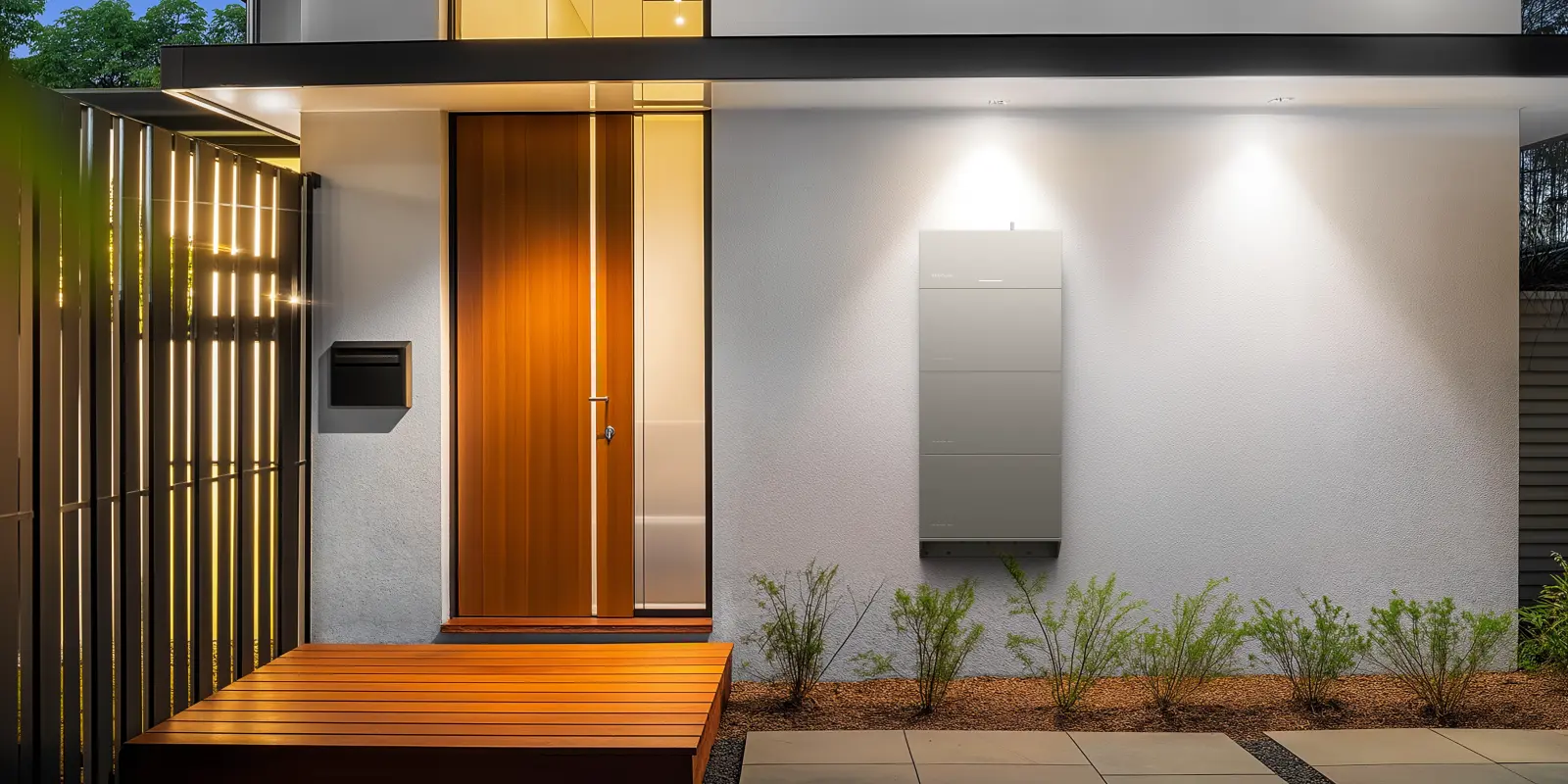
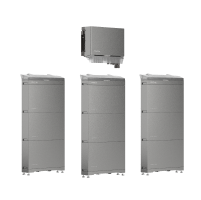
If you want to maximise these savings without losing any sleep, a home battery like the EcoFlow PowerOcean (Single Phase) is a fantastic addition. It can bottle up cheap off-peak power or save up solar energy from earlier in the day to run your washer at any time. This means you can do the laundry whenever you have the time while totally steering clear of expensive peak-hour charges, potentially getting the whole chore done using nothing but free, clean solar energy.
To track energy usage more closely, smart monitors can provide real-time feedback on consumption. Devices such as Ecoflow PowerInsight 2 give instant insights, showing the cost difference between a hot wash and a cooler one. This helps households make smarter choices without waiting for the end-of-month statement.
4. Maintaining the Machine for Efficient Operation
Most of us forget about the actual machine until something goes wrong, but keeping it clean is a massive part of keeping costs down. If limescale starts coating the heating element, it’s like trying to boil a kettle with a thick layer of chalk at the bottom—it just takes way more power to get the water hot.
Getting into the habit of scrubbing the drawer, clearing out the gunk from the pump filter, and running a descaler now and then keeps the whole thing running properly. It saves you a fortune in wasted energy and stops the machine from packing up years before it should.

Is an Energy-Efficient Washing Machine Worth It?
Is a fancy new washer actually worth the spend? It really comes down to whether the lower running costs will eventually cover that higher price tag. Do the math first—otherwise, you might just be paying a premium for a load of high-tech features you don't really need.
1. Comparing Running Costs of Old vs New Models
If your washing machine is ten years old, it’s basically a relic compared to the new A-rated stuff you see in the shops today. Those older models tend to be a bit clunky, gobbling up way more water and electricity for every load than they really should. Modern machines are miles ahead; they’re built to be incredibly stingy with every drop of water and watt of power, which can really take the sting out of your monthly energy bills.
2. Energy Savings vs Upfront Purchase Cost
Paying more for an A-rated washer can feel like a bit of a sting at the till, which puts a lot of people off. However, you’ve got to look at that extra cost alongside what you’re going to save on your bills over the next few years. In the current climate, a more efficient machine is a great way to protect yourself from the price cap shifting. Going for a mid-range model usually offers the best of both worlds, it’s a fair compromise between what you pay now and what you save in the long run.
3. How Long It Takes for Energy Savings to Pay Off
Working out when a new machine pays for itself is a bit of a numbers game. For families with a never-ending laundry pile, the yearly savings on electricity can cover the price gap of a high-end model faster than you might think. If you’re also using a home battery storage like the PowerOcean to stay away from expensive daytime rates, the whole setup becomes even more attractive. You’ll essentially be clawing back that initial investment through much smaller bills, making the upgrade a massive win for your bank balance in the long run.
Schedule Your Free Consultation Today!
What kind of product or solution are you interested in?

Conclusion
Working out what your washing machine actually costs to run is the best way to get your household bills under control. It doesn't take much to make a real difference, just sticking to cooler washes, waiting for a full load, and timing things a bit better can save you a fair amount over the year. Being a bit savvier with your routine today means you won't be in for any nasty surprises when your next energy statement drops through the letterbox.
FAQs
1. How much does it cost to run a washing machine for 1 hour?
You’re looking at about 28p an hour based on the current Ofgem rates. However, that’s just a rough guide. In the real world, though, that price tag shifts based on your settings. A light wash is obviously going to be cheaper, while a heavy-duty cycle could push you closer to 50p. It’s best to think of 28p as your "ballpark" figure, with the actual cost per wash fluctuating depending on the temperature and how much you've stuffed in the drum.
2. Is a cold wash better for energy saving?
It definitely is. Most of the power your machine uses goes into getting the water hot, so a 20°C wash is way easier on your wallet than a 40°C one. In fact, it often cuts the electricity you use by about two-thirds. Since modern pods and powders are built to work in cooler water anyway, you aren't really losing out on cleanliness, you're just stopping your money from going down the drain.
3. What is the cheapest time of day to use a washing machine?
It’s almost always overnight, usually between 12 am and 7 am, especially if you’ve got a tariff like Economy 7. The problem, of course, is that most of us are tucked up in bed then. To get around this, a home energy battery is a total game-changer. It stores low-cost electricity while you sleep, so you can power your machine during the day for the same rock-bottom price, giving you the savings without the hassle of staying up late.
4. Is an eco wash cheaper than a 30 minute wash?
Surprisingly, yes. A quick 30-minute cycle is an energy hog because it has to heat the water in a hurry. Eco modes are the "slow and steady" option, they use less water and lower heat, giving the detergent more time to work. It takes longer, but it's far kinder to your wallet.
5. How often should I clean my washing machine?
Honestly, once a month is plenty. Just run an empty 60°C cycle with some vinegar to kill off any bacteria and clear out the bits you can't see. While you’re at it, give the soap drawer and that rubber bit around the door a proper wipe down. It’s dead simple, but it stops the mould from moving in and making everything absolutely minging.

