
Energy bill calculator: How to estimate your bill based on 2026 grid prices
Rising unit rates, evolving caps, and confusing forecasts make it hard for households to know what their bills might look like next year. This guide breaks things down simply, using an energy bill calculator to show how 2026 grid prices turn into real monthly costs. With a few numbers and the right method, estimating your bills becomes far less of a guessing game.
What a gas and electric calculator actually does
A gas and electric calculator works by taking a few simple numbers and turning them into an estimated bill. The basic formula looks like this:
Final bill = (kWh consumed × unit rate) + (standing charge × days) + VAT/levies.
Here’s a quick example:
Say you use 300 kWh in a month and your unit rate is 30p. That part of the bill comes to £90. If your standing charge is 60p per day, across 30 days, that adds £18. When you include 5% VAT, the total ends up just over £113.
A calculator does these steps automatically. It brings the separate costs together so you can see your estimated bill clearly and understand which parts are driving it up or keeping it steady.
Why 2026 grid prices matter for your estimate
When you’re trying to work out what your future energy bill might look like, the year you base your numbers on makes a real difference. That’s why looking ahead to 2026 grid prices can give you a cleaner, more realistic estimate instead of relying on outdated assumptions.
Here’s why those 2026 figures matter:
They reflect the Ofgem Q1 2026 price cap. It acts as the UK’s baseline for standard variable tariffs. Most households end up tied to this cap, so using these numbers gives you a starting point that’s actually relevant to what you’ll pay.
Wholesale market trends feed directly into retail prices. When the cost of buying electricity or gas on global markets rises or falls, suppliers adjust their unit rates. By checking 2026 projections, you’re essentially peeking at where those wholesale pressures are expected to land.
Network charges may be higher by then. Upgrades to infrastructure and changes linked to the Regulated Asset Base (RAB) model can push up the fees suppliers pass on. Including expected 2026 network costs helps avoid underestimating your total.
Analyst forecasts give useful ranges. No prediction is perfect, but expert models can show likely price bands. Using those ranges helps you build estimates that aren’t just hopeful guesses.
Using smart-meter data for higher accuracy
Smart meters take some of the guesswork out of estimating your energy bill because they show not just how much you use, but when you use it. Instead of relying on a rough monthly total, you get half-hourly readings that reveal your real consumption patterns.
This level of detail matters even more if you’re on a time-of-use tariff. These tariffs charge different rates depending on the hour, so your bill can shift quite a bit if most of your usage falls in a peak window.
With half-hourly data, a calculator can match every chunk of consumption to the correct price, giving you a far clearer estimate than a single average rate ever could. Seasonal and hourly variations also play a role. Winter evenings usually cost more than summer afternoons, and without smart-meter insights, it’s easy to miss these swings.
Using detailed readings helps keep your estimate grounded in the way you actually live.
Schedule Your Free Consultation Today!
What kind of product or solution are you interested in?
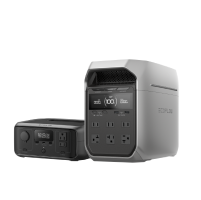
How solar and battery storage factor into your energy bill calculator
Some households don’t just use energy, as they make their own. And once you start generating power at home, the way you estimate your bills changes. Here’s how solar and storage weave into the picture.

Solar self-consumption
When your solar panels produce electricity, and you use it straight away, you import less from the grid. That means the “kWh consumed” part of your energy bill calculator drops. On sunny days, this reduction can be surprisingly big, especially if you run appliances when solar power is strongest.
Battery time-shifting
A home battery lets you store solar energy for later or, in some cases, charge up during off-peak hours when rates are lower. Using that stored energy in the evening, usually a pricier window, helps you dodge higher unit rates. It’s basically moving your usage into cheaper slots without changing your routine.
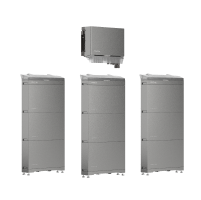
Storage solutions like EcoFlow’s PowerOcean pushes this even further. Its advanced LFP battery pack is built for strong output and dependable safety, protected by a fire-prevention module and an IP65-rated design.
With a 15-year warranty, over 6,000 cycles, and expandable capacity up to 45 kWh, it’s a secure, long-term investment. The whole setup is engineered to be scalable and resilient, giving households more control and a steadier path toward lower bills.
What you need to get your electric estimate bill
Sometimes getting a decent estimate of your upcoming electricity bill just comes down to having the right pieces of information in front of you.
Recent meter readings: Start with your latest readings, whether they come from a traditional meter or a smart one. These numbers show what you’ve actually used, not what someone guessed you used, so they anchor your estimate in reality.
Tariff rates and standing charge: Next, note your tariff detail. The unit rate you’re charged for each kWh and the daily standing charge. These two figures shape most of your final cost, so it’s worth double-checking them on your bill or supplier’s app.
Smart meter CSV data: If you have a smart meter, you might be able to download a CSV file with half-hourly data. This gives any tool a clearer picture of your usage patterns, particularly if you’re on a time-of-use plan.
Historical consumption. Looking at last year’s or last season’s usage can help fill gaps. It shows how your habits change across colder months or holiday periods.
On-site generation or storage. If you’ve got solar panels or a battery, include those details. They reduce grid imports and shift when you rely on electricity, which changes your total.
EcoFlow’s Home Energy Management System (HEMS) pulls all this information into one place. You can monitor devices, track detailed consumption, and optimise when you use or store energy, making bill estimates much easier and far more accurate.
Energy bill calculator UK: Step-by-step estimating process
Estimating your bill becomes much easier when you break the process into simple, manageable steps:
Gather your usage data: Start with your latest meter readings or, if you have one, download your smart-meter CSV file. This gives you the real consumption numbers you’ll base everything on.
Find your tariff details: Check your supplier’s app or last statement for your current unit rate and standing charge. These two figures sit at the heart of any energy bill calculator because they influence almost every part of the final total.
Apply the basic formula: Use the formula above for your bill calculation.
Model different scenarios: If you’re using 2026 forecast ranges, try plugging in low, medium, and high unit-rate predictions. This helps you see how sensitive your bill is to price swings.
Adjust for solar or battery use: If you generate your own electricity or shift usage with a battery, reduce your grid imports accordingly. Evening usage, for example, may be partly covered by stored energy.
FAQ
How often should I update my bill estimate?
It’s best to refresh your estimate every time your tariff changes or when you receive new meter readings. Doing regular updates helps you stay aware of shifting prices, seasonal usage patterns, and any changes in your household consumption habits.
Do peak-time charges affect my estimate even if I’m not on a time-of-use tariff?
Not usually. Peak pricing only applies if your tariff includes set peak and off-peak windows. If you’re on a standard variable rate, your price per kWh stays constant. It means half-hourly demand patterns won’t change your bill calculation.
Can estimated bills help me choose the right tariff?
Yes. Comparing estimates under different tariffs can highlight how much you might save or spend. It can also help you see whether a fixed rate, flexible plan, or time-of-use structure will fit your lifestyle and usage habits more comfortably.
Do electric heating systems change the way I calculate my bill?
The basic formula stays the same. However, electric heating usually consumes more kWh. That means small changes in unit rates can have an effect on your estimated cost, so accurate usage data becomes even more important for reliable calculations.
What if my usage varies a lot month to month?
If your consumption swings up and down, you may use averages from several months, as this will smooth out the peaks. This will give you a steadier baseline and help you avoid overestimating or underestimating your bill when planning ahead.

