
How Much Does a Dehumidifier Cost to Run? A Breakdown of Energy Costs
With Britain’s notoriously damp climate, many homes across the UK rely on dehumidifiers to reduce window condensation, stop mould, and dry clothes more quickly indoors. However, against the background of the ongoing cost-of-living crisis and high energy prices, it’s natural to wonder: How much does a dehumidifier really cost to run?
In this guide, we will explain the running costs of a dehumidifier, what factors affect the electricity use across different models, and how to calculate your own costs based on current UK energy price caps. We will also share practical tips that you can apply in your daily life to help you keep your utility bills under control without compromising on a healthy and dry home.
What Affects The Running Cost of A Dehumidifier?
It is important to understand that not all dehumidifiers are the same. Many factors influence the amount of energy a dehumidifier uses and ultimately, how much it costs to run.
1. Power Consumption Explained: Watts and kWh
The size of a dehumidifier usually refers to its extraction capacity, such as 12L or 20L per day. However, its energy usage is measured in Watts (W).
For example, when you run a 400W device for one hour, it will consume 0.4 kilowatt-hours (kWh) of electricity. Since UK energy bills are charged per kWh, this figure forms the foundation of your energy costs.
2. Dehumidifier Types: Desiccant vs Refrigerant
The type of technology used inside the dehumidifier has a notable impact on energy consumption:
Refrigerant (Compressor) Dehumidifiers: These models are commonly found in homes across the UK. They work similarly to a fridge and are highly efficient in normal indoor temperatures (around 20°C). As a result, they require less electricity to run - usually between 150W and 350W.
Desiccant Dehumidifiers: These models use a heating element to dry a rotating chemical wheel. While they perform well in colder environments such as garages or conservatories, they consume considerably more electricity - often 600W or more.
| Dehumidifier Type | Typical Power Usage | Approx. Cost per Hour (24.5p/kWh) |
|---|---|---|
| Refrigerant (Compressor) | 250W | ~6.1p |
| Desiccant | 650W | ~15.9p |
Although refrigerant models are more common, desiccant models consume considerably more electricity, often 600W or more. If you rely on these higher-powered units to manage severe damp, using home battery storage can help offset the spike in your daily energy consumption by utilising stored off-peak power.
3. Room Size, Humidity Levels, and Daily Usage
Room conditions play a major role in determining the cost of running a dehumidifier. A small unit in a large and damp Victorian terrace house is likely to run continuously, which will inevitably increase the electricity consumption. However, a suitably-sized unit will reach the target humidity faster and automatically switch itself off sooner.
Similarly, higher humidity levels also mean that the machine has to work harder and use more energy over time.
4. Energy Efficiency Ratings and Smart Features
Modern dehumidifiers often include built-in humidistats. They are sensors used to monitor moisture levels and automatically switch the unit off once the desired humidity - generally around 50% - is reached.
Therefore, choosing a model with a higher energy rating, or one with smart features like the “Laundry Mode,” can greatly reduce costs by ensuring the device is only on when needed.

How to Calculate The Cost of Running a Dehumidifier in The UK?
It doesn’t require a maths degree to work out the cost of running a dehumidifier. By following these three simple steps, you can estimate how much it will add to your next electricity bill - whether you’re with British Gas, Octopus, or any other energy supplier.
Step 1: Find Your Dehumidifier’s Power Rating (Watts to kW)
Start by checking the label on the back of your device or the user manual for the “Rated power,” shown in watts (W). To convert watts to kilowatts (kW), divide the figure by 1,000.
Example: A 250W dehumidifier ÷ 1,000 = 0.25kW
Step 2: Estimate Your Daily Usage Hours
Most households don’t run a dehumidifier all day. In a typical UK home, particularly over wintertime, you might run it for a few hours after showering, or when drying clothes inside.
For example, keeping the machine running for 4 hours per day is common. Being realistic about your usage will help you get a more accurate estimation.
Step 3: Calculate The Final Bill Using UK Energy Rates
Use the following formula to calculate your dehumidifier’s electricity cost:
Power (kW) × Usage Time (hours) × Electricity Price (per kWh) = Total Cost
Based on a standard UK electricity rate of 24.5p per kWh (reflecting the current average monthly electric bill in the UK), the example below shows estimated running costs for a standard 250W compressor dehumidifier.
| Usage Period | Estimated Cost (250W Unit) |
|---|---|
| Per Hour | ~6.1p |
| Per Day (8 hours) | ~49p |
| Per Month (8 hours daily) | ~£14.70 |
| Per Year (Winter-Focused: 6 months) | ~£88.20 |
While these steps give you a solid estimate, using an energy bill calculator can help you project your total household spending more accurately based on the latest 2026 grid prices and tiered rates.
Average Dehumidifier Running Costs in UK Homes
Every home is different. Running costs will vary depending on your property type, insulation, and humidity levels - whether you live in a modern London flat or a draughty cottage in the Cotswolds.
1. Small Bedroom or Office
For a single room, a small 10L compressor dehumidifier (approx. 160W) is usually sufficient. Running it for 4 hours per day to keep damp under control costs roughly £4.70 per month.
2. Medium Living Room or Flat
A standard 12L–20L unit (approx. 240W) is often considered the UK's ideal range for everyday use. If run for 6 hours a day throughout winter, you can expect monthly costs of around £10.60.
3. Whole-Home or Continuous Use
In cases of severe dampness, a high-capacity unit may need to run continuously. A 350W dehumidifier operating 24/7 could cost roughly £2.06 per day, or around £61.70 per month.
4. Seasonal Comparison: Winter vs Summer Usage
In the UK, dehumidifier usage normally peaks during winter, when condensation and damp are most problematic. Some people may use dehumidifiers in summer to help relieve hay fever symptoms, yet structural damp is less of a concern in warmer months.
It’s also worth noting that refrigerant, or compressor, dehumidifiers are less efficient in colder rooms, particularly when the room temperature is below 15°C. Hence, they may run for longer in winter than in summer to achieve the same humidity level, leading to higher electricity costs.
Tips to Reduce the Energy Costs for Dehumidifiers
In general, though dehumidifiers are affordable to run, the energy bill can add up over time if they’re not used efficiently. The tips below will help you reduce the dehumidifier running costs while keeping your home dry.
1. Set the Optimal Humidity Level for Energy Savings
For most UK homes, setting the humidistat to 50%-55% offers the best balance. This “Goldilocks” zone is dry enough to prevent mould growth and dust mites, yet not so much that the dehumidifier runs non-stop.
2. Position Your Dehumidifier Properly for Maximum Efficiency
You can improve your dehumidifier’s performance and reduce energy use by placing it correctly. Position your device in a central area of the house with good airflow, such as the hallway, and keep doors and windows closed where possible.
If you’re using a dehumidifier to dry the washing indoors, place it in a small, enclosed room with the wet clothes. This concentrates the moisture, helping the machine work more efficiently and switch off sooner.
3. Use Smart Running Schedules to Lower Electricity Use
If you’re on an Economy 7 or one of the newer dynamic energy tariffs, such as Octopus Agile, running your dehumidifier during off-peak hours can drastically reduce costs - it might cut your energy bill by more than half, depending on your tariff.
4. Use Smart Energy Technology to Cut Running Costs
One of the most effective ways to offset the cost of running domestic appliances is to rethink how you power them.
Store Low-Cost Energy
Home energy storage systems help reduce the cost of running such household appliances as dehumidifiers. For example, a system like the EcoFlow PowerOcean (Single Phase) allows homes to store surplus solar energy generated during the day, or take advantage of cheaper off-peak electricity from the grid overnight on tariffs like Economy 7. This stored energy can then be used to power appliances during more expensive peak evening hours.
Monitor and Automate Energy Usage
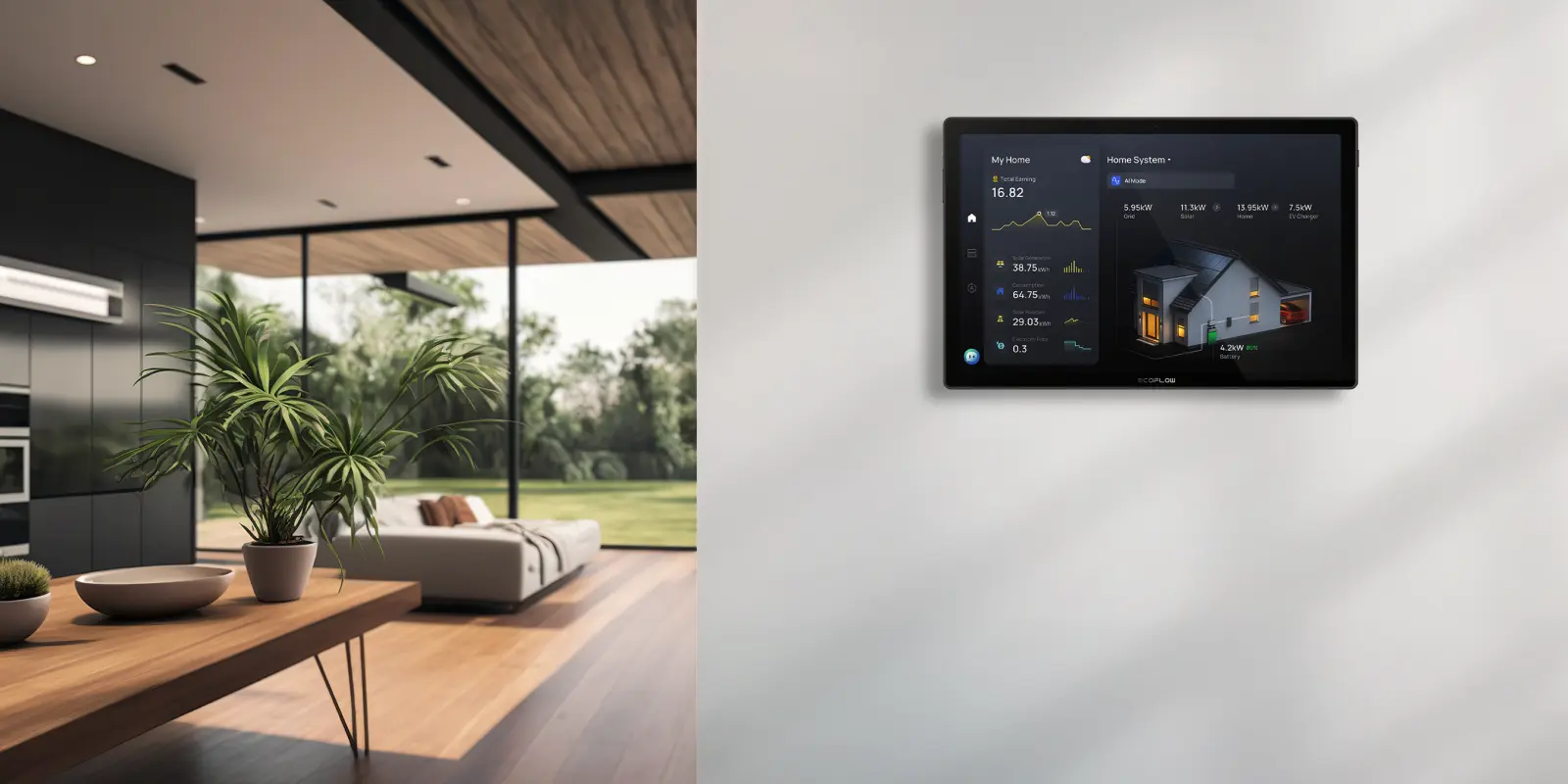
Understanding how electricity is used around the home is key to improving efficiency. A home energy monitoring solution such as the EcoFlow PowerInsight 2 acts as a central hub, enabling users to monitor appliance power usage in real time and set smart automation rules, which ensures your dehumidifier only runs when needed and never wastes electricity.
Schedule Your Free Consultation Today!
What kind of product or solution are you interested in?


Conclusion
Understanding how much a dehumidifier costs to run is the first step to creating a healthier and more energy-efficient home. Though the daily running cost is often less than the price of a cup of coffee, choosing the right dehumidifier model, optimising its settings, and using it mindfully can lead to substantial savings, especially during the long, dark, and damp British winter.
By combining energy-efficient habits with smart energy storage solutions such as the PowerOcean, you can enjoy a warm, dry home without the worry of unexpected energy bills.
FAQ
1. How much does it cost to run a dehumidifier 24 hours a day in the UK?
Based on the average UK electricity price of 24.5p/kWh, running a typical 250W compressor dehumidifier continuously for 24 hours would cost around £1.47. That being said, this is a worst-case estimate. Most modern dehumidifiers are far more efficient - they are fitted with a built-in humidistat, which automatically switches the device on and off once your chosen humidity is reached. This means, in everyday use, the actual cost is often 30%-50% lower than the theoretical maximum.
2. Is it better to run a dehumidifier during the day or the night?
This depends on when your home is most humid and what electricity tariff you’re on. In many homes, humidity levels rise overnight, especially in cooler rooms like bedrooms. Running your dehumidifier at night can therefore be very effective at controlling moisture.
3. Is it cheaper to run a dehumidifier or central heating?
In most cases, running a dehumidifier is cheaper than using central heating. A standard dehumidifier uses around 200-400 watts per hour, while a central heating system can consume several kilowatts. Lowering indoor humidity also helps the air feel warmer, allowing you to turn your heating down slightly without compromising comfort. This can lead to further energy savings over time.
4. Should you have the heating on when using a dehumidifier?
Yes, using a dehumidifier alongside your heating can improve its performance. Warm air holds more moisture, which allows the dehumidifier to remove water from the air more efficiently. In colder rooms, moisture is harder to extract, and condensation is more likely to form. Keeping the room gently heated helps prevent damp, speeds up drying, and supports healthier indoor humidity levels.
5. Where should you not place a dehumidifier in a bedroom?
Avoid placing a dehumidifier too close to your bed or directly against walls. For best performance, the device should be positioned at least 30 cm away from furniture or any obstacle to allow proper airflow. It’s also not recommended to place it near radiators or air vents, as heat can interfere with humidity readings. Always place the unit on a flat, stable surface, away from curtains or bedding, to reduce noise and prevent airflow blockages.

