
Electric Car Charger Installation Cost in the UK: A Complete Guide
Switching to an EV is a smart move, but getting your head around the installation costs can feel like a bit of a minefield, especially with the quirks of our older British houses. If you're wondering how much you'll actually need to shell out to get a dedicated charger on your driveway, you’ve come to the right place. This guide breaks down the typical costs for UK homeowners, explores the factors that can bump up your quote, and offers savvy tips on how to keep those installation fees as low as possible.
How Can You Estimate Your EV Charger Installation Costs in the UK?
Estimating your costs isn't just about looking at the price tag on the box. In the UK, a standard installation typically ranges from £800 to £1,500. This reflects current installer quotes across England and Wales for a straightforward residential setup, assuming no major electrical upgrades are required.
1. Research Hardware and Benchmark Labour Rates
First, decide on the "unit" itself. Entry-level tethered chargers start around £400, while premium smart chargers can exceed £800. For labour, most NICEIC-certified electricians in the UK charge between £40 and £80 per hour, or offer a fixed “standard install” package, based on typical 2025–2026 residential rates. Always get at least three quotes to ensure you aren't paying a "London premium" if you live in the Midlands!
2. Calculate Cable and Conduit Costs by Distance
The physical distance between your consumer unit (fuse box) and the charging point is a major cost driver. EV ultra-thick copper cabling isn't cheap. Most “standard” quotes include up to 10 metres of cabling. If your driveway sits at the far end of a long Victorian terrace, many UK installers charge an additional £5–£10 per extra metre beyond this allowance.
3. Assess Your Fuse Box for Upgrade Costs
If your home hasn't had an electrical refresh since the 90s, your consumer unit might not have the capacity for a high-draw EV charger. An upgrade to a metal-clad, 18th Edition compliant board can add £300 to £600 to your bill. It’s worth popping the cupboard under the stairs to see if you have any spare "ways" or if the board looks like a relic. Understanding how an electricity grid works at the domestic level can help you identify if your home can handle the extra load.
4. Subtract Government Grants from Your Total
While the OZEV EV Chargepoint Grant for single-family homeowners has largely ended, it is still available for flat owners, renters, and landlords (up to £350). Additionally, if you live in Scotland, the Energy Saving Trust often offers further rebates. Always check your eligibility before signing the contract.

What Causes Cost Differences for Electric Vehicle Charger Installation?
No two UK homes are identical, which is why "off-the-shelf" installation prices rarely stay that way. Here are the variables that could shift your final invoice.
1. Distance Between Consumer Unit and Charger
As mentioned, distance is king. If the cable needs to travel through multiple walls, under floorboards, or around the exterior of a detached house, the labour and material costs will climb steadily.
2. Age and Condition of Electrical Panels
Safety is paramount. If your earthing isn’t up to current UK standards, or your main fuse is only 60A, something that’s still very common in older British homes — your Distribution Network Operator (DNO) may need to visit to assess or upgrade your supply.
3. Required Groundwork for Hidden Cable Routes
Do you want the cable hidden under your pristine block-paving? Groundwork is the most expensive "extra." If an electrician has to dig a trench to a detached garage, you’re looking at significantly higher labour costs compared to a simple wall-mount near the front door.
4. Choice Between Standard or Smart Hardware
Under UK regulations, most new domestic EV chargepoints must comply with smart charging requirements—a standard feature in the evolution of home EV stations—including demand-side response and default off-peak charging features. These functions are often the first step for homeowners looking to implement a broader home energy management system to monitor their total household consumption.
However, the level of "smart" varies. Premium units offer better apps, solar integration, and more robust weatherproofing (essential for the British drizzle), all of which carry a higher upfront cost.
How to Reduce Your Installation Cost?
Lowering the cost of going green is all about working smarter, not harder. By choosing the right tech, you can bypass the most expensive parts of a traditional installation.
1. Use Smart Load-Balancing Systems to Avoid Upgrades
Many older UK homes weren't designed for the heavy electrical pull of an EV. A traditional grid upgrade can take months and cost a small fortune. Instead, look for hardware with Dynamic Load Management.
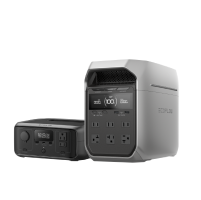
The EcoFlow PowerPulse 2 uses real-time load balancing to prevent circuit overload, allowing faster and safer charging without the need for expensive electrical upgrades. While it can optimise charging and make better use of your existing electrical capacity, it is still important to assess your home’s circuit limits and follow UK electrical regulations to ensure safe and efficient operation.
2. Integrate Energy-Storage Systems to Minimize Space Expenses
Traditional battery storage often involves a "spaghetti" of wires that takes ages for an electrician to install. The more hours they spend on-site, the more you pay.
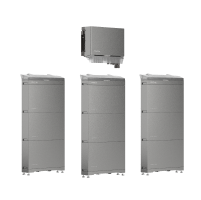
The EcoFlow PowerOcean(Single-Phase) solves this with a modular "stackable" design. Because the batteries click together without extra internal wiring, the installation time is roughly half that of a standard system. For a NICEIC-certified sparky, less time on the job means a much lighter bill for you.
3. Choose Certified Gear to Prevent Re-Inspection Charges
Cutting corners with uncertified hardware is a false economy. If your charger doesn't meet UK regulations, it won't pass the building control sign-off, leading to expensive "re-dos." Always stick to reputable, UK-compliant brands.
4. Stick to Wall-Mounting to Eliminate Digging Expenses
If possible, mount the charger directly onto the brickwork of your house. It’s the quickest, cheapest, and most reliable method, avoiding the need for expensive pedestals or trench-digging across your garden.

How to Successfully Prepare for Your EV Charger Installation?
A little prep goes a long way in ensuring your installation day is a breeze rather than a headache.
Verify Outdoor Power Source Availability: Check where your external power currently sits. Even if you don't have an outdoor socket, knowing where the nearest internal power point is helps the electrician.
Choose the Best Location for Installation: Park your car where you normally would and see where the charging port sits. You don't want to be tripping over a cable every morning.
Clear the Installation Access Path: Electricians hate crawling over boxes of Christmas decorations. Clear the path to your fuse box and the installation site before they arrive.
Check Wi-Fi Signal Strength at the Mounting Point: Smart chargers need the internet to work their magic (and for you to use the app). If your Wi-Fi is patchy on the driveway, you might need a simple Wi-Fi extender.
Schedule a Professional Home Site Survey: Most reputable UK installers offer a virtual or physical survey. This prevents "nasty surprises" on the actual installation day.
What kind of product or solution are you interested in?
Conclusion
Installing an EV charger in the UK doesn't have to break the bank, provided you understand the variables involved. By opting for smart tech like the EcoFlow PowerPulse 2, you can avoid the headache of expensive grid upgrades, while modular systems like the PowerOcean keep labour costs down. With a bit of planning and the right hardware, you'll be topped up and ready for the road for pennies on the pound. For those looking to maximize their savings even further, integrating your charger with home battery storage can provide the ultimate solution for low-cost, sustainable driving.
FAQ
1. Is it worth having an EV charger at home?
Yes, absolutely, as it is significantly cheaper and more convenient than relying on the public charging network. Charging at home allows you to take advantage of "Off-Peak" EV energy tariffs, potentially saving you hundreds of pounds a year compared to petrol or public rapid chargers.
2. Is It Legal to Install Your Own EV Charger in the UK?
No, unless you are a qualified and competent electrician, you cannot legally install one yourself. EV chargers must be installed by a certified professional to comply with Part P of the Building Regulations.
3. Can a normal electrician install an EV charger?
Yes, any qualified electrician can technically do it, but it is highly recommended to hire one with a specific EV chargepoint installation qualification (like City & Guilds 2919). They will be more familiar with the specific earthing requirements and DNO notification processes.
4. Can I take an EV charger when I move house?
Yes, you can, but you'll need an electrician to safely decommission it and make the wiring safe at your old home. In many cases, it’s actually more cost-effective to leave it and use it as a selling point for your property, then install a new, updated model at your next place.
5. What is the lifespan of a home EV charger?
A high-quality home charger should last between 10 to 15 years. Most come with a 3-year warranty as standard, but because they have few moving parts and are built to withstand the British weather, they are remarkably durable.

