
How to Calculate EV Charging Cost: kWh, Tariffs, and Real Bills Explained
Your first electricity bill after switching to an EV can come as quite a shock. Numbers jump around, tariffs shift by time of day, and you're left wondering whether you've actually saved anything. Understanding how to calculate EV charging costs removes the guesswork from monthly expenses and reveals where savings hide.
This guide breaks down the calculation methods, identifies what drives costs up or down, and shows practical ways to reduce spending without changing how much you drive.
Understanding EV Charging Costs in the UK
Unlike petrol prices, electricity costs vary depending on where, when, and how quickly you charge. Two identical vehicles covering the same distance can produce vastly different bills.
Ofgem publishes current price cap figures, whilst suppliers detail tariff structures. Refer to your statement for your particular rate per kilowatt-hour.
1. What a kWh Is and Why It Matters for Your EV
A kilowatt-hour (kWh) measures energy the way litres measure fuel. Your owner's manual states the battery capacity in kWh. Most EVs hold between 40 kWh and 100 kWh. Efficiency ratings show consumption per mile.
Electricity suppliers charge per kWh consumed. Tariffs range from cheap overnight rates to expensive rapid charger fees. Understanding both vehicle consumption and tariff structure allows you to predict costs accurately.
How to Calculate EV Charging Costs
The calculation follows a straightforward formula: energy needed multiplied by tariff rate, adjusted for losses. Following these steps will ensure accuracy. You can even use an energy bill calculator to help estimate how your charging habits will impact your total monthly household expenditure.
Government resources such as the Energy Saving Trust provide calculation tools, whilst manufacturers publish consumption figures.
1. Determine Your EV's Battery Size
Consult your handbook or manufacturer website for battery capacity in kWh. Electric cars sold across the UK typically carry batteries between 40 kWh and 80 kWh. Usable capacity often falls below advertised figures, to protect longevity by preventing complete discharge. This figure remains constant regardless of range claims. Always use kWh for calculations, never estimated miles.
2. Calculate Energy Needed for a Full Charge
Multiply battery capacity by the percentage needing recharge. At 20% charge with a 60 kWh battery, you have 12 kWh stored. Monitor your weekly mileage and convert it using your vehicle's efficiency rating. Vehicle displays or apps show real-time consumption.
3. Apply Electricity Tariffs and Fixed Fees
The 2026 electricity price cap is maintained by Ofgem, which sets the maximum electricity rate and daily standing charge you can be charged. Find your actual rate on your electricity bill or supplier's website. Time-of-use tariffs list separate rates for peak and off-peak periods. Multiply energy needed by the applicable rate.
4. Consider Charging Efficiency and Losses
Chargers lose energy as heat. Home units typically achieve 90 to 95% efficiency, whilst rapid chargers drop to around 85%, so add 8 to 10%. Government guidance provides exact efficiency figures.
Key Factors That Influence Charging Prices
Several factors beyond battery size affect costs. Some are within your control, whilst others require working around constraints. Recognising these factors helps to optimise spending.
Strategic choices around timing, location, and equipment reduce expenses without changing driving patterns.
1. Electricity Tariffs and Time-of-Use Pricing
Standard tariffs charge one rate regardless of timing. Time-of-use structures split the day into price bands to reward off-peak consumption. Shifting charging to these windows can reduce costs by up to two-thirds, saving hundreds of pounds annually. Some suppliers reward daytime charging when renewable energy generation peaks through 'solar hours' pricing.
2. Charging Location and Public Station Fees
Public networks price according to convenience and speed, which means they almost always exceed home costs, whilst motorway services are at the premium end. Supermarket or car park chargers sometimes offer free or discounted rates. Planning journeys around cheaper charging points or utilising subscription services can generate substantial savings.
3. Charging Speed and Connector Types
Faster charging typically commands premium pricing. Ultra-rapid 350 kW chargers cost nearly double what 50 kW units demand. Home 7 kW installations offer the cheapest rates but require several hours to complete a full charge.
4. Vehicle Battery Size and Efficiency
Larger batteries provide extended range but take longer to charge fully. Efficiency ratings vary widely between models. Manufacturer specifications detail consumption. Heavier vehicles drain batteries more quickly, though running costs per mile often balance out. Cold weather reduces range in all EVs by 20% to 30%.
Typical EV Charging Costs in the UK
Actual expenses vary by vehicle and driving behaviour, but having some reference points helps set realistic expectations. Here's what UK drivers might spend.
1. Home Charging Costs for Popular EVs
A Nissan Leaf (40 kWh battery) charged at 28p per kWh costs about 8.8p per mile. A Tesla Model 3 (60 kWh) at the same rate costs 7.1p per mile. Switch to overnight tariffs at 7p per kWh, and those figures drop to 3.1p and 1.8p per mile respectively.
2. Public Charging Costs and Rapid Chargers
Public chargers span a wide spectrum, but networks publish their rates on apps and websites. Free chargers at retail parks cost nothing but charge slowly. Public rapid chargers typically run 65-79p per kWh, meaning a 50 kWh charge costs £35. Some ultra-rapid chargers can reach 85p per kWh, pushing that same charge to £42.50.
3. Monthly Electricity Bills for EV Owners
Monitor consumption through your smart meter or vehicle app. Monthly costs equal miles driven divided by efficiency, multiplied by tariff. Home charging typically adds 25 to 40% to the average monthly electric bill in the UK but delivers substantial savings compared to petrol. Heavy public charging eliminates most savings.
4. Hidden Costs in EV Charging
Installing a home charger costs £800–£1,500 after grants. In some cases, electrical upgrades may be required first. Public charging network subscriptions can reach £7-£12 monthly, and parking fees can stack on top.

Practical Tips to Reduce Your EV Charging Costs
Small adjustments can deliver substantial savings. These strategies work for most UK EV owners without requiring significant lifestyle changes.
1. Choose Reliable EV Chargers for Smart Charging
Standard chargers deliver power when connected, whilst smart chargers can schedule charging for off-peak hours automatically, ensuring access to cheaper rates. They also balance the load across circuits, preventing tripped breakers.
The EcoFlow PowerPulse 2 extends basic scheduling with solar integration and dynamic tariff response. When paired with panels, it prioritises self-generated electricity. Without solar, it monitors prices and delays charging until rates drop.
Its key cost-reduction features include:
Smart Load Balancing: Prevents circuit overload whilst optimising charging speed.
Dynamic Pricing Integration: Automatically adjusts charging times to capture lowest rates.
Ecosystem Integration: Works with solar panels and battery storage to maximise use of self-generated electricity.
MID-Certified Metering: Tracks precise consumption for budgeting purposes.
Multiple Power Options: Available in 7 kW, 11 kW, and 22 kW configurations.
PowerPulse 2 turns charging into an automated process that consistently chooses the cheapest available power source.
2. Combining Home Solar or Battery Storage
Pairing your EV charger with home battery storage can transform cost management. Rather than drawing expensive evening grid electricity, a battery stores cheaper overnight electricity or surplus solar generation.
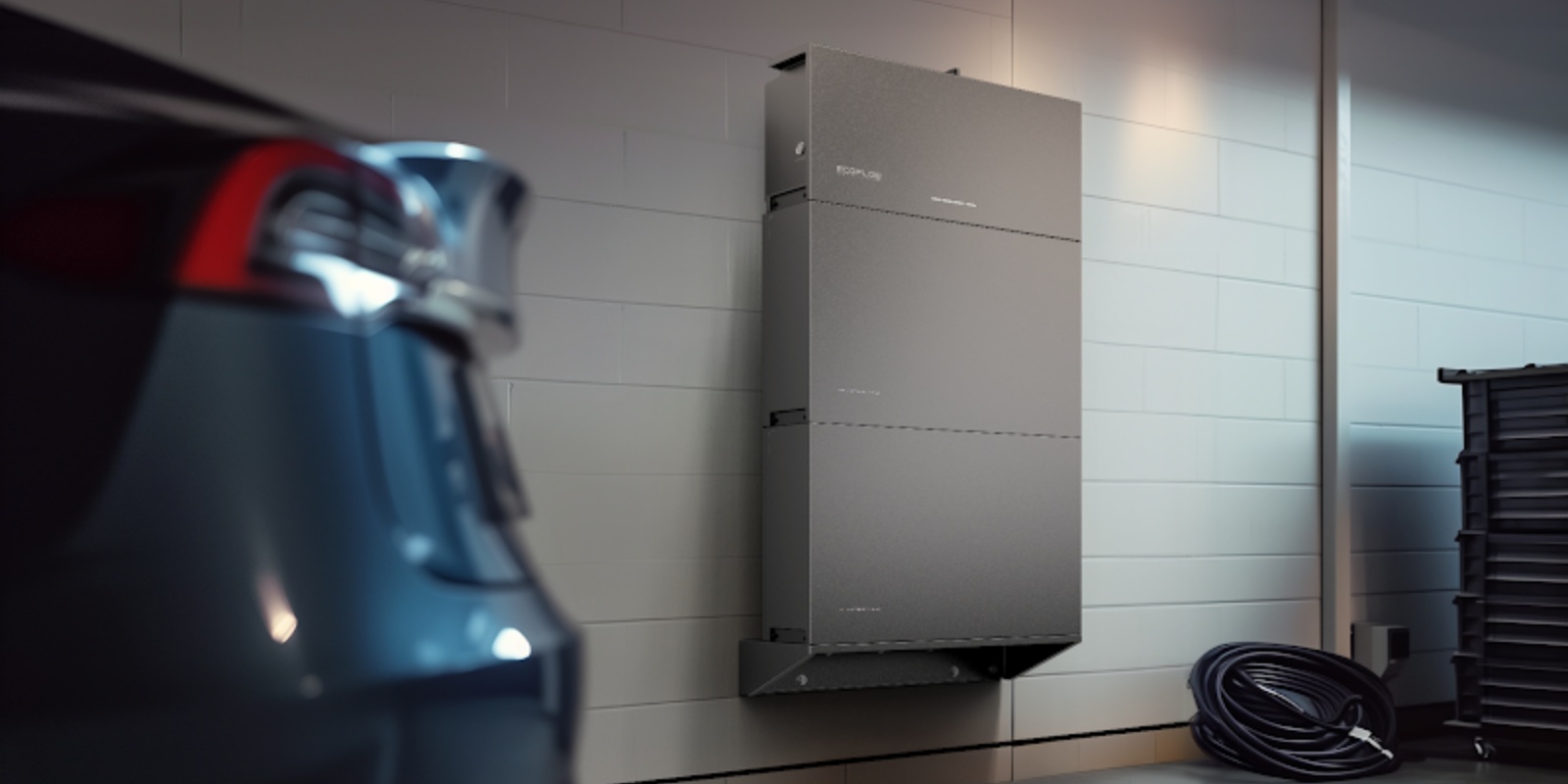
The EcoFlow PowerOcean(Single Phase) home battery system provides flexible storage for residential use, capturing low-cost off-peak electricity or excess solar energy. When you plug in, PowerOcean prioritises stored energy over expensive peak-rate grid power, effectively reducing charging costs.
PowerOcean's key benefits are as follows:
Flexible Capacity: From 5 kWh to 45 kWh, its modular design allows starting small and expanding later.
Rapid Switchover: Keep your important devices powered during community power outages. You won’t even notice the blackout.
Intelligent Load Management: Coordinates with your EV charger and other home appliances too.
15-Year Warranty: Industry-leading policy for long-term reliability.
Households combining storage with solar typically reduce electricity purchases significantly, lowering annual EV charging costs.
3. Plan Charging Around Your Driving Schedule
Charge to 80% for daily use, reserving full charges for longer journeys. This reduces frequency and extends battery lifespan. Precondition the cabin whilst connected to mains power rather than using battery power, avoiding range drain before departure.
4. Comparing Tariffs and Charging Providers
Use comparison websites to evaluate EV-specific tariffs. Factor in standing charges, off-peak durations, and peak rates. Some save £300 annually through better selection. Apps are also available that allow you to compare public network prices. Avoid premium rapid chargers when slower options cost considerably less.
Schedule Your Free Consultation Today!
What kind of product or solution are you interested in?
Conclusion
Learning to calculate EV charging costs removes uncertainty from running an electric vehicle. The process combines straightforward maths with attention to tariffs, efficiency, and location-based pricing. UK drivers benefit enormously from home charging, particularly when paired with time-of-use tariffs and smart equipment. Reducing expenses requires both strategic planning and appropriate technology, yet even behavioural changes alone can deliver meaningful savings. Small adjustments compound over time, transforming EVs into a genuinely economical means of transport.
FAQs
1. What is the 80/20 rule for EV charging?
It means keeping batteries between 20% and 80% for daily use. Both charging beyond 80% and draining below 20% can be detrimental to battery health. This pattern extends battery lifespan by reducing stress from full cycles.
2. Is it cheaper to charge a car at home or a charging station?
Home charging costs considerably less. Public chargers range from matching home rates to six times more expensive. Overnight home charging provides enormous savings compared with rapid public chargers. Reserve public charging for necessary long journeys.
3. How much does it cost to drive 100 miles in an electric car in the UK?
Calculate using your vehicle's efficiency rating and your tariff. Typical EVs consume around 35 kWh per 100 miles. Overnight rates offer the lowest costs, whilst rapid chargers cost several times more. Check your vehicle's onboard computer for accurate consumption data.
4. Can I claim 45p per mile for an electric car?
HMRC allows 45p per mile for the first 10,000 business miles annually, dropping to 25p beyond that. This applies to all vehicles irrespective of fuel type. EV drivers particularly benefit as actual running costs typically range from 4p to 9p per mile, making the allowance generous.
5. Is fast charging more expensive than slow charging?
Yes, significantly so. Rapid chargers command premium prices whilst home chargers cost far less. Rapid charging also generates more heat, reducing efficiency slightly. Reserve rapids for emergencies or long trips where time matters more than cost.

