
What Is Three-Phase Power? A Guide for Australian Homes
Three-phase power is becoming more common in Australian homes as energy demands grow. Many households now need more capacity than single-phase can reliably provide. This is due to electric vehicles, heat pumps, large air conditioners, and home workshops. This guide explains what three-phase power is, how it differs from single-phase, and the real benefits for modern Australian living. It also covers signs you might need an upgrade, typical costs, and ways to make the most of it with energy storage.
What is three-phase electric power?
Three-phase electric power uses three separate alternating currents (AC). Each current peaks at a different time—120 degrees apart. This creates a smooth, constant flow of power instead of the pulsing you get with single-phase. Australia's standard voltage for single-phase connections is 230 volts. A three-phase system's voltage between any two phases (line voltage) reaches 400-415 volts. This higher voltage allows the system to carry much more energy without needing thicker cables.
Visualising the flow is easy—it is like a three-cylinder engine compared to a one-cylinder. This constant rotation makes it far more efficient for heavy-duty motors in air conditioners and pool pumps. It reduces vibrations and prevents overheating in your large-scale appliances.
Key benefits of three-phase power
3-phase electric power provides more reliable and higher-capacity electricity compared to single-phase. This is why it is a great option for contemporary Australian homes that require increasing amounts of electricity. Here are the major advantages.
Higher capacity and efficiency
You can run several high-demand appliances at the same time without issues. Air conditioners, pool pumps, induction cooktops, and home workshop tools all fire up together. No more tripped breakers or flickering lights when everything kicks in.
Better for motors and equipment
Three-phase power ensures that electric motors function in a much smoother manner. This is because it provides a constant voltage, ranging from 400V to 415V. This ensures that there are no vibrations or overheating. This means that your air-conditioning units, pool pumps, and power tools will have a longer lifespan with fewer repairs.
Improved reliability
The balanced loading of three phases maintains constant voltage. You get fewer fluctuations, surges, or dips that can damage electronics such as computers, TVs, and smart devices. All of these will remain protected and work well.
Future-proofing
Three-phase power easily handles tomorrow's demands. Add home automation systems, charge multiple electric vehicles, and install larger solar arrays. Your setup stays ready as your needs grow.
How to determine if you need three-phase power for your home?
Deciding whether to upgrade depends on your energy habits and goals. Many people wonder what three-phase electric power is useful for when their current system seems fine. However, as homes become more high-tech, the demand for a stronger electrical supply grows.
Identify high-demand appliances
If you have a large ducted air conditioner, an induction cooktop, or a rapid EV charger, you probably need additional power. These appliances consume a lot of power and can quickly overload a standard outlet.
Recognise signs of overloaded single-phase power
Watch for clues that your current setup is maxed out. Lights dim or flicker when the AC or oven starts. Breakers trip often during peak use. Appliances run more slowly or take longer to heat. High bills despite careful habits. These point to a single-phase struggle with demand.
Check your current infrastructure
Open your meter box or switchboard. One main switch or breaker usually means single-phase. Three separate poles or a 3-pole main switch signal that the three-phase system is already installed. Your electricity bill or meter label might say "3 phase" or "3P". If unsure, ask your retailer or a licensed electrician for a quick look.
Future-proofing and renovations
If you are planning a major renovation or want to add a large solar battery, upgrading to three-phase power now is a smart move. It is often cheaper to complete this work while other electrical upgrades are already happening.
Tips: How to optimize 3-phase energy storage for maximum energy efficiency
Three-phase power gives you more capacity, so pair it with the right battery system to really cut bills and boost independence. The EcoFlow Home Battery Solutions stand out here—especially for Australian homes on three-phase supply. It delivers whole-home backup while helping you save serious energy on three-phase setups. The battery stores your excess solar energy for later use. It shifts your usage to off-peak times to avoid high rates. It also allows you to consume power during off-peak hours to save on your bills.
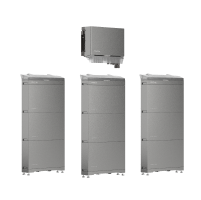
The EcoFlow PowerOcean Solar Battery (Three-Phase) is a reliable hybrid system built for standard three-phase Australian homes. It connects directly to your three-phase circuits. This makes your solar storage much more efficient for your home. It starts with a 5 kWh battery pack and is expandable up to 45 kWh using nine packs. Each battery pack operates at a high 800V nominal voltage. This is possible due to a built-in DC-DC converter that lets packs work independently.
For even higher demands, consider the EcoFlow PowerOcean Plus Solar Battery (Three-Phase). It also runs on an 800V ultra-high voltage system per pack. You start with a 5kWh pack and can effortlessly expand up to 180kWh. This model supports larger solar inputs of up to 40 kW. It also provides a massive 29.9 kW output. This system maintains the same efficient, direct three-phase connection.
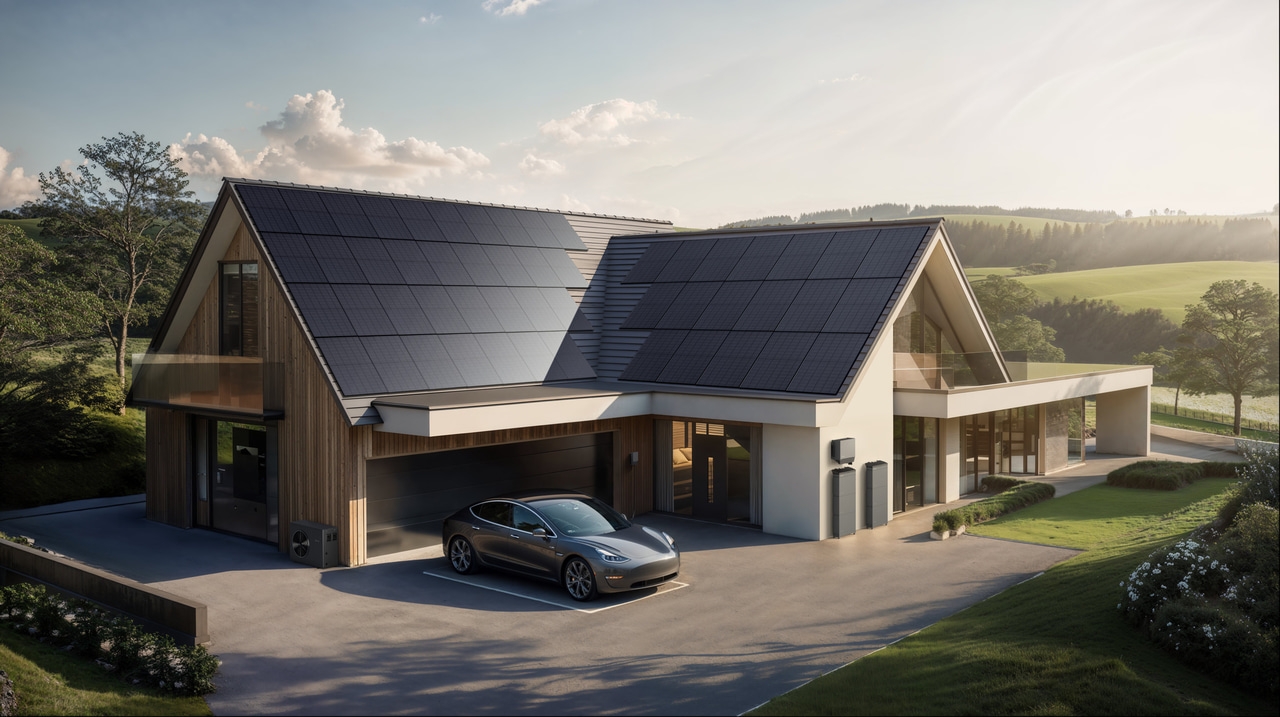
Ready to future-proof your home and slash your electricity bills? Get a solar battery quote to find the perfect three-phase solution for your home.
What kind of product or solution are you interested in?
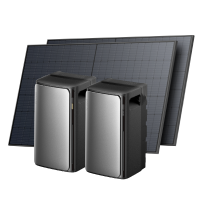
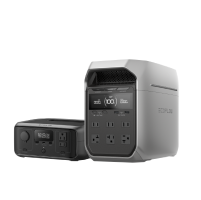
Smart management: EcoFlow Intelligent HEMS
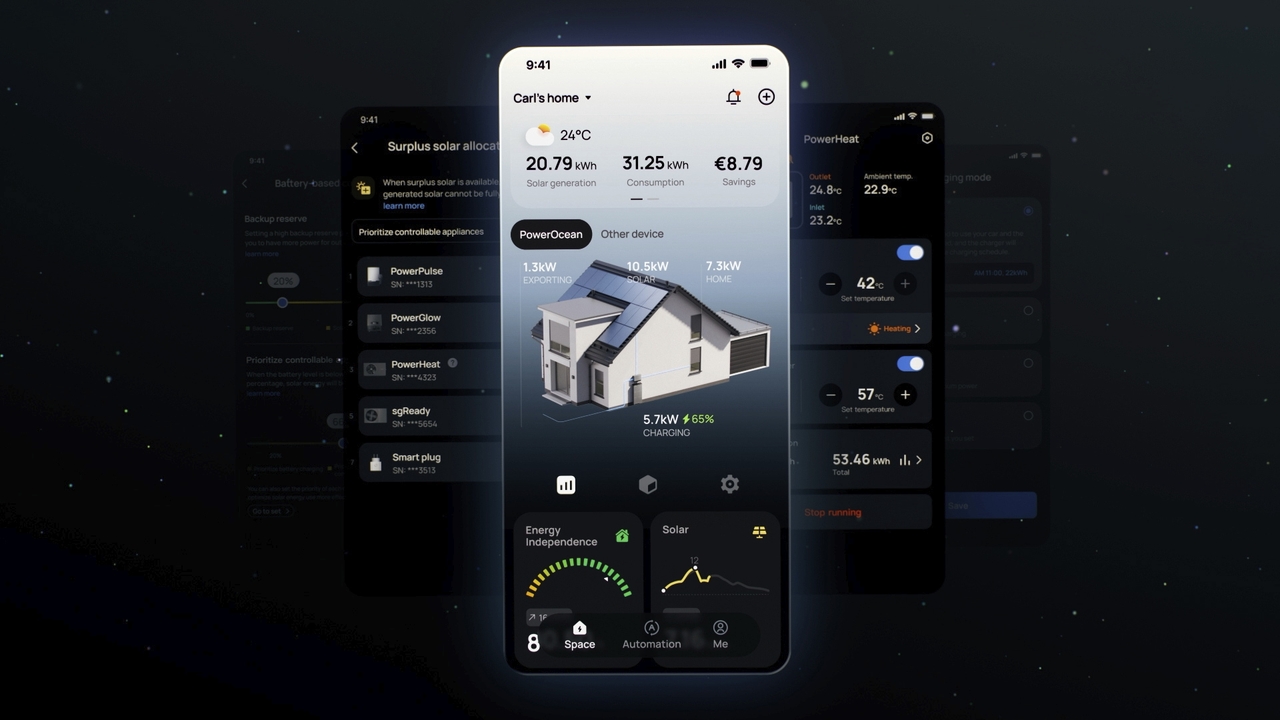
You can take full control of your power using the EcoFlow app to monitor distribution across all three phases in real time. By using the EcoFlow Intelligent HEMS, the system automatically decides when to store energy or power your appliances based on your habits. This smart software ensures that your surplus solar is used where it's needed most, rather than being sent back to the grid for a low credit.
Real-world applications of three-phase power
Three-phase voltage unlocks smoother, higher-capacity power delivery. This makes it perfect for demanding setups in modern homes. Here are some common real-world uses.
High-performance EV charging
Three-phase charging enables charging at 22kW, while single-phase charging only enables 7kW. This means that a standard long-range EV can be fully charged in 3 to 4 hours. This way, your car will be ready to go without waiting all night for a full charge.
Large-scale solar PV and battery storage systems
You can install solar arrays larger than 5kW without facing strict export limits from the grid. Pairing this with a 45kWh EcoFlow PowerOcean system maximizes your energy independence. This setup allows you to store massive amounts of free energy for use anytime.
High-demand appliances and workshops
Run industrial-grade tools or large ducted air conditioners without tripping your main safety switch. This higher voltage supports simultaneous use of induction cooktops, ovens, and pool pumps. It keeps your high-powered gear running cool and efficiently during peak periods.
Modern energy-efficient homes
All-electric living with heat pumps, induction cooktops, smart systems, and home automation runs flawlessly. Three-phase balances loads for fewer fluctuations. Add storage and solar—your home becomes more independent and future-ready.
Costs and considerations for installation
The cost of installing three-phase power varies based on a number of considerations. Homeowners should budget accordingly before embarking on this significant electrical installation.
Upgrading from single-phase to three-phase power in existing properties typically costs between $2,500 and $6,000. Prices for new builds are generally lower because there is no old infrastructure to remove. Overhead supply upgrades are the most affordable option, while underground supply conversions cost more.
Key factors influencing your quote
Distance to the street: Your price will depend on how far you are from the nearest three-phase power line.
Complexity and accessibility: The complexity of the installation and how accessible your land is will also impact the final price.
Switchboard condition: You will definitely need a new switchboard to fit the larger switches.
Overhead vs. underground: Overhead connections are generally the most affordable. Underground connections may require trenching through your garden. If you need an electricity pit, this can cost between $4,500 and $7,000, depending on whether the property is new or existing.
Australian law requires that a Level 2 Accredited Service Provider be used to manage these connections. These accredited electricians have the special training required for safe and legal installation.
Conclusion
Three-phase power gives Australian homes the capacity and reliability needed for modern living. It handles high loads smoothly and reduces equipment wear. This setup prepares you for EVs, solar expansions, and smart systems without constant overloads. Upgrading makes sense if your single-phase setup shows signs of strain. It is also a good idea if you are planning big changes ahead. The investment pays off through fewer trips and better efficiency. It also allows for easier integration with energy storage. The EcoFlow PowerOcean (Three-Phase) pairs perfectly with three-phase setups. It connects directly and balances loads across all phases. The system uses Intelligent HEMS to optimise solar use and cut bills automatically.
FAQs
1. Can I get 3-phase power at home?
Yes, most Australian homes can upgrade to three-phase power if it's available on your street network. Hire a licensed Level 2 electrician, they check availability and submit an application to your distributor. Costs typically range from $2,500 to $6,000, sometimes more for tricky setups.
2. What is the standard voltage for three-phase power in Australia?
In Australia, the standard voltage for three-phase power is 400V–415V. This is much higher than the standard 230V found in single-phase homes. Systems like EcoFlow PowerOcean (Three-Phase) are designed to work seamlessly within these 400–415V three-phase networks.
3. How do I know if my house already has three-phase power?
Check your switchboard or meter box. Look for three main switches, a 3-pole main breaker, or a label saying "3 phase." Your electricity meter might show three-phase symbols or readings. The bill or online account often lists it too. If unsure, take a photo and ask your energy retailer or a licensed electrician—they can confirm in minutes.
4. Will three-phase power reduce my electricity bills?
The upgrade itself won't reduce rates, but it will enable a much larger solar system and battery. By combining three-phase power with an EcoFlow system, you can store much more free solar energy and skip peak grid prices. It is this combination that will result in substantial savings on your electricity bill.
5. Is it worth upgrading to 3-phase power?
If you own an EV, a pool, or a large home with ducted air conditioners, it is definitely worth it. It prevents flickering, trips, and equipment strain while future-proofing your home. For basic use, single-phase might suffice. Costs $2,500–$6,000+, but payback comes from reliability and efficiency gains.

