
Single Phase and Three Phase Power: What's the Difference and Which Do You Need?
Electricity runs our daily lives. We expect the fridge to stay cold and the lights to turn on. We plug things in and forget about them. But not all homes get power the exact same way. Australian homes usually have one of two connection types.
You really need to understand single-phase and three-phase power. People used to ignore their switchboards completely. That has changed. We now have large rooftop solar panels. We park electric vehicles in our garages. We install solar batteries to save money. You must know how your house handles electricity to manage these modern upgrades.
This guide keeps things very simple. We explain these electrical systems without the confusing jargon. You will learn how they work and why local energy networks care. By the end, you will understand the difference between single and three-phase power. You will know exactly which setup works best for your home.
What is Single Phase Power?
Most homes in Australian suburbs use a standard connection. This is called single phase power. It has been the normal setup for decades.
This system brings electricity into your house using two wires. One wire is called the "Active" wire. It brings the power in. The other is the "Neutral" wire. It takes the power back out. This completes the electrical circuit. In Australia, this system runs at a standard 230V. Many Aussies still call it 240V out of habit.
Think of single-phase electric power as a single-lane highway. A single lane works great for normal traffic. Your lights, TV, and fridge are just normal traffic. Power flows smoothly.
Problems happen when you try to drive a massive road train down that single lane. Heavy electrical loads act like road trains. A huge ducted air conditioner is a heavy load. Pushing massive amounts of solar energy back to the grid is also a heavy load. Too much power on a single connection causes a traffic jam.
Local electricity networks know this. Distribution Network Service Providers (DNSPs) manage the grid. They place strict rules on single-phase homes. They want to stop local voltage spikes. If every house pushes massive solar power into the grid at midday, the network struggles. DNSPs usually cap your solar export to 5kW. You might have a big 10kW solar system on your roof. You still cannot send more than 5kW back to the grid at once.
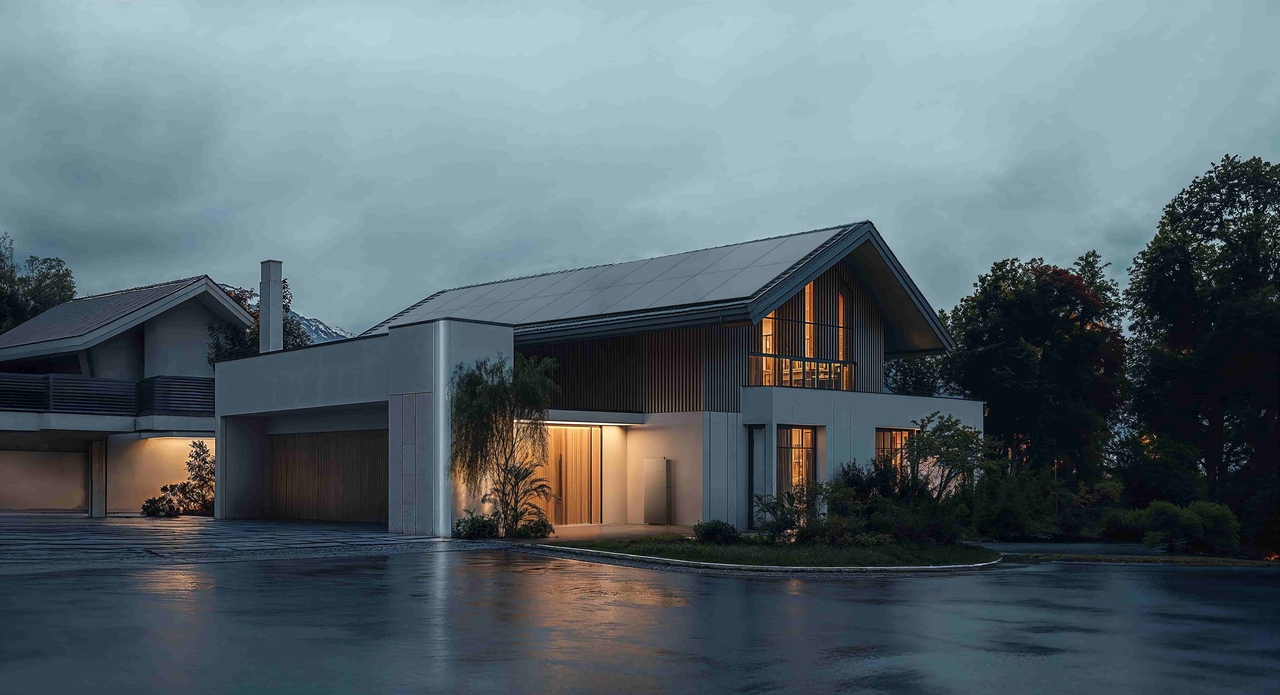
Tips: Smart home energy saving solution (Single phase)
Fixing that 5kW limit by upgrading your street connection costs a lot of money. A smarter choice is storing your extra solar power at home.
EcoFlow PowerOcean Single-Phase Battery
This is the perfect upgrade for standard suburban homes. It connects straight to your current 230V switchboard. You can store your excess solar energy easily. You avoid expensive switchboard upgrades completely.
Key Aspects:
Ultimate Safety: It uses an advanced safety system. You get strong LFP battery tech. It includes a special fire prevention module. The IP65-certified design handles tough weather.
Room to Grow: The EcoFlow PowerOcean includes a 15-year warranty. It uses 5 kWh battery packs, and you can expand the batteries up to 15 kWh on one inverter. This makes it a secure, scalable, and future-proof power investment for your family.
What it Can Power: It's not just about keeping the lights on. It's about maintaining your normal lifestyle without pause. The advanced inverter delivers up to 6kW of continuous off-grid power. Your life stays uninterrupted even during neighborhood blackouts.
Don't get stuck with strict solar export limits. Get a solar battery quote. EcoFlow energy experts can help you pick the right PowerOcean setup for your local grid rules.
What kind of product or solution are you interested in?
What is Three Phase Power?
Australian homes are getting bigger. We use much more electricity now. This is where three-phase systems shine. A three-phase supply is a heavy-duty connection. Large modern homes, farms, and commercial sites use it.
This system uses four wires instead of two. It has three "Active" wires and one "Neutral" wire. It delivers 400V of power across the three active lines.
If a single phase is a single lane, three phase is a three-lane freeway. You can run massive appliances all at once. The power splits across the three lanes. This stops voltage drops. Your lights will not flicker when a big machine turns on.
This setup is becoming very common. You might build a large new home with massive ducted air conditioning. You will probably need it. Homes with fast EV chargers or big heated pools need it too. Workshops running industrial tools require it.
Tips: Large house energy saving solution (Three phase)
Big homes use massive amounts of energy. You need a battery system built for heavy traffic to balance that demand.
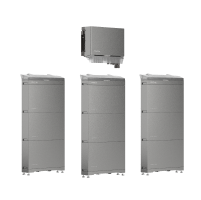
EcoFlow PowerOcean Home Battery
This system keeps large homes balanced. It lets you run your big air conditioner and charge your EV. It does this while keeping your grid connection stable.
Key Aspects:
Start Small, Grow Big: Start building your net-zero home with just one 5kWh battery. You can expand up to 45kWh at all times. Baby steps, big savings!
Smart Design: Every battery pack has a built-in DC-DC converter. Each 800V high voltage pack works independently. The BMS module is integrated into every pack. If one battery malfunctions, it doesn't even hinder the rest.
Built Tough: It is fireproof and weatherproof. It uses robust LFP battery chemistry.
What it Can Power: The rated backup power output is 10kW to 12kW for 60 seconds. It powers the refrigerator, freezer, lights, router, washing machine, microwave, electric stove, and most household loads during blackouts.
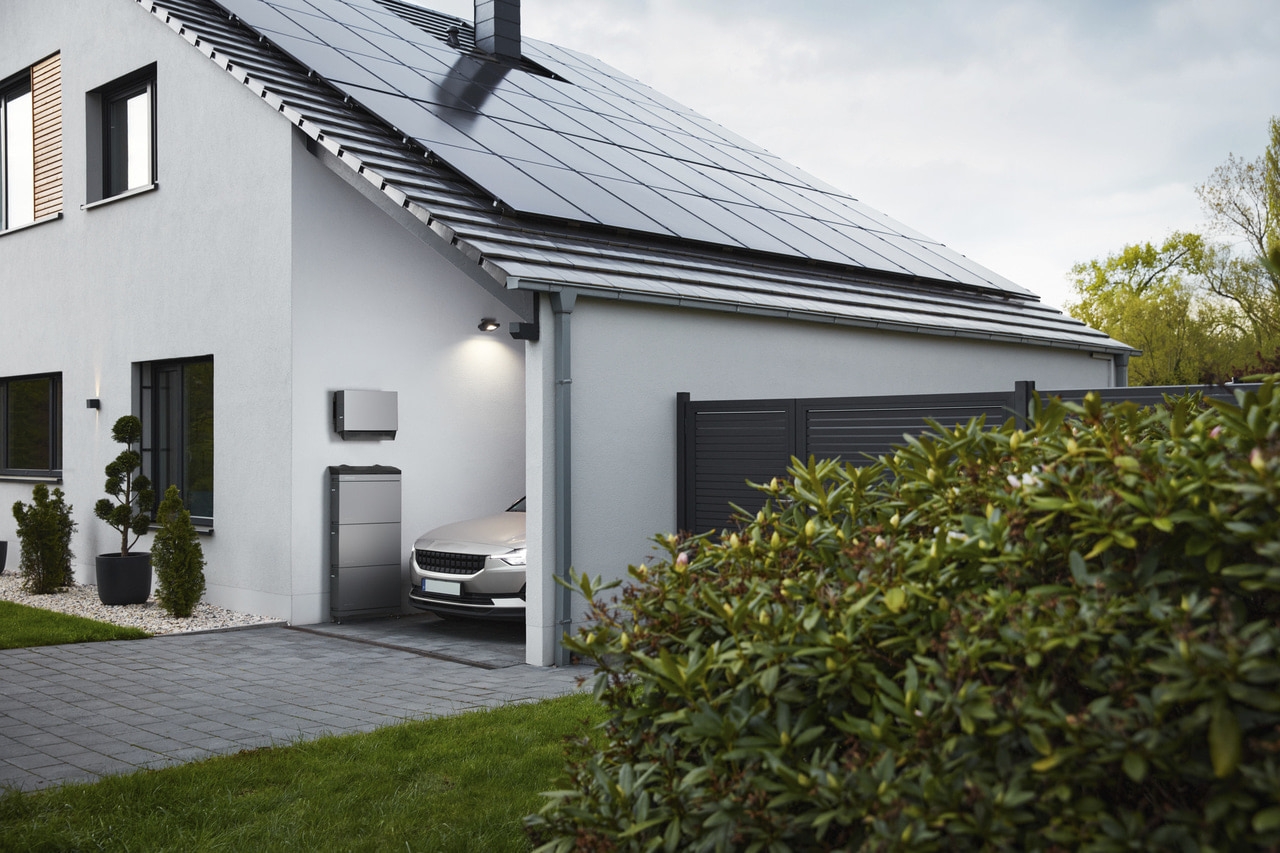
EcoFlow PowerOcean Plus Solar Battery
Some properties have massive energy needs. Complex roofs need special solar setups. The PowerOcean Plus handles these challenges easily.
Key Aspects:
Massive Power: It optimizes solar power for complex roofs. It handles 40kW of solar input and 29.9kW of AC output. It supports dynamic tariffs for maximum power independence and big financial savings.
Easy Expansion: The cutting-edge parallel connection technology is amazing. Start with a 5kWh pack. You can effortlessly expand up to 180kWh. You enhance your energy capacity whenever needed.
Total Control: It works perfectly with all EcoFow home energy Ecosystem products. You get smart monitoring and control of all household appliances using the EcoFlow APP.
What it Can Power: It handles your absolute biggest energy demands effortlessly. The massive 29.9kW AC output runs multiple heavy appliances at once. You can easily power commercial air conditioners. You can run multiple fast EV chargers safely. It keeps your entire property running smoothly without ever overloading the system.
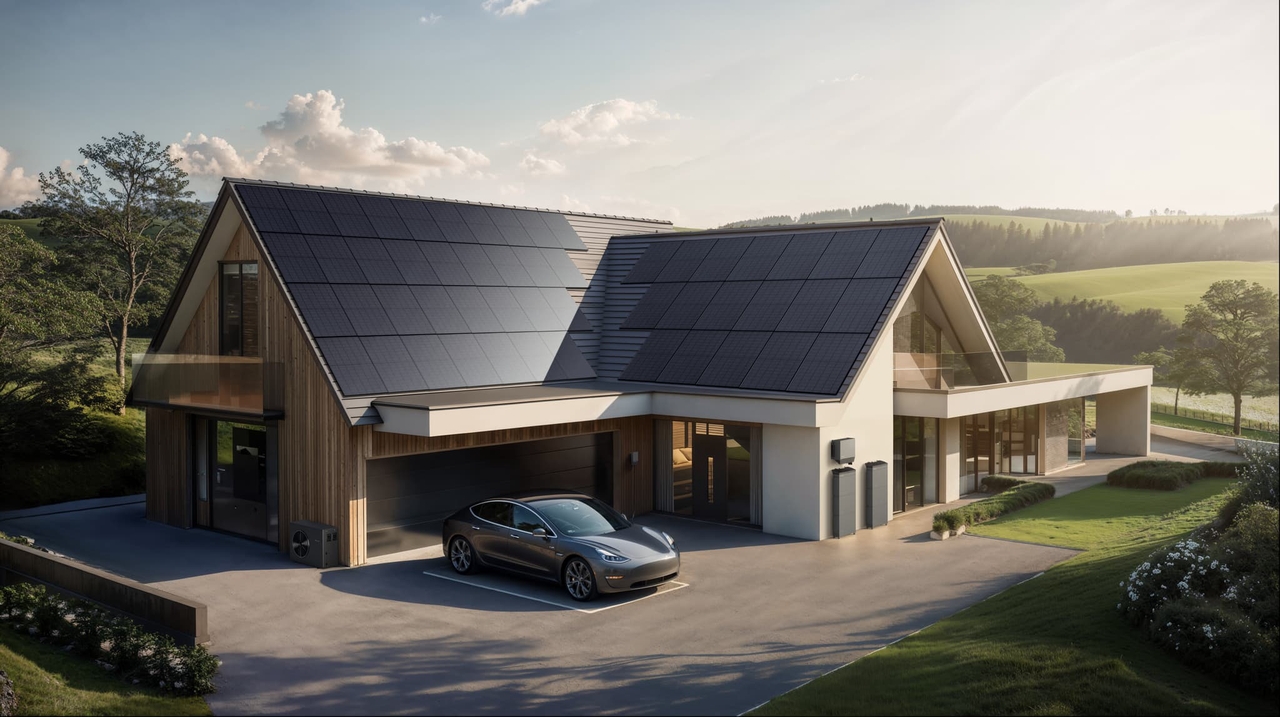
Single vs Three Phase Power: Key Differences
Comparing the two side by side makes things clear. These differences decide what you can plug in. They decide how much solar power you can sell back to the grid.
Feature | Single Phase Power | Three Phase Power |
|---|---|---|
Voltage | 230V | 400V |
Wires | 2 wires (Active + Neutral) | 4 wires (3 Actives + Neutral) |
Consistency | Pulsing power delivery | Constant, smooth power delivery |
Solar Export | Usually capped at 5kW | Up to 15kW - 30kW (depends on network like Ausgrid or Energex) |
Looking closely at single vs 3 phase power, solar export is the biggest deal. A single-phase setup limits your feed-in capacity. A three-phase connection allows much larger export limits. Networks like Ausgrid or Energex might let you export 15kW or more.
Real-World Examples in Australia
Real life examples make the single phase vs three phase power choice much easier to see. Here is how your connection type changes your daily routine
The "Solar Limitation" Problem
Imagine you buy a big 10kW solar system. You want to wipe out your power bills completely. On a single phase connection, the grid operator caps your export at 5kW. On a cool, sunny day, your house uses almost zero power. Your panels make 10kW. Only 5kW goes to the grid. The other 5kW gets completely wasted. With three phase power, you export the whole amount. Your return on investment improves instantly.
The EV Charging Speed
Electric vehicles sit in driveways all over Australia today. They need serious power to charge fast.
Single Phase: You get limited to about 7kW charging speeds. This adds roughly 40km of range per hour. It works fine for slow overnight charging.
Three Phase: You unlock super-fast 22kW charging speeds. This adds over 120km of range per hour. Families with two EVs or long daily commutes really need this speed
Air Conditioning
Aussie summers get brutally hot. Big homes rely on "whole home" ducted systems. These machines have giant motors inside. Small ducted units run fine on single-phase. The truly massive ones require three-phase power. A big motor runs smoother and quieter on a steady 400V supply. When testing 3-phase vs single-phase power for cooling a big house, the larger system wins easily.
How to Identify Your Phase (DIY Check)
You do not need an electrician to check your house. You can usually find out by looking at your meter box. Use these simple checks to spot single phase vs 3 phase power.
The Switchboard Check:
Open your main electrical switchboard. Look for the "Main Switch". This turns off the whole house. Is it a single, thin switch? You have a single phase. Is it a wide switch that looks like three switches joined together? You have three-phase.
The Service Fuse:
Look around your property for the main electricity box. Look for the black service fuses. One fuse means Single Phase. Three fuses mean Three Phase.
The Meter:
Look at your digital smart meter screen. A standard meter shows one reading. A three-phase digital meter often scrolls through different numbers. It might flash "01", "02", and "03" to show the different lines
Conclusion
Knowing how electricity flows helps you make smart choices. Standard single-phase electric power served Aussie homes perfectly for a long time. But times are changing fast. The modern electrified home runs EVs and massive air conditioners. This pushes people towards three-phase setups.
EcoFlow gives you great options. You might keep your single-phase connection or upgrade to three-phase. There is a PowerOcean unit designed to match your home. It ensures you capture every drop of solar energy and secure your family's power.
FAQs
1. How do I know if I have single or three phase power?
Open your main switchboard. Look at the main switch. A single thin pole means you have single-phase. A wide switch with three linked poles means three-phase. You can also count your main service fuses. Three fuses indicate a three-phase connection.
2. How much does it cost to upgrade to 3-phase power in Australia?
Upgrades generally cost between $3,000 and $6,000. Prices change based on your local grid operator and your house layout. If your main switchboard needs a total replacement, the price goes up.
3. Can an electrician install 3-phase?
A standard electrician wires the inside of your house. However, a special Level 2 electrician must connect the new three-phase lines from the street pole to your property. They handle strict utility approvals.
4. Is three-phase electricity more expensive in Australia?
Your daily supply charge from the energy retailer is slightly higher. However, you can run large appliances much more efficiently. You can also export way more solar power. This often makes your total electricity bill cheaper over time.
5. Can I install a 10kW solar system on a single-phase in Australia?
Yes, you can install it. But your local network will probably limit your solar export to 5kW. To stop the rest of that power from wasting away, add an EcoFlow PowerOcean Single-Phase Battery. It stores the extra energy for you to use at night.

