
Solar Power Rebates in Western Australia 2026: Complete Guide
As electricity prices continue climbing across WA, homeowners are seeking smarter energy solutions today. Many families now view solar panels as the most practical way to cut bills. With government incentives, switching to renewable energy has never been more financially rewarding. The solar power rebate WA residents can claim significantly reduces upfront installation costs in 2026.
Federal and state programs together make sustainable power an affordable choice for households statewide. The incentives assist homeowners in saving money and contribute to the clean energy transition in Australia. This guide explains WA's top solar rebates, eligibility rules, and steps to claim your benefits.
What Homeowners Should Know About WA Solar Rebates
Western Australia offers several solar power rebate programs that lower upfront solar installation costs. These involve the federal Small-Scale Renewable Energy Scheme, which gives tradable certificates. By June 2025, over 400,000 WA customers, around 36%, already had rooftop solar on their homes. This uptake shows how rebates and incentives have helped make solar a mainstream choice.
Under the Small‑scale Renewable Energy Scheme, households receive Small‑Scale Technology Certificates for approved rooftop solar installations. These certificates are usually assigned to installers in exchange for a discount on system prices. Emerging battery rebates and changing national policies that have become aware of residential storage can also be used by WA homeowners. Understanding how these federal and state supports work together helps households plan compliant, future‑proof solar upgrades.
2026 Key Solar Incentives: What WA Homeowners Can Claim
In 2026, the main solar panel rebate WA is the federal STC rebate that helps reduce upfront solar installation costs. This incentive is built into quotes, so many households simply see a cheaper system price. On many common system sizes, the national subsidy typically covers around 20 to 30% of the upfront cost. Knowing how this federal support works helps WA homeowners compare options and plan solar upgrades.
Eligibility: Who Qualifies for WA Solar Rebate?
To get solar rebates in WA, your system needs to meet the following requirements:
Systems must be under 100 kW and installed at an eligible WA property.
Only new systems qualify; second‑hand units or reused major components are not eligible.
Approved panels and inverters listed by the Clean Energy Council are required.
Design and installation need to be completed by a Solar Accreditation Australia–accredited installer.
Installation and commissioning have to occur within the scheme dates, with incentives stepping down annually until 31 December 2030.
How Much Can You Save in 2026 With WA Solar Rebate?
In 2026, the solar rebate Western Australia can lower the upfront cost of installing a new solar system for eligible households. You generally see the discount applied automatically in the installer's quote, so you only pay the net price after rebates. The table below shows the example 6.6 kWWA solar rebate saving in 2026:
Item | Amount |
|---|---|
Gross System Cost (6.6 kW) | $8,140 |
Solar Panel Rebate (WA, 2026) | $1,800 |
Net System Cost After Rebate | $6,340 |
Step‑by‑Step Guide: How to Claim WA Solar Rebate
To claim the solar panels rebate WA, simply follow the easy step‑by‑step instructions below:
Step 1. Eligibility Check
The solar system must follow rebate rules, using approved parts and a properly accredited installer.
Step 2. Quote Review
Then, get a written quote that clearly shows how the rebate changes your overall price.
Step 3. Rebate Confirmation
After that, check the quote or contract to confirm the rebate appears as a discount.
Step 4. System Installation
Now, your chosen installer puts the solar panels on your roof and connects everything safely.
Step 5. Rebate Paperwork
Lastly, the installer handles the STC paperwork to let you only pay the lower upfront price.
More 2026 WA Incentives
State-specific help sits alongside the main solar power rebate in Western Australia for many households. Some support programs only apply to certain postcodes or to concession groups. Always check current details with your installer or on the official WA government website.
WA Solar Feed-in Tariffs
You may get money as a result of excess solar energy exported to the grid in your house. The rates of payment are subject to change over time according to the policy of the government and the conditions of its network. In WA, this mainly operates through Synergy's Distributed Energy Buyback Scheme. Check the latest DEBS rates, because future years may offer lower payment amounts.
WA Residential Battery Scheme
This scheme helps households afford home batteries using rebates and sometimes no-interest loans. Eligibility usually depends on location, installer approval, and using eligible battery system models. Available funding is limited, so applications may close once the budget is fully allocated. Review current government updates, as the scheme could pause or end after 2026.
WA Electricity Rebate (Household Electricity Credit)
Many households receive electricity credits that reduce overall power bills during specific periods. The WA Government normally confirms rebate amounts in each annual State Budget announcement. Credits often show up straight on power bills, so people may not need extra forms. Some bills help is only short-term, so check if it still applies after 2026.
Dependent Child Electricity Rebate
Families with dependent children can receive a rebate for lower electricity costs. You should hold an eligible concession card and submit an application as required. Rebate amounts and criteria can be updated when the government reviews concession programs. This support works alongside the solar energy rebate WA and other concessions that can change over time.
Air Conditioning Rebate (via Concessions)
Some concessions help cover electricity costs for cooling during very hot summer periods. Assistance is packaged inside broader programs like the Energy Concession Extension Scheme. Support reduces air conditioning running costs, easing pressure on vulnerable households. Program settings can change, so always check the latest concession fact sheet for updates.
Hardship Utility Grant Scheme (HUGS)
HUGS offers grants to customers facing serious difficulty paying overdue utility account balances. Access usually starts by contacting your retailer and discussing an affordable payment arrangement first. Approved grants are paid straight onto your electricity or water account, reducing outstanding debt. The scheme is ongoing, though grant limits and rules may change with new policies.
Benefits of Installing Solar Panels and Batteries in WA for 2026
In 2026, the solar rebate in Western Australia cuts the upfront cost of panels and batteries. While panels save you money during the day, adding a home battery lets you use that free power at night. By combining both solar and battery rebates, you can maximize your savings and lower your total system cost. The points below outline the main money and lifestyle benefits for WA families:
Lower Power Bills with Smart Solar Storage and Rebates
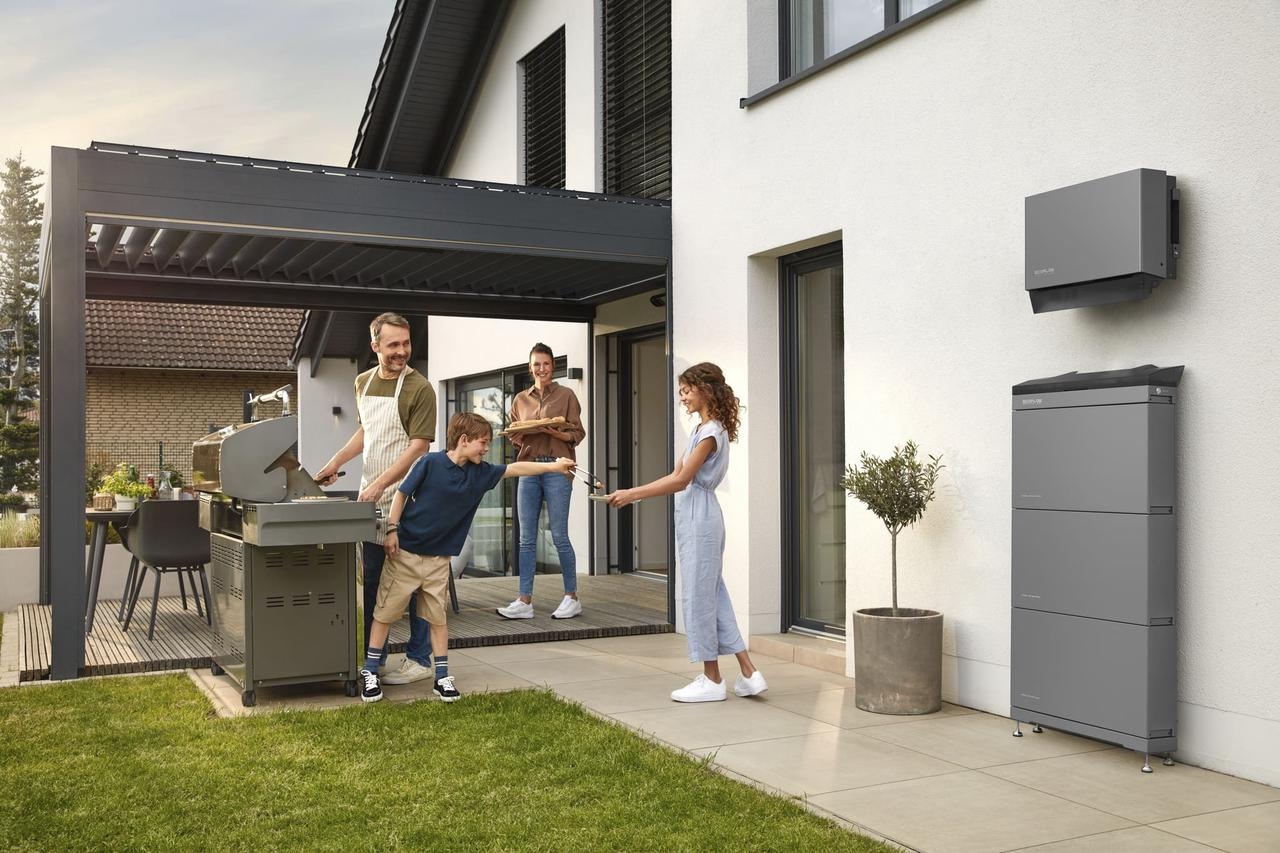
Solar panels generate electricity for your home when the sun is out, helping you save on daily costs. To make the most of this free energy, adding a home storage system like the EcoFlow Home Battery allows you to keep that extra power for use at night or during peak hours. This setup is particularly effective in WA as it qualifies for the federal battery rebate, which helps reduce your upfront expenses. By using the EcoFlow app to monitor your usage, you can easily manage your home's power and gain full control over your bills.
Look at the table below to explore EcoFlow products:
Product | Main Use | Key Features |
|---|---|---|
Home battery for single‑phase houses | Starts around 5 kWh, expandable storage up to 15 kWh on one inverter; LFP cells | |
Larger home solar and battery systems | Expandable up to 45 kWh; IP65 rating; rated backup output up to 12 kW |
Ready to see how much you can save? Get a solar battery quote today and talk to EcoFlow energy experts about the best solution for your home.
What kind of product or solution are you interested in?


Protection From Electricity Prices
Electricity prices can change a lot, and solar helps you depend a bit less on those higher grid costs. A battery stores spare solar power during the day and then uses it at night when you need it. This helps keep bills steadier each month, even if it does not remove every price rise.
Comfort and Backup During Outages
A battery can keep some important parts of your home running during a power cut, even if not everything stays on. You can still charge phones and keep a few key appliances working when the power goes out. This is helpful during heatwaves and bushfire seasons, helping you feel a bit more prepared at home.
Less Pollution and Support for Clean Energy
In the production of electricity for your home, solar power does not require any smoke or harmful gases. Consumption of less grid power and more solar power can reduce the amount of pollution annually in your home. With time, this enables the attainment of cleaner air and climatic objectives once you utilize thesolar panels rebate WAto commence.
Conclusion
In conclusion, the solar power rebate WA assists households to reduce initial price of the panels. Knowing the rebates, regulations, and time, it becomes simpler to prepare systems for high savings. The solutions of the EcoFlow home batteries will be able to help with smarter storage and use of the sunny weather in WA. Combined, these supports assist the family in reducing their bills, besides supporting cleaner local energy.
FAQs
1. Does the WA government give rebates for solar panels?
Yes, the state still supports solar panels through the solar power rebate Western Australia. Most households claim this through federal STCs, shown as a discount on quotes. Your installer usually does the paperwork, and you just pay the reduced price.
2. Are solar rebates reducing in 2026?
The main solar rebates step down slowly over time, not suddenly disappearing in 2026. Each year usually means a slightly smaller benefit, based on fewer STCs being created. It still gives strong help in 2026, so installing sooner usually saves more.
3. How much is the WA solar rebate?
The solar energy rebate WA depends on solar system size and your location within the state. For example, a 6.6 kW system in Perth might get around $2,200. Your installer or an online calculator can show your exact rebate amount before you decide.
4. How much should a 6.6 kW solar system cost?
A 6.6 kW system often costs around $4,500 to $7,000 after rebates. The federal solar rebate helps a lot by reducing your upfront costs. While panels save you money during the day, adding a home battery (like EcoFlow) makes your energy use much more efficient. You can also qualify for the federal battery rebate. Combining these two rebates makes it much cheaper to start saving on your power bills all day long.
5. Can we get the WA government rebate on solar batteries if we can't connect to a VPP?
The WA battery rebate normally requires your battery to be joined to an approved Virtual Power Plant. Without a VPP, you usually cannot claim the state battery rebate on a new system. You might still use federal battery support and choose a VPP‑ready option.

