
Solar Rebates in Queensland 2026: How to Cut Your Solar Panel Costs
If you are thinking about cutting power bills and investing in cleaner energy, 2026 is the best year for solar in Queensland. With plenty of sunshine in Australia, installing solar panels has never been more appealing. The government's focus on clean energy incentives means homeowners and businesses can have better savings in solar energy.
Beyond just slashing electricity costs, these rebates help Queensland boost renewable energy. In this article, we will provide all details about the solar power rebates in Queensland.
What are Solar Power Rebates in Queensland?
Solar rebates QLD are financial incentives that help Australian households reduce the upfront cost of installation. These rebates include various incentives, including the Federal Solar Rebate, Queensland Feed-in-Tariff, and Virtual Power Plant Program. The main purpose of these rebates is to reduce the initial out-of-pocket costs so more Queenslanders can move to renewable energy.
Federal vs. State Rebates in Queensland
In Queensland, this support comes from both federal and state levels. Have a look at the quick comparison table for the Federal and state rebates in Queensland:
Level | Program | Summary |
|---|---|---|
Federal | STC Rebate | Reduces upfront cost, the most significant rebate available |
State (QLD) | Supercharged Solar for Rents | Up to $3,500 for eligible landlords installing solar |
State (QLD) | Feed-in Tariffs | Retailer set to export rates, no universal state rebate |
Key Solar Power Rebate Available in Queensland 2026
The Australian government offers subsidies and rebate options to help you pay for rooftop solar. Under its Federal Solar Rebate system, it offers the Small-scale Renewable Energy Scheme, in which most Australian homes and businesses qualify. After installation, you receive a certain number of STCs depending on system size, location, and installation year. Know that STC values gradually reduce each year until 2030.
Eligibility Criteria for Solar Rebate QLD
To get eligible for a solar rebate in QLD, your solar system must meet the following requirements of a Small-scale renewable energy system:
Own STCs generated within the 12 months of installation.
Its panels or inverters are listed on the Clean Energy Council (CEC) list of approved components.
Should meet the Australian and New Zealand standards.
The solar system is designed and installed by Solar Accreditation Australia (SAA).
The system should meet the standards of SAA design and installation guidelines.
Should follow all local, state, territory, and federal requirements.
Must be categorized on a small scale.
How Are the STCs Calculated?
To calculate STCs, an eligible solar system creates STCs from the Clean Energy Regulator. Here, system size matters, and installation postcodes matter as total STCs vary from one system to another. It also depends upon the remaining deeming period until 31 December 2030.
Overall, the STCs are exchanged at the current market value to lower the overall system pricing. For example, a 6.6 kW system in a Zone 3 area with 6 years left might generate approx 54–91 STCs.
Step-by-Step Guide to Claiming Solar Rebate in QLD
In most cases, the solar rebate is built through your solar system installer. Follow the given guide to get a solar panel rebate in QLD:
Step 1. Start by comparing offers from different Australian retailers that use Clean Energy-approved panels and employ CEC-accredited installers.
Step 2. After this, check that the solar rebate discount is already on the quote. Installers usually estimate their market values and subtract them from the sticker price, so you can examine the upfront cost.
Step 3. As you accept the quote, you will be asked to assign the right to the installer or the registered agent.
Step 4. Upon installation of the solar system on your roof, the installer uploads the Clean Energy Regulator's REC Registry and creates STCs on your behalf.
How Much You Can Save on a Solar System in Queensland in 2026
In 2026, a typical Queensland household can easily generate thousands off the upfront cost of solar, and even more if they add a solar battery.
Federal Battery Rebate offers an upfront discount on the purchase and installation of batteries. It reduces the overall capacity of a standard-sized battery by roughly 30%.
Example: A 6.6kW solar system in Queensland might be advertised at around 6,500–8,500 AUD installed before incentives. After using the STC rebate, the out‑of‑pocket cost often lands around 4,000–6,000 AUD. So, if the 10 kWh battery, the federal battery rebate might cut more than 3000 AUD. Totally, it will cut the cost to the 8,000–10,000 AUD range and improve payback by several years.
Benefits of Installing Solar Panels and Batteries in QLD for 2026
After exploring the available solar rebates in QLD, have a look at the key benefits of installing solar panels and battery systems in Queensland in 2026:
Combining Panels With a Battery System Increases Rebate Potential
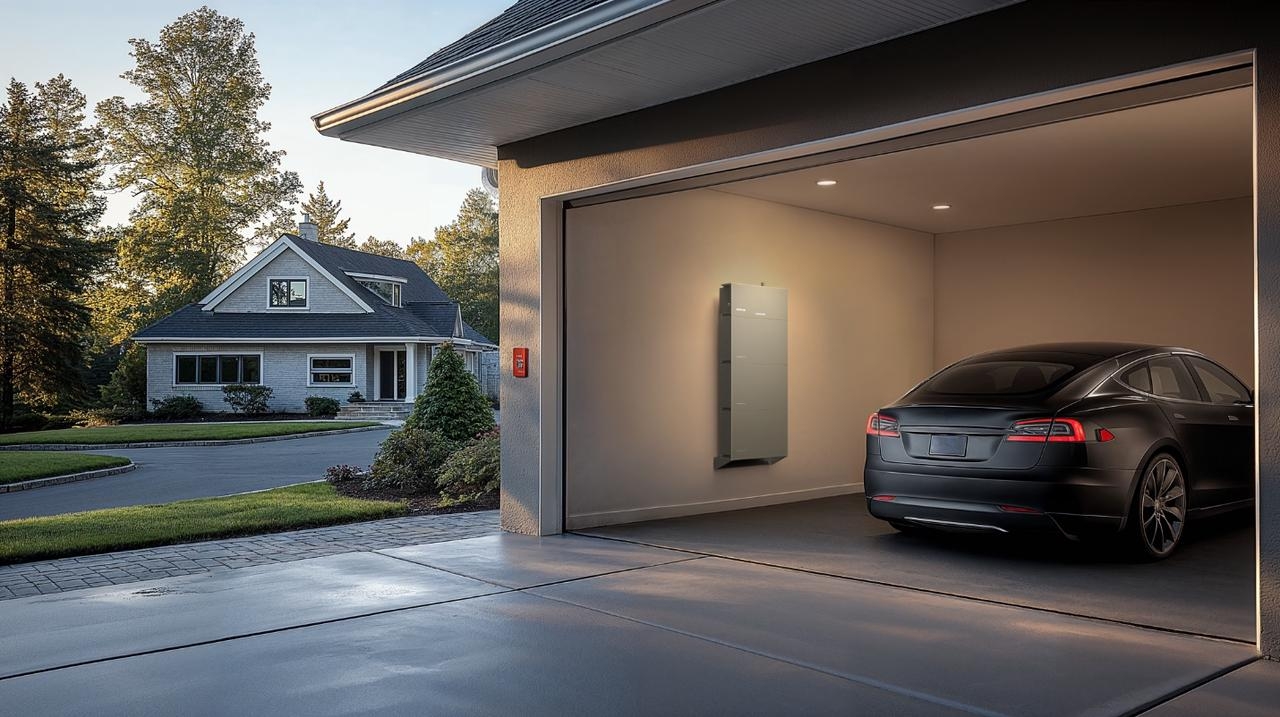
Pairing solar panels with a battery in Queensland lets you stack multiple federal and state incentives. To achieve maximum savings, use solar battery systems like the EcoFlow Home Battery Solution, which is CEC-approved and aligns with the federal battery rebating system. This efficient battery system helps you save a larger chunk of energy during the day for use at night.
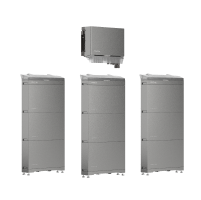
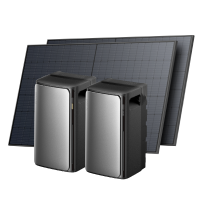
To explore its products, review the table below with its key aspects:
Products | Categories | Key Aspects |
|---|---|---|
Home solar battery | LFP battery chemistry; modular, expandable capacity up to 15 kWh on one inverter | |
Home solar battery | Modular packs (typically 5 kWh each); expandable up to 45 kWh; whole‑home backup up to ~12 kW | |
Home Energy Management System (App/AI) | Real‑time solar and load monitoring; tariff‑aware smart scheduling; integrates with PowerOcean |
Schedule a free consultation with EcoFlow experts to get a solar battery quote for the best energy-saving solution for your home.
What kind of product or solution are you interested in?

Lower Electricity Bills and Long-Term Energy Cost Savings
Solar panels cut the overall grid electricity during the day, and a battery stores energy at night. Over time, it reduces the overall exposure to future price rises and shortens the payback period of your system. Many Queensland households can offset a large share of their annual bill through solar incentives QLD.
Increased Energy Independence and Grid Security
With panels and batteries installed in an Australian household, you mostly rely on rooftop generation rather than the grid. A correctly configured system can keep the overall accessories, such as the light, fridge, and internet running. These systems are beneficial for regional or storm‑prone parts of Queensland, where outages can last longer.
Environmental Benefits: Reduce Carbon Footprint
By generating electricity on your rooftop, you avoid electricity generated by fossil fuels. Over time, a Queensland home avoids many tons of greenhouse gas emissions. Furthermore, it helps the state move toward its renewable energy and emissions‑reduction goals. Using more of your own solar power via a battery increases the share of your total consumption that genuinely supports a cleaner environment.
Boosting Property Value and Future‑Proofing
Installing a solar system with a solar energy rebate QLD is another key benefit of boosting the overall property rate of your household. Buyers frequently look for houses that have solar systems already installed. Lower ongoing bills and a built-in backup system make the overall property more attractive, making your property stand out among all.
Conclusion
Summing up, now households are moving towards solar power rebates in Queensland for economical energy. In this article, we have listed all the necessary information about the Small-scale Renewable Energy Scheme. Plus, we recommend using EcoFlow PowerOcean batteries that are eligible for the Federal Solar Battery Rebate scheme.
FAQs
1. How do solar panels work with your electric bill in QLD?
Solar panels in Queensland reduce the overall grid power consumption by generating power from the roof. All the excess electricity goes to the feed‑in tariff credit in solar rebate QLD on your bill, lowering what you owe each quarter
2. What is the $3700 homeowner rebate in Queensland?
It is a homeowner rebate, a Queensland initiative that helps eligible owner‑occupiers cover part of the upfront cost. Furthermore, it can be combined with federal STC incentives for extra savings.
3. How much should you pay for a 6.6 kW solar system?
For a good quality 6.6KV solar system in Brisbane, you would expect to pay around 5,000–7,000 AUD after the federal rebate. However, it can vary from region to region, so verify the details before buying the solar system.
4. Is solar power worth it in Queensland?
Yes, the solar system is generally worth it in Queensland due to the high level of sunshine and higher power prices. One of the main benefits of solar power is that it saves you 1,000–2,000 AUD annually, with payback periods often in the 4–7 year range.
5. Is 10kW solar enough for a house?
A 10kW system is more than enough to run all household appliances. Larger families or homes with high usage can also opt for this 10kW system—adding an EcoFlow home battery will further improve energy efficiency by storing your solar power.

