
Solar Panel Maintenance Guide: Costs, Checklist & Repairs in Australia
Australia has some of the wildest weather on the planet. One day it's blistering dry heat, the next it's a storm, and if you live near the coast, there's always that salty sea breeze. Your rooftop solar system is out there fighting the elements every single day.
A lot of people think solar panels are "set and forget." While they are tough, "low maintenance" doesn't mean "zero maintenance." If you neglect them, you could lose a chunk of your power output—sometimes up to 20% or 30%. In the worst cases, old wiring can actually become a safety risk.
This guide keeps it simple. We look at what PV panel maintenance involves. We cover the real costs in Australia. And we show you how to spot problems before they turn into expensive repairs.
What Does Solar Panel Maintenance Actually Involve?
Panels don't have moving parts. So, many homeowners think they don't need to be checked. That is a mistake. You want your system to last 20 years. To do that, regular PV panel maintenance is key. To keep your solar battery storage and panels running well, watch these three things.
Cleaning
Rain helps. But it isn't a car wash. In Australia, we get stubborn gunk. A light shower won't shift it.
Salt Mist: Do you live near the ocean? Salt builds up on your panels. It forms a crust. This blocks the sun. Over time, it can even eat away at the metal frames.
Bird Droppings & Bat Mess: These are acidic. If a bird leaves a mess, it doesn't just look bad. It blocks the light in that one spot. This creates a "hot spot." The panel overheats there. It can actually burn out.
Eucalyptus Sap: This sticky stuff is a nightmare. It doesn't wash off with rain. It acts like glue for dust. This creates a grim layer. That layer kills your efficiency.
Electrical Inspections
You can't see the most important part of solar power maintenance from the driveway.
Isolators and Wiring: These switches sit on your roof. They cook in the sun all day. Inspectors check the plastic. Is it brittle? Has water gotten inside? This is a huge part of solar battery safety features.
Loose Cables: Possoms love to chew things. Inspectors check the cables. They make sure wildlife hasn't caused damage. They also check for loose connections.
Frequency
How often should you check? Most Aussie installers say every 2 years. But maybe you live in a dusty area. Or you have gum trees over your roof. Or you live near the beach. In those cases, an annual check is smarter. It keeps your home solar battery solution fully charged.
5 Common Solar Power Repair Issues
Solar systems break sometimes. It is rarely the glass. It is usually the hard-working parts behind the scenes. Here are the top five issues technicians see during a solar power repair.
1.Inverter Failures
The inverter is the working heart of your system, converting raw DC energy from the roof into usable AC electricity for your home. Because it works hard all day and generates significant heat, it is the most common point of failure. Inverters often trip or fail completely due to grid voltage fluctuations or internal component fatigue (like capacitors drying out) after years of service.
2.Micro-Cracks
Australia's thermal cycling is intense. A panel can hit 60°C+ on a hot day and drop to 15°C at night. This expansion and contraction cause mechanical stress, leading to microscopic cracks in the silicon cells. Severe hailstorms are another major cause. While invisible to the naked eye, these cracks impede power flow and reduce total output over time.
3.Hot Spots
As mentioned earlier, when a single cell is shaded by dirt or bird droppings, it stops generating power and starts acting as a resistor. It consumes energy from the other cells and heats up. This is a "hot spot." If not cleaned, it can burn right through the backsheet of the panel, permanently destroying it.
4.DC Isolator Burnout
This is a specific Australian safety issue that has plagued the industry for years. Rooftop switches exposed to intense sun can degrade. If the seal fails and water gets in during a storm, it can cause arcing. In rare cases, this leads to roof fires. Regular checks of these switches are vital for the safety of your family.
5.Snail Trails
These look like slime trails on the panel. But it isn't slime. It is the silver paste inside that is changing colour. Moisture gets in and causes this. It often shows where micro-cracks are hiding. If you see these, check your PV panel maintenance list. You need a proper test straight away.
DIY vs Professional Solar Maintenance
You can keep an eye on your system. But servicing it is different. Knowing the difference keeps you safe.
What You Can Do (DIY)
Look Up: You don't need a ladder. Grab some binoculars. Look for debris. Check for broken glass. Look for hanging cables.
Check the App: Look at your inverter screen. Or check your phone app. Is power generation low on a sunny day? Something is wrong.
Gentle Rinse: Can you reach panels safely with a hose from the ground? A quick rinse helps with dust. Never use harsh soaps. Never use scrubbers.
What Pros Must Do
Thermal Imaging: Techs use special cameras. They see heat spots inside the panels. Your eyes can't see these.
Voltage Testing: Testing wiring means touching live electricity. Solar power doesn't turn off just because you flick a switch. This is strictly for sparkies.
Roof Work: Walking on roofs is dangerous. Never walk on panels. Your weight causes those micro-cracks.
Safety Warning: Solar panels are always "live" during the day. Never touch exposed wiring. Never try to open a switch yourself.
The Real Cost of Maintenance of Solar Energy Systems
Budget for upkeep. It protects your wallet later. Here is what you can expect to pay in Australia for maintenance of solar energy systems:
Basic Inspection (~$250 AUD): This is a health check. It covers a look at the panels. They check rails and cables. They clear debris to keep air flowing.
Detailed Electrical Service (~$400 AUD): This is the deep dive. It includes voltage testing. They check inverter logs. You get a full report. You often need this to keep your warranty valid.
Cleaning Costs: Professional cleaners charge per panel. It is usually around $10 to $15 per panel. This depends on your roof height.
Tip: Think of it this way. A 20% loss on a standard system is bad. It could cost you $400 a year in lost savings. Spending $250 to fix it pays for itself.
Smart Energy Tips: Minimise Maintenance with Intelligent Storage
Want to avoid solar panel repair headaches? Buy a quality system from the start. "Frankenstein" systems mix different brands. Panels from here. Inverter from there. Battery from somewhere else. These often have issues. Integrated systems are simpler. You have fewer boxes on the wall.
Looking to add a battery? The EcoFlow PowerOcean series is built tough. It is simple to use. Plus, EcoFlow PowerOcean products are eligible for the Cheaper Home Batteries Program in Australia now.
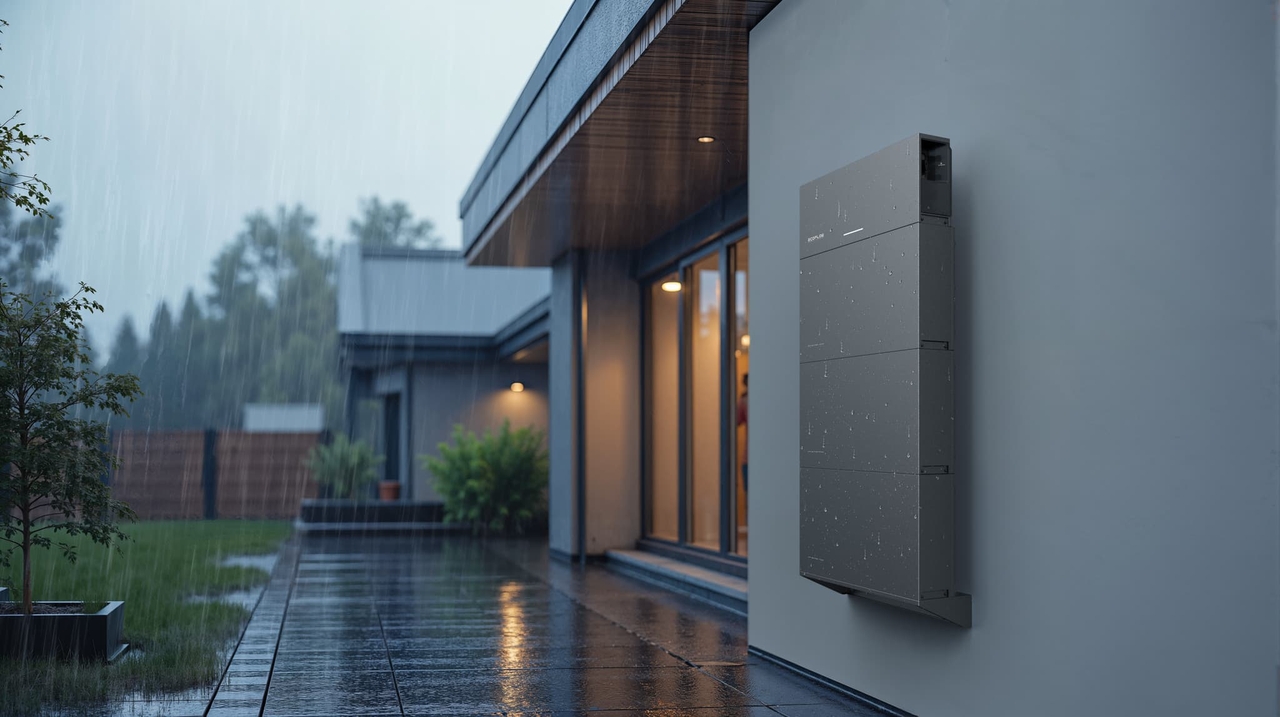
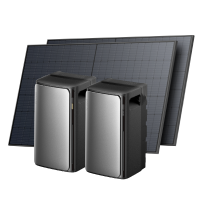
1.EcoFlow PowerOcean Single-Phase Battery
Most Aussie homes are single-phase. The EcoFlow PowerOcean Single-Phase Battery is built for this. It handles your daily power needs easily. It fits right in with standard home setups. It keeps the lights on during outages. It works reliably every day.
Key Aspects:
Start Small: You can start with just one 5kWh battery. You can stack up to 15kWh on a single inverter.
Go Big: Need more? Expand up to 45kWh. You just use three inverters.
Power Output: It pumps out up to 6 kW of continuous power. That runs your home.
Design: Made specifically for single-phase residential homes.
What it can power: It comfortably runs your everyday stuff. Fridges, lights, Wi-Fi, and TV all stay on. Your life doesn't skip a beat.
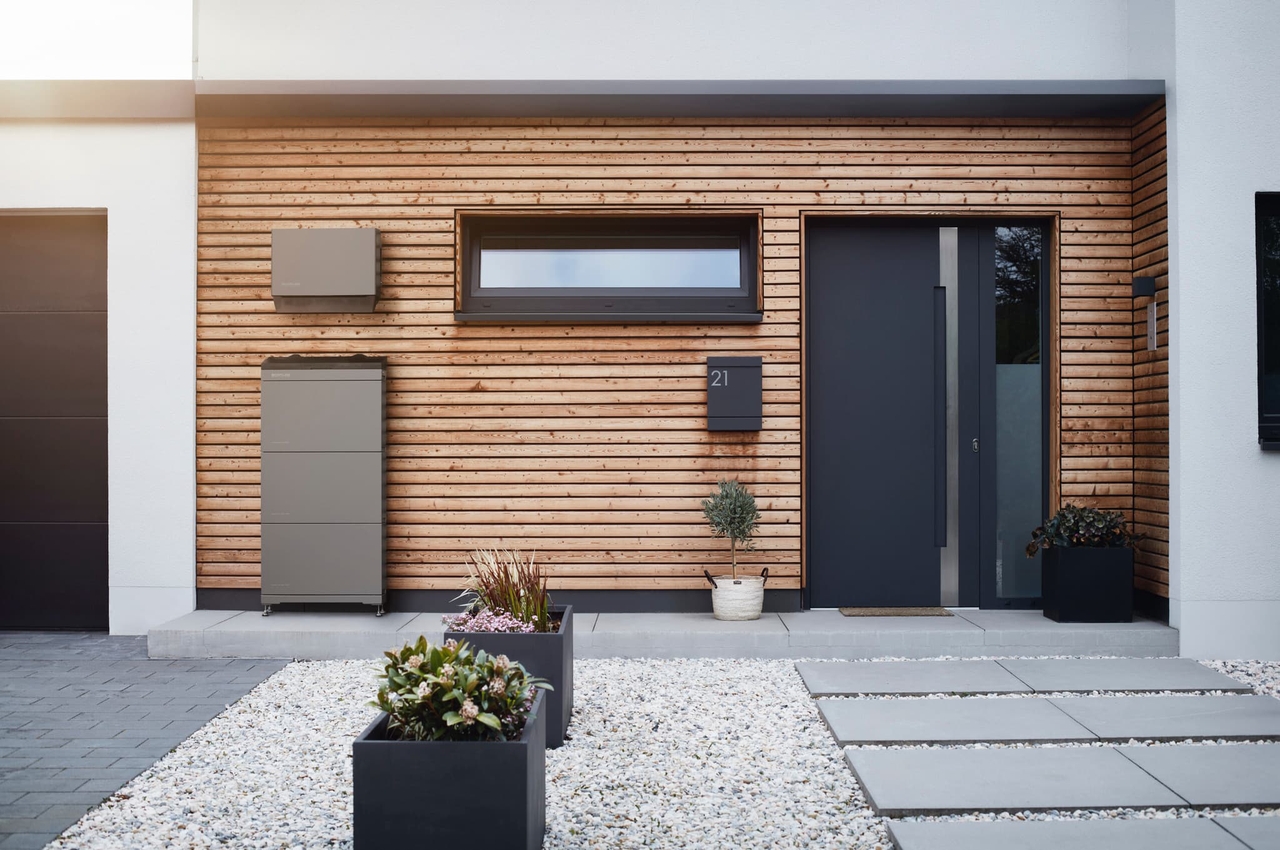
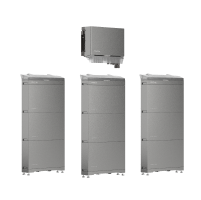
2.EcoFlow PowerOcean Home Battery (Three-Phase)
Big homes often use three-phase power. They run heavy gear. Think ducted air con or pool pumps. The EcoFlow PowerOcean Home Battery handles this. It spreads power across the house. It keeps things stable even when everyone uses appliances at once.
Key Aspects:
Flexible Sizing: Start with 5kWh modules. Scale up to 45kWh. Match it as per your energy needs.
Heavy Duty: It delivers up to 12 kW of steady output power with 10 kW of continuous output.
Tech Specs: Each battery pack has a built-in converter. This lets each 800V pack work independently.
Safe & Tough: It is fireproof and weatherproof. It uses safe LFP battery tech. One battery might have a hiccup. The others keep working. This is thanks to the smart module in each pack.
What it can power: It is strong enough for kitchens. It runs heating systems. It handles multiple home circuits all at the same time.
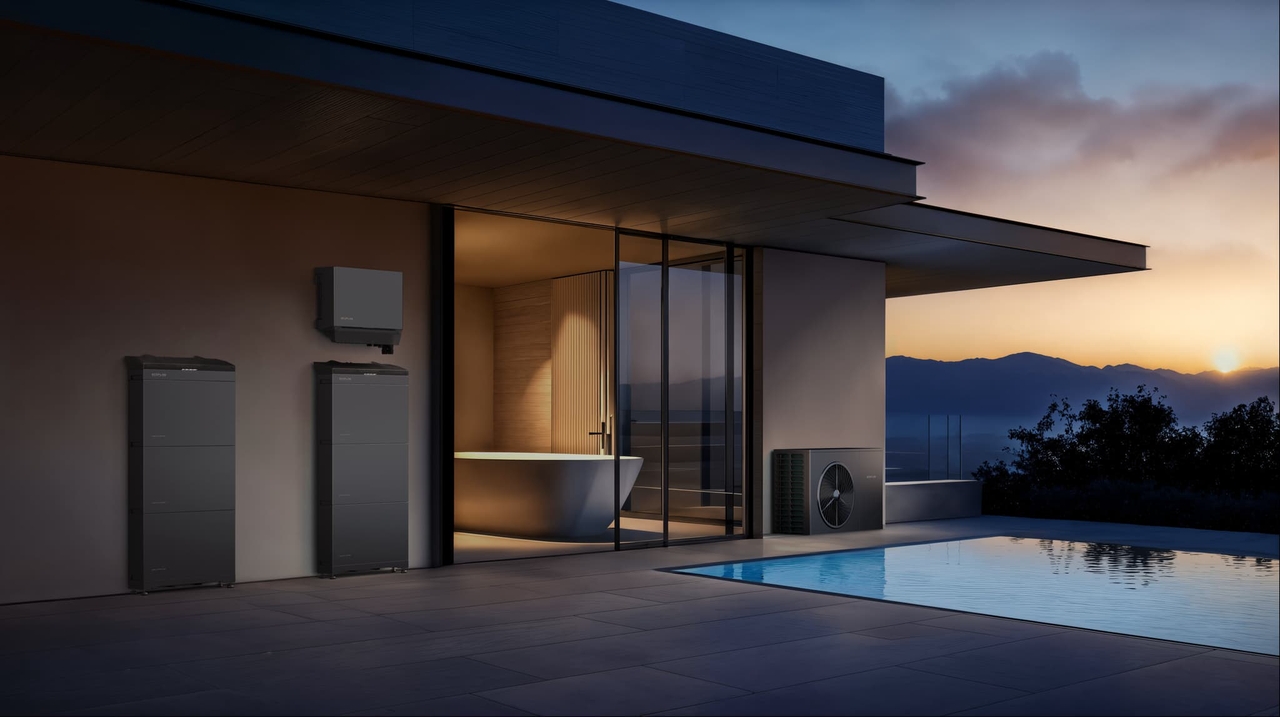
3.EcoFlow PowerOcean Plus Solar Battery (Three-Phase)
This is for the big players. Think small businesses or huge homes. You have huge energy needs. The EcoFlow PowerOcean Plus Solar Battery is designed for this. It matches properties that run lots of appliances together. It is all about reliability. It works during peak times or blackouts.
Key Aspects:
Commercial Grade: Start with a 5kWh pack. Expand all the way to 180kWh. This suits light commercial use.
Massive Input: It supports up to 40kW of solar input. It has a huge 29.9kW output.
Smart Ecosystem: It works perfectly with all EcoFlow Home Energy Ecosystem products. You get total control.
Future Proof: It uses advanced parallel connection tech. You can boost your capacity whenever you need it.
What it can power: It is capable of running workshops. It powers all household circuits without breaking a sweat.
Intelligent Home Energy Monitor Solution
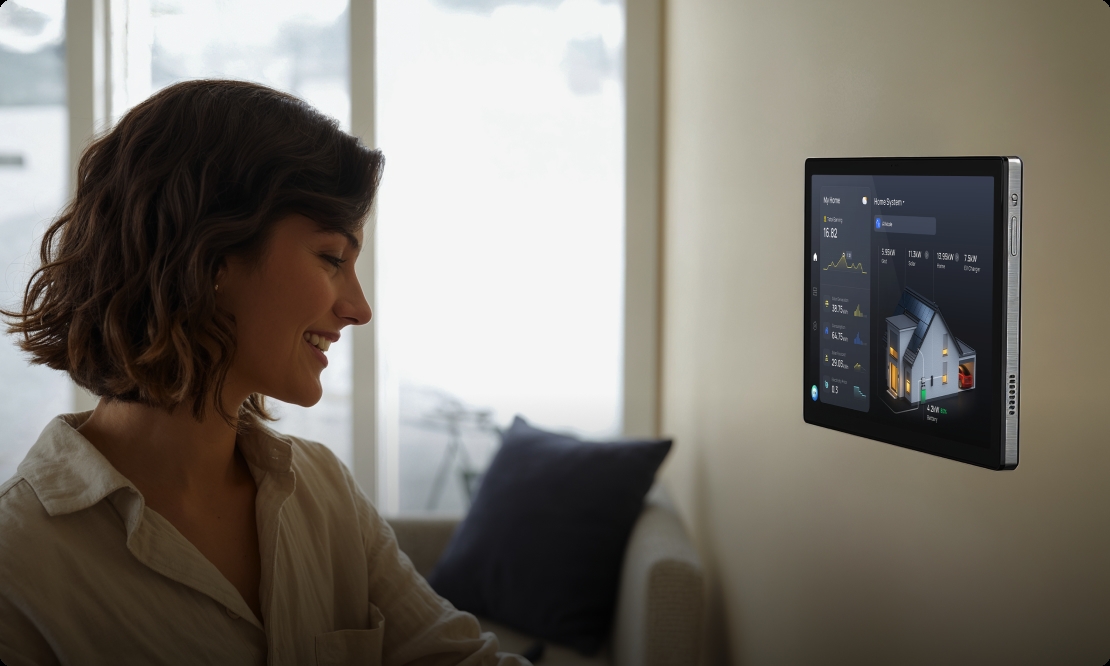
Maintenance is way easier when you see what is happening. The EcoFlow PowerInsight 2 Monitor lets you watch your energy flow. You see it in real-time. It has a beautiful 11-inch high-res screen.
Key Aspects:
Central Hub: It uses Matter 1.4. It connects lights, thermostats, and smart plugs. It works with Google Nest and Tado. No more jumping between apps.
Voice Control: Get insights into your energy use. Just ask. It has hands-free voice control from up to 5 meters away.
Privacy: You can turn the mic off. There is a physical button for this.
Battery Life: The battery is 3x bigger (9300 mAh) than the old one. It runs for over 24 hours with the screen off.
Not sure about your current system? Want to look at safer, smarter storage? Get a solar battery quote from a pro today.
What kind of product or solution are you interested in?
Conclusion
Solar panels are a brilliant asset for Australian homes. But they aren't magic. You need a little care. Regular PV panel maintenance keeps your system safe. It keeps it efficient for decades. Maybe you get a pro check every two years. To truly master your energy, consider installing an EcoFlow PowerOcean home battery. With its Intelligent HEMS, you can effortlessly monitor solar generation and home consumption in real-time through the app or monitor. This smart system ensures you're fully utilizing every kilowatt of sunshine while keeping a close eye on your system's health.
FAQs
1. How often do solar panels need maintenance in Australia?
Most experts say to get a pro inspection every two years. But location matters. Do you live near the beach? Is there salt mist? Do you have gum trees dropping sap? Is it dusty? If yes, an annual check and cleanliness is safer. It stops corrosion. It keeps power high.
2. Does rain clean solar panels enough?
Rain helps. But it is not a deep clean. It washes off loose dust. It won't shift bird droppings. It won't move sap. It won't touch the grime that bakes on in the Aussie summer. You still need a manual clean. This stops those hot spots.
3. How much does a solar panel service cost?
In Australia, a standard solar power repair or maintenance check costs a bit. It is usually between $200 and $300. A full service is more. This includes detailed electrical testing. That costs around $400. Cleaning is usually extra. It is often about $10-$15 per panel.
4. How do I know if my solar panels are broken?
The clearest sign is a sudden drop in power generation on your monitoring app. You might also see warning lights on your inverter. Visually, look for cracked glass or "snail trails" (brown lines). Advanced monitoring with the EcoFlow PowerInsight 2 Monitor can help spot these drops instantly.
5. Can I use a pressure washer for solar panel maintenance?
No! Never use a high-pressure washer. It is too strong. It can blast the seals around the glass. It forces water into the electrics. Just use a garden hose. Keep the pressure low. Use a soft brush or sponge.

