
Solar Battery Cost and Installation Prices in Australia (2026 Guide)
Many Aussie households are struggling with rising power bills, with and without solar panels. People hear solar batteries cost a lot, and feel unsure about the value. At the same time, electricity prices keep jumping, and budgeting gets harder every year. New rebates help, but most Aussies don't know how much they actually save.
It's also confusing working out the right system size and a fair installation price. Choosing a solid brand and setup feels risky without having clear guidance. This guide explains solar batteries' cost and rebates to help Aussies make better decisions.
What Is a Solar Battery and How Does It Benefit Your Home?
A solar battery saves the extra energy your panels make during the day. Instead of sending spare solar back to the grid, the battery stores it for later. When the sun sets, your home uses power from the battery before the grid. This means you depend less on your power company and more on your own system.
Most solar batteries are box‑style units fixed to a wall near your inverter. They use simple smart controls to handle charging and discharging without you doing anything. Good systems are constructed in such a way that they are safe and long-lasting. But before discussing the extent to which solar batteries are expensive, the key advantages of having one in your household are as follows:
Lower your power bills by using stored solar instead of pricey nighttime power.
Shield yourself from bill shocks by relying more on your own energy.
Keep key appliances on during blackouts if your system is set up for backup.
Use more of your own solar instead of selling it for a low feed‑in rate.
Cut your carbon footprint by using cleaner solar and less grid electricity.
Key Factors That Influence Solar Battery Prices
The prices of solar batteries may be both high and low depending on the reasons. Knowing these factors will help you get reasonable quotes and do not spend too much. Below are the main factors that can change what your battery will cost:
Battery Capacity
Bigger batteries are more expensive, but provide more useful storage time. Smaller batteries are cheaper to begin with, but may not be enough for evening and night use.
Brand and Build
Popular brands can be more expensive since they provide better support and better warranties. Good quality parts can add cost and allowthe battery to last longer.
Battery Type and Extras
Some battery types are safer and last longer, and they usually cost more. Extra features such as blackout backup and smart controls increase the cost of the system.
Installation and Extra Equipment
The final price will increase in case of new inverter or switchboard work. Easy installations that are located near the switchboard are less expensive compared to hard installations in cramped or awkward locations.
Buying with Solar Versus Later
Adding a battery later to an existing solar system may require more work and additional parts. Buying solar panels and a battery together often costs less than buying them separately.
Solar Battery Costs in Australia in 2026
Many Aussies now want to know what solar batteries really cost in 2026. Prices vary widely between small and large systems and between different homes. Rebates bring the cost down, but it still feels confusing for most people. This section breaks down real solar battery costs so you can plan with confidence.
Average Solar Battery Prices by Capacity
Aussie households want a clear picture of what different battery sizes usually cost. Smaller systems have a lower upfront price but hold less energy for your home. Bigger systems cost more overall and give more backup time during the night. The table below shows the cost of solar batteries for common capacity levels.
Battery Size (kWh) | Example Cost of Solar Batteries (AUD) |
|---|---|
5 kWh | $5,000 – $7,000 |
10 kWh | $8,000 – $11,000 |
13.5 kWh | $10,000 – $13,000 |
15 kWh | $11,000 – $14,000 |
20 kWh | $14,000 – $18,000 |
Average Solar Battery Installation and Ongoing Costs
Many homes do not realise that installation can change the overall cost solar battery. Extra work, like new inverters or switchboard changes, can push the price higher. Ongoing running costs stay low, but future repairs or replacements still matter for budgeting. The table below shows common extra costs associated with your solar battery system.
Item | What it Covers | Typical Extra Cost (Approx) |
|---|---|---|
Hybrid Inverter | New inverter so your battery works with the existing solar system | $2,000 – $4,500 |
Backup Wiring | Keeps key lights and power points on during blackouts | $1,500 – $3,500 |
Switchboard or Meter Upgrades | Safety or capacity upgrades to your main power board | $300 – $2,000 |
Extra Cabling and Hardware | Longer cable runs, brackets, and fire‑safe backing boards | $200 – $1,000 |
Future Maintenance or Repairs | Checks, call‑outs, and parts after years of use | Low each year, higher if parts are replaced |
Reduce Your Solar Battery Cost With Government Rebates
Government rebates can drop solar battery costs by around 30% for many homes. This help comes mainly from the federal Cheaper Home Batteries Program, with some state support. The rebate reduces what you pay upfront rather than giving cash back later. This section explains how that help works and how much you might save through solar battery storage price Australia.
What is the Federal Solar Battery Rebate 2026? (Cheaper Home Batteries Program)
Federal solar battery rebate 2026 cuts upfront costs so households can afford approved home batteries. Smaller batteries provide the strongest level of support, while larger systems get less support for extra storage. It is a national scheme with clear rules about eligible battery sizes and accredited installers across Australia.
From 1 May 2026, the rebate changes and follows clear battery size tiers. The points below show how much support each size range can get. They also remind you that the rebate only covers batteries up to a set limit:
Batteries from 0 to 14 kWh get 100% of the rebate factor.
Systems over 14 to 28 kWh get 60% of the available support.
Very large systems over 28 to 50 kWh only receive 15% support.
The rebate only covers up to 50 kWh of approved battery capacity.
How Much Can You Save?
Most households use the rebate to shave thousands off the upfront house battery price. In many realistic scenarios, a well‑sized battery pays for itself within 7–12 years. For quick examples of costs, savings, and payback, see the table below.
Battery Size | Approx. Cost After Rebate | Typical Yearly Bill Savings |
|---|---|---|
10 kWh | 6,500–9,000 AUD | 800–1,200 AUD |
13.5 kWh | 9,000–11,000 AUD | 1,000–1,500 AUD |
Overview of Solar Battery Payback Periods in Australia for 2026
A 10 kWh battery in Australia usually pays back over several years, not instantly. The payback period mainly depends on your upfront cost after rebates and your annual savings on your bill. Now, we will look at how solar battery costs in Australia, rebates, and power prices together shape the payback.
10 kWh battery – Impact of Rebates
The text below shows how different rebate combinations change payback time for a 10 kWh battery.
Scenario | Net Battery Cost After Support | Estimated Payback Period |
|---|---|---|
No Rebates | Higher upfront cost | 5–10 years |
Federal Rebate Only | Cost cut by a thousand dollars | 6–9 years |
Federal + State Support | Lowest upfront cost | 4–7 years |
10 kWh battery – Impact of Electricity Prices
See the table below to understand how changing electricity prices shifts a 10 kWh battery's payback time.
Situation | Typical Yearly Savings | Effect on Payback Period |
|---|---|---|
Modest Night Use | Lower savings | Payback becomes relatively longer |
Good Evening Use | Medium savings | Payback sits around mid‑range |
High Night Use | Highest savings | Payback moves towards the shorter end |
How to Choose and Install a Solar Battery in 2026?
Homeowners often feel overwhelmed when choosing a battery that matches their actual energy needs. Installation quotes can vary wildly, making it hard to compare the value and cost of solar batteries. Backup performance and warranty support also confuse people who just want something reliable installed. This is where EcoFlow Home Battery Solutions steps in, offering battery packages and professional installation.
EcoFlow PowerOcean Series is fully eligible for the Cheaper Home Batteries Program. Your accredited installer can claim the STCs. You get that upfront discount—around 30% off—applied straight to your quote.
Here are the EcoFlow solutions that can help solve this sizing and installation gap:
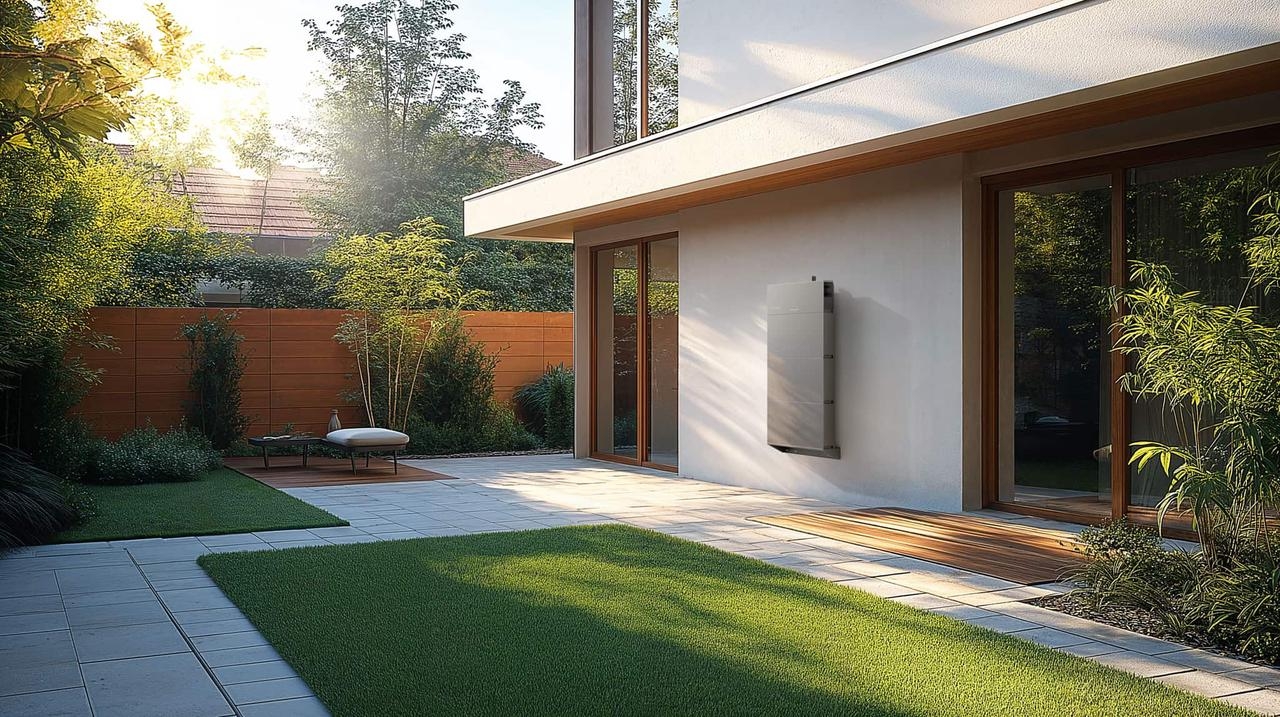
EcoFlow PowerOcean (Single Phase)
This option suits normal homes wanting steady backup and lower power bills. You can start small and add more when energy use grows later. It connects cleanly with rooftop solar, keeping everything easy to run.
Key Specs
Expandable up to 15 kWh, with each battery source offering 5kWh each.
Single‑phase hybrid inverter, 6 kW output.
IP65 weather protection and 15‑year warranty.
EcoFlow PowerOcean (Three Phase)
This option is available in balanced, stable three-phase power and is used in larger homes. It helps to weigh heavy appliances and provides a constant supply during heavy daily operation. The design helps future upgrades as families add EVs or extra devices.
Key Specs
Three‑phase hybrid inverter with up to 12 kW backup.
Modular battery, expandable from the base 5 kWh up to 45 kWh in a stack
.High‑voltage 800 V battery architecture.

EcoFlow PowerOcean Plus (Three Phase)
Made for heavy users, this model gives longer backup and high performance. It stores more electricity to power key systems during any long blackout.
Key Specs
Up to 40 kW solar input capacity.
29.9 kW three‑phase AC output power.
5 kWh LFP battery module, with the system expandable up to 180 kWh.

Don't wait for the May changes to cut your incentives. Talk to EcoFlow energy consultant and get a solar battery quote today to lower power costs.
What kind of product or solution are you interested in?


EcoFlow Intelligent HEMS
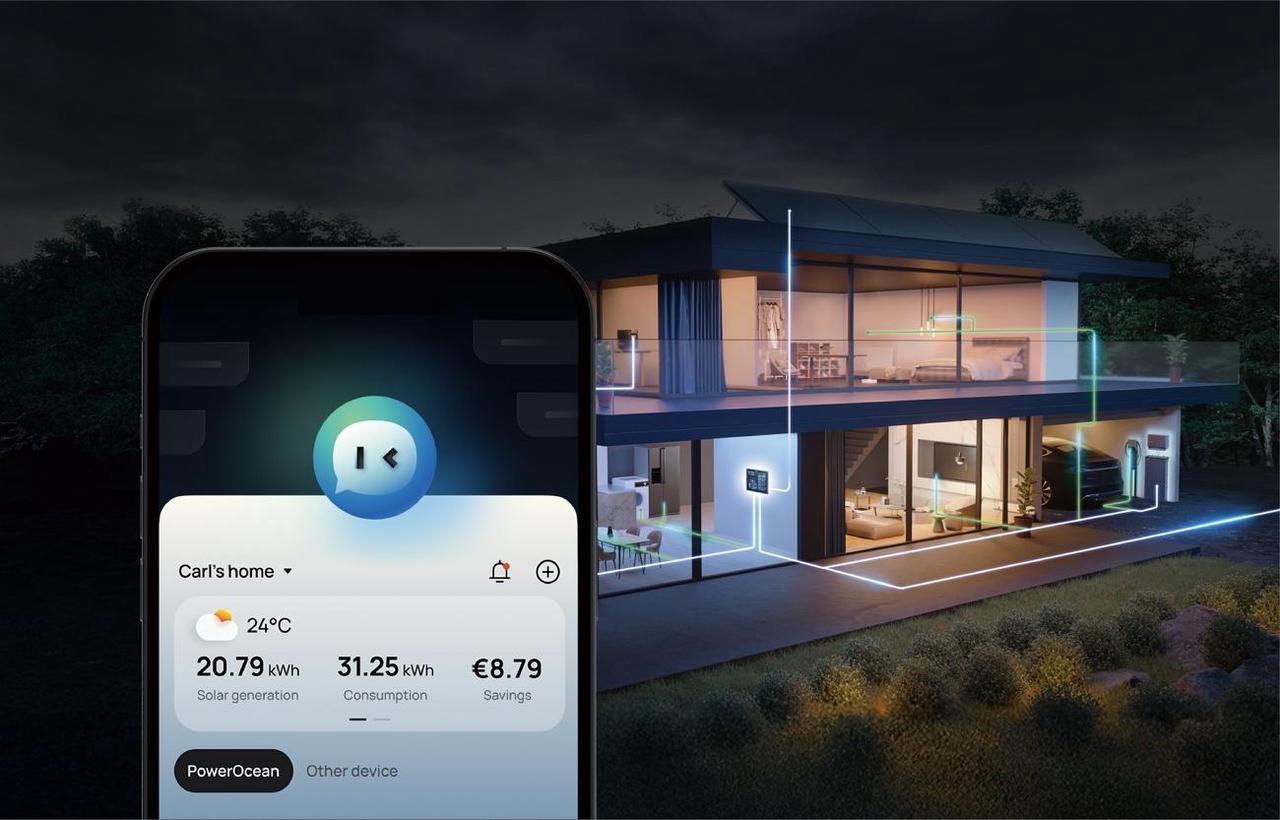
This operates as your home's smart energy guide, saving money through clever timing. It reduces solar battery costs by improving the efficiency of when power is stored. Tracking usage helps plan savings without having to adjust settings often.
Key Specs
Uses weather forecasts to fully charge before storms.
Maintains a user‑set backup ratio for emergencies.
Controls all compatible home devices in one app.
Things to Avoid When Choosing a Solar Battery in 2026
The following points highlight common mistakes to take care of when evaluating the cost of solar batteries:
Focusing only on the upfront price and ignoring lifetime degradation.
Choosing the wrong battery size because you never checked your real daily energy usage.
Poor installation work risk, no checking of the installer's skills or past jobs.
No grid and app check, later shock from missing features and limits.
What Not to Do When Applying for Federal Solar Battery Rebate
Many people miss out on money or face long delays because of simple rebate mistakes.
Wrong form or missing documents for the federal solar battery rebate claim.
No check that the battery and installer meet the rebate rules.
Waiting too long to apply and missing key deadlines.
Sales talk only, no check of official rebate rules.
Conclusion
To conclude, understanding how solar batteries cost and work helps Australians plan ahead more. Homes that match system size and rebates can cut bills without guesswork. Families will be able to keep solar energy at home and reclaim control of increasing energy costs with smart services such as EcoFlow.
FAQs
1. What is the lifespan of a solar battery?
Most good solar batteries last around ten years with normal home use and care. Many EcoFlow batteries use modern lithium technology for strong life and stable performance. Always check the warranty terms and conditions, not just the cost of the solar battery.
2. Is a 10kW solar battery enough to run a house?
A 10 kWh battery can run lights, fridge, and basic home loads for hours. For large homes or heavy air conditioning, one unit might feel too small. Many families add extra capacity, depending on habits and house battery price differences.
3. Why is my electricity bill so high with solar panels in Australia?
High bills often mean daytime use is low and night grid use stays high. A smart EcoFlow battery and app can shift solar energy into your evening. Wrong system size and poor monitoring also increase the total cost of the solar battery.
4. Is it safe to have solar batteries in your house?
Modern lithium batteries from brands like EcoFlow include strong safety systems and certifications. Correct installation, ventilation, and clearances are very important for safe everyday operation. Always follow maker rules and local standards.
5. Is a 90% efficient solar panel possible?
Most current solar panels in homes are closer to 20% percent efficiency today. 90% panels are not on normal roofs yet, only in early research. Better panel efficiency still helps, but system design and cost of solar battery also matter.

