
Stop Overpaying: The Complete Guide to the Best EV Electricity Plan in Australia (2026)
Owning an electric vehicle (EV) in Australia is smart. It saves you money on petrol. But you have to fuel it the right way. Imagine plugging into the grid at 6 pm. You might pay high prices for that electricity. You need a strategy.
The secret is simple. You must pick the right energy tariff. This guide shows you how to find the best EV electricity plan. It also explains how to use smart tech. This helps you drive for cents. You won't pay dollars.
What Is an EV Electricity Plan and How Does It Work?
An EV electricity plan is different. It is not a standard contract. It is a special tariff. It rewards drivers. You get cheaper rates when the grid is quiet.
Definition: Unlike a flat-rate plan where you pay the same amount (e.g., 28c/kWh) 24/7, an electricity EV plan uses "Time of Use" (ToU) rates. These plans split the day into peak, shoulder, and off-peak windows.
The Mechanism: Retailers want you to use power at night. They offer low prices to make you do it. Sometimes it is as low as 8c/kWh. This usually happens between midnight and 6 am. It can also happen at midday. That is when solar power is high.
Why Retailers Do It:EV charging electricity plans help the grid. The grid needs balance. More renewable energy is coming online in 2026. Retailers need to move the demand. They want you to use power when wind and solar are strong. They pass these savings to you.
How EV Charging Habits Affect Your Electricity Costs
You might pick the best electricity plan for EV owners. But habits matter more. A simple habit changes everything. It depends on when you plug in. We call it "Plug and Pray." You plug in after work. You pray the bill is low. That is a mistake.
Cost Comparison
Standard Plan Peak Rate: You charge during the evening peak. This is 4 pm to 9 pm. This can cost $0.35 to $0.55 per kWh.
Best EV Electricity Plans Off-Peak Rate: You wait until 1 am. The rate drops. It can be around $0.08 per kWh
The Real-World Impact
Let's say you drive 15,000 km a year. Your EV uses about 2,250 kWh.
Charging at Peak Rates: Costs about $1,125 per year.
Charging at Off-Peak Rates: Costs about $180 per year.
The bad habit costs you money. You could pay over $900 extra annually. Finding the best electricity plan forhome with EV is vital. It is basically free money. You just have to change one habit.
How to Choose the Best EV Electricity Plan for Your Home
EV electricity plans can be tricky. The "cheapest" rate is not always the best. You need to look at the whole deal
Check 1: Smart Meter
You almost always need a smart meter. This lets you use EV plans' electricity. These meters track time. They know when you use power. The retailer can bill you 8c at midnight. They can bill you 50c at dinner time. Don't have one? Your retailer will usually install one. It is often free when you switch.
Check 2: Solar Compatibility
Do you have rooftop solar? Be careful. Some EV charging electricity plans have low overnight rates. But they might slash your solar feed-in tariff (FiT). It could drop to near zero. You might export a lot of solar during the day. A bad FiT will wipe out your charging savings. The best EV electricity plan has a balance. It needs a low usage rate. But it also needs a fair feed-in credit.
Check 3: The "Daily Supply Charge" Trap
Watch out for the daily supply charge. The best electricity plan for home with EV might have a high fee. A plan might save you $5 a month on charging. But it might cost $10 more in daily connection fees. That is a loss. Always do math. Check your total household usage.
Smart Energy Tips: Unlock 0c/kWh Charging with EcoFlow
Even the best electricity plan for EV owners costs money. But you can charge for free. You need solar and battery storage. You capture the sun's energy. You store it. Then you bypass the grid entirely.
Revolutionise Charging with EV Charger
The EcoFlow PowerPulse 2 EV Charger does more than top up your battery. It connects your car to your smart home. It gives you control over speed and cost. You use cheap renewable energy whenever possible.
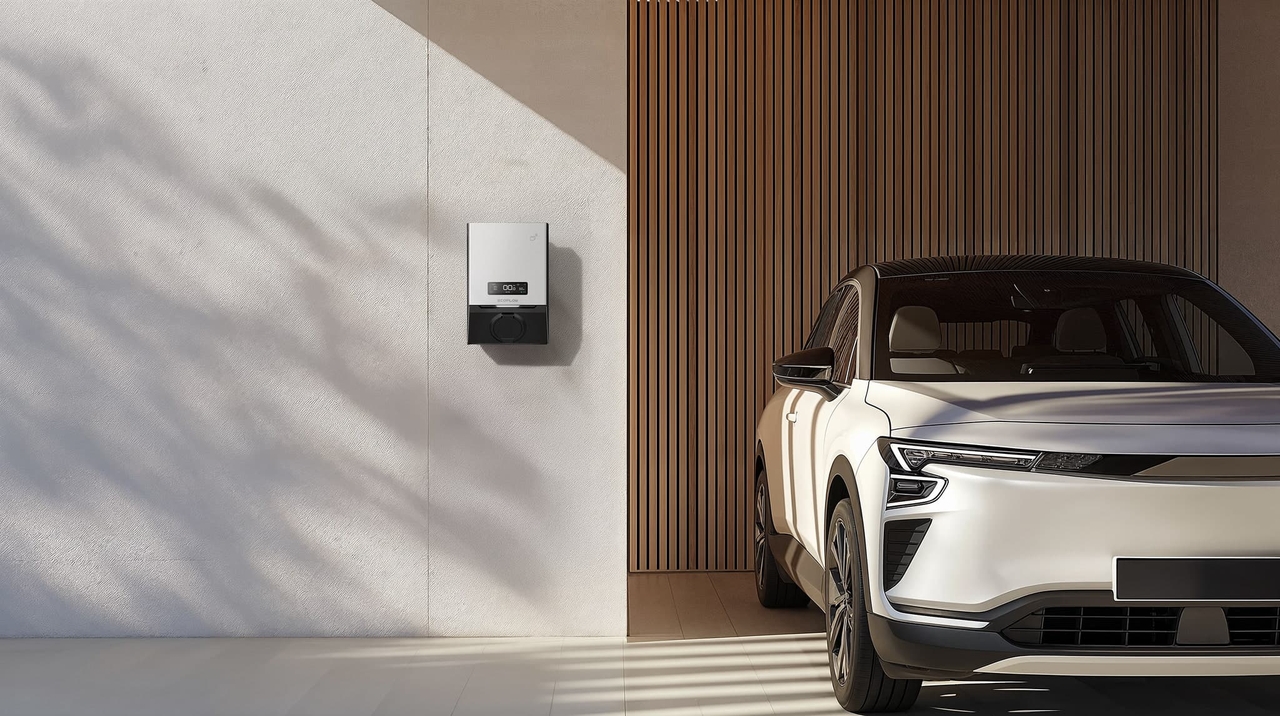
Intelligent Charging Modes: It offers versatile options. You can choose Smart, Fast, Solar, or Scheduled modes. This optimises speed and cost.
Solar Integration: It connects seamlessly with your solar system. You charge your EV for free using surplus energy. This minimises grid reliance.
Durable & User-Friendly: It features an IP55-rated build. It resists the weather. The design is simple. Charging starts automatically when you plug in.
Smart Safety &Control: It includes real-time load balancing. This prevents circuit overloads. The EcoFlow App lets you monitor usage and costs.
What It Can Power
It works with all Type 2 electric vehicles in Australia. It charges compact daily commuters. It also charges long-range electric 4WDs. Your car will be ready when you are.
Maximise Savings with Energy Solutions that Fit as per Your Needs
You want to use an EV electricity plan well. You need a home battery that stores free solar power. The home solar battery solution series is perfect for this. It creates a "closed-loop" system.
1.EcoFlow PowerOcean Single-Phase Battery
This system is a great start. It is perfect for standard Australian homes. It helps you gain energy independence. It combines industrial safety with a compact design. It fits smoothly into your electrical setup.
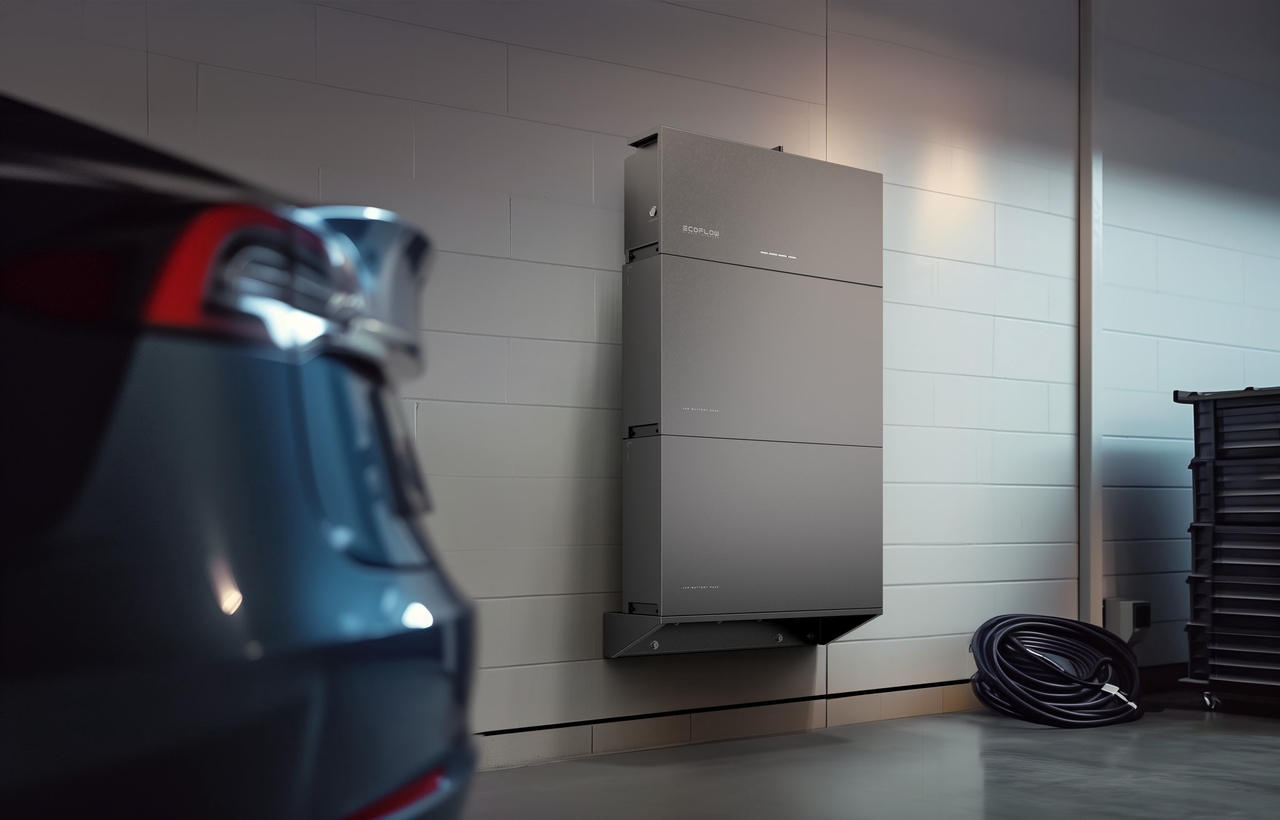
Advanced Safety &Durability: It redefines home storage. It uses LFP battery tech. It has an active fire prevention module. It is IP65-certified for all weather.
Market-Leading Warranty: It is a secure investment. It is backed by a 15-year warranty. It ensures long-term reliability.
Uninterrupted Power: The inverter is advanced. It delivers up to 6kW of continuous off-grid power. It keeps essentials running during outages.
Flexible Scalability: The design is stackable. You can fit up to 15kWh on one inverter. You can expand to 45kWh as needs grow.
What It Can Power
It keeps daily essentials running during a blackout. It powers your fridge, lighting circuits, Wi-Fi, and the TV. Your evening routine continues undisturbed.
2.EcoFlow PowerOcean Home Battery (Three-Phase)
This is built for modern homes. It suits places with three-phase connections. It handles robust power for larger properties. You can start small. You can add more storage later. It is flexible for growing families.

Scalable Energy: Build your net-zero home. Start with a single 5kWh battery. Scale up to 45kWh easily.
Independent Performance: Each pack has a built-in DC-DC converter. Every 800V unit works independently. This ensures maximum efficiency.
Powerful Backup: It delivers robust backup output. It provides 10kW continuous output and surges up to 12kW. It supports high-startup appliances. It won't overload the inverter.
Robust Build: It uses fireproof LFP chemistry. It is weatherproof. A malfunction in one module won't stop the rest.
What It Can Power
It supports heavy-duty appliances. You can run heating systems, electric cooktops, and water pumps. You can do this even when the neighbourhood is dark.
3.EcoFlow PowerOcean Plus Solar Battery (Three-Phase)
This is the heavy hitter. It suits large luxury properties. It suits small businesses. It handles complex energy needs. It maximises large solar arrays. You capture every bit of sunlight.

High-Power Performance: It optimises solar for complex roofs. It takes a massive 40kW solar input. It gives a powerful 29.9kW AC output.
Massive Expansion: It uses parallel connection technology. You can start with a 5kWh pack. You can expand to 180kWh. This suits large homes.
Smart Ecosystem Integration: It is fully compatible. It works with the EcoFlow Home Energy Ecosystem. You can monitor and control all household appliances.
Financial Optimisation: It supports dynamic tariffs. It offers smart energy management. It maximises power independence. It saves money for high-demand users.
What It Can Power
It has massive output capability. It supports high-demand environments. It runs workshop tools and pool pumps. It also runs full-house air conditioning. It does this all at once.
Synergy: The Zero-Cost Strategy
When the PowerPulse 2 communicates with the PowerOcean, your cost for charging an electric car can drop to near zero. The system detects excess solar energy and directs it into your vehicle instead of sending it to the grid for a low feed-in tariff. This ensures every kilometre you drive is powered by free sunlight.
Would you like to see how much you could save today? You can get a solar battery quote to receive a professional consultation tailored specifically to your home.
What kind of product or solution are you interested in?
EV Electricity Plans in Australia: What Varies by State?
Electricity markets differ. The best EV electricity plans in Sydney might not exist in Brisbane. EV plans electricity rates change by location. It depends on network costs. Always compare plans in your postcode. Don't rely on national averages.
EV Electricity Plan NSW
The EV electricity plan NSW market is competitive. Look for "overnight saver" windows. Some are called 'Night Boost'. They offer low rates. This is usually between 12 am and 4 am. This is perfect for your PowerPulse 2. Just set it to 'Scheduled Charging'.
EV Electricity Plan QLD
Queensland has lots of solar. The EV electricity plan QLD market is changing. Overnight rates are good. But some plans are different. They want you to charge during the day. They want you to use excess solar. Are you home during the day? Look for "free lunch" windows. You might get free power between 10 am and 2 pm.
VIC & SA: The Free Energy Windows
Victoria and South Australia have flexible prices. Some retailers offer "Free Energy Window" plans. Look for things like OVO's Free 3. You get 0c/kWh usage for a few hours. This is great for weekends. You can top up your car on Sunday morning for free.
Conclusion
You want to save money. Choosing the best electricity plan for EV owners is step one. Move your charging to off-peak times. You can save hundreds a year. But there is a better way. Pair a smart tariff with a solar battery. Add a solar system. This eliminates fuel costs.
You might need an EV electricity plan NSW. Or maybe an EV electricity plan QLD. Smart choices matter. EcoFlow technology puts you in the driver's seat.
FAQs
1. Are EV electricity plans worth it?
Yes, definitely. A specific EV electricity plan can cut charging costs by 70%. This is compared to a standard flat rate. Do you charge at home often? Staying on a standard plan wastes money.
2. What is the best electricity plan for home with EV owners in 2026?
The "best" plan depends on you. It depends on where you live. Look for a super off-peak rate. It should be below 10c/kWh. Retailers like OVO, AGL, and Origin have good EV electricity plans. Want total independence? Pair any plan with an EcoFlow PowerOcean. You will always use the cheapest power.
3. Do I need a smart meter to sign up for an EV electricity plan?
Yes, usually. Retailers need to track time. They bill differently for different times. A smart meter does this. It records usage every 30 minutes. Don't have one? Your retailer will organise the upgrade.
4. Are there specific EV electricity plan NSW rebates available this year?
NSW often has incentives. They like energy-efficient appliances. The Cheaper Home Batteries Program is a key one. It helps with the cost of battery systems. This includes the EcoFlow PowerOcean. This helps your EV plan value. You can store cheap power for later
5. How do EV electricity plan QLD rates compare to Victoria?
EV electricity plan QLD rates often have high supply charges. But they have good solar sponge rates. You get discounts during the day. Victoria often has better overnight rates. This is due to network tariffs. Using EcoFlow PowerPulse 2 helps. You can automate charging. You match the local peaks perfectly.

