
Cheaper Home Batteries Program: The 2026 Guide to Saving Thousands
The Cheaper Home Batteries Program is making home energy storage affordable for all Australians. This program offers around a 30% upfront discount on CEC-approved batteries. You don't have to wait for a tax refund to see the savings. This guide covers what the program is, how much you can save, who's eligible, and how to access the program. You will learn about the lower STC factors and new tapering rules for bigger batteries. We also explain the May 2026 changes and how EcoFlow can help you lock in the best value for your home.
What is the Cheaper Home Batteries Program?
The Cheaper Home Batteries Program is an Australian Government initiative that started on July 1, 2025. It offers a subsidy of approximately 30% on the upfront installation costs for solar batteries. This program is a direct expansion of the successful Small-scale Renewable Energy Scheme (SRES). It operates using Small-scale Technology Certificates, or STCs. Rather than waiting for a tax refund, your installer applies the discount right at the time of purchase, directly on your quote. It supports systems with 5 kWh to 100 kWh capacity, aiming to reduce energy bills and increase grid stability. It's available nationwide across Australia. Households, small businesses, and community organizations are all eligible; there's no income requirement. Simply combine the battery with either a new or existing rooftop solar system to qualify.
How much can you save through the Cheaper Home Battery program? (Pre-May 2026)
Right now, in February 2026, the rebate gives you about $311 off per usable kWh until 30 April 2026. That's based on 8.4 STCs per kWh and an STC value of around $37 after costs. It works out to roughly 30% off the upfront price for most CEC-approved batteries.
Real-world examples
The bigger your battery, the bigger your upfront discount. Here is what that looks like for popular sizes:
Rebate value: ~$311 per kWh of usable capacity (based on 8.4 STCs per kWh).
10kWh battery: A system costing ~$11,120 could see a $3,110 rebate, dropping your cost to ~$8,010.
13.5kWh battery: You receive approximately $4,200 off the sticker price.
Maximum rebate: You can claim up to $15,540 for large systems (up to 50kWh).
Total lifetime savings
The upfront discount is only the beginning. Most households save between $3,300 and $4,000 in the first few years alone. Over the battery's life, the total value—including lower bills and VPP credits—often reaches $7,000 to $12,000.
The "May 2026 deadline": Why you must act now
There is a "rebate cliff" coming on May 1, 2026. After this date, the program shifts from a simple flat rate to a tiered system. This change is designed to ensure the budget lasts by encouraging right-sized batteries rather than oversized systems.
The STC factor will be adjusted
The key number is the STC factor—it sets how many STCs your battery gets per usable kWh. Right now (January–April 2026), it's 8.4. From May 2026, it drops to 6.8 and keeps falling every six months
Year | Period | STC Factor |
|---|---|---|
2026 | January – April | 8.4 |
2026 | May – December | 6.8 |
2027 | January – June | 5.7 |
2027 | July – December | 5.2 |
2028 | January – June | 4.6 |
2028 | July – December | 4.1 |
2029 | January – June | 3.6 |
2029 | July – December | 3.1 |
2030 | January – June | 2.6 |
2030 | July – December | 2.1 |
This means the rebate per kWh falls from around $311 now (with STC ~$37 after fees) to about $252 from May onward—and it keeps dropping to match cheaper battery prices.
The new tapering rules
From May 1, 2026, the size of your battery will change how much rebate you get per kilowatt-hour. The more capacity you add, the lower the incentive for those extra units:
0–14kWh: Receives 100% of the rebate factor.
14–28kWh: Additional capacity receives only 60% of the value.
28–50kWh: Additional capacity receives only 15% of the value.
The government now cuts the STC Factor every six months (January and July) instead of once a year. This keeps the discount around 30% as battery costs fall faster than expected.
If you plan on a large system (20kWh+), waiting until May could cost you over $3,500 in lost incentives. For very large setups, the difference can exceed $9,000. To get the maximum discount, your system must be installed and commissioned before 30 April 2026.
Who is eligible for this program?
The eligibility rules for the home battery rebate are designed to be inclusive for Australians while maintaining high safety standards. You can claim the rebate if you meet the following criteria:
Property and owner eligibility
Broad access: The program is available for residential households, small businesses, and community organisations.
No means test: There is no income limit to qualify; the incentive is available to all eligible property owners.
Per property limit: You can receive support for only one battery system at a single premises. This includes situations like retirement villages where individuals own their own units.
System requirements
To receive the upfront discount, your battery system must meet these specific technical rules:
Solar integration: The battery must be installed with a new or existing rooftop solar PV system. Systems that only store energy from the grid are not eligible.
Battery size: The system must have a nominal capacity between 5kWh and 100kWh.
Rebate cap: While systems can be up to 100kWh, you only receive the discount for the first 50kWh of usable capacity.
Stacking: You can combine smaller modular batteries to reach the 5kWh minimum, provided they are CEC-approved as a combined system.
No portable units: Electric vehicles and portable power stations are not eligible for this rebate.
Standards and installation
Approved products: Both the battery and the inverter must be on the Clean Energy Council (CEC) approved product list at the time of installation.
VPP ready: On-grid systems must be technically capable of joining a Virtual Power Plant (VPP), though actually joining one is optional. Off-grid systems do not need this capability.
Certified installers: All work must be done or supervised by a professional accredited by Solar Accreditation Australia (SAA).
Smart energy tips: Maximize your savings with EcoFlow Home Battery
To truly slash your power bills, a battery alone isn't enough. You need a complete, smart energy solution. The EcoFlow Home Battery Solution stands out as the ultimate tool. It helps you reach real energy independence. Why? It combines powerful storage with clever management. You store more of your solar power. You use less from the grid. You even earn credits in some cases. All EcoFlow home battery products are CEC approved. That means they meet Australia's strict Clean Energy Council standards for safety and performance. Because of this, the EcoFlow PowerOcean is fully eligible for the Cheaper Home Batteries Program. Your accredited installer can claim the STCs. You get that upfront discount—around 30% off—applied straight to your quote.
Don't wait for the May changes to cut your incentives. Talk to EcoFlow energy consultant and get a solar quote today to lower power costs.
What kind of product or solution are you interested in?
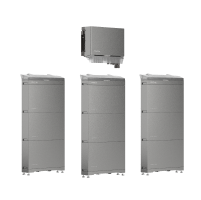
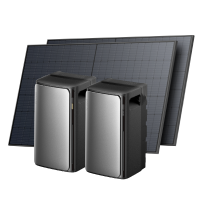

EcoFlow PowerOcean Single-phase Battery
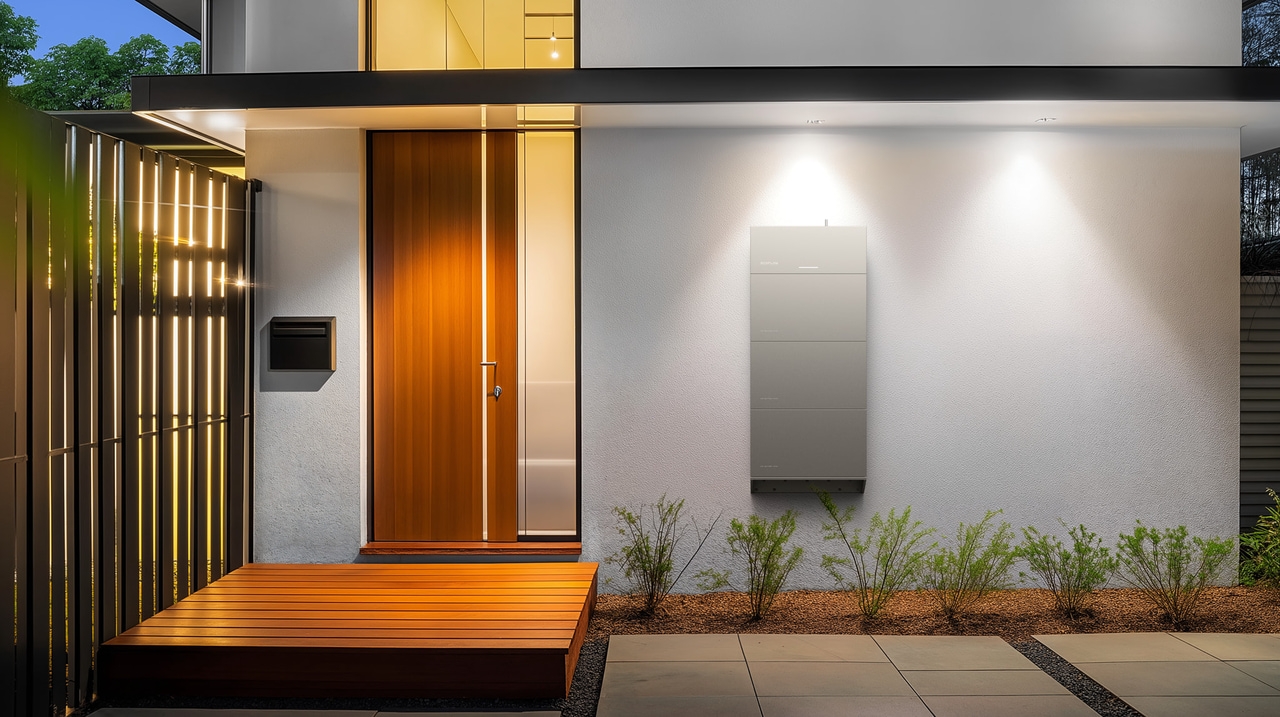
The EcoFlow PowerOcean (Single-phase) is a great entry point for most Australian homes. It is a perfect choice if you are on a standard single-phase grid connection. This modular system is an all-in-one hybrid solution. It combines battery storage, an inverter, and smart controls into one sleek package.
Key aspects
Starts with one 5 kWh battery pack. Add packs to reach up to 15 kWh per inverter, or scale further to 45 kWh with parallel inverters.
Uses safe LFP (Lithium Ferro Phosphate) cells with over 6,000 charge cycles.
15-year warranty on both battery and inverter.
Continuous power output: Up to 6 kW off-grid/backup.
High-efficiency 90V MPPT solar input for better charging from your panels.
IP65 weatherproof rating—suitable for indoor or outdoor installation (floor or wall mount).
What it can powerIt delivers solid blackout protection and daily energy shifting. Run essentials like your fridge, lights, TV, Wi-Fi, computer, washing machine, microwave, or electric stove. In a larger setup, it supports even bigger loads. This keeps your whole home comfortable and running during outages or peak grid prices.
EcoFlow PowerOcean Home Battery (Three-phase)
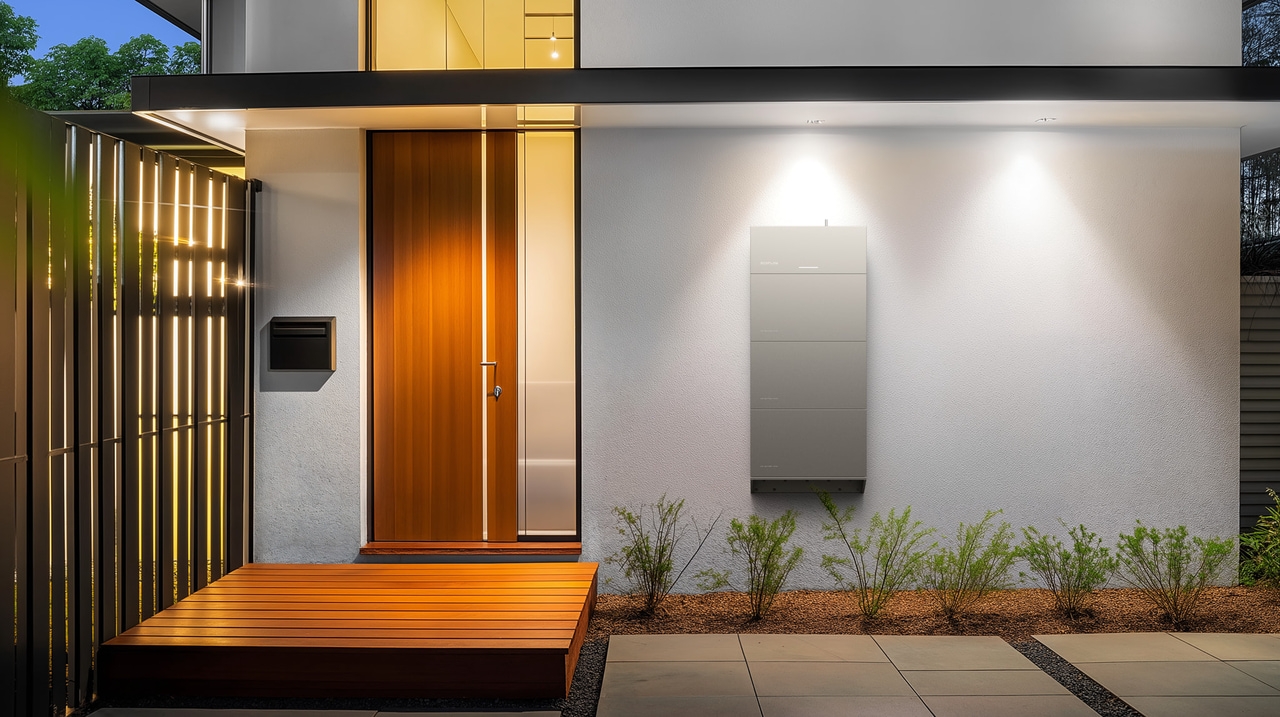
This system is a premium energy powerhouse designed for large homes in Australia. It offers massive storage potential and heavy-duty backup power.
Key aspects
Starts with one 5 kWh battery pack. Add packs up to 45 kWh total, with built-in DC-DC converters for independent high-voltage (800V) operation.
Uses safe industrial-grade LiFePO4 (LFP) chemistry with over 6,000 cycles.
Features an industry-leading 15-year warranty on both the hybrid inverter and battery packs.
Rated backup power output is 10kW, with a peak surge of 12kW for up to 60 seconds.
IP65 weather-proof and fire-proof with an active fire protection module integrated into the system.
What it can power
During a blackout, this system delivers up to 10kW of continuous power to your home. You can run heavy appliances like your refrigerator, microwave, and electric stove. It also supports your dishwasher and washing machine. It can even handle advanced loads like smart heat pumps.
EcoFlow PowerOcean Plus Solar Battery (Three-phase)
This system is a high-performance solution designed for large homes and light commercial use. It is ideal for properties with complex rooftops and high energy demands.

Key aspects
Starts with 5 kWh battery packs. Add packs to reach up to 180 kWh total via parallel connections.
Uses safe LFP (Lithium Ferro Phosphate) cells with over 6,000 charge cycles.
15-year warranty on both battery and inverter.
Continuous power output up to 29.9 kW AC output and three-phase backup.
Massive solar input: Supports up to 40 kW PV input with 4 independent MPPT strings for complex roofs.
Ultra-high voltage: 800V system for better efficiency and handling
IP65 weatherproof rating—suitable for indoor or outdoor installation with a slim 183 mm footprint.
Advanced BMS with fire prevention module and ultra-fast 20 ms blackout switch-over time.
What it can power
It powers big loads like EV chargers, heat pumps, immersion heaters, swimming pool pumps, electric stoves, microwaves, dishwashers, dryers, washing machines, and more. Essentials stay on too: refrigerators, freezers, lights, computers, Wi-Fi routers, and phones—letting you maintain your full lifestyle even when the grid fails.
EcoFlow Intelligent HEMS: Smart control for maximum savings
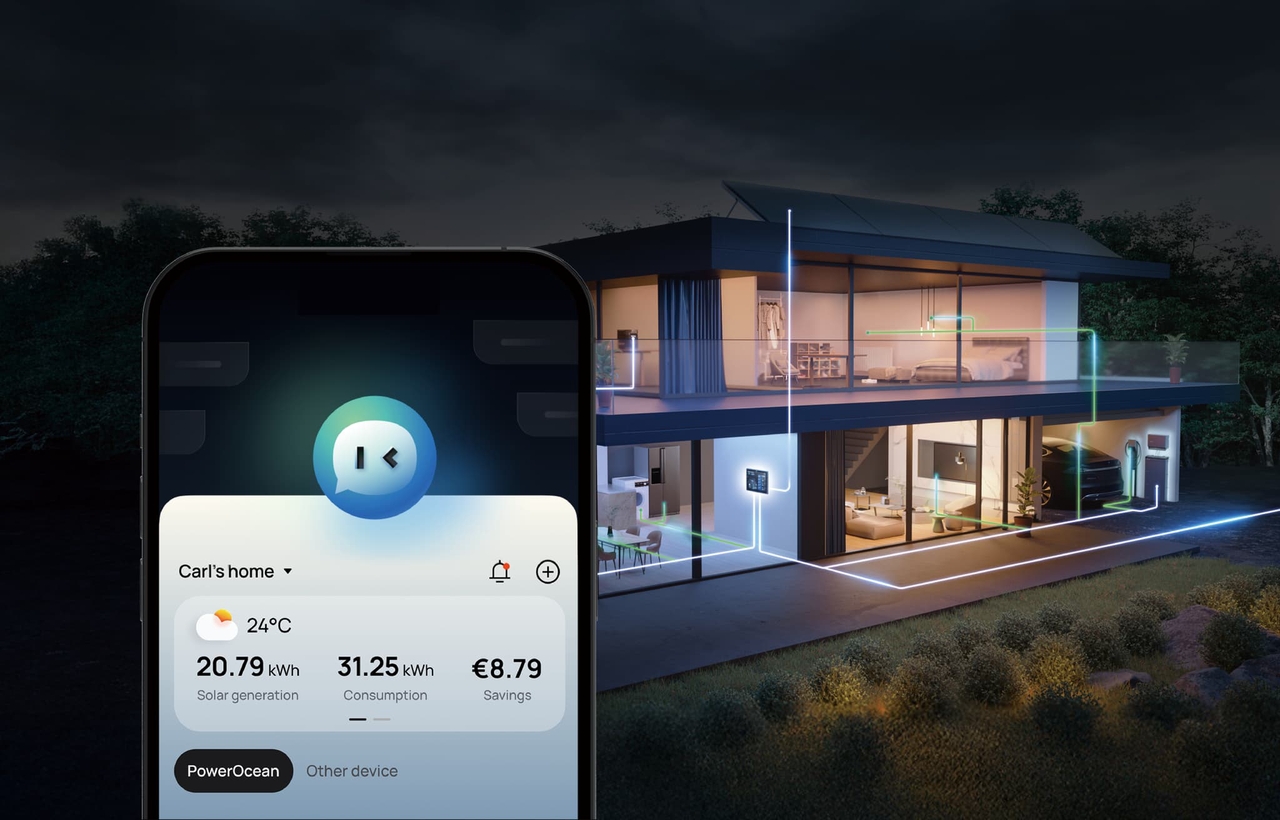
The EcoFlow Intelligent HEMS (Home Energy Management System) is the brain behind your EcoFlow home battery setup. It turns your PowerOcean system into a truly smart energy solution—optimising how you use, store, and save solar power every day. This AI-powered system monitors your home in real time. It tracks solar production, battery levels, household usage, and even weather forecasts. With 90% accurate predictions for solar output and consumption, it makes smart decisions automatically.
Key aspects
Intelligent Mode automates charging during low-cost or high-solar periods. It discharges during peak rates to provide up to 77.6% bill savings in simulations.
AI forecasting predicts solar output and home consumption with 90% accuracy. It also tracks weather to optimise charging, discharging, and backup preparation.
Dynamic tariff integration connects with energy providers. It charges when electricity is cheap and discharges when expensive to maximise cost reductions.
Surplus solar prioritisation directs excess energy to your preferred appliances. It also manages battery storage or grid export to boost your self-consumption.
All-in-one app control offers real-time monitoring and custom widgets. It provides personalised reports, smart recommendations, and seamless device management.
How to access the Cheaper Home Batteries Program
Accessing your home battery rebate is designed to be a simple process for homeowners. You do not need to apply to the government directly to receive the benefit. Instead, the discount is provided upfront through your chosen solar retailer or installer.
Assess your needs and eligibility
First, check if the program fits you. Is your home, small business, or community set up in Australia? Do you have rooftop solar (or plan to add it)? Use online calculators to estimate your daily power use, solar output, and blackout risks. Confirm that your battery will be between 5~100 kWh nominal capacity.
Research and get quotes from accredited providers
Reach out to multiple solar retailers to get a sense of the various battery systems available and their associated costs. When you get a quote, be sure it explicitly states the initial discount provided by the program. This clarity is key to understanding the actual installation expense once the rebate is factored in
Select your installer, battery, and proceed with installation
Pick the best quote and battery that matches your goals. Choose a battery (such as EcoFlow) that is on the Clean Energy Council (CEC) approved list. You must also ensure your installer is certified by Solar Accreditation Australia (SAA) to qualify. Once you are ready, sign the paperwork to assign the rebate certificates to your installer.
Receive the upfront discount
After the installation is finished, your installer will issue a certificate of electrical compliance. The discount is then applied directly to your final bill. This means you only pay the "post-rebate" price, saving you thousands of dollars immediately.
Monitor performance and optimise savings
Once your system is running, use monitoring tools to track your energy production and usage. This helps you see exactly how much money you are saving on your power bills each month. By shifting your heavy appliance use to the daytime, you can maximize your solar savings even further.
Additional state and territory battery schemes
The federal Cheaper Home Batteries Program gives the main upfront discount nationwide. Some states and territories add extra rebates, loans, or incentives. These stack with the federal rebate where allowed. Here's the latest as of February 2026 (check official sites for updates, as programs change fast).
New South Wales (NSW)
VPP incentive: You can receive an upfront payment of approximately $36 per kWh (roughly $480–$720 for a standard battery) for connecting to a Virtual Power Plant (VPP).
Eligibility: Limited to batteries between 5kWh and 28kWh.
Status: The previous direct state battery rebate was suspended in July 2025 to make room for the larger federal rebate, so this VPP payment is now the primary "stackable" extra.
Victoria (VIC)
Solar Victoria rebate: A rebate of up to $1,400 is available for eligible households.
Interest-free loan: You can apply for an interest-free loan to match the rebate amount (up to $1,400), effectively doubling the initial help.
Eligibility: Household income must be under $210,000, and the property value must be under $3 million.
Queensland (QLD)
Battery booster program: Offers a rebate of up to $4,000 for low-to-middle-income households.
Interest-free loans: Eligible homeowners can access interest-free loans of up to $15,000 for battery storage through state green finance programs.
Status: Funding is first-come, first-served. It's highly recommended to apply early in 2026 before the May federal changes.
South Australia (SA)
REPS VPP incentive: Cash rebates of up to $2,050 are available for households that join an approved VPP (like Amber SmartShift or Origin Loop).
Priority bonus: "Priority group" households (concession card holders) often receive a higher rebate amount.
Cap: The incentive is capped at 28kWh of capacity.
Australian Capital Territory (ACT)
Sustainable household scheme: Provides 3% low-interest loans of up to $15,000 for battery storage, repayable over 10 years.
Concession rebate: Eligible concession holders may access a $5,000 rebate. Also, a $10,000 interest-free loan component through the Home Energy Support Program.
Conclusion
The Cheaper Home Batteries Program is making home batteries more affordable than ever in Australia right now. With upfront discounts until 30 April 2026, you can save thousands on CEC-approved systems paired with solar—before the rebate drops and tapering rules kick in from May 2026. Adding a battery slashes your bills, gives blackout protection, and boosts energy independence. Pair it with smart tools like the EcoFlow Home Battery Solution (especially the CEC-approved PowerOcean series) to maximise savings through intelligent energy management and seamless optimisation. Lock in the higher rebate now while it's at its best.
FAQs
1. Is it worth getting a solar battery in Australia?
Yes. With the Cheaper Home Batteries Program providing a 30% discount, typical households can save up to $2,300 a year. By storing energy in an EcoFlow PowerOcean system, you avoid expensive peak grid prices. This helps you maximize your solar investment and achieve true energy independence.
2. Does the solar battery rebate end in 2025?
No. The program is scheduled to run until 31 December 2030. However, the rebate amount will gradually decrease every six months starting in May 2026. EcoFlow PowerOcean qualifies fully, so get quotes now to grab the max upfront discount and avoid losing thousands later.
3. Is the Cheaper Home Batteries Program Australia available for off-grid homes?
Yes. Both on-grid and off-grid systems are eligible. Off-grid systems do not need to be Virtual Power Plant (VPP) capable, unlike grid-connected systems. Eligible systems must be installed by accredited installers on or after 1 July 2025.
4. Does the Cheaper Home Batteries Program mean test?
The federal Cheaper Home Batteries Program is not means-tested. It is available to Australian households, small businesses, and community facilities regardless of income. The program provides approximately 30% off the cost of installing eligible solar battery systems. These systems must be CEC-approved and have a capacity between 5 kWh and 100 kWh. EcoFlow's CEC-approved PowerOcean series fits these requirements easily. Your installer applies the upfront discount regardless of your household income.
5. Why is my electricity bill so high when I have solar panels?
High bills with solar usually mean you are using grid power at night or have high consumption during peak times. It could also mean your current system is undersized for your needs. Without a battery, you sell energy cheaply during the day and buy it back at high rates at night. Adding an EcoFlow PowerOcean battery system lets you store that energy. This maximises your self-consumption and helps reduce your costs significantly.

