
Charge an EV at Home: Easy Guide for Aussie Electric Car Owners
Charging your EV at home is one of the easiest ways to keep your car ready for the week. You plug in, head inside, and wake up to a fuller battery. No queues, no detours, and no last-minute stress before work or the school run.
This guide breaks down "electric car charging at home" for Aussie drivers. You will learn the basics of sockets versus wall chargers, what they can cost, and how to stay safe. We will also cover simple tips to charge smarter, not harder, so your setup suits your home and your daily driving.
Electric Car Charging at Home: Why It Makes Sense in Australia
Charging at home fits the way most Aussies drive. Many of us do short to medium trips during the week, then park the car for long stretches overnight. That downtime is perfect for topping up quietly in your own driveway or garage. Instead of planning your day around a charger, you make charging part of your normal routine.
Home Charging vs. Public Stations: The Real Benefits
Here is a quick side-by-side look at "EV charging at home" and public stations, so you can see the real benefits at a glance below:
Feature | Home Charging | Public Stations |
|---|---|---|
Convenience | Plug in at home and walk away. | You may need to drive out of your way. |
Availability | Always there when you park. | Bays can be full, blocked, or offline. |
Time | Charges while you sleep or unwind. | Waiting can add delays to your day. |
Charging Routine | Simple habit after work or errands. | You must plan stops around chargers. |
Reliability | Same setup, same place, familiar process. | Different networks, apps, speeds, and rules. |
Peace of Mind | Predictable charging on busy weekdays. | Can feel uncertain when you are in a rush. |
Best Use | Every day, top-ups and regular commuting. | Road trips, emergencies, and quick boosts. |
How Home Charging Saves Money and Time
With EV charging at home, you can top up overnight on off-peak rates and avoid pricey fast chargers, which can lower your overall EV charging cost. You also skip driving to stations and waiting in queues. Over time, a proper wall charger charges faster, wastes less power, and turns every night into a simple, low-stress routine each week.
Must-Have Gear for EV Charging at Home
To make charging an EV at home simple and stress-free, you only need a few key items. The right gear depends on how far you drive each day and how quickly you want to top up overnight.
Level 1 vs Level 2: The Basics
Level 1 (Standard Power Point): Uses a regular household socket. It's slow, but fine for light daily driving or plug-in hybrids. Great if you can leave the car charging for longer hours.
Level 2 (Wall Charger): A dedicated home EV charger installed by a licensed electrician. It charges much faster and suits most full battery EVs, especially if you drive often.
Importance of Compatible EV Chargers and Cables
Since not all chargers and cables work the same way, compatibility matters.
EVSE/Home Wall Charger: Choose a unit that matches the plug type of your car and supports the charging speed you want.
Charging Cable: Some chargers contain a fixed cable, and others require one to be added. Install a good cable with the right connector to your EV.
Weather Protection: If you charge outside, look for a charger and cable designed for outdoor use, plus a tidy holder to keep the plug off the ground.
Safety Features: Prioritise overload protection and built-in safety cut-offs. These help protect your car, your home wiring, and your peace of mind
Smart Add-Ons That Make Home EV Charging Easier
Smart Charging App or Timer: Lets you charge off-peak, track usage, and set schedules.
Cable Organiser or Hook: Keeps the area neat and prevents tripping.
Charge Faster, Spend Less: Smart Tips for Home EV Charging
Now that you know the basics, here are practical tips you can use straight away to charge quicker and keep costs down:
Use Off-Peak Rates to Lower Charging Costs
One of the easiest ways to save money is scheduling electric car charging at home during off-peak hours. Electricity is usually cheaper late at night or early in the morning. Most EVs or smart chargers let you set charging times. This simple habit reduces long-term costs and keeps your car ready every morning.
Charge Regularly to Avoid Deep Battery Drops
It is preferable to plug in the EV at home during smaller and frequent top-ups rather than when the battery becomes relatively depleted. The frequent charging will ensure that the battery will be healthier and will not need sharp charging visits. This routine also helps you stay prepared daily. You spend less time worrying about range and more time driving comfortably.
Add Solar and Battery Storage with EcoFlow Solutions
Pairing a solar battery with EV charging at home helps you use more of your own clean power instead of paying peak grid prices. It can cut running costs and make charging feel effortless. You generate energy in daylight, then use it later when the car is parked. That way, your home does more of the work.
EcoFlow is a strong option if you want a reliable Home Battery System in Australia that is designed for solar storage and daily use. It stores excess solar, supports smarter energy control, and helps you charge with less grid reliance. If you want a simple, scalable home battery solution, EcoFlow is worth considering. Below are the EcoFlow gear people commonly pair with solar-first charging:
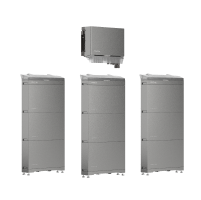
EcoFlow PowerOcean Home Battery (Three Phase)
This is a solar battery solution for storing solar energy and using it later. It is built around LFP battery chemistry and includes an integrated fire prevention module. The design is IP65-rated for outdoor installations. It is also designed to scale as your needs grow.
Key Specs
Starts at 5kWh per pack and is expandable up to 45kWh.
Provides a 10kW continuous-rated backup.
Offers over 6,000 cycles to 70% capacity at 25°C.

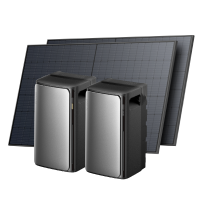
EcoFlow PowerOcean Single-Phase Battery
If your home is single-phase, this version pairs the battery with a single-phase hybrid inverter. It supports multiple inverter sizes, so you can match it to your household and solar array. It can also cascade for larger total storage.
Key Specs
Starts at 5kWh per pack, expandable up to 15kWh on one inverter.
Delivers up to 6kW continuous AC output power.
15-year warranty on battery and inverter.

EcoFlow PowerPulse 2 EV Charger
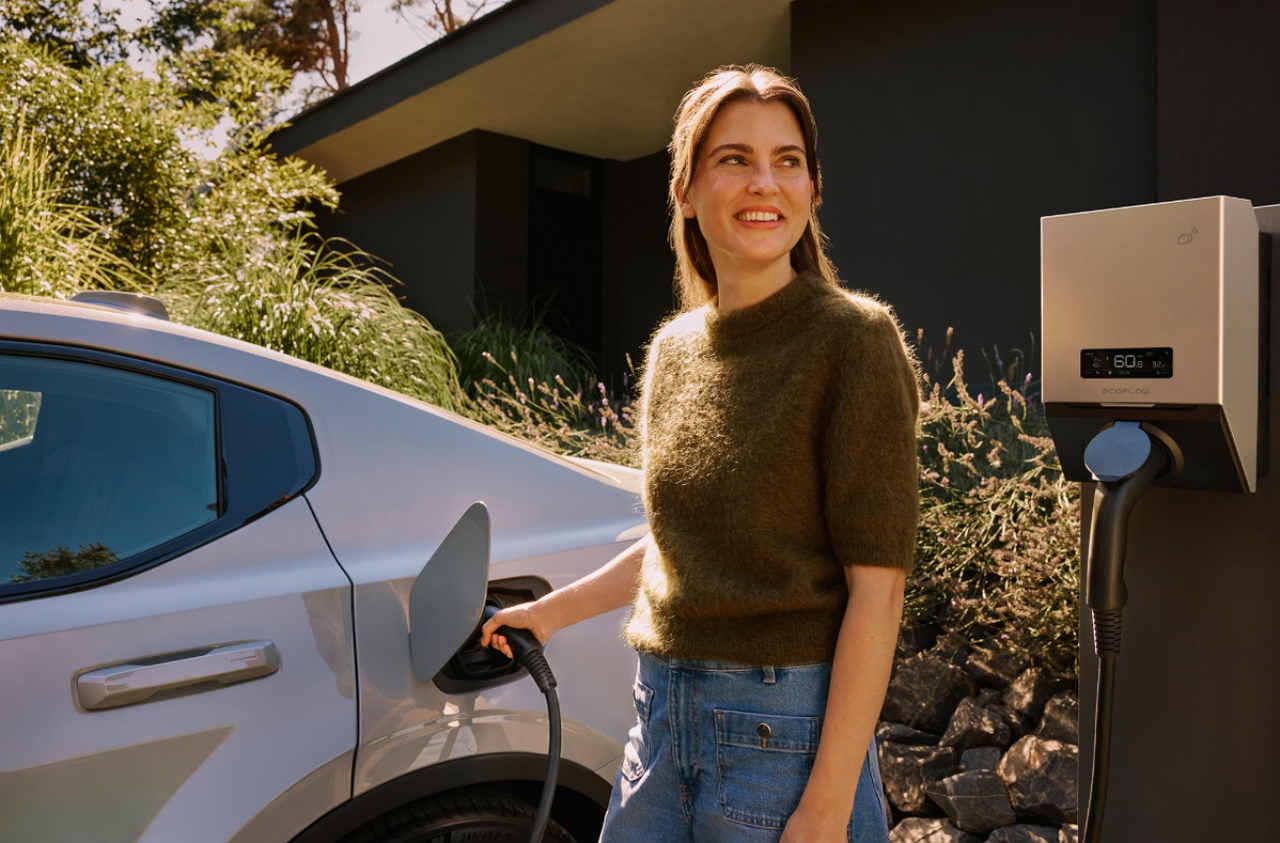
The EcoFlow PowerPulse 2 EV Charger is the piece that turns stored solar into smarter charging. It supports several charging modes, including scheduled and photovoltaic charging. It's designed for outdoor/indoor use and includes app control and RFID access options.
EcoFlow keeps things simple and expandable. Talk to an energy consultant today and get a free solar battery quote.
What kind of product or solution are you interested in?

Use Smart Monitoring and Energy Management Tools
Smart tools improve efficiency whencharging an EV at home. Systems like EcoFlow PowerInsight 2 Monitor help track energy use and automate charging schedules. It lets you use more solar, steer clear of peak pricing, and manage charging from one place. Over time, that keeps costs down and makes the whole setup run smoother.

Install Proper Equipment for Safety and Speed
Using proper gear makes how to charge electric car at home safer and faster. Have an electrician set it up the right way, with the correct circuit and protection. A wall charger will top up faster than a standard outlet. When it's installed properly, charging is smoother, and you do not have to worry about it.
Charging EV at Home: Step-by-Step Guide for Beginners
Once your charger is set up, charging at home is pretty straightforward. Here is a simple step-by-step to get you started:
Step 1: Pick your setup. A standard power point suits light driving. A wall charger suits most EV owners.
Step 2. Check your home power. Make sure your switchboard has space for a dedicated circuit.
Step 3. Stick it near your usual parking spot. Go for a dry, well-lit area, and make sure the cable reaches without any awkward tugging.
Step 4. Use a licensed electrician. Get a wall charger installed professionally. This helps prevent overload risks.
Step 5. Add smart features. Set timers for off-peak charging. Track usage and costs in the charger app.
Step 6. Do a first-charge test. Check that charging starts and stops correctly. Confirm the plug locks in place.
Step 7. Keep the area tidy. Use a cable hook or holder. Keep cords off the ground to avoid trips.
How to Safely Connect Your EV to a Home Charger
For charging an EV at home, safe plug-in habits matter just as much as the charger itself.
Park up and put the car in Park, then pop the handbrake on.
Give the cable a quick look over and keep the plug ends clean and dry.
If your setup needs it, plug into the charger first, then connect to the car.
Wait for the dash light or app to say it's charging and that the connector is locked.
When you are done, stop the charge first, then unplug.
Skip any wet plugs, dodgy adapters, or damaged leads.
Charging Schedules That Help Battery Life
Weekdays: Aim for a steady routine. Charge overnight or during off-peak windows.
Daily Limit: Many drivers set an 80% limit for regular use. It's a common approach.
Before Long Trips: Charge to 100% when you actually need the extra range.
Heat Management: Avoid charging hard in extreme heat if you can. Shade helps.
Conclusion
To conclude, electric car charging at home is the easiest way to keep your EV ready in Australia. Set a simple off-peak schedule, use safe cables, and choose Level 1 or a faster Level 2 wall charger. If you have solar power energy, adding an EcoFlow home battery setup can store daytime power and cut costs while you charge overnight
FAQs
1. Can you charge an electric car with a normal power outlet?
Yes, you can use a standard outlet for charging ev at home, but it is slower. It suits light driving and overnight charging. A wall charger is faster and more efficient daily.
2. What is the best way to charge an EV at home?
Charging the electric cars at home is best achieved through a Level 2 wall charger. It is quicker to charge, more efficient, and compatible with solar and EcoFlow home battery systems.
3. Can I plug my EV car into my dryer outlet?
Yes, dryer outlets can support faster charging EVs at home speeds, but only with proper equipment. Always consult an electrician. EcoFlow charging solutions support safe integration with compatible home power systems.
4. What is the 20/80 rule for charging?
The 20/80 rule means keeping your battery between 20% and 80% daily. This improves battery lifespan and efficiency when "charging EVs at home", while reducing long-term battery stress.
5. Do you need an electrician to install a 240V outlet?
Yes, a licensed electrician must install a 240V outlet to safely charge an electric car at home setups.

