
How Much Does It Cost to Charge an Electric Car?
With electricity bills on the rise and more Australians making the switch to electric vehicles, what does it actually cost to charge your car? Whether you mostly charge at home or occasionally use public stations, understanding the real costs can help you save money, plan your trips, and get the most out of your EV. This guide covers the factors that influence charging costs, typical prices across Australia, and practical ways to keep your expenses down.
What Affects the Cost of Charging an Electric Car?
Charging an EV isn't a fixed expense—it varies based on several factors. Understanding these can help you estimate your monthly costs and find opportunities to save.
1. Electricity Prices and Tariff Types
Electricity rates differ across states and providers. Most households pay per kilowatt-hour (kWh), but some plans offer off-peak rates or dynamic pricing. These time-of-use tariffs can significantly affect your charging costs. Choosing the right tariff can mean paying less per kWh when you charge at home.
2. Battery Size and Vehicle Efficiency
Not all electric vehicles are the same. Larger batteries require more energy to charge fully, and vehicle efficiency—measured in kWh per 100 km—also affects costs. A compact EV with a 40 kWh battery will cost far less to charge than a larger 100 kWh SUV, even if both cover similar distances.
3. Charging Location: Home vs Public
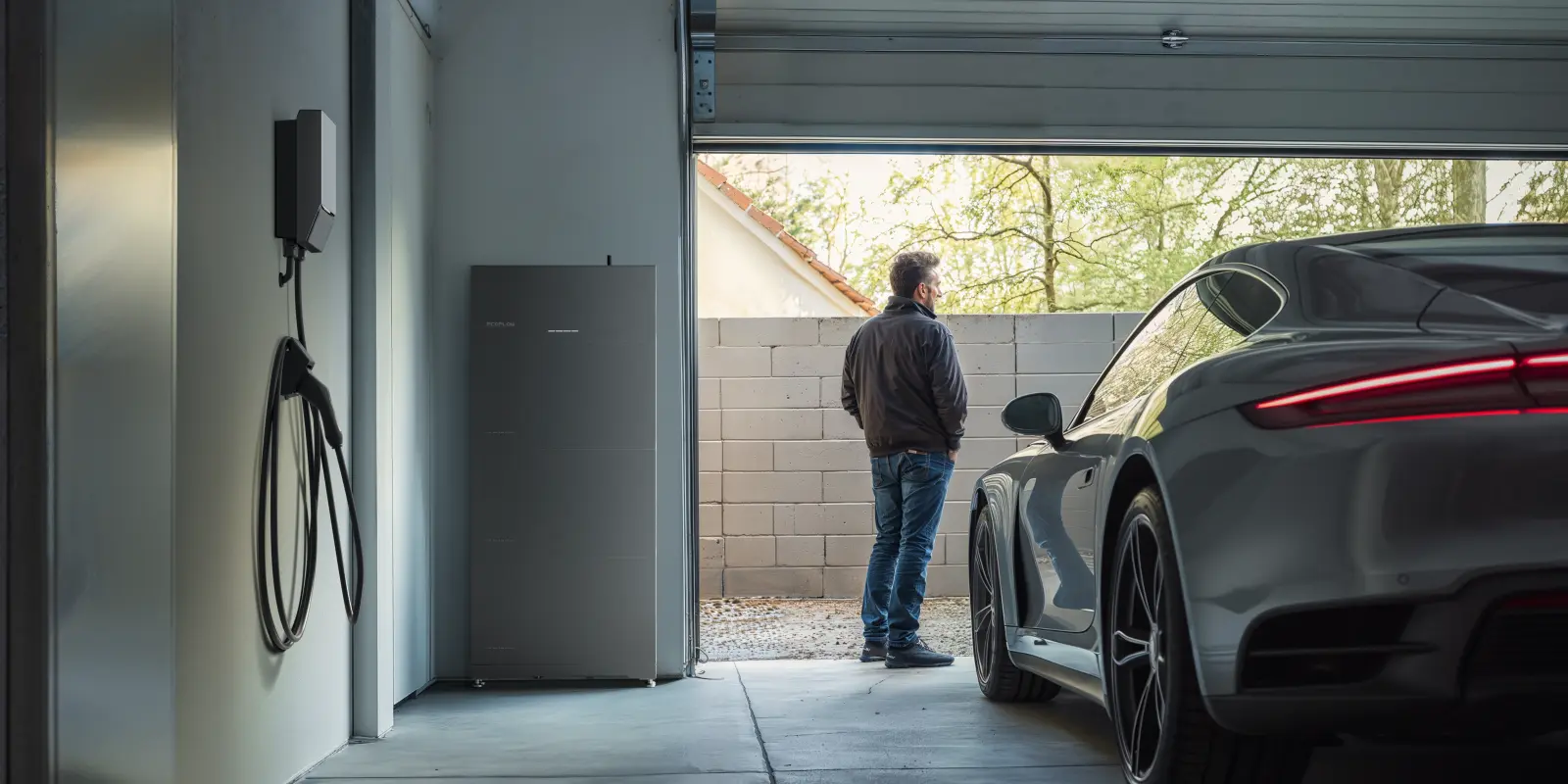
Where you charge makes a difference. Home charging is typically more affordable due to standard residential electricity rates, and this advantage increases significantly when paired with a Home Energy Storage System to manage electricity more effectively. While public chargers—particularly fast DC chargers—can be considerably more expensive. Location also affects convenience, which may influence how often you rely on public charging.
4. Driving Habits and Kilometres Travelled
How far and how often you drive directly affects how frequently you need to charge. Daily commuters with shorter trips may spend less overall, while high-mileage drivers might need daily top-ups, pushing costs higher even if they primarily charge at home.
How Much Does It Cost to Charge an EV at Home?
For most Australian EV owners, home charging is the most convenient and cost-effective option. Here's a closer look at the numbers.
1. Average Cost per kWh for Home Charging
Electricity prices in Australia typically range from $0.25 to $0.35 per kWh, depending on your state and tariff. Charging during off-peak hours—usually overnight—can bring this down to as low as $0.15 per kWh with certain plans.
2. Cost to Fully Charge a Typical Electric Car
For a standard EV with a 60 kWh battery, a full charge at $0.30 per kWh would cost around $18. Larger EVs with 100 kWh batteries could cost closer to $30, which highlights the value of energy-efficient driving and smart charging habits.
3. Monthly Charging Costs Based on Driving Habits
Monthly costs depend on how much you drive. If you're covering around 1,500 km per month in an average EV, you might spend between $45 and $75 when charging primarily at home. Higher-mileage drivers could see costs reach $100 to $150 or more.
How Much Does Public EV Charging Cost?
Public charging offers flexibility when home charging isn't an option, but it typically comes at a higher price. Understanding the different charger types, pricing structures, and when to use them can help you make better decisions.
1. Standard Public Chargers vs Fast Chargers
Public chargers fall into two main categories—AC (slow) and DC (fast):
AC chargers are slower, taking several hours for a full charge. They're well suited to workplaces, shopping centres, or overnight stops.
DC fast chargers can recharge an EV in under an hour, making them ideal for long trips or emergencies. However, they cost more per session, so they're best reserved for when speed is essential rather than everyday use.
2. Pay-as-You-Go vs Membership Pricing
Charging costs vary depending on the network and payment method:
Pay-as-you-go: AC chargers typically cost around $0.40–$0.50 per kWh, while DC fast chargers range from $0.70 to $1.00 per kWh. This option suits occasional users.
Membership plans: These often reduce rates to around $0.30–$0.35 per kWh and may include monthly kWh allowances, making them better value for frequent users.
The right choice depends on how often you use public chargers and whether you prioritise cost savings or convenience.
3. When Public Charging Makes Financial Sense
Public charging is most practical when home charging isn't available:
Long trips: Fast chargers along highways allow quick top-ups between destinations.
Emergencies: Extra range when you need it unexpectedly.
How to Reduce the Cost of Charging an Electric Car
Smart charging habits and good energy management can help you save on electricity while keeping your routine straightforward.
1. Charge During Off-Peak Hours
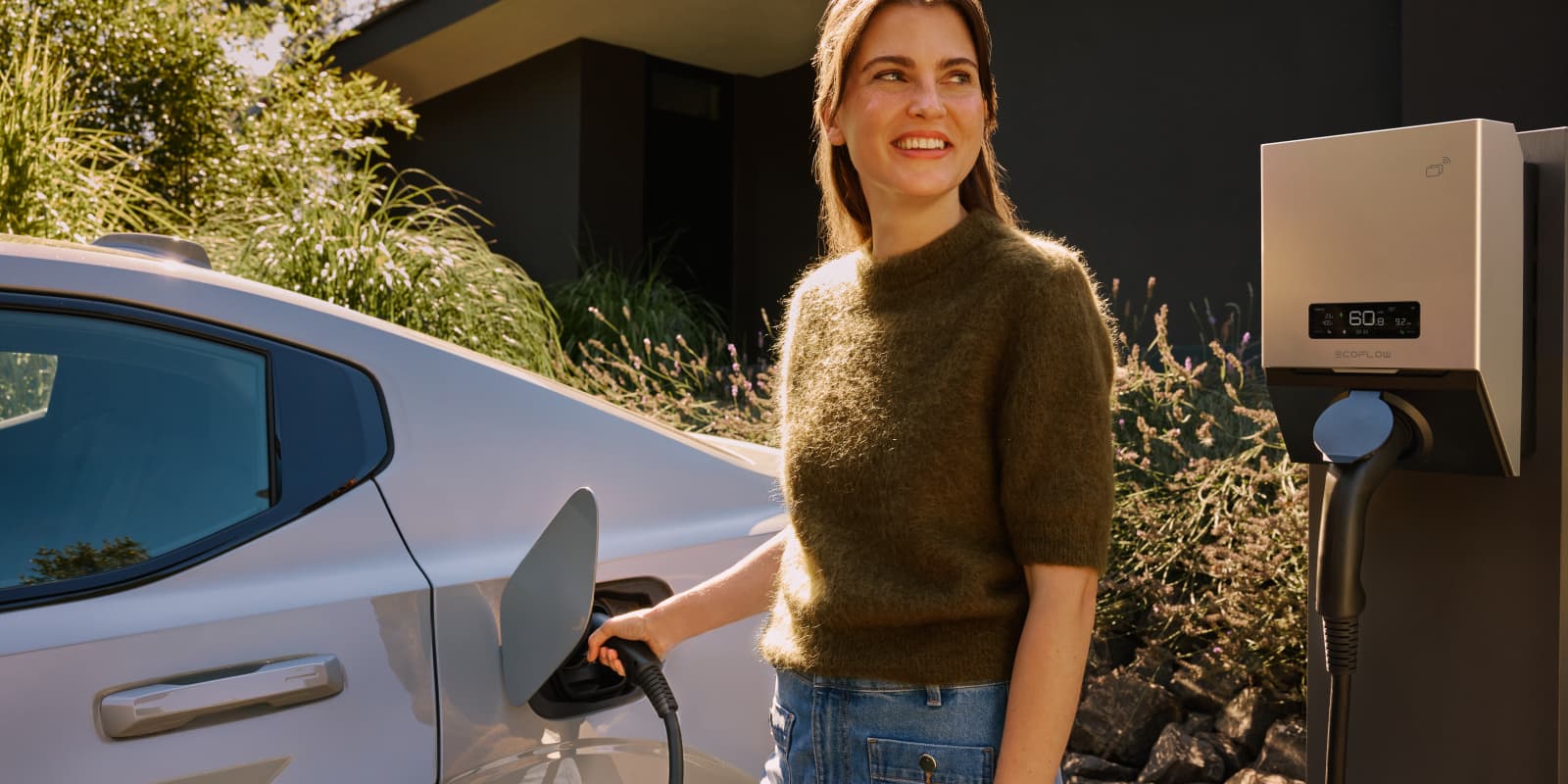
Charging during off-peak hours takes advantage of lower electricity rates. However, remembering to time your charges can be inconvenient. EcoFlow PowerPulse 2 addresses this with Dynamic Tariff Support, automatically identifying low-price windows and scheduling charging accordingly. This ensures your EV charges efficiently, maximising savings per kilometre without disrupting your daily routine.
2. Integrate with Solar and Home Batteries
The most effective way to reduce charging costs is through energy self-sufficiency. Solar panels often generate electricity during the day when your EV is parked elsewhere, creating a timing mismatch. Without storage, surplus energy is typically exported to the grid at low feed-in rates. EcoFlow PowerOcean (Single Phase) solves this by storing excess solar energy in a home battery system, which can then charge your EV overnight. This lowers your per-kilometre costs and provides backup power during outages—combining savings with energy security.
3. Maintain Your EV for Efficient Charging
Regular maintenance is essential for efficient charging and lower electricity costs. Keep the battery within recommended charge levels and monitor its health. Maintain proper tyre pressure and wheel alignment to reduce energy loss.
Your driving and charging habits also matter. Smooth acceleration, effective use of regenerative braking, and charging during off-peak hours or cooler periods can all improve efficiency. Minimising unnecessary weight and limiting heavy use of heating or air conditioning further reduces electricity consumption, helping your EV perform well while keeping costs down.
Is Charging an Electric Car Still Cheaper in the Long Run?
While EVs require a higher upfront investment, charging costs are generally lower than petrol expenses over the vehicle's lifetime.
1. Cost per Kilometre: Electric Car vs Petrol Car
Electric cars typically cost between $0.05 and $0.10 per kilometre, compared with $0.15 to $0.25 per kilometre for petrol cars. Over tens of thousands of kilometres, these savings add up significantly.
2. Short-Term Costs vs Long-Term Savings
The initial purchase price of an EV may be higher, but lower fuel costs, reduced maintenance, and government incentives can make EV ownership financially attractive over time.
3. Impact of Energy Price Fluctuations
EV owners are affected by electricity price movements rather than petrol prices. Using off-peak tariffs, smart chargers, and solar batteries for better solar integration can help cushion the impact of rising energy costs.
What kind of product or solution are you interested in?
Conclusion
Charging an electric car in Australia is generally cheaper than running a petrol vehicle, and understanding the factors that affect costs can lead to meaningful savings. By choosing the right electricity plan, charging at optimal times, and adopting energy-efficient strategies, you can keep expenses down while enjoying cleaner, more sustainable driving. With some planning, electric vehicle ownership can be both practical and cost-effective.
FAQs
1. Are EV charging stations free in Australia?
Some public charging points are free, particularly at shopping centres, council-run locations, or government pilot programs. However, most chargers require payment, especially fast DC chargers that can fully charge an EV in under an hour. Free chargers often have time limits of one to two hours to ensure turnover. It's worth checking apps like PlugShare or Chargefox to confirm availability and pricing before you head out.
2. How much does it cost to charge an EV overnight?
Overnight home charging is typically the most affordable option. For a standard EV with a 60–100 kWh battery, a full charge usually costs between $15 and $30, depending on your electricity tariff and location. Households on off-peak or time-of-use plans can often pay less by charging during low-rate hours.
3. What is the cheapest time of day to charge an EV?
The cheapest times are usually during off-peak periods—late at night or early in the morning. Some states also have shoulder periods with moderately reduced rates. Checking your electricity provider's time-of-use schedule can help you identify the most cost-effective charging times.
4. How much does it cost to charge an electric car at Ampol?
Ampol's public fast chargers typically cost between $0.70 and $1.00 per kWh, depending on charger type and location. DC fast chargers along highways tend to be more expensive than slower AC chargers in urban areas. The final cost varies based on charging duration, location, and whether you use pay-as-you-go or a subscription.
5. Can you charge an electric car for free at a supermarket?
Some Australian supermarkets, including Coles and Woolworths, offer free AC charging for customers, usually limited to one or two hours. This is convenient for short shopping trips but won't provide a full battery recharge. For regular longer-distance driving, home charging or dedicated public networks are generally more practical.

