
Capacity Investment Scheme Australia: How It Lowers Your Energy Bills
Power prices have been a big worry for Australian homes and businesses. At the same time, the country is moving away from ageing coal plants. To keep electricity reliable and affordable, the government launched the Capacity Investment Scheme (CIS). It helps build more renewable energy and large batteries across Australia. The goal is simple. More clean power. Better reliability. Lower energy costs over time. This article explains the Capacity Investment Scheme. We'll also cover how it works and why it supports renewable energy growth.
What is the Capacity Investment Scheme?
The Capacity Investment Scheme is a federal plan to secure Australia's energy future. It is a revenue underwriting initiative designed to drive new private investment. This helps build more renewable generation, like wind and solar, and clean storage, like big batteries. The main purpose is to help Australia hit its 82% renewable electricity target by 2030. As old coal plants retire, the scheme fills the reliability gaps. It ensures power is available when the sun isn't shining or the wind is low. The project's ambitions are considerable, aiming for a total capacity of 40 GW by the end of this decade. This encompasses 26 GW of fresh renewable energy generation and 14 GW of storage that can be dispatched as needed. This represents a significant scaling up from the initial 2025 targets, a response to the increasing demand for energy.
How the Capacity Investment Scheme Works
The government uses a clever process to get these projects started. It ensures we get the best value for our money while fixing the grid. Here is how the process moves from a plan to real power in your home.
Competitive auction & single-stage tenders
The government holds open auctions to find the best energy projects. Companies submit their bids through a single-stage tender process. This keeps things simple and encourages many different players to compete. Competition helps drive down the final cost of the electricity produced.
Merit-based assessment
Not every project gets the green light. Each bid goes through a strict merit-based assessment. Experts look at how reliable the project is and how quickly it can be built. They choose projects that offer the most benefit to the Australian community.
The Revenue Underwriting Agreement (CISA)
Winners sign a Capacity Investment Scheme Agreement – the CISA. It lasts up to 15 years and sets a revenue floor and ceiling. If earnings drop below the floor, the government covers most (around 90%) of the shortfall. If they rise above the ceiling, the project shares extra back (about 50%).
Grid injection & reliability guarantee
The final step is getting the power to you. These projects must prove they can inject power into the grid when it is needed most. This acts as a reliability guarantee for all Australians. It means fewer blackouts and a much more stable power supply for everyone.
Benefits of Australia Capacity Investment Scheme
Accelerates renewable energy growth
The program offers long-term financial assistance for new energy projects. This also reduces the risk for investors and developers. As a result, companies feel comfortable investing money in large wind and solar farms. With less uncertainty, renewable projects are being built much faster.
Lower energy prices
The CIS helps bring a massive amount of cheap renewable energy into the grid. More supply generally leads to lower wholesale electricity prices. Because the government backs the costs, these savings can be passed directly to your household bills.
Economic growth and local jobs
This scheme is likely to pave the way for investment worth $73 billion by the year 2027. The projects taken up under the CIS help the economies of the regions as well as the communities. They provide jobs in construction, maintenance, and energy operations. The strategy further encourages the use of products manufactured in Australia.
Enhances energy reliability and security
Batteries provide dispatchable power when the sun dips or the wind drops. This fills gaps left by retiring coal plants and handles rising demand from EVs and homes. The grid stays stable, meaning fewer blackouts and a more dependable supply for everyone.
First Nations partnership and social licence
A unique part of the CIS is its focus on "social licence." Projects are chosen based on how well they work with local communities and First Nations people. This includes revenue sharing, employment opportunities, and making sure the land is respected. It ensures that the benefits of the green energy boom are shared fairly with everyone
How Renewable Energy Affects Us
Lower long-term electricity costs and bill savings
Renewable energy is now the cheapest form of new power in Australia. Unlike coal or gas, the sun and wind don't have a fluctuating price tag. Once the infrastructure is built, the "fuel" is free. This helps reduce wholesale electricity prices over time. Lower market prices can lead to smaller household energy bills.
Cleaner air and healthier communities
The burning of fossil fuels, like coal, releases pollutants that can harm the lungs and heart. Switching to renewable energy reduces harmful emissions. Cleaner air lowers asthma and other breathing problems. It is a win for our families today and a better legacy for future generations of Australians.
The rise of "Energy Independence"
Australians lead the world in rooftop solar – now in nearly a third of homes. Solar batteries let you store your own power, run essentials during outages, and dodge peak grid prices. This "Energy Independence" gives you peace of mind during global energy crises.
Environmental challenges
All energy sources inevitably affect the land. The construction of new transmission lines and extensive wind farms necessitates meticulous planning. A critical consideration is the need to reconcile the demand for renewable energy with the imperative to safeguard local wildlife and their habitats.
Empowering Your Home: Recommended Solar & Battery Solutions
Having basic solar panels is a great first step—they do a solid job of cutting your daytime bills. But energy tech has come a long way since the early days. Now, it's all about creating a smart home ecosystem where your power is stored and managed automatically, day and night.
This is exactly where the EcoFlow Home Battery Solution makes a huge difference. It is essentially the ultimate tool for breaking free from the grid. By pairing it with your solar panels, you can save up all that extra midday sun and use it when prices spike in the evening or if the power goes out in your street.
Rebate note: This EcoFlow PowerOcean series is eligible for the Cheaper Home Batteries Program. That means you can get some help with the initial cost.
Here are three strong EcoFlow PowerOcean options tailored for Australian homes:
1.EcoFlow PowerOcean Single-Phase Battery
This system is built for standard single-phase Australian homes. It's ideal for families starting their solar and storage journey.

Key Aspects
Flexible & scalable capacity: The initial battery pack provides 5kWh. As your energy requirements increase, you can readily scale up to a maximum of 45kWh using three hybrid inverters.
Cutting-edge battery technology: Employs top-tier LFP (Lithium Iron Phosphate) battery chemistry, designed for optimal efficiency.
Exceptional lifespan: Offers over 6,000 charge cycles, ensuring your investment lasts for years to come.
Heavy-duty backup: The advanced inverter is built for the worst-case scenario, pushing out up to 6kW of continuous off-grid power.
Industry-leading protection: Comes with a 15-year official warranty for total peace of mind.
Rugged safety design: Includes an advanced safety system with a dedicated fire prevention module and an IP65-certified weatherproof design.
What it can power: This system is ideal for daily household essentials. It keeps your home running during outages. You won't be left in the dark during a grid failure. It can easily power your refrigerator, Wi-Fi router, and LED lighting. It also handles your television and home office gear without a problem.
2.EcoFlow PowerOcean Home Battery (Three-Phase)
This system is perfect for modern homes with three-phase power. It provides plenty of energy for larger houses and busy families. You can start with a small setup and add more storage later if you need it.

Key Aspects
Highly flexible investment: Start your journey with a single 5kWh battery pack. You can expand your system up to 45kWh at any time to match your household's growing needs
Independent battery operation: Each 800V high-voltage pack features its own built-in DC-DC converter. This allows them to work independently. It also makes system expansion much easier.
Robust backup power: The system delivers 10kW of rated backup power. It offers a peak output of up to 12kW for 60 seconds. This helps handle high-demand appliances.
Safety and durability: The batteries use industrial-grade LFP (LiFePO4) chemistry. They are fireproof and weatherproof. The system offers over 6,000 life cycles and a 15-year warranty.
What it can power: This powerful three-phase system backs up almost all important household devices. It can handle heavy-duty appliances like electric stoves, dishwashers, and washing machines. It also keeps your refrigerator, computer, and Wi-Fi router running during a blackout.
3.EcoFlow PowerOcean Plus Solar Battery (Three-Phase)
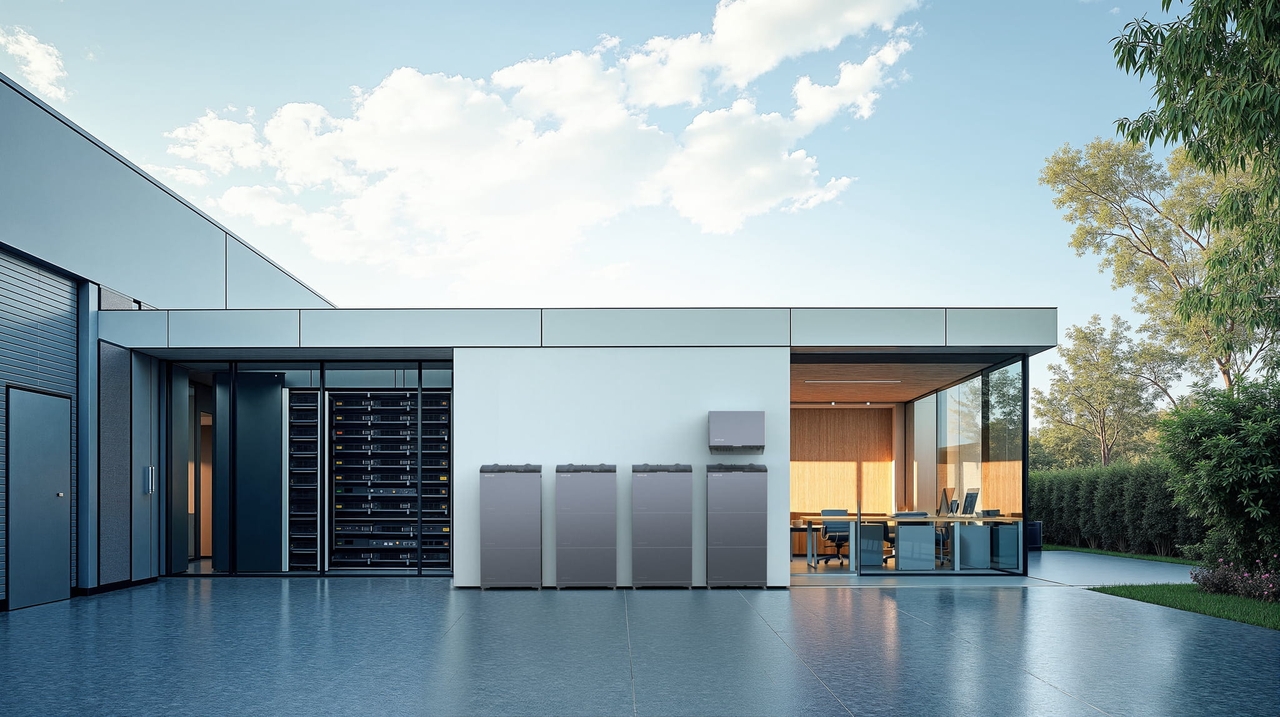
PowerOcean Plus is a high-capacity solution for large homes or small businesses. It is designed for properties with heavy and continuous energy demand.
Key Aspects
Massive solar capacity: It provides a massive solar input of up to 40kW. This gives you the ability to capture power on a cloudy day.
High power output: The output of the device is a continuous AC supply of up to 29.9kW. This means it can support the simultaneous use of multiple high-drain devices.
Complex roof optimization: It works perfectly on complex roofs with up to 4 solar strings. This smart design uses every inch of your roof space to catch more sunlight and lower your energy costs.
Extreme scalability: You can string these units together to achieve a storage capacity of up to 180kWh. This makes it significant enough for large properties.
Financial optimisation: It supports dynamic tariffs. It offers smart energy management. It maximises power independence. It saves money for high-demand users.
What it can power: There is almost nothing this system cannot handle. It effortlessly powers electric vehicle (EV) chargers. It also supports swimming pool heat pumps and ducted air conditioning. You can even run large-scale workshop tools or professional kitchen equipment. It handles all these heavy loads without breaking a sweat.
Smart Management Systems: EcoFlow Intelligent HEMS
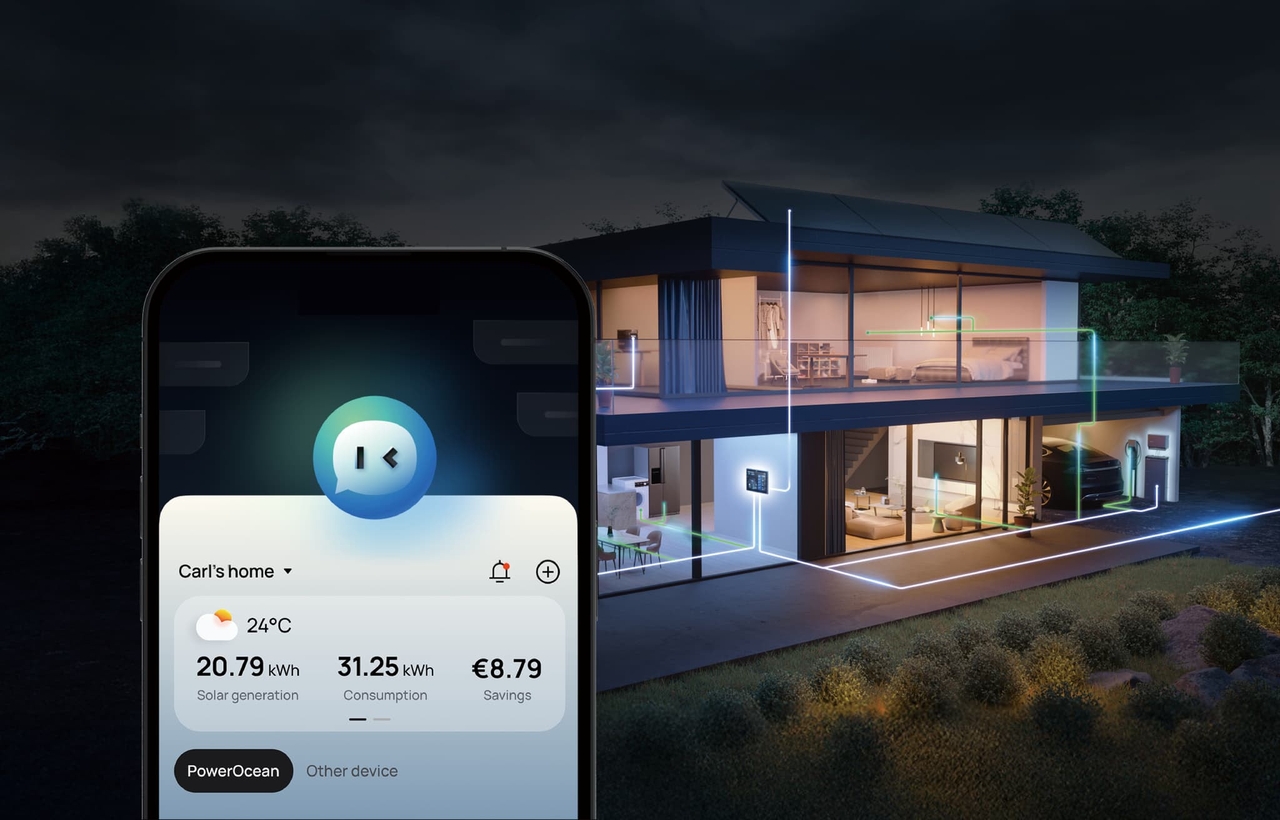
To get the most out of your setup, you should use a smart controller. The EcoFlow Intelligent HEMS (Home Energy Management System) is an AI-powered tool. It tracks your energy use in real-time through the EcoFlow app. It acts like a personal energy housekeeper for your home.
Key Aspects
Intelligent tariff savings: The system connects with dynamic prices that allow the electric current to charge your battery when prices are low. The potential savings on your energy costs? Up to 77.6%.
Smart forecasting: It leverages precise weather data to anticipate your solar energy production. This means your home consistently operates at its most efficient.
Proactive blackout protection: The app monitors severe weather alerts. It automatically charges your battery to 100% before a storm hits.
Seamless integration: This open ecosystem works with many third-party smart devices. You do not need to swap between different apps to control your home.
Ready to slash your energy bills? Get a free solar battery quote for your EcoFlow System today!
What kind of product or solution are you interested in?


Conclusion
The Capacity Investment Scheme is a massive step for Australia. It makes our energy grid cleaner, stronger, and much more affordable. The government is securing a lower-cost future for all households by boosting private investment in renewables. You can take this a step further by choosing the right home tech. Using an EcoFlow Home Battery helps you capture the full benefits of this green transition. You can store cheap power and gain true energy independence today.
FAQs
1. How long is a CIS contract?
Most Capacity Investment Scheme agreements run for around 15 years. This long-term support gives investors confidence to build large projects. It also helps ensure a stable energy supply for the grid over time.
2. How much will the Capacity Investment Scheme cost?
The program is designed to spur roughly $73 billion in private investment, all aimed at new clean energy initiatives. The federal government is footing the bill, using revenue underwriting to do so. They step in to cover any financial gaps that might arise, but they also get a share of the profits when projects outperform expectations.
3. Will the CIS lower my household electricity bills?
Yes, over time. More renewable supply reduces wholesale electricity prices. Lower wholesale costs usually flow through to retail energy plans. You can save even more by using an EcoFlow battery to store this cheaper energy for nighttime use.
4. What happens to household energy costs as more CIS projects come online by 2030?
Energy prices should become more stable and less exposed to fuel price shocks. The CIS aims to support an additional 40 GW of capacity by 2030. Cheaper renewable generation will replace older, expensive coal plants. Systems like the EcoFlow PowerOcean help you lock in these savings by maximizing your solar usage.
5. How can small businesses use home-style battery systems to gain from CIS-supported grid stability?
Small businesses can install solar and battery systems to reduce peak demand charges. Stored energy can be used during high-price periods or outages. Solutions like EcoFlow PowerOcean systems help maintain operations, cut energy costs, and improve reliability as the grid transitions to cleaner power.

