
Tuscan Style Homes: A Guide to Mediterranean Elegance and Design
Choosing tuscan style homes often means balancing rustic beauty with the frustration of outdated infrastructure that fails during modern power outages. While heavy stone walls provide charm, they can interfere with standard electrical upgrades, leaving homeowners feeling vulnerable. The EcoFlow Ocean Pro provides the ultimate long-term solution, offering industrial-grade reliability with a premium finish that blends seamlessly into your Mediterranean aesthetic. It ensures your home remains powered and elegant, proving that high-tech resilience doesn't have to compromise classic design.
The history and philosophy of Tuscan home architecture
Tuscan architecture is rooted in the rugged landscape of Central Italy, where local limestone and timber define early structural forms. This style is driven by the "Vivere alla Toscana" philosophy, an ethos of "slow living" that prioritizes a deep harmony between the home and the natural world.
What began in the 15th century as functional stone farmhouses designed for agricultural resilience has evolved into a global symbol of luxury. Today, modern Tuscan homes retain this soulful connection to the earth while adapting ancestral masonry techniques for high-end, sophisticated estates worldwide.
Key architectural features of Tuscan style homes
To understand the allure of the Tuscan aesthetic, one must look at the specific elements that define its silhouette. These features are not merely decorative; they are a response to the Mediterranean climate, designed to provide cool interiors and seamless transitions to the outdoors.
The exterior shell
The primary identity of a Tuscan home lies in its rugged, organic exterior.
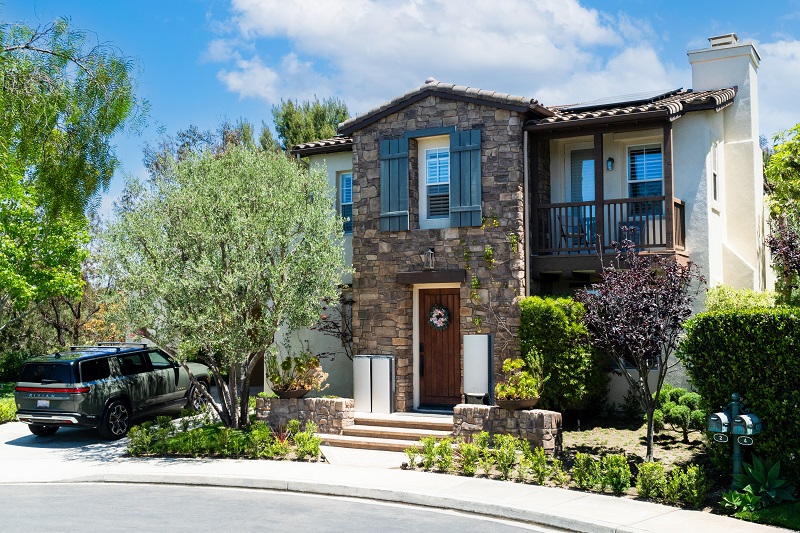
Textured stucco and stone: Facades often feature a combination of rough-cut local stone and thick, hand-troweled stucco in warm, sun-washed tones like ochre and terracotta.
Barrel tile roofs: The iconic low-pitched rooflines are clad in red clay barrel tiles, which are essential for both fire resistance and shedding heavy Mediterranean rains.
Structural elements
The strength of Tuscan architecture is emphasized through bold, traditional structural choices.
Arched openings: Arched doorways and windows are a fundamental signature of any Tuscan style home, adding a sense of classic rhythm and grace to the heavy masonry.
Artisanal detailing: Prominent stone chimneys and intricate wrought iron work, seen in balconies, window grilles, and gates, provide a delicate contrast to the massive stone walls.
The connection to nature
True to its rural origins, Tuscan architecture actively invites the landscape into the living space.
Outdoor living rooms: Central courtyards, shaded loggias, and vine-draped pergolas act as natural extensions of the interior, offering respite from the sun.
Sensory accents: The sound of water from stone fountains and the presence of manicured water features reinforce the tranquil, nature-centered atmosphere that defines the Tuscan lifestyle.
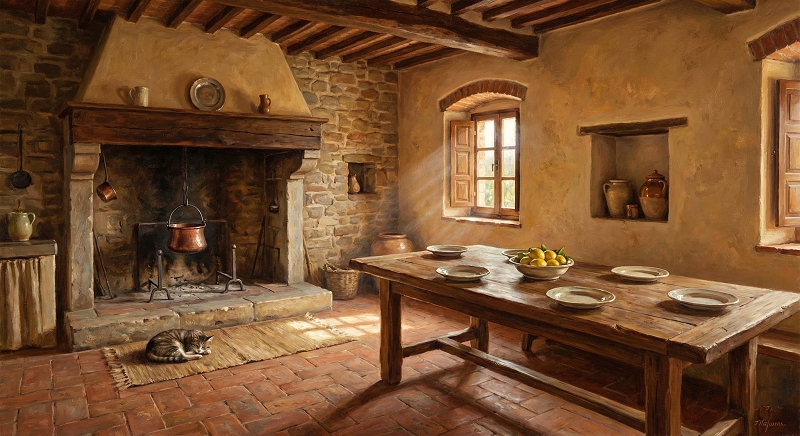
Interior design: creating the Tuscan home plan atmosphere
The interior of a Tuscan home is designed to feel curated over centuries rather than decorated in a day. It is a sensory experience defined by tactile materials, a sun-drenched palette, and a commitment to artisanal craftsmanship that makes every room feel grounded and permanent.
Materials and textures
Texture is the soul of Tuscan interiors, moving away from flat surfaces in favor of depth and history.
Ceiling interest: Rooms are often anchored by exposed heavy timber beams or elegant coffered ceilings, providing a sense of structural grandeur.
Natural flooring: Authenticity starts from the ground up with deep-red terracotta tiles, creamy travertine stone, or wide-plank reclaimed wood that shows the character of its previous life.
Color palette
The colors of a Tuscan style home are a direct reflection of the Italian landscape, designed to glow under both natural sunlight and warm evening lamps.
Earthy foundations: Traditional palettes lean heavily on ochre, burnt sienna, olive green, and warm gold.
Modern refinement: Contemporary interpretations soften the look by integrating muted beiges, greys, and slate blues to create a more airy, transitional feel.
Furnishings and soft goods
Furniture in these homes is built to last generations, favoring weighty pieces over minimalist trends.
Statement pieces: Large, heavy wooden dining tables are central to the home, often paired with high-backed chairs featuring wrought iron accents.
Textiles: Natural fabrics like linen, wool, and worn leather add soft layers of comfort to the stone and wood surroundings.
Additional tips for impact
Small accents: You can transform a space by simply swapping modern hardware for antique wrought iron or adding oversized terracotta planters in the corners of a room.
Atmospheric lighting: Avoid harsh overhead lights. Instead, use iron chandeliers with amber-toned glass or rustic wall sconces to mimic the soft, golden glow of a Tuscan sunset.
How to bring your Tuscan home plans to life?
Moving from inspiration to construction requires a clear strategy for merging historical aesthetics with contemporary lifestyle needs. Bringing your Tuscan home plans to life is an exercise in balancing heavy architectural weight with the lightness of modern living.
Step 1: Visualizing the layout
The most critical step in the design phase is immersion. Utilizing Tuscan home plans photos allows you to see how light interacts with stone and how courtyards manage airflow. High-quality visual references help you communicate specific textural expectations to your architect, ensuring the hand-crafted feel isn't lost in digital blueprints.
Step 2: Selecting the right type of plan
Traditional villas vs. transitional Tuscan: While a traditional villa focuses on strictly historical symmetry and heavy masonry, "Transitional" plans offer a modern-rustic mix, often using thinner stone veneers and larger glass panes to brighten the interior.
Symmetrical vs. asymmetrical: Symmetrical layouts offer a formal, palatial feel typical of Renaissance influence, whereas asymmetrical plans mimic the organic growth of old Italian farmhouses that were expanded over centuries.
Step 3: Customizing to include modern amenities
Authentic Tuscan design doesn't have to mean living in the past. Modern Tuscan home plans are frequently adapted for:
Open-concept kitchens: Swapping small, enclosed galleys for expansive "chef’s kitchens" that maintain the rustic look through stone pizza ovens and reclaimed wood islands.
Integrated home theaters: Concealing high-tech media rooms behind heavy wooden doors or within basement levels to preserve the home's historic facade.
Lastly, as you continue to refine your floor plan to include these luxuries, the need for a robust, reliable power infrastructure becomes paramount. A truly modern Tuscan estate requires energy independence that respects its aesthetic heritage, a challenge perfectly met by EcoFlow's latest innovations in home energy storage.
The resilient Tuscan home: modern power with EcoFlow Ocean Pro

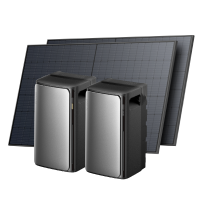
EcoFlow Ocean Pro
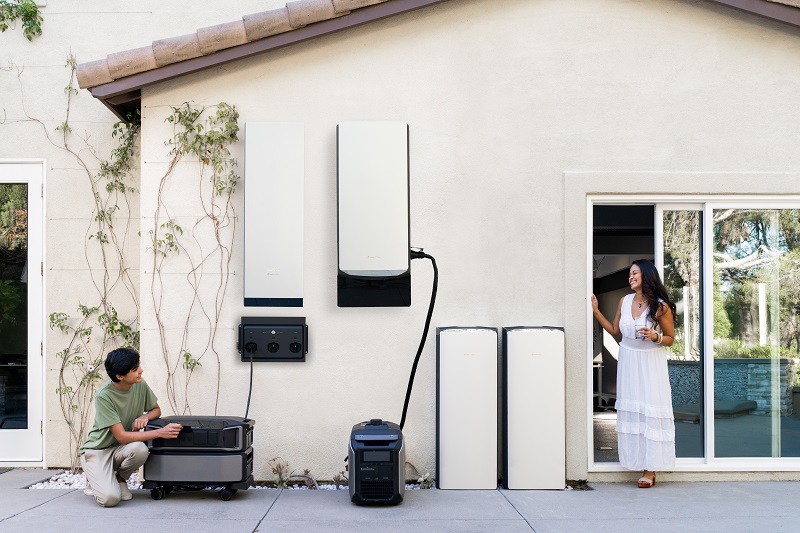
The EcoFlow Ocean Pro addresses this by providing a high-performance, whole-home backup/energy storage system designed for luxury estates. With a nominal output ranging up to 24kW of continuous power and a massive 205A LRA load start capability, it can effortlessly manage the heavy startup demands of central cooling systems and high-speed chargers. Its scalability is equally impressive, supporting up to 80kWh of battery capacity per inverter, ensuring your villa remains an oasis of light even during grid failures.
Aesthetics and finishes
Standard industrial batteries typically clash with the warm stucco and raw timber of a Tuscan style home. The Ocean Pro changes this narrative by treating energy storage as a piece of curated furniture.
The premium walnut wood finish: This finish allows the unit to blend seamlessly with reclaimed wood flooring and ceiling beams, making it look like a high-end sideboard rather than a utility component.
Additional luxury options: For transitional or more contemporary Tuscan builds, owners can opt for carbon fibre for high-performance, modern edge, or aerospace-grade aluminium for a sleek, minimalist touch that complements slate and travertine.
Smart integration
Operating at a whisper-quiet level of less than 45 dB(A), the Ocean Pro respects the tranquility of the Tuscan lifestyle. Its smart integration, managed via the EcoFlow app and data-driven energy management, ensures that your power consumption is optimized for efficiency.
This technological backbone provides an unmatched reliability that perfectly matches the "slow living" ethos of a traditional Italian estate, allowing the home to be both historically beautiful and technologically indestructible.
Things to consider when opting for Tuscan style homes for sale
When entering the real estate market to find your own piece of Mediterranean elegance, understanding the nuances of location, value, and maintenance is essential. Searching for Tuscan homes for sale requires an eye for both aesthetic authenticity and structural longevity.
I. Current market trends: where to look
While the heart of the style remains in the Italian countryside (specifically the Siena and Florence provinces), high-end Tuscan style homes for sale are a prominent fixture in several key domestic regions:
Southwest US: States like Arizona and California offer a dry, arid climate that perfectly preserves stone and stucco.
Florida: Coastal enclaves from Naples to Davenport feature master-planned communities like Tuscan Hills, where modern villas blend Mediterranean design with tropical amenities.
Mediterranean regions: For those seeking the ultimate pedigree, the Chianti and Val d’Orcia regions remain the global epicenter for historic luxury estates.
II. Investment value and timelessness
One reason Tuscan-style homes for sale maintain consistently high resale values is their "timeless durability." Unlike trendy modern designs that may feel dated within a decade, the natural materials used in Tuscan architecture, stone, timber, and clay, actually gain character as they age. This organic patina is highly sought after by luxury buyers, ensuring the home remains an appreciating asset rather than just a residence.
III. Buyer’s guide: inspecting pre-owned estates
If you are considering a pre-owned Tuscan style home, your due diligence should focus on the intersections of old design and new requirements:
Stucco and stone integrity: Check for spalling or deep cracks in the stucco, which can indicate moisture issues behind the thick facades.
Roof tile health: Inspect the barrel tiles for chips or misalignment; authentic clay tiles are durable but require expert care to remain watertight.
Modernized energy systems: Most older Tuscan estates were not built for modern electrical loads. A primary advantage is finding a home already equipped with, or ready for, advanced solar energy solutions like the EcoFlow Ocean Pro, which handles the power demands of a luxury lifestyle while respecting the property's historic visual language.
Signing off
The enduring allure of the Tuscan aesthetic lies in its ability to ground us in a modern world that often feels too fast and too synthetic. By combining the old world soul of sun-drenched stone and textured stucco with a commitment to slow living, these homes offer a sanctuary that transcends fleeting architectural trends.
Looking ahead, the future of the Tuscan home is one of invisible resilience. Through the seamless integration of modern energy solutions like the EcoFlow Ocean Pro, homeowners no longer have to choose between historical charm and 21st-century reliability. You can now enjoy a home that feels ancient in its beauty, yet remains technologically indestructible and energy-independent.
Thus, if you are ready to bring your Mediterranean vision to life in the best possible manner, then request a consultation today and power your estate with elegance using the EcoFlow Ocean Pro.
What kind of product or solution are you interested in?

FAQ
1. What are the best ways to browse Tuscan home plans photos for inspiration?
Start with high-end architectural galleries and Pinterest for a visual baseline. For a professional result, the EcoFlow Ocean Pro website showcases how modern energy can seamlessly integrate into these historic visuals without disruption.
2. Do Tuscan style houses still exist?
Yes, they remain a global staple of luxury residential architecture. Modern buildings now prioritize resilience, often utilizing the EcoFlow Ocean Pro to maintain a classic silhouette while meeting 21st-century power and reliability standards.
3. What should you look for when evaluating the quality of Tuscan homes for sale?
Focus on authentic stone craftsmanship and "invisible" modern infrastructure. A quality estate should feature high-performance systems like the EcoFlow Ocean Pro, ensuring the home's long-term utility matches its timeless Mediterranean aesthetic.
4. What is the most sought after house style?
While modern farmhouses and contemporary homes lead volume, the Tuscan villa remains the top choice for timeless luxury. The EcoFlow Ocean Pro enhances this desirability by adding reliable, stylish energy independence to these grand estates.
5. How can I modernise a classic Tuscan style home without losing its charm?
Integrate seamless-looking technology and refined finishes. Swapping bulky utilities for an EcoFlow Ocean Pro in premium walnut wood keeps your home functionally modern and energy-resilient without compromising its historic Italian soul.
