
How Can I Monitor My Solar System? A Solar Monitoring System Guide for Large Home Storage

Large home storage is built to carry real household loads, so monitoring has to be clear and fast. A solid solar monitoring system should explain three daily pain points: battery drop that feels too fast, grid imports that hit during expensive hours, and solar output that looks fine yet savings feel small. If you keep asking, how can I monitor my solar system, the fix usually starts with seeing solar, loads, battery, and the grid on one consistent view.
What Should You Monitor in a Solar Panel Monitoring System for a Large Home?
Start by defining the daily signals you need. A solar panel monitoring system earns its keep when it explains battery drop and grid imports with simple cause-and-effect.
Solar Production That Matches Real Conditions
Solar output shifts with weather, temperature, and shading, so compare like days with like days. Track real-time solar power, the daily energy total, and the shape of the production curve from morning to late afternoon.
Whole-Home Consumption and Peak Drivers
Large homes typically have a few loads that create most of the trouble. Your solar monitoring system should reveal when those loads stack on top of each other.
Common peak drivers in large homes include central HVAC compressors, electric ovens and ranges, EV charging, pool pumps, and well pumps. You do not need a perfect breakdown to improve results, but you do need to see the timing and size of peaks.
Battery State of Charge Plus Power Rate
Battery percentage alone does not predict comfort during an outage. Add two more views: charge or discharge direction and the power rate at that moment. A high discharge rate can shorten runtime quickly, even when the state of charge looks healthy.
Grid Import and Export That Matches Your Utility Statement
Grid flow is the bridge between your system and your bill. If you have net metering, the U.S. Department of Energy explains that a single bi-directional meter records both the electricity you draw from the grid and the excess electricity your system feeds back into the grid.
That is why grid import spikes during peak pricing hours often matter more than small variations in solar output.
View | What It Answers | What To Do With It |
|---|---|---|
Solar production | How much the roof is supplying now | Time flexible loads into solar hours |
Home consumption | What the house is demanding | Spot peak stacking and reduce it |
Battery behavior | How fast stored energy is moving | Protect outage runtime and manage peaks |
Grid import export | When the utility is filling gaps | Reduce expensive imports and improve ROI |
Which Solar Monitoring System Setup Fits Your Home Battery and Solar Configuration?
After you define what to monitor, you can choose where the measurements come from. A large home often has multiple apps and portals, so the setup has to produce one coherent picture, or the data becomes noise.
Inverter Portal Monitoring
Inverter portals are strong for PV health, production reporting, and fault alerts. They often struggle to explain why the battery drains quickly in the evening, because the load side is usually missing or limited.
Whole-Home Energy Monitoring
Whole-home monitoring adds consumption plus grid import and export, which is where most large home decisions live. For many households, this is the point where a solar monitoring system starts to feel like a control tool rather than a chart.
Circuit-Level Visibility for Big Loads
Circuit-level visibility helps when several heavy loads behave differently and overlap. It can highlight the specific load responsible for a sharp spike, which is valuable when your goal is stable HVAC comfort during an outage.
Large Home Storage vs Portable Storage
Large home storage is integrated into the electrical infrastructure and designed to support multiple circuits for longer durations. Portable storage supports point loads and shorter use cases. The monitoring needs differ: an installed system benefits from whole-home flows and grid interaction, while portable storage is often measured at the device level.
What Makes the Best Solar Power Monitoring System for Whole Home Backup?
Now you can evaluate features with a clear lens. The best solar monitoring system for a large home does three things well: it stays readable under stress, it stays accurate enough to trust, and it supports decisions that change outcomes.
Real-Time Clarity in One Place
During outages, you should see solar input, home load, battery direction, and grid status together. When those appear on separate screens, decisions slow down, and comfort suffers.
Accuracy and Data Quality That Holds Up Over Time
Performance monitoring depends on the measurement hardware quality and installation. NREL notes that performance monitoring is significantly affected by measurement hardware quality and installation professionalism.
For homeowners, the practical takeaway is simple: prefer monitoring that stays consistent across seasons and aligns with the meter trend on your bill.
Rate Awareness for US Households
If you are on time variable pricing, timing matters as much as total kWh. The U.S. Department of Energy notes that time-of-use rates change by set amounts at set times, and these are part of broader time variable pricing options.
A good solar power monitoring system makes expensive import windows obvious, so you can shift flexible loads and protect battery energy for peak hours.
Alerts That Save You Time
Useful alerts focus on events that affect comfort and cost:
Unexpected drop in solar production on a clear day
Unusually high consumption that repeats at the same time
Battery falling faster than your normal baseline
What kind of product or solution are you interested in?

How Can a Dedicated Energy Display Help You Monitor Solar, Loads, and Battery Performance?
Once the monitoring basics are in place, the biggest improvement often comes from making the data easier to use every day. A dedicated display can turn monitoring into a shared household habit, which matters in large homes where decisions involve everyone.
Why a Dedicated Display Works in Large Homes
A wall or countertop display reduces friction and speeds up decisions. It also helps households align on simple rules like delaying EV charging during peak pricing or reducing discretionary loads when the battery is trending down.
A dedicated display makes energy data easier to use in a busy household. You can spot load spikes right away, and everyone sees the same picture during peak hours or an outage. EcoFlow PowerInsight 2 Monitor fits this role as an always-available view of home energy flow. It keeps solar production, home demand, and battery status in one place, so you can react early when peaks start stacking. It also supports control of compatible smart devices, which can make load shifting simpler.
How to Connect Your Monitor, Energy Management Platform, and Smart Devices for Load Shifting
With visibility in place, you can connect monitoring to action. Load shifting is where large home storage pays off, because big flexible loads can move enough energy to change the bill and protect backup comfort.
Step 1: Align the Data Sources
Confirm that solar production, home consumption, battery behavior, and grid flow make sense together for several days. You are checking for consistent timing patterns, not perfect matching numbers.
Step 2: Start With High-Impact Flexible Loads
Keep the list short so it stays manageable:
EV charging schedule
Pool pump run time
Dehumidifiers and space heaters
Minor thermostat adjustments during peak pricing
Smart plugs on discretionary devices
How to Use Monitoring Data to Cut Bills and Improve Backup Readiness
At this stage, monitoring should lead to outcomes you can feel. Large homes usually see results by focusing on two levers: reducing expensive grid imports and protecting battery energy for the hours that matter most.
Cut Bills by Targeting Expensive Import Windows
Start by finding the time window where grid imports peak and rates are highest on your plan. Time of use schedules vary by utility, but the structure is the same: prices move at set times.
Use the dashboard to shift one flexible load per week into lower-cost hours or into the solar production window. This approach stays simple and delivers clear feedback.
Improve Backup Readiness With Real Load Profiles
Battery runtime lives and dies on actual load behavior. Review a normal evening and note the biggest spikes. If HVAC cycles create the steepest declines, focus on comfort-preserving changes: keep doors and blinds managed, avoid simultaneous appliance heating loads, and pause discretionary equipment when the battery trend turns downward.
Where Large Installed Storage Raises the Stakes
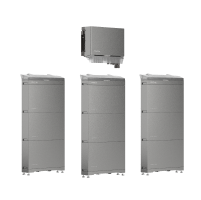
If your home uses a larger installed system, such as EcoFlow OCEAN Pro, monitoring becomes even more important. Larger home storage is designed to support heavier household loads and capture more solar, so timing and peak control drive real results. A consistent solar panel monitoring system helps you protect backup comfort, reduce expensive imports, and notice performance changes early.
Get Your Solar Monitoring System Running This Week
Start with one week of consistent check-ins so the data forms a baseline you can trust. Pick one cost target tied to peak-hour grid imports and one comfort target tied to evening battery behavior. Review the same dashboard at the same time each day, then make a single change based on the biggest peak you saw. That simple rhythm turns monitoring into a clear next step, rather than another set of charts.
For households that want the energy picture to stay visible and easy to act on, EcoFlow PowerInsight 2 Monitor is a practical add-on. It keeps solar production, home demand, and battery status in one always-available view, which helps you catch peak stacking early and adjust before it chips away at backup comfort.
FAQs
Q1: Do I Need Solar Monitoring?
Yes, you need it if you care about uptime, warranties, or predictable savings. Monitoring helps confirm the system is producing close to expectations, catches issues like inverter communication dropouts or string underperformance early, and gives you a clean record to share with an installer for service calls. It also helps validate changes after roof work, tree growth, storms, or panel cleaning.
Q2: How Do I Monitor My Solar System?
Start with your inverter’s monitoring portal for production and device status, then add a second checkpoint for verification. Use your utility interval data or a dedicated meter to confirm exports and imports align with what the inverter reports. Set alerts for sudden production drops and extended offline periods. Review weekly for abnormal patterns, then compare monthly totals to an expected production estimate from your installer or a modeling tool.
Q3: What Are the Two Types of Solar Tracking Systems?
The two main types are single-axis trackers and dual-axis trackers. A single-axis tracker rotates around one axis, usually following the sun from east to west during the day. A dual-axis tracker moves on two axes, adjusting both daily movement and seasonal sun angle changes. Trackers are most common in ground-mounted, utility-scale solar, not typical residential rooftops.
Q4: What Is the Disadvantage of Solar Tracking?
Solar tracking adds mechanical complexity. More moving parts mean higher upfront cost, more maintenance, and more potential downtime compared with fixed-tilt arrays. Trackers also face wind-loading concerns and may need stow modes during high winds, reducing output at times. They consume some power to move, and they can require more site work, foundations, and space planning.
Q5: What Is the Solar 120% Rule?
The solar 120% rule is a National Electrical Code method for load-side PV connections on a panelboard busbar. In common use, the main breaker rating plus the PV backfeed breaker limit must stay within 120% of the busbar rating when breakers are placed at opposite ends of the bus. Code editions and calculation details vary, so a licensed electrician should confirm the exact design.
