
8 Interesting Facts About Solar Energy That Actually Show Up on Your Electricity Bill
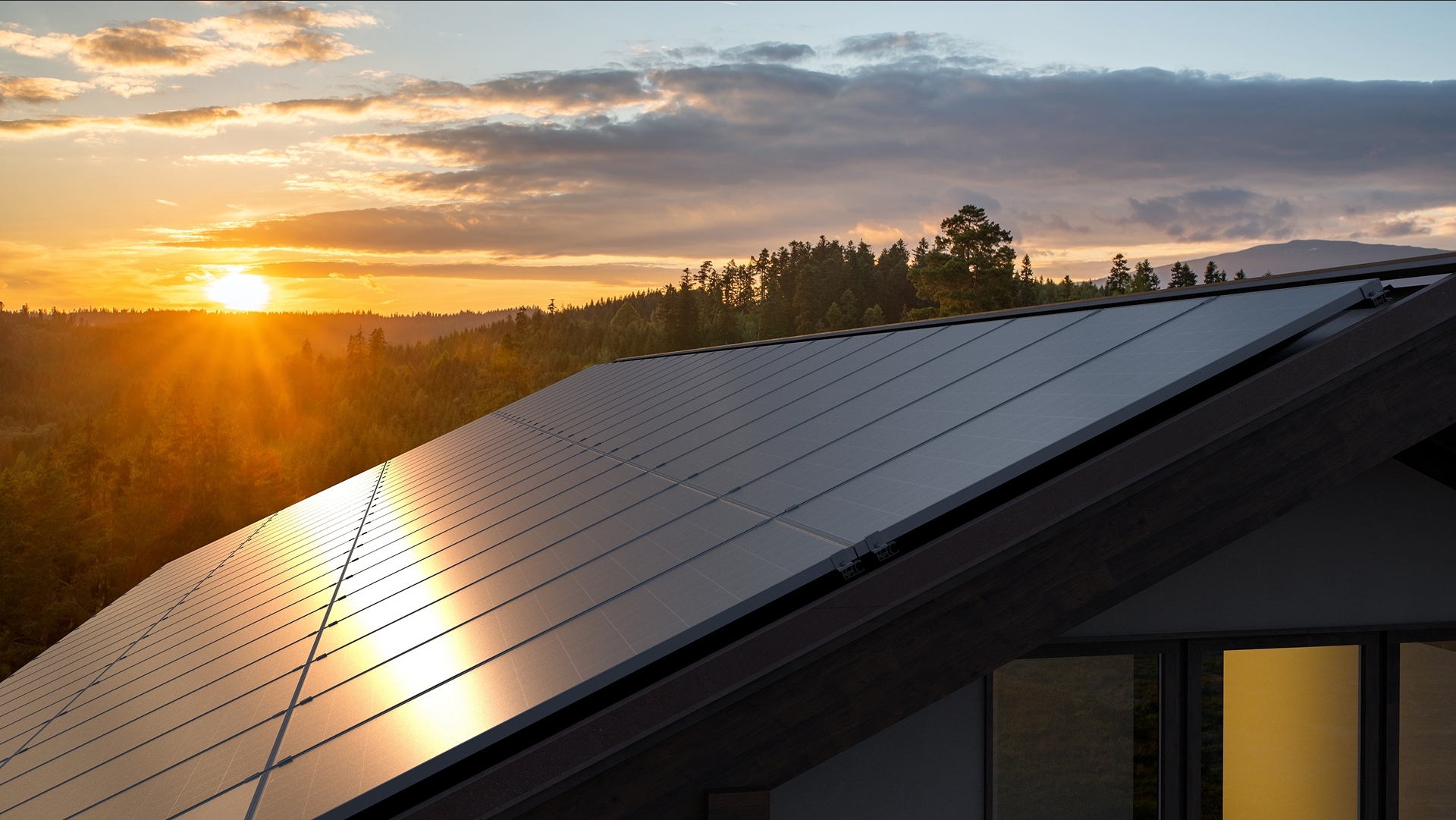
Many homeowners feel a sense of pride when they first see their solar panels gleaming on the roof. The monitoring app shows huge numbers for energy production, leading to expectations of a near-zero power bill. However, the first statement that arrives in the mail often tells a different story. The gap between "energy produced" and "money saved" can be confusing. To find the missing savings, you have to look past the roof and into the details of your utility rates, the timing of your chores, and how your equipment handles the heat. Below are 8 interesting facts about solar energy that directly impact what shows up on your electricity bill.
1. Solar Generation Doesn't Always Match Bill Savings
Many people assume that every kilowatt-hour (kWh) their system makes is worth the same amount of money. This isn't how it works in the real world. There is a massive difference between "self-consumption" and "exporting" power. Self-consumption happens when you use the solar power the exact moment it is generated—like running your dishwasher at noon. This saves you from buying expensive power from the grid.
Exporting happens when you aren't home or aren't using much power, so the excess flows back to the utility company. In many areas, the utility pays you much less for that exported power than what they charge you to buy it back at night. If your system makes 30 kWh during the day but you use 30 kWh at night, you might still owe the power company money because of this price difference. These interesting facts about solar energy explain why a system that "covers 100% of your usage" might only cover 70% of your actual costs.
2. Time-of-Use Pricing Changes Solar Value
Utility companies often change their rates based on the clock, which means the energy your panels make at 10:00 AM might be less valuable than the energy you need at 6:00 PM.
Time-of-Use (TOU) schedules are becoming the standard for solar owners. Under these plans, electricity is cheap in the middle of the night and very expensive during the "peak" evening hours. Unfortunately, solar production drops off just as these expensive peak hours begin. If you do all your laundry and cooking after the sun goes down, you are buying the most expensive electricity of the day, even if your panels were over-performing all morning.
This is why shifting your heavy energy use to the middle of the day is often more effective than adding more solar panels. If you can run your pool pump, dryer, or water heater while the sun is high, you are using "free" power instead of paying peak prices later. Additionally, most bills include fixed charges or "minimum delivery fees." These are costs you pay just for being connected to the grid, and no amount of solar production can typically erase these base charges.
What kind of product or solution are you interested in?

3. Grid Policies and Limits on Your Energy Exports
Your relationship with the local power grid is governed by specific rules that can put a ceiling on how much financial benefit you get from your system.
Connecting to the grid is not an unlimited two-way street. Some utility companies have "export limits." This means that even if your panels can produce 8 kW of power, the utility might only allow you to send 5 kW back to them. If your house isn't using that extra 3 kW, it simply isn't generated. This is known as "curtailment."
You can spot this on your monitoring app if the production curve looks flat or "chopped off" at the top during the brightest part of the day. This often happens in areas where the local electrical infrastructure is older and cannot handle too much solar power flowing backward. Knowing these facts about solar energy helps you realize that the grid itself can sometimes limit your savings, regardless of how many panels you own.
4. Temperature and Installation Specs Impact Real-World Output
Solar panels are electronic devices, and like your phone or laptop, they do not perform at their best when they get too hot.
It seems counterintuitive, but a freezing cold sunny day in February often results in better efficiency than a scorching day in August. As the temperature of the silicon cells rises, their ability to conduct electricity drops. This is a physical property of the materials used in the panels. While the sun is stronger in summer, the heat can cause a 10% to 25% drop in peak output compared to the "Standard Test Conditions" listed on the product's spec sheet.
Installation details play a huge role here. If panels are mounted too close to a dark asphalt roof without enough space for air to circulate, the heat builds up underneath. Proper airflow acts like a natural cooling system. The material of your roof also matters; metal roofs reflect more heat, while dark shingles soak it up. Seeing these seasonal dips in your data is a normal part of system ownership, not a sign of a broken system.
5. The Role of the Inverter in Hidden Energy Losses
The inverter is the brain of your solar system, but it is also the place where some energy is lost during the conversion process.
Panels create Direct Current (DC) power, but your home uses Alternating Current (AC). The inverter's job is to switch one to the other. No inverter is 100% efficient; some power is always lost as heat during this change. There is also a concept called "clipping." This happens when your panels are capable of producing more DC power than the AC limit of the inverter.
For example, if you have 10 kW of panels but a 7.6 kW inverter, the graph will hit a ceiling at 7.6 kW. While this sounds like a mistake, it is often a deliberate design choice. It allows the system to start producing "usable" power earlier in the morning and keep producing it later into the evening. However, if the clipping is too extreme, you are losing out on potential savings during the middle of the day. The way your inverter manages different roof angles or small patches of shade also determines if your bill stays low or creeps back up.
6. Shading Damages More Than Just One Panel
Shade is the enemy of solar production. In older or simpler solar setups, panels are wired together in a "string." If a tree limb shades just one panel, it can drag down the performance of every other panel in that string. Imagine a garden hose; if you kink one spot, the water flow drops everywhere, not just at the kink. Modern systems use small devices under each panel or specialized inverters to prevent this, but shade still reduces the total "pressure" of the system.
You can investigate this by looking at your daily production graphs. If you see a sharp, sudden dip at the same time every afternoon, look for a chimney, a vent pipe, or a neighbor's tree. These fun facts about solar energy show that even a small amount of shadow can have a "multiplier effect" on your losses. Identifying these patterns allows you to decide if trimming a tree limb is worth the extra money you'll save on your next bill.
7. Home Batteries Change When You Save Money
Adding a battery doesn't make your panels create more sunlight, but it does allow you to choose when you use the power you've already made.
A battery acts as a bridge. It stores the excess energy made during the low-value morning hours and saves it for the high-value evening hours. This is called "load shifting." Instead of selling your extra solar power to the utility for a few cents, you keep it and use it at 7:00 PM when the utility would have charged you full price.
Batteries are most effective in three specific situations: if your utility has high evening peak rates, if they pay very little for exported power, or if you live in an area with frequent power outages. However, a battery has its own limits. It can only hold a certain amount of energy (capacity) and can only provide a certain amount of power at once (discharge rate). If you try to run your air conditioner, dryer, and oven all at once on a battery, you might still end up pulling power from the grid.
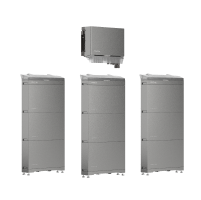
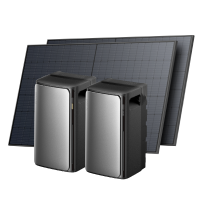
For homeowners who want to take control of TOU rates instead of chasing them, an all‑in‑one system like the EcoFlow OCEAN Pro Solar Battery System can automatically store daytime solar and discharge during peak evening hours. It's built for whole‑home backup, smart load shifting, and maximizing bill savings without constant micromanagement.
8. Most Common Performance Problems Are Operational, Not Technological
Most of the time, a drop in solar savings isn't caused by a high-tech failure, but by simple physical obstacles or lack of data.
Solar systems are generally "set it and forget it," but they aren't maintenance-free. Dirt, dust, pollen, and bird droppings can create a film over the glass that blocks sunlight. In dry areas with lots of dust, this "soiling" can reduce production by 5% to 10% over several months. A heavy rain usually cleans them off, but sometimes a manual rinse is needed.
The most common "problem" is actually a loss of internet connection. If your system stops sending data to your app, it might look like your panels died, even though they are working fine. To troubleshoot your bill, compare your current month to the same month last year. Look for "sunny day" benchmarks. If the weather is clear but your production is 30% lower than last year, it's time to check for dirty panels or a tripped circuit breaker. If you see a total drop to zero that lasts for days, you should call your installer for a professional inspection.
Conclusion: A Three-Step Plan for Lower Bills
The key to a lower electricity bill is not just having solar panels, but understanding the relationship between the sun, your utility's rules, and your own habits. Savings are a result of energy production, electricity rates, timing, and system health working together.
If your bill isn't where you want it to be, follow these three steps:
Audit Your Rates: Look at your bill to see if you are on a Time-of-Use plan and what the "export rate" is.
Monitor Your Curves: Check your app to see if you are exporting most of your power during the day and buying it back at night.
Adjust Your Path: Decide if you should move your chores to midday, trim some trees, or consider a battery to capture that afternoon sun.
Stop letting peak utility rates eat your ROI. Get a Quote today to see how the EcoFlow OCEAN Pro Solar Battery System can transform your electricity bill!
FAQs
Q1: What are the 5 advantages of solar energy?
Solar energy provides a renewable source of power, reduces monthly electricity costs, increases home value, offers protection against rising utility rates, and requires very little maintenance compared to other home mechanical systems.
Q2: Why does my solar system generate a lot, but my bill barely changes?
This usually happens because of the timing of your energy use. If you generate power during the day when no one is home and use power at night when the sun is down, you may be selling your power for a low price and buying it back at a high price.
Q3: What is inverter clipping, and when does it matter?
Clipping occurs when your panels produce more power than your inverter can handle. It shows up as a flat top on your production graph. It only matters if the clipping is so severe that you are losing significant energy; otherwise, it is often a normal part of a cost-effective system design.
Q4: How can I increase self-consumption without adding more panels?
The best way is to move your heaviest electricity tasks to the middle of the day. Set timers on your dishwasher, washing machine, and pool pump to run between 10:00 AM and 2:00 PM.
Q5: When does a home battery improve savings versus only improving backup?
A home battery improves savings when there is a big price gap between daytime and evening electricity rates. If your utility charges significantly more in the evening, the battery pays for itself by avoiding those high costs.
Q6: Is solar energy almost 200 years old?
Yes. The "photovoltaic effect"—the process of turning light into electricity—was first discovered by Edmond Becquerel in 1839. While the technology has improved massively, the basic science has been known for nearly two centuries.
