
Understand Your Home Battery Enclosure: What Is NEMA 3R?
Most people shopping for a home battery focus on capacity and output power. But the enclosure that protects those batteries matters just as much. If the housing cannot handle rain, snow, or ice, your system will not last. That is where the NEMA 3R rating comes in. It is the industry standard for outdoor battery installations, and knowing what it means can save you from expensive mistakes.
What Is the Technical Definition of NEMA 3R?
The electrical industry uses standardized codes to tell professionals and consumers exactly what a piece of equipment can handle. These ratings take the guesswork out of installation by defining the environmental limits of a device.
The Meaning Behind the NEMA Acronym
The letters stand for the National Electrical Manufacturers Association (NEMA), which is an organization that sets the safety and performance benchmarks for electrical equipment in North America. By following these standards, manufacturers ensure their products are compatible with local building codes and safe for residential use. A NEMA rating tells you how well a metal box keeps out foreign objects like dust and liquids like rain.
Decoding the Specific Requirements of the 3R Rating
When you ask what is NEMA 3R, you are looking at a rating specifically designed for outdoor use. This standard requires the enclosure to protect internal components against falling dirt and rain. It also must prevent damage caused by the formation of ice on the outside of the box. Unlike indoor-only ratings, a NEMA 3R Enclosure features specialized drainage holes and overlapping seams that allow moisture to move away from sensitive wires and batteries.
What kind of product or solution are you interested in?

Why a NEMA 3R Enclosure is Essential for Home Batteries
Batteries are sensitive to moisture and debris, which can cause short circuits or rapid degradation of chemical cells. High-quality housing acts as a permanent barrier between your investment and the natural world.
Reliable Protection Against Rain and Sleet
Rain is the primary enemy of outdoor electrical systems because water can conduct electricity where it does not belong. A NEMA 3R Enclosure uses a rainproof design that manages water flow via gravity. Even during a heavy storm with wind-driven rain, the internal layout ensures that any water that might enter the outer lip of the cabinet is channeled back out through the bottom without touching the live electrical parts.
Resilience Against External Ice Formation
In colder climates, ice can be just as dangerous as liquid water. When ice forms on a standard metal box, the weight and the expansion of freezing water can warp thin metal or crack plastic seals. The NEMA 3R standard ensures that the enclosure remains functional even when it is covered in a layer of frozen sleet. This level of durability is non-negotiable for homeowners who live in northern regions where winter power outages are most frequent and ice storms are a common threat.
Technical Comparison of Enclosure Ratings
The following table highlights the differences between common ratings used for home energy systems. This comparison clarifies why specific ratings are chosen for different parts of a property based on environmental necessity rather than just the highest number.
Enclosure Rating | Best Use Case | Protection Level | Weather Resistance |
|---|---|---|---|
NEMA 1 | Indoors only | Basic dust protection | None |
NEMA 3R | Residential Outdoor | Rain, snow, and ice | Optimal for Home Use |
NEMA 4X | Heavy Industrial | High-pressure water jets | Extreme / Industrial |
This data shows that while indoor ratings are cheaper to produce, they lack the structural features necessary to survive a single season outside.
While NEMA 4X offers extreme protection for industrial chemical plants, homeowners usually find that the NEMA 3R rating provides the perfect balance of ventilation and protection. It allows the battery to breathe and dissipate heat efficiently while keeping out the elements that cause system failure.
Common Locations for Installing a NEMA 3R System
Flexibility in installation can save you thousands of dollars in renovation costs. Having a weather-rated system means you do not have to clear out a corner of your crowded garage or basement.
Professional Outdoor Wall Mount Installations
Many modern homes lack the interior space for large battery stacks. An outdoor installation allows the system to be mounted on the side of the house near the main electrical panel. This setup keeps the battery away from living spaces and simplifies the wiring process for your electrician. Because the system is protected by a NEMA 3R shell, it can sit under an eave or on an open wall without needing an additional shed or roof for cover.
Added Safety for Semi-Enclosed Environments
Even if you plan to install your battery in a carport or an unfinished basement, the NEMA 3R rating provides an extra layer of insurance. Basements can suffer from burst pipes and carports are often exposed to blowing snow or humidity. A rated enclosure prevents these localized accidents from turning into a total system loss. It acts as a secondary shield that keeps the internal electronics pristine even if the surrounding room becomes damp or dirty.
How Modern Systems Maximize Enclosure Performance
A high-performance energy hub requires more than just a strong box; it needs an integrated design where the shell and the internal tech work together. Modern engineering has allowed manufacturers to build systems that are as tough as industrial equipment but look sleek enough for a high-end home.
Integrated Engineering in Professional Systems
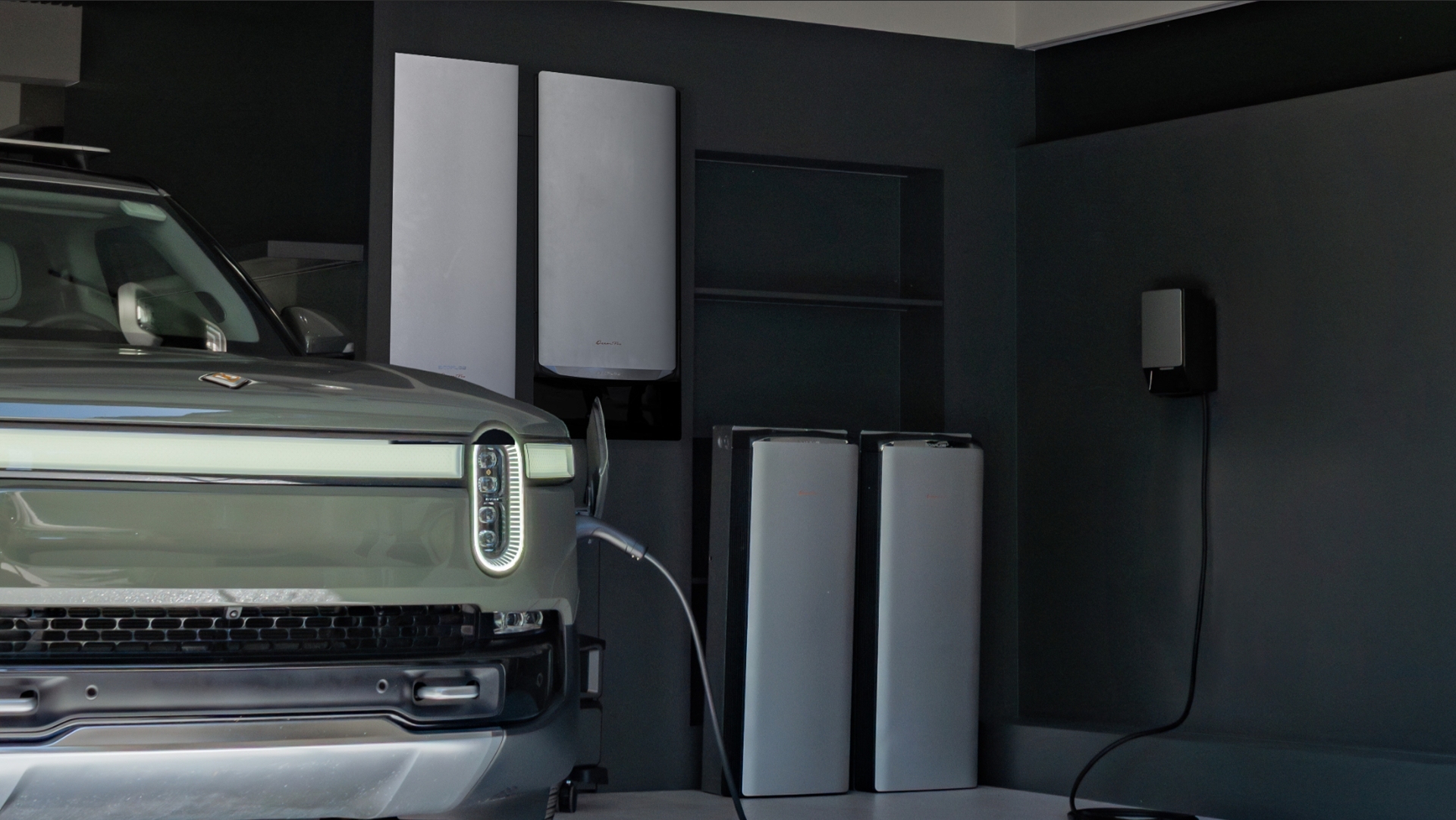
The EcoFlow OCEAN Pro utilizes a robust NEMA 3R shell as its first line of defense against the environment. To ensure the electronics inside survive the harsh reality of outdoor placement, this system goes beyond basic weather resistance. It is rated as flood-resistant with an IP67 rating, allowing it to withstand up to 3.3 feet of water. This elite level of protection ensures continued operation even during floods or extreme weather events that would incapacitate standard residential batteries.
Long Term Reliability for Residential Energy
Reliability is built from the outside in, especially when a system is expected to last for decades. Professional systems pair their NEMA 3R Enclosure with advanced thermal barriers like 360-degree Aerogel Insulation. While the metal shell deflects the rain, this advanced insulation acts as a thermal blanket, preventing the intense heat of the afternoon sun from degrading the battery cells. This combination allows for a stable, climate-controlled environment for your energy reserves even when the outdoor conditions are extreme.
Advanced Structural Features for Environmental Resilience
Modern residential energy systems must do more than just sit quietly; they must remain standing and functional during natural disasters.
Multi-Source Charging: The system supports charging from solar, grid, portable generators, and EV batteries, keeping reserves full even during prolonged outages.
Corrosion-Resistant Coating: The aerospace-grade aluminum construction naturally resists corrosion, making it suitable for coastal environments with salty air.
Active Thermal Management: An advanced battery management system continuously monitors temperature and adjusts performance to maintain optimal operating conditions.
Durable Stacking Design: The modular architecture is designed to interlock securely, creating a low center of gravity that resists high winds and vibrations.
Elevate Your Home Resilience with Weather-Rated Power
Choosing a home power solution is a major step toward independence, but that independence is only as strong as the box it comes in. A NEMA 3R rating provides the peace of mind that your backup power will be there when the weather is at its worst. Professional energy systems combine this rugged exterior with advanced structural engineering to create a truly resilient home. Get a Quote to discover how a high-performance system can offer the ultimate protection for your family and your property.
FAQs
Q1. Is a NEMA 3R Enclosure Weatherproof?
Yes. It is built to handle rain, sleet, snow, and ice forming on the outside of the box. It is not fully waterproof like an industrial NEMA 4X, but for normal outdoor weather conditions, NEMA 3R gives home batteries all the protection they need.
Q2. Is NEMA 3R Stainless Steel?
No. NEMA 3R is a protection rating, not a material. The enclosure can be made from galvanized steel, aluminum, or other metals. What matters is that it passes performance tests for keeping out rain and ice, not what specific metal it is made from. Some manufacturers use aluminum for lighter weight and better corrosion resistance, while others use galvanized steel for a lower cost.
Q3. What Are the Benefits of Using NEMA 3R?
This rating enables professional installers to mount your battery outdoors without the need for additional shelters or custom-built sheds. The specialized design facilitates natural ventilation to prevent overheating while effectively sealing out rain and ice from sensitive components. Furthermore, utilizing a NEMA 3R certified system simplifies the permitting process by meeting the mandatory safety standards of most North American building codes.
Q4. Is NEMA 3R Required for All Outdoor Home Batteries?
Yes, in most places. Most local building standards say that any electrical equipment that is put outside must have at least a NEMA 3R rating. If you don't have it, your installation might not pass inspection, and your homeowner's insurance might not pay for damage to the system.
Q5. Can I Install a NEMA 3R Rated Battery in Direct Sunlight?
You can, but a shaded area is preferable for long-term efficiency. Rain and ice are easily handled by the enclosure, but direct sunlight causes the box's inside temperature to rise. Most quality systems have built-in thermal management to deal with this, but shade helps the battery run cooler and last longer.
