
How Much Does a Level 2 Charger Cost to Install in 2026?
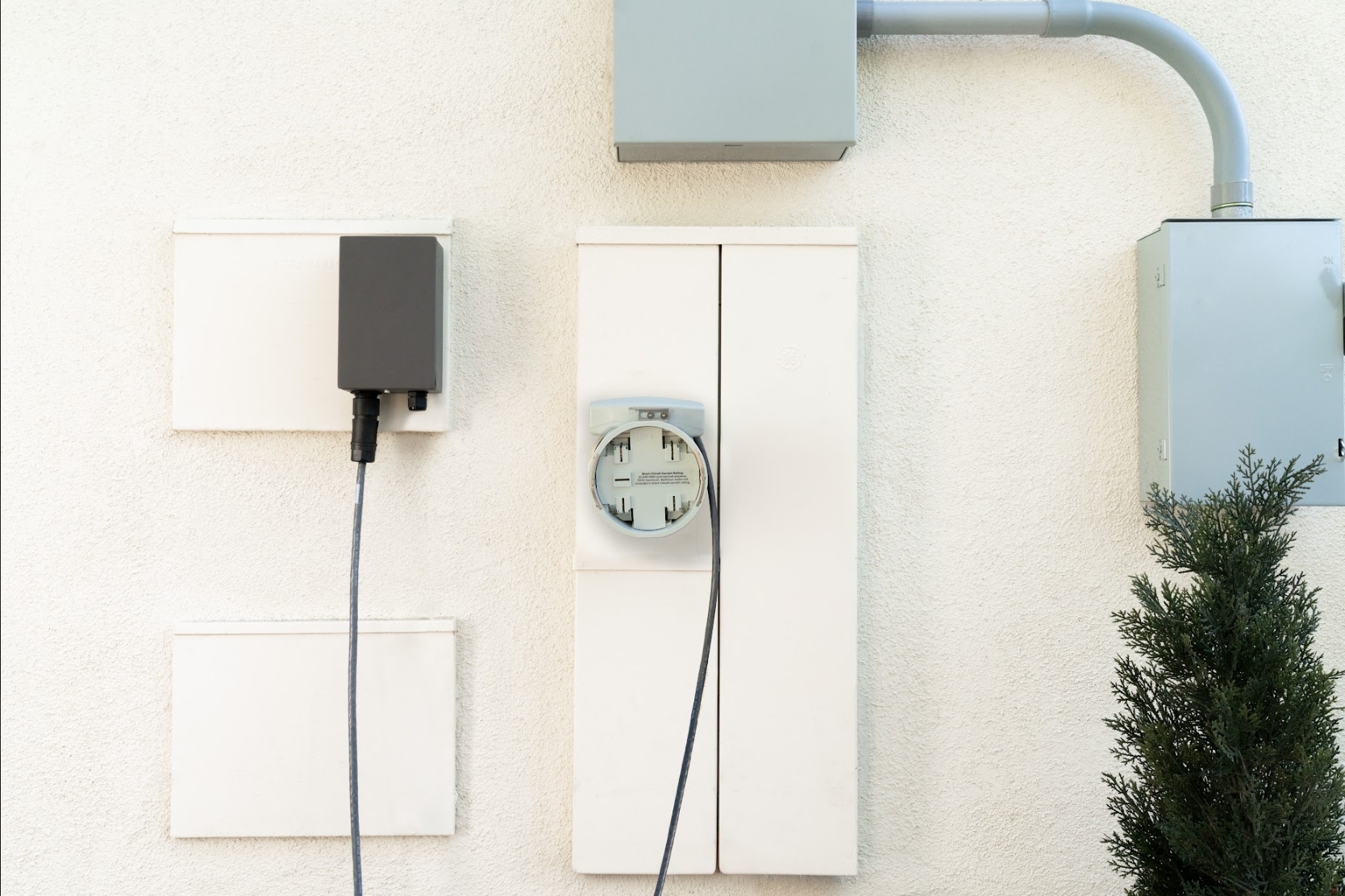
If your home already runs big loads and you are planning a whole-home battery backup, an EV charger feels less like a gadget and more like a part of your electrical system. In 2026, the level 2 charger installation cost in the U.S. mainly depends on the wire run, local permitting, and how much capacity your main panel has left after HVAC, cooking, and other essentials. In many U.S. homes, level 2 charger installation cost typically falls between $800 and $3,000 for installation work before equipment, and the total can rise when the job needs panel work or a long wiring route.
Average Level 2 Charger Installation Cost in the U.S. in 2026
For a realistic budget, separate the work performed by the electrician from the charger hardware you purchase. A widely used benchmark puts installation work around $800 to $3,000 before equipment, driven mainly by your home’s electrical setup and the charger’s distance from the panel.
Large home energy storage households often land toward the higher end when the project includes cleaner routing, future proofing, or electrical capacity work after a load calculation. That planning can move the final level 2 charger installation cost more than most people expect, especially in homes with multiple large appliances and an ambitious electrification plan.
Common Price Ranges for Different Install Setups
Most quotes fall into one of these buckets:
Quote Type | What It Usually Includes | What Often Raises Cost |
|---|---|---|
Standard install | Dedicated circuit, wiring, breaker work, basic mounting | Long wiring path through finished areas |
Site intensive install | Exterior conduit, garage to driveway routing, patching | Detached garage routing, trenching |
Capacity limited install | Panel work plus the standard install scope | Subpanel or service upgrade |
If you are trying to estimate the cost to install a level 2 charger in your home, treat the installation labor as the baseline and treat upgrades as a separate decision backed by a load calculation.
What Does a Typical Electrician's Quote Include for a Level 2 Install
A quote that protects your budget reads like a checklist, not a single lump sum number. When you compare bids for level 2 charger installation cost, look for these core items written out clearly:
On-site assessment and load calculation
A dedicated circuit and breaker workConductors, conduit, fittings, and routing labor
Mounting, connection method, and functional testing
Permit handling and inspection coordination, if offered
Permits are highly local, and they can show up as a separate fee. Some jurisdictions keep it modest, others charge more and require additional inspections.
A Simple Quote Checklist
Ask each electrician to break the project into four parts. This structure clarifies the cost to install a level 2 charger at home in writing and reduces surprises.
Base installation scope
Permit and inspection scope
Panel or service work, only if needed
Restoration and site work, such as drywall repair or trench backfill
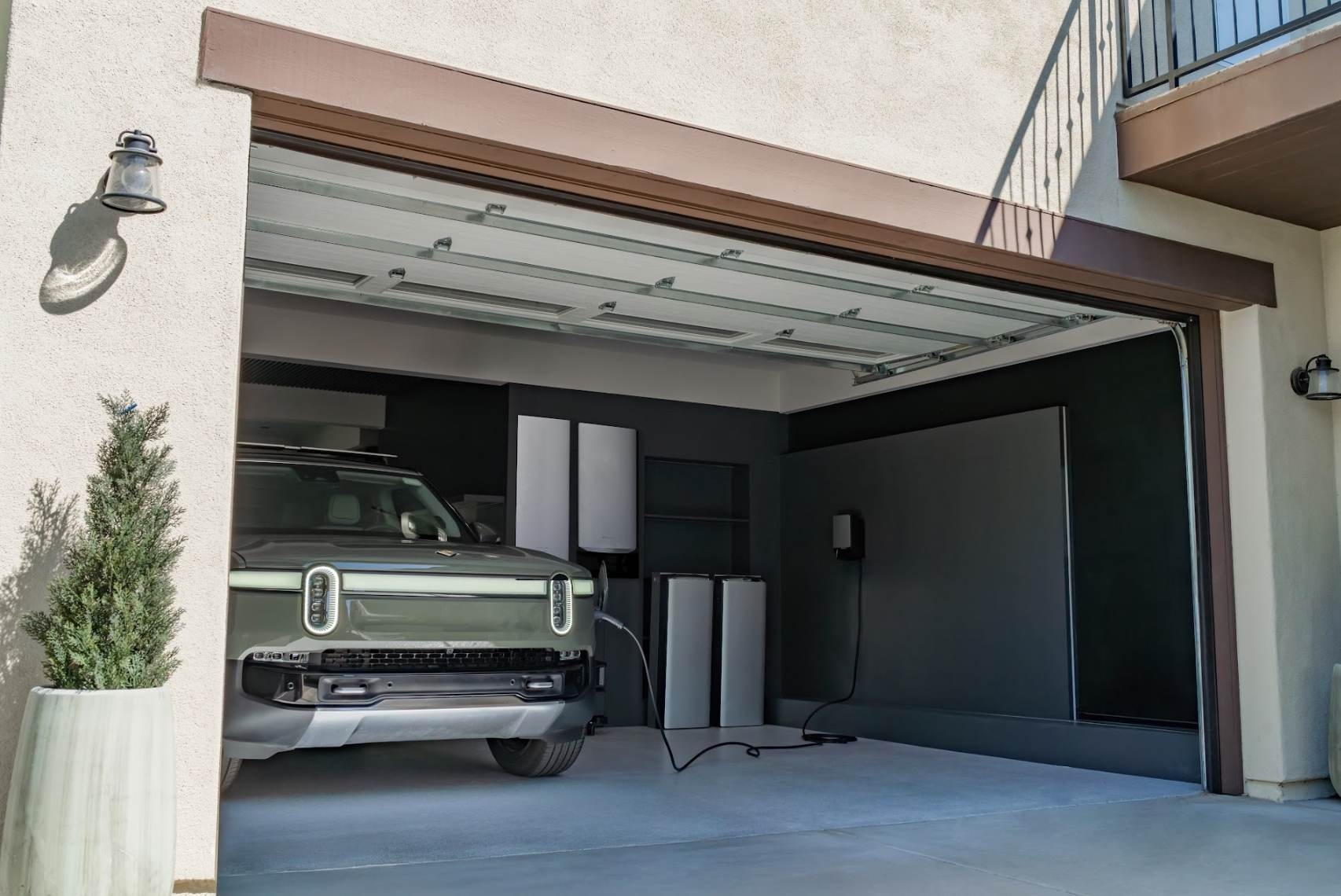
Which Home Site Factors Move Your Installation Cost the Most
Home layout drives labor hours, and labor hours drive prices. The biggest swings in level 2 charger installation cost often come from physical access and routing, not from the charger brand.
Distance and Routing Complexity
Distance from the panel is a leading factor. A short run with easy access usually costs far less than a long run through finished ceilings, exterior walls, or complex pathways. Finished spaces can add time because the electrician must protect surfaces and restore them afterward.
Detached Garages and Driveway Charging
A detached garage often requires exterior conduit or trenching. Driveway side parking can require longer protected runs. These site realities are common reasons the level 2 EV charger installation cost ends up higher than a neighbor’s quick garage install.
Outdoor Exposure
Outdoor work often adds routing complexity and protection details. Even when the charger is rated for outdoor use, the path from the panel to the charger can be longer and more exposed.
Before you request quotes, prepare this quick info pack:
Approximate distance from panel to charging location
Photos of the panel label and breaker layout
Notes on finished walls, brick, tile, or other hard surfaces
Garage type and any trenching needs
This set of details improves quote accuracy and keeps change orders rare.
Do You Need a Panel Upgrade to Support a 48 Amp Level 2 Charger
Many large home energy storage owners already use significant panel capacity, and adding an EV circuit can push the system past a comfortable margin. A load calculation by a licensed electrician is the clean way to decide if the project stays simple or expands into upgrades.
Common upgrade paths include adding a subpanel or upgrading the main service. In capacity-limited homes, the level 2 EV charger installation cost often lands near the upper end because panel work becomes part of the scope.
What High-Demand Homes Should Share With the Electrician
Bring a short list of the loads that shape your daily peak:
HVAC type and size, plus electric strip heat if present
Electric range or wall ovens
Pool or spa equipment
Workshop tools, EV count, and daily mileage
Planned upgrades over the next two years
This information supports a practical plan for level 2 charger installation cost and reduces the chance of nuisance trips when the home hits an evening peak. If an upgrade is recommended, ask for two options: a minimum code-compliant path and a growth-ready path that supports your next upgrades.
What kind of product or solution are you interested in?

How Large Home Storage Changes the Way You Should Plan Your Charger Install
Large home energy storage and portable power stations solve different problems. Portable units support mobility and smaller backup needs. Whole home systems integrate at the panel and are designed to support household circuits, outage continuity, and energy shifting.
That difference matters because EV charging is a sustained load. With large home energy storage, planning goes beyond the level 2 charger installation cost line item and into the household operating strategy. Charging becomes a controllable load that can be timed around off-peak rates, solar production, and your backup priorities.
Charging Strategy That Fits Whole Home Storage
Set charging windows that match off-peak utility rates and daytime solar output when available
Coordinate charger placement with the electrical room to keep wiring routes efficient
Align charging behavior with backup priorities, so critical circuits keep headroom during outages
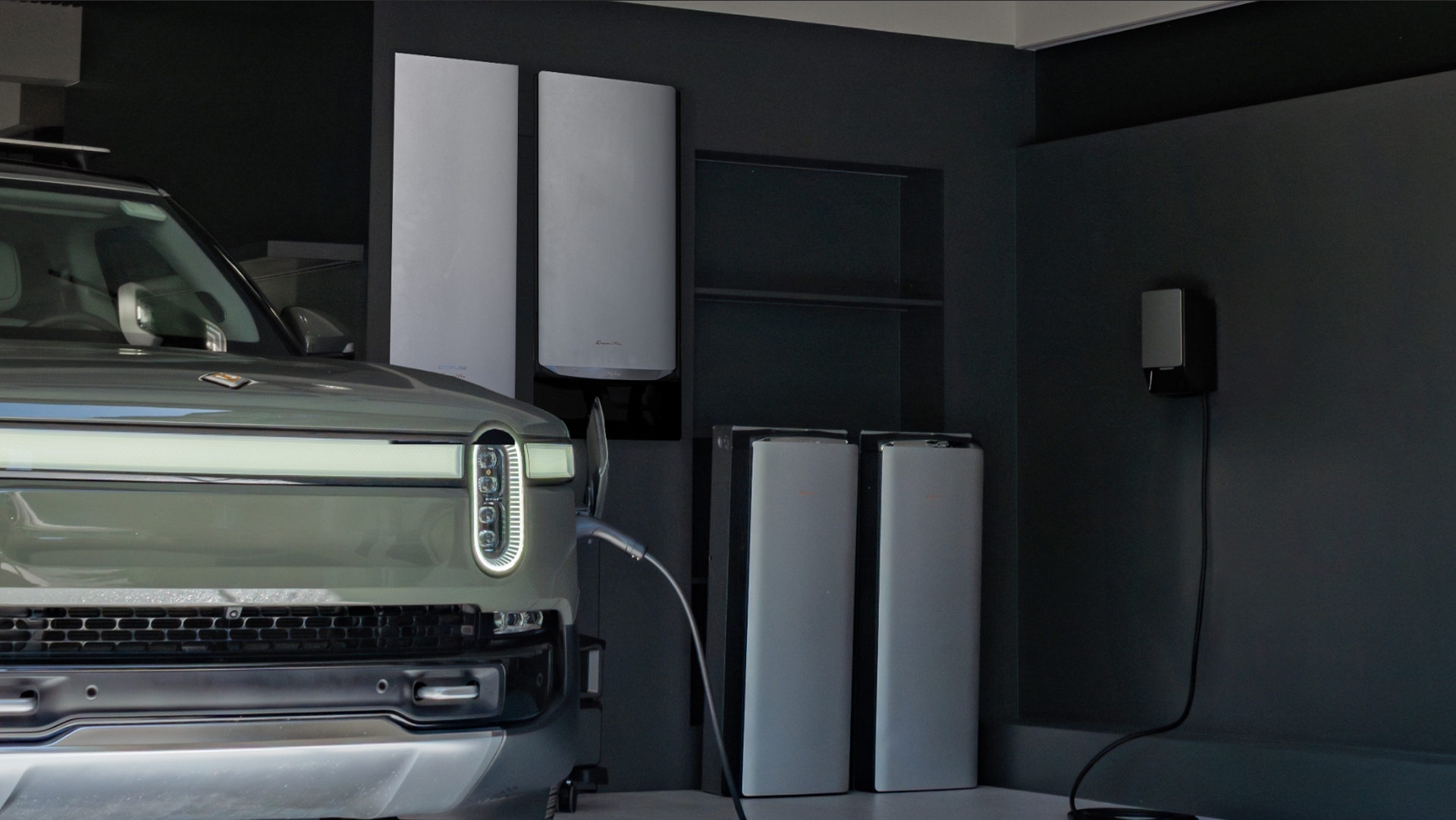
If you want Level 2 charging to fit into whole-home energy management, EcoFlow OCEAN Pro can be a good choice to consider. EcoFlow OCEAN EV Charger is designed to pair exclusively with OCEAN Pro, so choosing the charger means planning the storage system and the installation as one package, including circuit routing, load planning, and inspection timing.
Tax Credits and Rebates That Can Lower Your 2026 Out of Pocket Cost
Incentives can change the cost to install level 2 charger in 2026, and timing matters. Federal rules for the 30C credit end the residential window after June 30, 2026, based on the placed-in-service date, so project scheduling and inspection timing become part of cost planning.
Eligibility can also depend on location requirements and documentation, so plan for a paper trail that matches your installer’s final scope. Local utility rebates can add meaningful savings, and they often require proof of permit closure and a detailed invoice.
Paperwork That Helps You Keep the Full Value
To support incentives and utility rebates, keep a complete record set:
Itemized invoice showing labor, materials, and permit fees
Permit documentation and final inspection approval
Proof of the placed in service date tied to sign off
Utility rebate submission confirmations, if applicable
This is also the clearest way to validate the final level 2 charger installation cost after credits and rebates.
Compare Quotes, Lock in Incentives, and Start Charging Smarter at Home
Once you have three itemized quotes, you will know what drives your level 2 charger installation cost in your home. If you want Level 2 charging to connect with whole home energy management, take a look at EcoFlow OCEAN Pro with the EcoFlow OCEAN EV Charger. Review the compatibility notes on EcoFlow’s website, then talk with your electrician about circuit routing and inspection timing before you place an order. Learn More
FAQs
Q1: Can I install a level 2 EV charger myself?
Yes, in some areas, but it’s rarely a good idea for most homeowners. A Level 2 install often requires permits, code-compliant wiring methods, correct breaker sizing, proper torque on lugs, and a safe mounting and strain-relief setup. Many manufacturers also expect professional installation for warranty support. DIY mistakes can create fire risk and insurance headaches.
Q2: Is it worth getting a level 2 charger at home?
For daily drivers, usually yes. Home Level 2 charging restores range faster and fits overnight routines, so you spend less time planning around public stations. It also supports scheduled charging for off-peak rates and helps in cold weather when charging can be less efficient. If you drive lightly, Level 1 may still cover your needs.
Q3: Can I plug my EV directly into a 240V outlet?
No. You need an EVSE (the “charger” cord set) that is designed for 240V use and matches the outlet type and circuit rating. Using the wrong outlet, adapters, or a low-quality receptacle can cause overheating. If you plan to unplug often, choose a heavy-duty receptacle and confirm the circuit and outlet are installed to code.
Q4: Should I choose a plug-in or hardwired Level 2 charger?
Hardwired is often the most robust choice for long-term daily charging. It avoids wear on the receptacle, reduces the chance of loose connections, and can simplify weatherproofing for outdoor installs. Plug-in models are convenient if you expect to move the charger or want easier replacement. Local code and your electrician’s plan should guide the final call.
Q5: What safety certifications should I look for in a Level 2 charger?
Start with a listing from a recognized testing lab, such as UL or ETL, for EV charging equipment, then check for an enclosure rating suited to your installed location if it is outdoors. Look for clear installation instructions, a solid warranty, and strong cable strain relief. Avoid no-name units with vague certifications or missing documentation.
