
How to Make Your House Eco-friendly

Creating an eco-friendly home reduces carbon footprints while lowering utility bills. Green living promotes health through non-toxic materials and cleaner air. Sustainable choices transform living spaces into energy-efficient sanctuaries. Homeowners achieve environmental harmony through smart design and renewable technology.
What are Eco-friendly Homes?
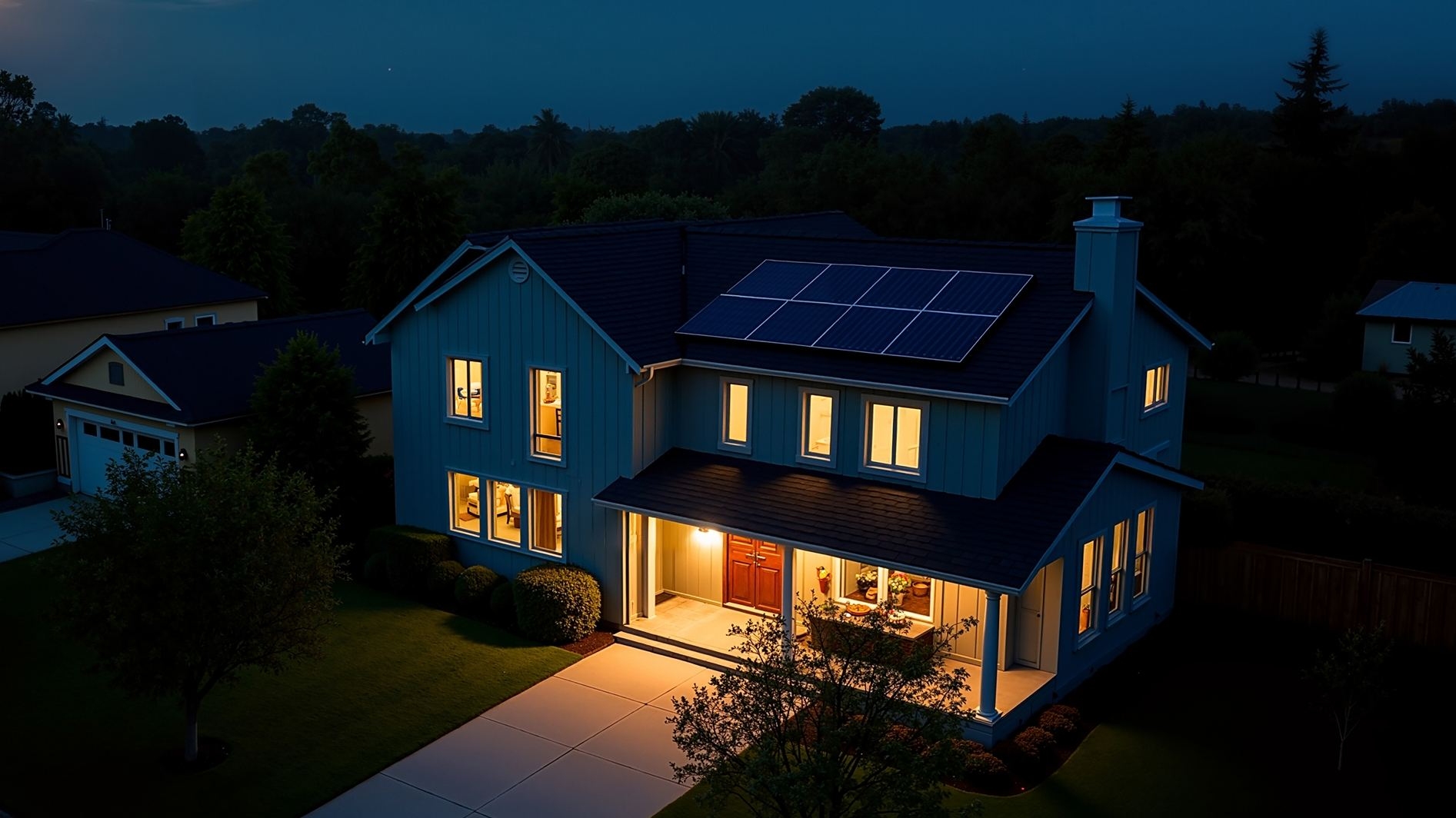
Eco-friendly homes, frequently referred to as ecohomes or green households, are residential structures designed to minimize environmental impact. The concept extends far beyond simply adding solar panels to a roof. A true green household functions as a cohesive system where the building envelope, mechanical systems, and occupants interact harmoniously with the local climate and ecosystem. Such houses prioritize sustainability through energy efficiency, water conservation, and the use of non-toxic, renewable materials.
A core philosophy centers on reducing the carbon footprint throughout the entire lifecycle of the structure, from initial construction and daily operation to eventual renovation. Architects achieve such goals through "bioclimatic design," utilizing local climate conditions to naturally heat, cool, and light the space. Such strategies reduce reliance on artificial energy sources. For instance, orienting a structure to capture southern sun exposure maximizes passive solar gain in winter. Strategic shading blocks heat during summer months.
Modern houses that are eco-friendly blend seamlessly with luxury aesthetics. Technology plays a massive role. Smart systems now automate energy usage. They learn occupant habits to optimize heating, cooling, and lighting without human input. Market demand for sustainable properties is surging. Homeowners recognize that sustainable properties offer lower operating costs and higher resale values. As energy prices rise, the autonomy provided by a green household becomes a significant economic asset.
Tips for Designing Houses that are Eco-friendly
Designing a sustainable residence requires a holistic approach. Every component must work in unison.
Optimize the Building Envelope
The "envelope" consists of the walls, roof, windows, and foundation. A tight, well-insulated envelope is the most cost-effective way to improve energy efficiency.
Advanced Framing: Using "optimum value engineering" framing techniques reduces lumber usage. It maximizes space for insulation. Such methods minimize thermal bridging, where heat conducts through wood studs.
Insulation: Choose high R-value insulation. Spray foam offers excellent air sealing. Cellulose or sheep's wool provides natural alternatives.
High-Performance Windows: Install double or triple-paned windows with Low-E coatings. These coatings reflect heat back into the room during winter. They repel heat during summer.
Harness Passive Solar Design
Passive solar design utilizes the sun's energy for heating and cooling without mechanical systems.
Orientation: Orient the long axis of the house east-to-west. The longest wall should face south to capture maximum sunlight.
Thermal Mass: Use materials like concrete or stone for floors receiving direct sunlight. Such materials absorb heat during the day. They release warmth slowly at night.
Overhangs: Design roof overhangs to shade windows in summer when the sun is high. Allow low winter sun to penetrate and warm the interior.
Electrify Everything
Moving away from fossil fuels is crucial. Designing an all-electric home prepares the property for a renewable energy future.
Heat Pumps: Replace gas furnaces with electric heat pumps. Modern units are incredibly efficient. They move heat rather than generating warmth.
Induction Cooking: Switch to induction cooktops. They are safer and faster than gas stoves. Such appliances improve indoor air quality through the elimination of gas combustion products.
Heat Pump Water Heaters: Such units use electricity to move heat from the surrounding air into the water tank.
What kind of product or solution are you interested in?

Water Stewardship
Conserving water protects a vital resource. It also lowers utility costs.
Low-Flow Fixtures: Install EPA WaterSense-labeled faucets and toilets. A WaterSense toilet can save 13,000 gallons of water per year.
Greywater Systems: Route water from sinks and showers to irrigate the landscape. Such reuse reduces the load on septic systems.
Rainwater Harvesting: Collect run-off from the roof in barrels. Filtration systems can treat the water for non-potable uses like gardening.
Sustainable Material Choices
Every material has an "embodied energy", the energy required to mine and manufacture the product.
Reclaimed Materials: Use wood from old barns. Reusing timber prevents new trees from being felled.
Rapidly Renewable Materials: Bamboo and cork grow quickly. Cork flooring is naturally antimicrobial.
Recycled Content: Countertops made from recycled glass add durability while reducing waste.
5 Eco-friendly Home Designs of 2026
Architecture in 2026 embraces sustainability without compromising luxury. The following five design trends showcase the future of ecohomes.
1. The Biophilic Design
Biophilic design seeks to connect occupants with nature. Such homes blur the line between inside and outside. Features include massive retractable glass walls and indoor courtyards with living trees. "Green walls" covered in plants naturally filter the air. Studies show biophilic environments reduce stress. Extensive use of natural light reduces the need for artificial illumination. Emphasis on raw materials like stone and unpainted wood creates a calming, organic palette.
2. The Invisible Solar Fortress
Aesthetics no longer suffer for the sake of power generation. Solar shingles and building-integrated photovoltaics (BIPV) replace traditional rack-mounted panels. The roof itself generates power while looking like slate or asphalt. Such homes often feature hidden technology. A key component is the integration of a solar battery system. A house with such support can operate off-grid indefinitely. It stores excess solar energy for use at night or during outages. An AI-driven energy manager predicts weather patterns to adjust consumption.
3. The 3D-Printed "Bio-Home"
Additive manufacturing has evolved into high-tech, precision engineering. 2026 sees the rise of "bio-based" 3D printed components. Walls printed from wood fibers and bio-resins offer incredible insulation. They are fully recyclable. The printing process reduces waste by up to 90% compared to site-built homes. Precision allows for near-perfect air sealing. Such structures utilize materials once considered waste, like sawdust. These materials are carbon-negative. They sequester more carbon dioxide than their manufacture emits.
4. The Earth-Sheltered Luxury Villa
Modern earth-sheltered homes are sleek and sophisticated. Built into hillsides, such houses use the earth's constant temperature to regulate interior climate. South-facing glass facades bring in abundant light. Such structures are naturally fire-resistant. They offer protection against volatile weather patterns. At a depth of six feet, soil temperature remains relatively constant year-round. The home requires very little energy to heat or cool. Green roofs provide habitat for local wildlife.
5. The Modular "Soft Sanctuary"
Prefabricated homes now prioritize "neuroarchitecture" design that impacts brain chemistry. These houses that are eco-friendly feature light woods, linen, and clay plaster. Sections are built in climate-controlled factories. Factory tolerances allow for superior efficiency. The "Soft Sanctuary" focuses on acoustic wellness. Hemp-fiber insulation and acoustic cork walls create silence. Such homes are assembled in days. This minimizes site disturbance and noise pollution.
EcoFlow’s Ultimate Power Solution for Your Green Household
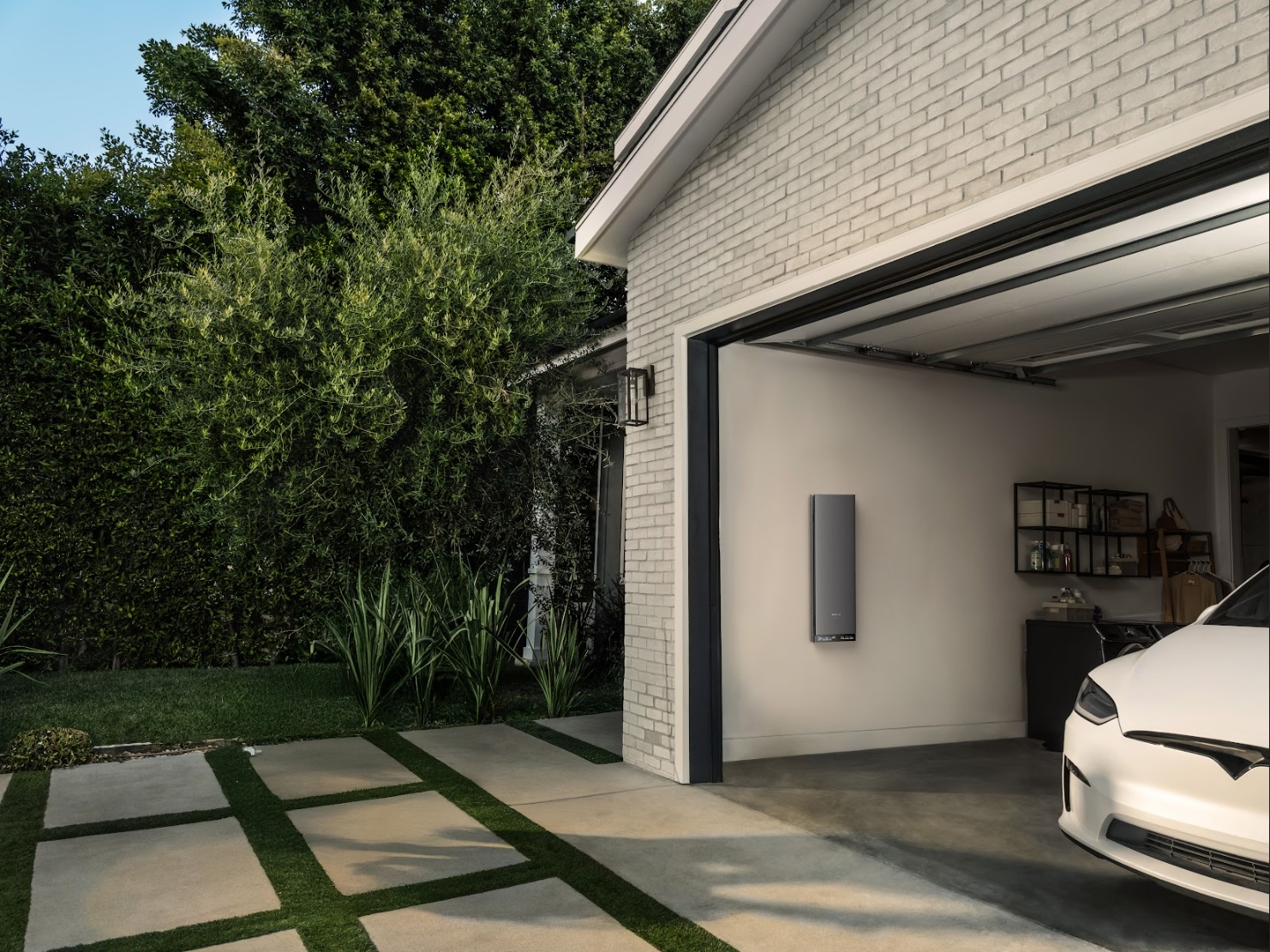
The EcoFlow OCEAN Pro revolutionizes home energy. The system offers a massive 24kW continuous output. It powers everything: two HVAC systems, a pool pump, EV charger, or heavy-duty appliances all running simultaneously. Its intelligent design integrates solar, grid, and battery sources seamlessly. With a 360° Aerogel insulation system, the unit guarantees safety in extreme conditions. You can monitor energy flow via the EcoFlow App. Such control optimizes usage to lower bills. The sleek finish blends into any modern home. Power independence is vital for any green household seeking resilience.
A Sustainable Future Awaits
Eco-friendly homes represent the future of living. Implementing such designs protects the planet. It also enhances personal well-being. From smart technology to renewable materials, the path to a green household is accessible. Prioritize energy efficiency to maximize impact. Start the journey toward a greener future today.
Get a quote for your sustainable energy solution now.
FAQs
Q1. How Much Does It Cost to Build an Eco-Friendly Home?
Building a green household typically costs between $400,000 and $3,500,000 depending on location and luxury level. Expect to pay around $200 per sq. ft. on average. The upfront investment is often 5-10% higher than a standard home. Operational savings on utilities usually offset the difference within 5-7 years. Sustainable materials like bamboo or recycled steel can carry a premium. High-performance HVAC systems and solar arrays represent significant capital expenditures. However, an energy-efficient home might save $200-$400 per month on bills. When factored into a mortgage, the monthly cash flow is often positive from day one.
Q2. How to Build an Eco-Friendly House Cheaply?
Affordability is possible through smart design choices. Build smaller to save resources. A 1,500-square-foot home requires fewer materials than a larger one. Keep the geometry simple. A rectangular footprint is the cheapest shape to build and highly energy-efficient. Utilize passive solar design. Orienting the house to catch southern sun costs nothing but saves thousands in heating. Use "Advanced Framing" to save lumber. Homeowners can also save money through "sweat equity" by doing finishing work themselves. You do not need a massive budget to create houses that are eco-friendly.
Q3. What Are the Disadvantages of Eco Friendly Homes?
The most significant barrier is the initial upfront cost for high-performance materials. Securing a loan that covers green features can be difficult if appraisers do not understand their value. Finding qualified builders experienced with techniques like Insulated Concrete Forms (ICF) is challenging in some areas. Location can limit certain features; solar panels need sun, and geothermal needs ground space. There is also a learning curve. Occupants must learn to operate smart systems and maintain components like greywater filters. Retrofitting an existing home is often more complex than building new.
Q4. How Do You Maintain an Eco-Friendly House?
Ecohomes often require less general maintenance but specific attention to green systems. Solar panels need cleaning once or twice a year to maintain efficiency. Ventilation systems (ERVs) contain filters that require replacement every 6-12 months. Neglecting filters leads to poor air quality. Green roofs require weeding and watering during the first two years. Greywater filters need regular cleaning to prevent clogs. Smart home software requires updates. While durable materials like metal roofing last longer, the active technologies in a green household demand consistent monitoring to perform optimally.
Q5. What Are The 7 Components of Green Building?
There are seven core components that warrant your attention:
Energy Efficiency: Reducing energy load and using renewables.
Water Efficiency: Conserving water through low-flow fixtures and reuse systems.
Environmentally Preferable Materials: Using non-toxic, recycled, and local resources.
Waste Reduction: Minimizing construction waste and facilitating recycling.
Toxics Reduction: Avoiding harmful chemicals to protect health.
Indoor Air Quality: Guaranteeing healthy air through ventilation and filtration.
Smart Growth: Locating the home near transit and services to reduce car travel. These principles define a truly sustainable structure.
