
How to Choose the Best Home EV Charger of 2026
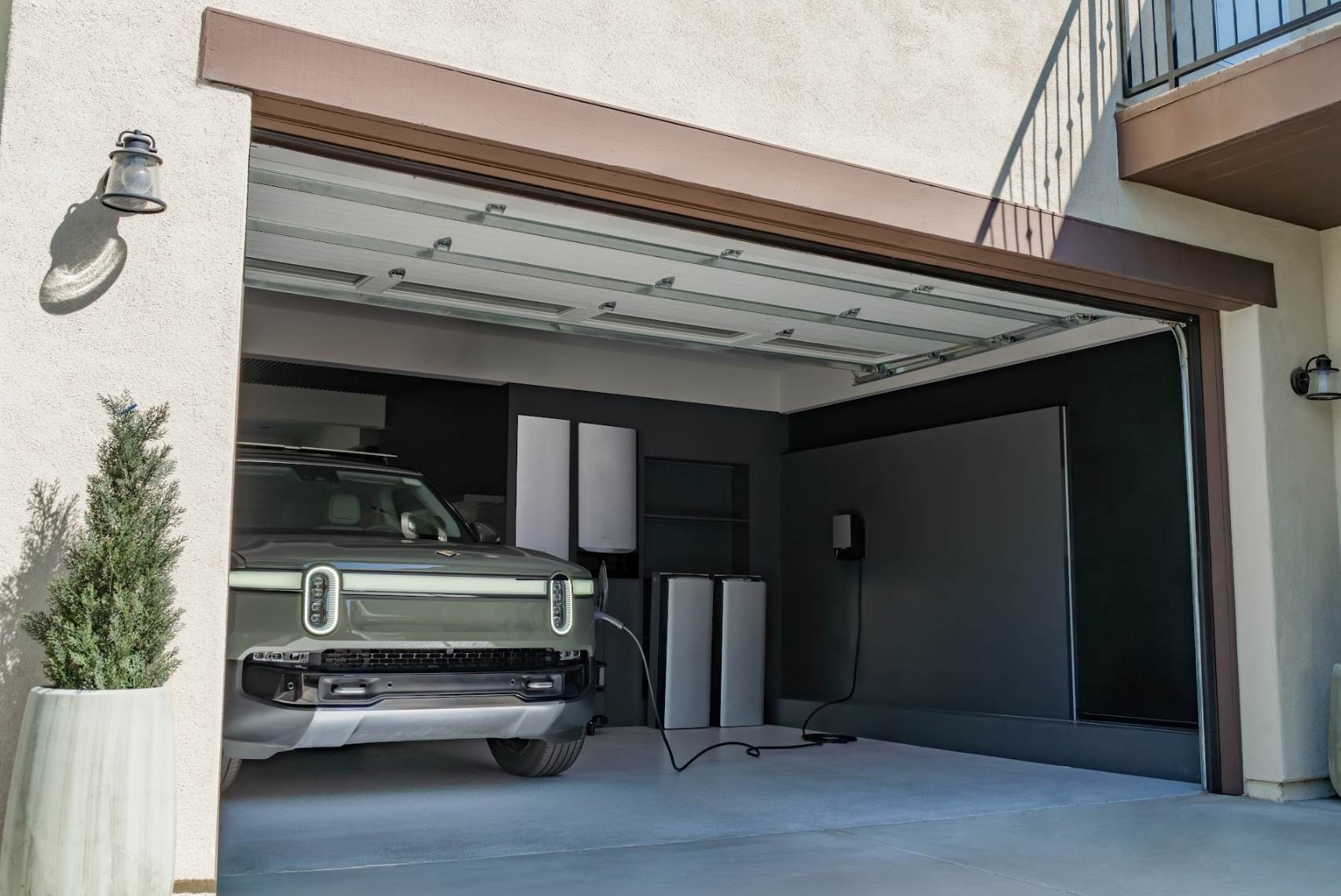
Home EV charging gets tricky once solar and a whole-home battery are part of daily life. Large home storage is permanently installed, high-capacity, and designed for heavy loads. Portable power stations are great for short outages and small devices, yet they do not behave like a wired home energy system. If you want the best home EV charger in 2026, start with your driving pattern, your panel capacity, and a cost plan that fits a high-demand home.
Define Your Home Charging Goal Based on Driving Needs, Vehicle Limits, and Budget
A clear goal keeps the purchase grounded. It also helps you compare options without overspending, since the best home EV charger is the one that finishes charging inside your real parking window.
Level 1 Vs Level 2
Level 1 uses a standard 120 V outlet and usually adds a small amount of range each hour. Level 2 uses 208 to 240 V service and can add a meaningful range overnight, which is why most high-mileage households focus here.
Charging Type | Typical Voltage | Common Power Range | Typical Miles Added Per Hour |
|---|---|---|---|
Level 1 | 120 V AC | Around 1 kW | About 2 to 5 |
Level 2 | 208 to 240 V AC | Often 7 to 19 kW | About 10 to 20 |
Note: Actual results change with the vehicle, temperature, and battery conditions, so treat the numbers as planning ranges, not promises.
Set a Weekly Target
People usually ask how to charge EV at home and still wake up ready every morning. A practical way to answer it is a weekly target: take your weekly miles, divide by the number of nights the car sits at home, then add a buffer for errands. That gives you a “miles per night” goal you can hit with a steady routine.
Check Your Vehicle Limit
Your car sets the ceiling for AC charging. A higher-rated charger does not automatically mean faster charging if your onboard charger cannot accept it. Check your owner’s manual for the maximum AC charging rate, then shop for the best EV charger for home that fits both your vehicle’s limit and your home’s electrical capacity.
What Electrical Capacity Do You Have at Home, and Will You Need a Service Upgrade?
Your electrical service sets the boundaries for safe charging. Large home storage can shift energy timing and support backup loads, yet the EV charging circuit still must be sized correctly. This is where many “great on paper” chargers stop being the best home EV charger for your home.
Start with Your Panel
A quick site review with a licensed electrician pays off. Ask them to look at:
Main service size and panel condition
Open breaker spaces
Major loads such as HVAC, electric range, dryer, pool equipment
Your typical charging hours
If you have solar and a whole-home battery, you may also have a subpanel or an energy equipment wall. A clean layout reduces future rework.
Understand Continuous Load Planning
EV charging is commonly treated as a continuous load in U.S. residential electrical planning. That affects breaker sizing and wire gauge. This is one reason a “high amp” setting can trigger upgrade discussions. Many homeowners still get excellent results by choosing adjustable settings that fit current capacity and still meet the nightly goal.
Permits and Inspection Reality
Permits can feel annoying, yet they protect you and help with resale. In homes with large storage, inspectors often review the broader electrical ecosystem. A tidy, code-aligned EVSE install tends to go smoother and keeps future service calls simpler.
What kind of product or solution are you interested in?
Can You Install a Fast EV Charger at Home Safely With Load Management?
The question can I install a fast EV charger at home comes up all the time, especially in households that drive a lot. The safe answer depends on load planning, correct circuit sizing, and a charging schedule that respects your home’s peak demand.
What Fast Means in a Home
In most residential conversations, “fast” means Level 2 charging that refills a meaningful portion of the battery overnight. Public DC fast charging is built for commercial power and different equipment. A home can deliver great results with Level 2 when the circuit and schedule are designed well.
Load Management That Works in Real Life
Load management reduces overlap between EV charging and big household loads. Common tactics include:
Scheduled charging after HVAC demand drops at night
A lower current setting that still meets your nightly target
Pausing charging during cooking and laundry peaks
Coordinating with battery operation, so the house peak stays controlled
Large home storage makes these tactics more effective because it can support the home during expensive peak windows while the car charges later.
What to Ask Your Electrician
Bring specific questions to the site visit:
What does the load calculation show with EV charging included?
Which current setting fits today and leaves room for future loads?
Does hardwired installation make more sense for my location?
Where should the charger go to keep cable routing safe and simple?
Pick the Right Connector, Cable Length, and Mounting Location for Daily Convenience
A charger that feels effortless builds consistency, and consistent home charging is the heart of the best EV home charging for busy households. The best home EV charger often wins on small details that remove friction.
Connector Planning
Many Level 2 home chargers in the U.S. use J1772, and adapters cover a wide range of vehicles. Connector standards continue to evolve, so plan around the cars you expect to own in the next few years. If your household expects mixed vehicles, confirm adapter compatibility and keep the charging setup flexible.
Cable Length and Parking Geometry
Measure where the car sits and where the charge port is located. Choose a cable length that reaches comfortably without stretching tight across a walkway. A clean cable route reduces wear and lowers trip risk, which matters even more in a driveway installation.
Place the Charger Where It Stays Easy
Battery and solar homes often centralize equipment near the main panel or an energy wall. Installing the charger near that hub can shorten conduit runs and simplify future service. If you want the best home EV charger experience year-round, pick a location that stays usable during rain, cold nights, and tight parking.
Compare Safety Certifications and Weatherproof Ratings for Indoor and Outdoor Installs
Safety is a key buying filter. The best home EV charger should have clear safety listing information and installation instructions that match your environment, especially in homes with outdoor equipment and high electrical demand.
Safety Listings to Look For
Choose equipment that clearly states it is listed by a recognized testing laboratory, with documentation you can share with your electrician and inspector. Vague claims and missing paperwork are red flags.
Outdoor Installs Need Real Protection
Outdoor charging faces rain, dust, temperature swings, and impact risk. Pick a unit rated for outdoor use by the manufacturer. Then support it with good placement and cable management so the connector stays clean and off the ground.
Large Home Storage Is A Different Category Than Portable
Large home storage is fixed infrastructure tied into your panel, designed for high loads, long runtimes, and whole-home planning. Portable power stations are valuable for short outages and small loads, yet they do not replace a wired system. Keeping this difference clear helps you choose the best home EV charger for a true home energy setup.
Which Smart Features Actually Lower Your Charging Cost in 2026
Smart features matter when they change energy timing and reduce peak cost. For many homeowners, the best home EV charger is the one that makes savings automatic and keeps charging aligned with the rest of the home.
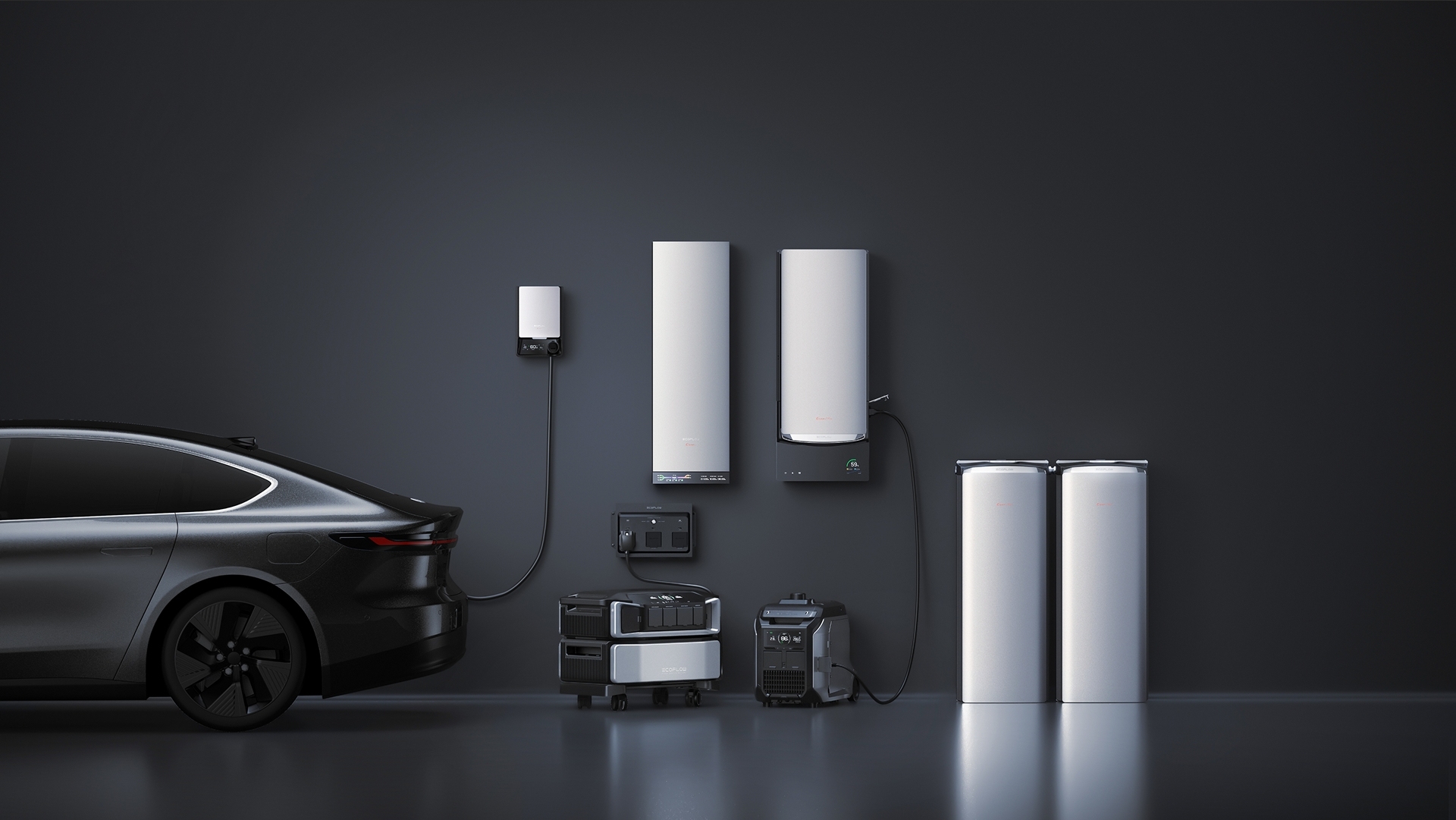
If you want EV charging to work as part of a whole-home battery setup, you can pair EcoFlow OCEAN Pro with the EcoFlow OCEAN EV Charger (11.5kW) to keep your charging schedule aligned with your home energy plan.
Scheduling That Matches Your Utility Rates
Scheduling is the most practical feature for most U.S. homes. Set charging to start in your lower-rate hours, then stop at a target state of charge. This is one of the simplest answers for how to charge EV at home while keeping the bill under control.
Coordination With Solar and a Whole-Home Battery
Solar helps when charging can happen during production, such as weekends or work-from-home days. Large home storage adds flexibility by shifting solar energy into the evening. That can reduce peak grid draw and keep your routine predictable. When you compare the best EV charger for home options, look for features that support your energy schedule.
Data That Actually Helps
The useful data stays simple:
Energy added per session
Start and finish times
Alerts for interruptions
Reporting you can compare to your electric bill
That information supports steady habits and improves the best EV home charging over time.
Put Solar and Home Battery Charging Into One Plan and Choose Your Charger With Confidence Today
Tie your charger choice to your panel capacity, your nightly parking time, and the safety listings your inspector expects. Use scheduling and load management to keep EV charging away from your home’s peak demand. If you’re building a solar-and-battery home energy plan, consider EcoFlow OCEAN Pro paired with the EcoFlow OCEAN EV Charger (11.5kW). It keeps EV charging inside the same home energy strategy, so your routine stays simple. Explore the system, then confirm your design with a licensed electrician. Learn More
FAQs
Q1: How to pick a home EV charger?
Pick a home EV charger by starting with ownership basics: warranty terms, responsive support, and easy access to replacement parts like the cable and holster. Confirm the installer documentation is clear and complete, since that reduces installation issues and downtime. Check firmware update policy and app reliability. Also, verify the model qualifies for any local utility EV charging program or rebate.
Q2: Which is the best EV charger for the home?
The best EV charger for home is the one that stays reliable for years in your climate and is easy to service. Favor brands with strong support, clear troubleshooting codes, and consistent firmware maintenance. Utility program compatibility can matter in 2026 because managed charging incentives often require approved models. Good session reporting helps you verify costs and spot abnormal energy use early.
Q3: Which EV wall charger is best?
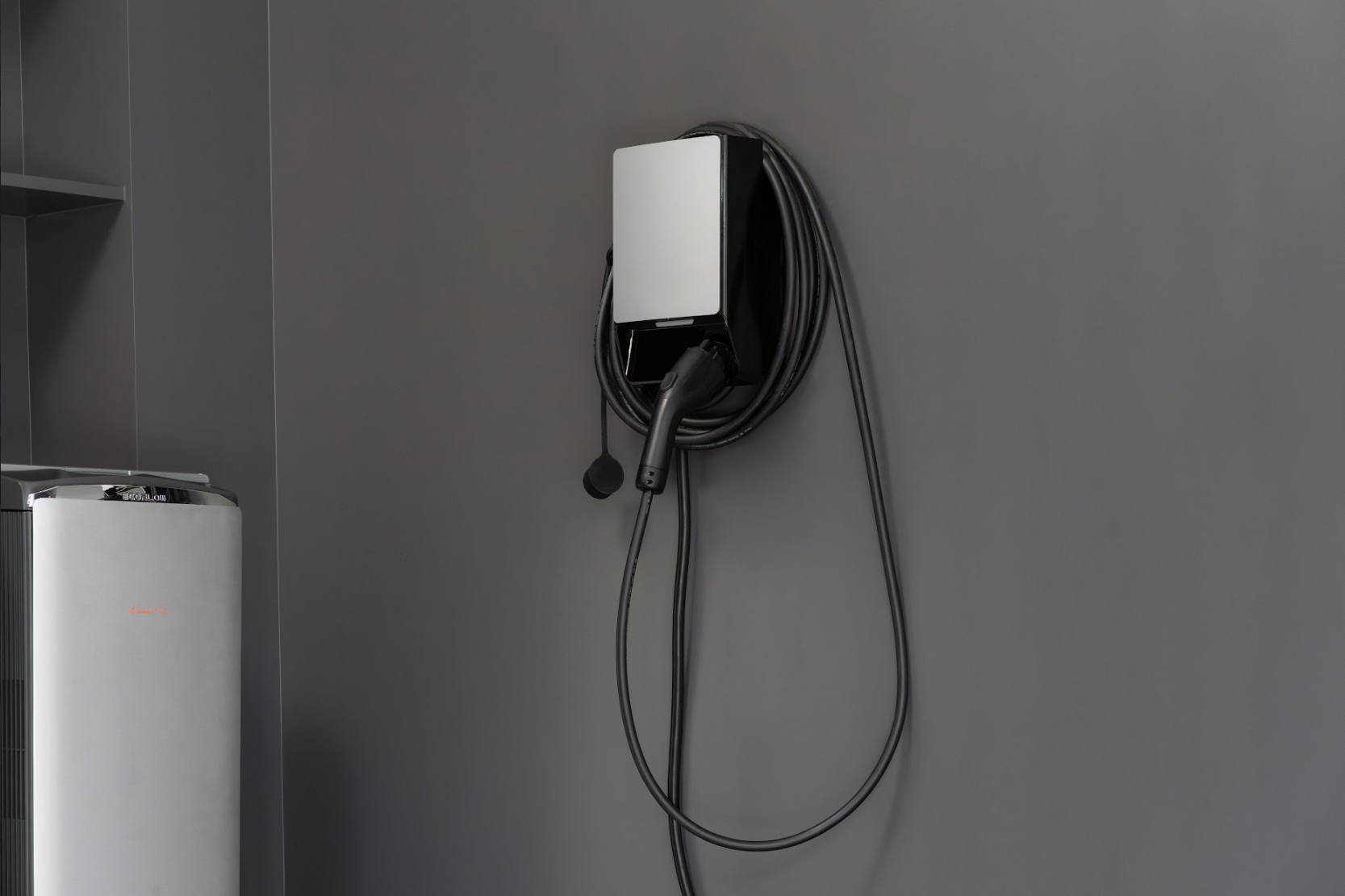
The best EV wall charger is the one that fits daily use with minimal friction. Look for strong cable management, a connector holster that keeps pins clean, and a housing designed for heat during long charging sessions. Practical details matter: clear status lights, a secure start method if you want access control, and a design that keeps the connector off the ground in bad weather.
Q4: Should I choose a plug-in (NEMA 14-50) charger or a hardwired installation?
Choose hardwired if you want the most reliable long-term setup, especially for higher power (40–48A), outdoor installs, or homes with heavy electrical demand. Hardwiring reduces connection points, avoids outlet wear, and often makes inspections simpler. Choose a plug-in if you value flexibility (moving the unit, swapping chargers, or renting) and your charging goal can be met at a lower, stable current. In either case, the safest answer depends on your panel capacity, continuous-load planning, and local code—so confirm the circuit design and amp setting with a licensed electrician before you buy.
Q5: Should I charge 80% every night?
Set your daily charge limit to your automaker’s recommendation, and 80% works well for many drivers. Battery chemistry and vehicle management differ, so the car’s guidance is the safest rule. Avoid leaving the battery parked at 100% for long periods unless your manufacturer says it is fine. Raise the limit before a long trip, then return to your normal daily limit.
