
Grid-Scale Battery Storage vs. Home Battery Storage: What Are the Differences?
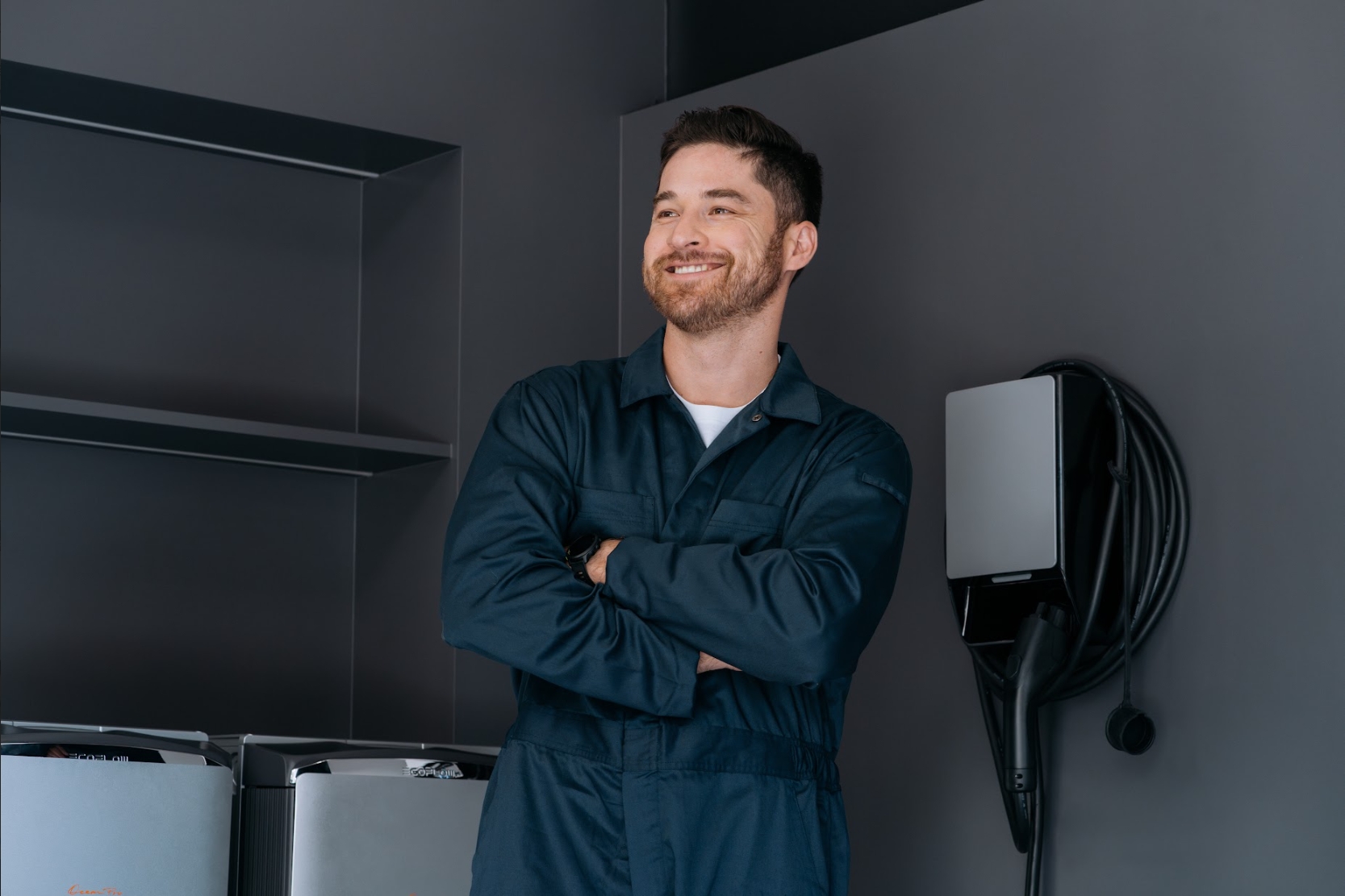
Different battery storage systems operate differently. The functions of a tiny unit in your garage and a utility-scale installation powering a city are very different, even though both store and release electricity on demand. Comparing grid-scale battery storage against a residential home battery storage system reveals a major shift in the energy landscape. Modern technology is now shrinking the immense capacity and intelligence of national infrastructure into localized solutions for the everyday household.
What Is Grid-Scale Battery Storage?
The term grid-scale battery storage refers to massive facilities designed to support the entire utility network. Unlike individual units, a utility-scale battery energy storage system (BESS) acts as a giant shock absorber for the national grid. These systems typically provide hundreds of megawatts of power, ensuring that when the sun sets or the wind stops blowing, the lights stay on across entire cities.
According to research from the National Renewable Energy Laboratory (NREL), these installations are essential for decarbonization. They allow utilities to store excess energy during periods of low demand and release it when the demand spikes, a process known as "peak shaving". While these systems are vital for national stability, they are industrial assets owned by utility companies, not individual consumers.
What Is a Home Battery Storage System?
A home battery storage system is a decentralized energy solution located "behind the meter." This means the unit sits on the customer's side of the electrical connection, serving the house first and the grid second. For the modern homeowner, this technology provides a layer of security and financial control that was previously impossible.While a utility system manages a city, the residential version manages your appliances. These systems are typically compact, safe for indoor or outdoor installation, and designed to work in tandem with rooftop solar panels.
Domestic Energy Independence
Modern residential units have evolved beyond simple emergency backup. Today’s systems are "on-grid," meaning they stay connected to the utility but prioritize using stored energy to avoid high electricity rates. This transition from passive backup to active energy management is why battery storage is becoming a standard feature in new home construction.
Versatile Power Integration
A sophisticated residential system does not rely on a single source. It can pull power from various inputs to ensure the house never goes dark:
Solar Panels: Capturing free energy during the day.
Electric Vehicles (V2L): Using your car as an emergency power source.
Gas Generators: Providing a fail-safe for extended outages.
The Grid: Charging when rates are lowest.

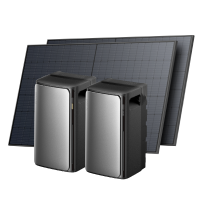
OCEAN Pro Home Solar Battery: Own Your Energy, Your Way
Key Differences Between Grid-Scale and Home Battery Storage
Navigating the world of energy can be complex, so comparing these systems directly helps clarify which needs they serve. While both rely on similar chemical reactions to hold a charge, their scale and operational goals vary significantly.
Capacity and Power Output
Capacity is measured in kilowatt-hours (kWh) for homes and megawatt-hours (MWh) for utilities. One MWh is equal to 1,000 kWh. A standard home battery storage system might hold 10 to 30 kWh, which is enough to run a modern house for a day. In contrast, a grid-scale battery storage site can hold 100 MWh or more, capable of powering thousands of homes for several hours.
Location and Interconnection
Utility systems connect to high-voltage transmission lines that travel across states. Home systems connect to the standard 120V or 240V circuits found in a kitchen or garage. Because home batteries are located where the energy is actually consumed, they avoid the "line losses" that occur when electricity travels long distances.
Economic Impact and Ownership
The following table summarizes the primary economic distinctions between these two types of battery energy storage systems.
Feature | Grid-Scale BESS | Home Battery Storage |
|---|---|---|
Primary Owner | Utility Companies/Investors | Individual Homeowners |
Investment Goal | Market Arbitrage & Stability | Bill Reduction & Backup |
Revenue Stream | Ancillary Services & Grid Sales | Solar Self-Consumption & VPP |
Investment Type | Economies of Scale (Lower per kWh) | Specialized Home Infrastructure |
As shown above, the utility focuses on the macro-economy of the city, while the homeowner focuses on the micro-economy of the household. While grid-scale systems benefit from bulk sizing, home systems provide higher direct value by eliminating transmission fees and providing personal energy security.
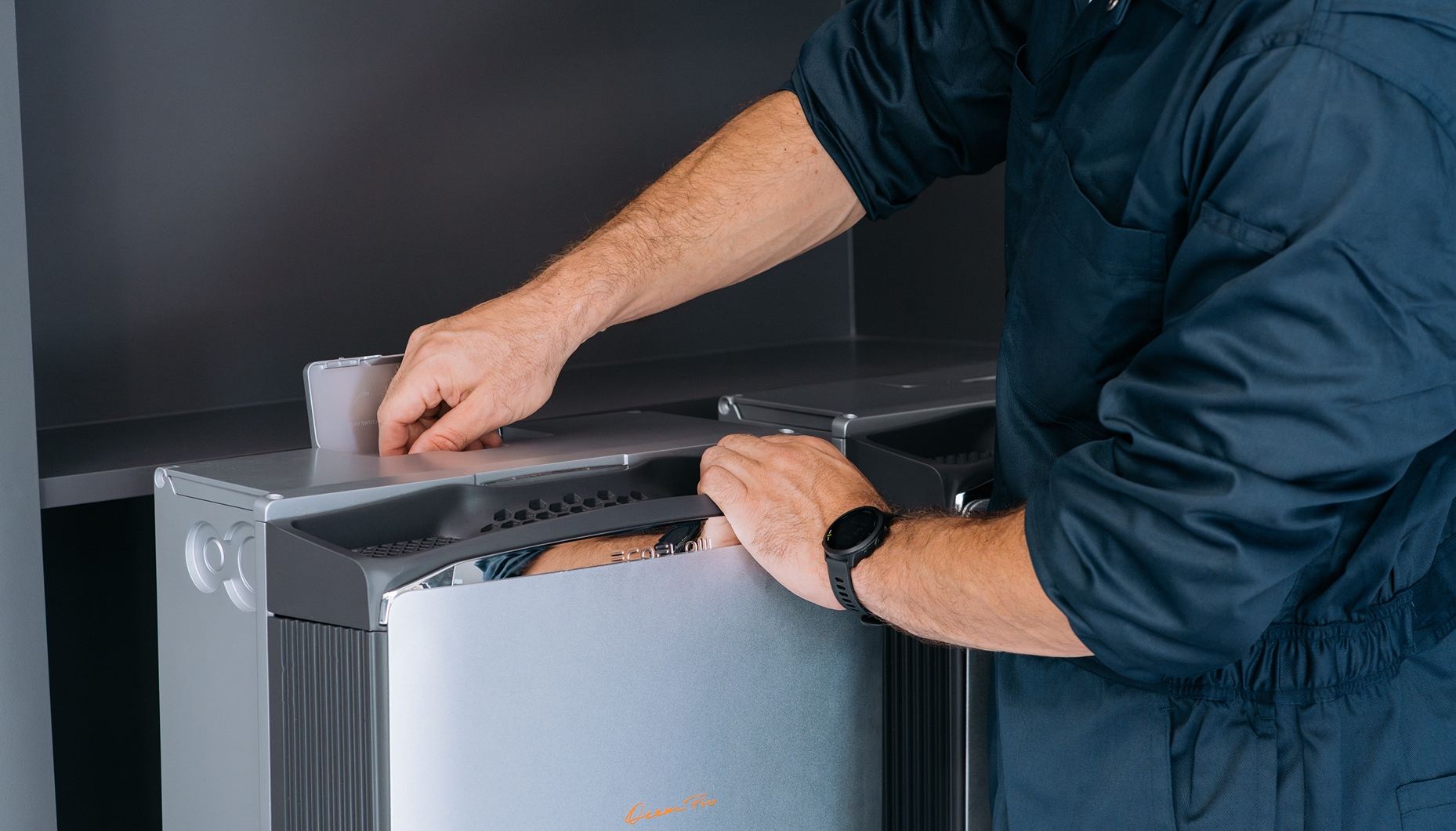
How On-Grid Home Batteries Work Like the Grid
The line between the utility and the home is starting to disappear. Advanced technology allows a residential home battery storage system to act like a miniature version of a power plant. This creates a more dynamic relationship between the homeowner and the utility company.
Virtual Power Plants (VPP)
A Virtual Power Plant (VPP) is a network of many small home batteries that work together to act like one large power plant. When the grid is stressed, the utility can "ask" these connected home batteries to discharge energy back into the system. In exchange, the homeowners earn credits or cash. This turns a standard house into a participant in the grid-scale battery storage market.
Smart Energy Management Features
Modern on-grid systems use sophisticated software to maximize efficiency. Advanced setups utilize several strategies to save money:
Time-of-Use (TOU) Arbitrage: The system charges when electricity is cheap (middle of the night) and discharges when it is expensive (late afternoon).
Solar Self-Consumption: It ensures that every drop of solar energy produced on the roof is used by the home rather than wasted.
Whole-Home Backup: It can integrate with solar, generators, and even V2L (Vehicle-to-Load) electric vehicles to provide a continuous power supply.
Why You Need a Home Battery Storage System
The transition to personal battery storage is driven by the need to stabilize energy costs and guarantee security. As traditional power grids age, they become more susceptible to failures from extreme weather and increased demand.
Homeowners generally install these systems to address four major challenges:
Grid Reliability: Protecting against rolling blackouts and infrastructure failures.
Rising Utility Rates: Reducing reliance on the grid during expensive peak hours.
Solar Optimization:Storing excess daylight energy for use at night.
Environmental Impact: Maximizing the use of clean, renewable power over fossil fuels.
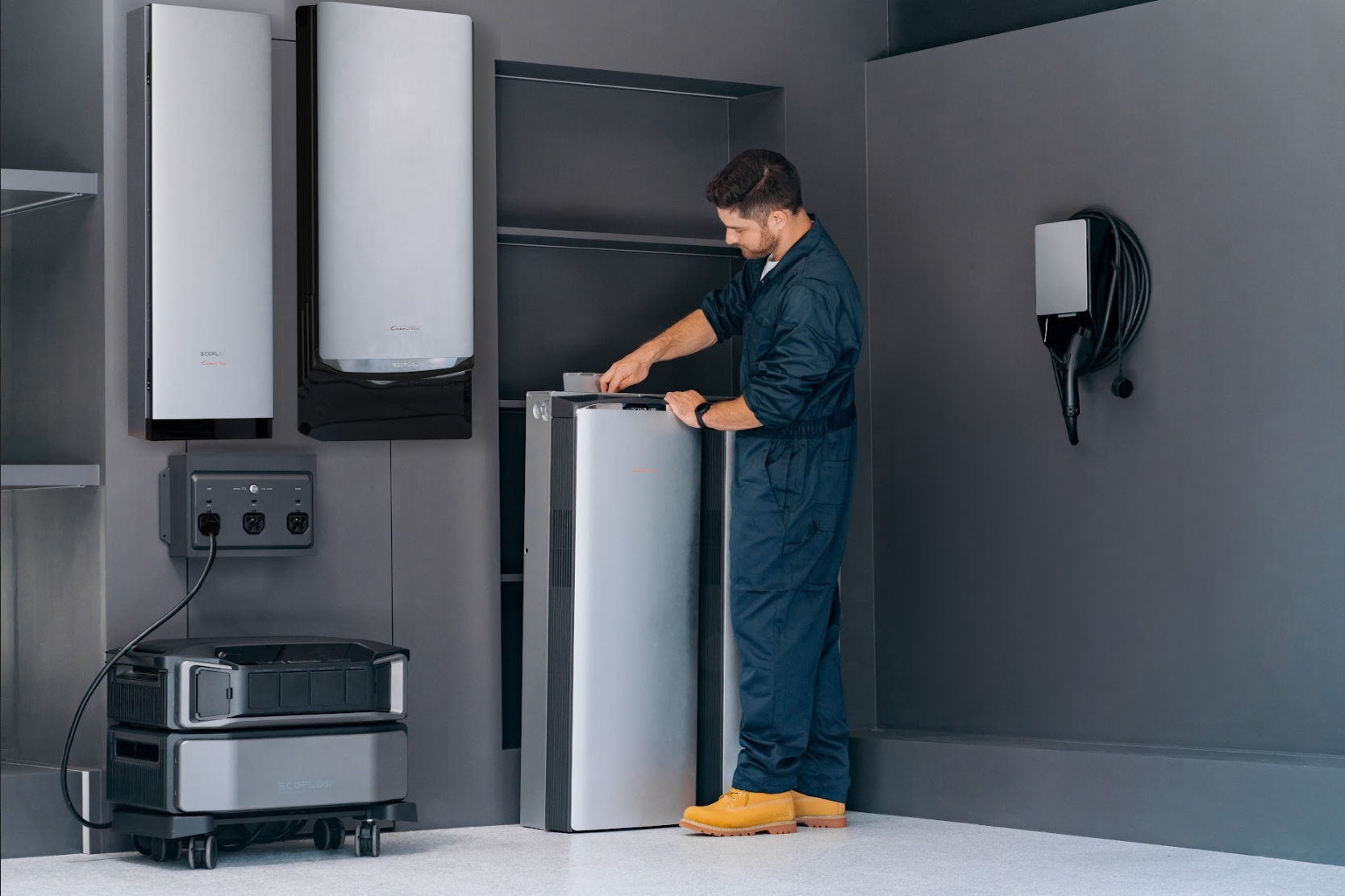
Achieving this level of resilience is significantly enhanced by high-performance hardware. The EcoFlow OCEAN Pro is specifically designed for these needs, delivering unlimited whole-home backup and seamless on-grid integration. To truly mirror the precision of a grid-scale system, pairing the battery with the EcoFlow OCEAN Smart Electrical Panel 40 allows you to manage up to 40 individual circuits right from your phone, which directly extends your backup time by prioritizing essential loads. During an outage, the panel automatically ensures your most critical appliances stay powered while shedding non-essential electronics to preserve every kilowatt-hour. By localizing power control, you protect your household from grid instability while maximizing the efficiency of your solar investment.
Take Full Control of Your Energy Management
Investing in an on-grid residential system transforms your relationship with electricity. The EcoFlow OCEAN Prois an advanced solution that lets you control your electricity in a smart way. It offers unlimited whole-home backup and the chance to make money by selling energy back to the grid. Get started on your energy-independent future today and find a setup that works best for you. Simply Get a Quote to receive professional guidance and personalized pricing for your smart home battery project.
What kind of product or solution are you interested in?
FAQs
Q1. Is It Worth Having Battery Storage?
Yes, it is a great investment for cutting down high monthly power bills. You can save a lot of money by using your own stored solar energy instead of buying it from the utility company. It also keeps your house running smoothly during a storm when everyone else’s power goes out.
Q2. Can I Use a Home Battery Storage System Without Solar Panels?
Yes, you do not need solar panels to benefit from a home battery. An on-grid system can charge directly from the utility during off-peak hours when electricity is cheapest and then discharge during expensive peak periods. This time-of-use strategy alone can lower your monthly bill significantly, making a battery a smart investment even without a single solar panel on your roof.
Q3. Can a Lithium Battery Catch Fire When Not in Use?
No, it is extremely safe when you use a modern system that is built correctly. New home batteries use a special material called LFP that is much more stable and does not get too hot. These systems are tested very strictly to make sure they are safe for your garage or backyard.
Q4. Can a Home Battery Storage System Help During a Total Grid Failure?
Yes, it provides a seamless transition that acts like an invisible power shield that turns on the second the grid fails. In order to keep your lights on while the neighbors are left in the dark, it swiftly disconnects your home from the street. Additionally, this configuration enables you to continue using your solar panels for charging even in the event that the main grid fails.
Q5. How Does Grid Scale Battery Storage Differ from Residential Units in Longevity?
Depending on discharge cycles, both types are designed to endure for many years, typically 15 years or longer. Home units employ clever smart system to handle everything for you, while teams of engineers monitor grid-sized systems. This means your home battery remains efficient without you ever having to check on it or worry.
