
What Should the Temperature Be for a Refrigerator? The 2026 UK Guide
In the UK, your fridge and freezer are the hardest-working appliances in your kitchen. They run every second of the day to keep your groceries safe and fresh. However, many of us set the temperature once and then completely forget about it. With energy prices remaining a top concern in 2026, getting these settings right is vital. A fridge that is too warm can lead to food poisoning, while one that is too cold wastes expensive electricity. This guide will help you find the perfect balance for your home. We will look at the ideal numbers for your fridge and freezer. You will also learn how to measure these temperatures accurately at home. Finally, we will show you how to protect your food during power cuts with modern battery backups.
What is the best temperature for a refrigerator?
Getting your refrigerator temperature right is the best way to stop food from spoiling early. It is a simple change that makes a huge difference in your kitchen. Here is what you need to know to find the sweet spot.
The ideal temperature range is 3–5°C (37–41°F). For most UK homes, the best setting is around 4°C, which balances safety and efficiency.
Keeping a normal temperature inside a fridge prevents dangerous bacteria from growing on your food. Most germs struggle to multiply when the air is below 5°C. This keeps your milk and meat safe and ensures your leafy greens stay crisp for much longer.
Many people think the normal temperature in a fridge is around 7°C because that's what the dial often shows on medium. However, the ideal temperature is 3–5°C, where food stays safe without using extra electricity.
What is the ideal freezer temperature?
Your freezer needs the right setting to keep food safe for months. Getting the right temperature of freezer for UK households is vital for every kitchen. The correct setting helps preserve food quality while avoiding unnecessary energy use.
Recommended freezer temperature
Set your freezer to -18°C (0°F). This is the clear recommendation from the Food Standards Agency here in the UK. Most fridge-freezers have a simple dial or digital setting that reaches this level without trouble.
Why -18°C is the standard
This temperature stops bacteria from growing at all and locks in food quality for a long time. The UK follows the same safety rules used across Europe, North America, and most other countries. Food safety experts have stuck with this number for decades because it works so well everywhere.
How it prevents freezer burn
Freezer burn happens when moisture escapes from your food and turns into ice crystals on the surface. A steady temperature inside freezer units helps prevent this. When the temperature stays at a constant -18°C, the moisture is less likely to move, keeping your food tasting much better.
Risks of incorrect settings
If it's warmer than -18°C, bacteria can slowly start working again, and freezer burn speeds up. Food loses quality faster and might not be safe to eat after a while. If you set it too cold, you just burn extra electricity for no real gain.
How refrigerator temperature affects electricity bills
Lower temperatures increase energy consumption
Every degree you drop below the recommended range forces the motor to work much harder. In fact, setting your fridge just 1°C colder can increase its energy use by about 5% to 10%. Over a full year, this adds up to a noticeable amount of extra money on your bill.
Overcooling wastes electricity
Many people think a colder fridge is always better, but overcooling is simply a waste of power. If your refrigerator temperature is consistently below 2°C, you are paying for cooling that you don't actually need. This extra chill doesn't make your food safer; it just drains your wallet.
Efficient temperature settings reduce operating costs
Sticking to the 3–5°C (typical temp for fridge) range for your fridge and -18°C for your freezer is the best way to save money. These settings provide the perfect balance between food safety and energy efficiency. It allows the compressor to cycle on and off naturally without running constantly.
Energy-saving tips for daily use
Keep doors closed as much as possible to maintain internal temperature.
Allow hot food to cool before placing it inside the fridge.
Ensure good airflow by avoiding overloading shelves.
Ensure the rubber gaskets are airtight to keep the cold in and the heat out.
Reduce energy costs with smart home power solutions
Managing your refrigerator temperature is a great start, but smart tech can take your savings further. In the UK, power cuts or peak price spikes can put your groceries at risk. A fridge stays safe for about 4 hours during an outage, while a full freezer lasts up to 48 hours at -18°C. To save on running costs and protect your food in case of a power outage, home battery storage is a great option. EcoFlow batteries will ensure that your essential appliances are always in use and that you consume cheaper energy whenever possible.

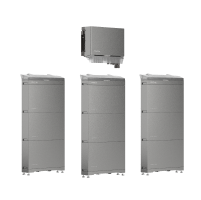
The EcoFlow PowerOcean is a particularly smart choice for UK homeowners. It uses safe LFP battery storage that you can scale up as your needs grow. This system protects your food during blackouts and helps you avoid expensive peak-time electricity rates. Here are three strong options available:
Product | Ideal for | Key Specs |
|---|---|---|
Smaller or average UK homes on single-phase supply | 5kWh start, expandable to 15kWh on one inverter; 6kW backup power; IP65 weatherproof; fire protection | |
Larger UK homes with three-phase electricity | Up to 45kWh expandable; 6,000+ cycles to 70% capacity; 15-year warranty; 10–12kW backup (surge 12kW/60s) | |
High-demand homes, complex roofs, or light commercial use | Up to 40kW solar input; 29.9kW AC output; expandable up to 180kWh; dynamic tariff support; 20ms switch-over |
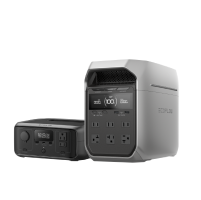
To get the most out of your EcoFlow Home Battery, you can add Intelligent HEMS as a smart brain for your kitchen. The system even watches the weather for you, charging your battery 100% before a storm to keep your food from spoiling during a power cut.
Ready to start saving? Get a solar battery quote today. EcoFlow experts are here to help you build the perfect system.
What kind of product or solution are you interested in?
How to measure the temperature accurately?
If you want to know the normal temperature inside a fridge, guessing is not enough. Measuring it correctly helps you adjust settings for food safety and energy efficiency.
Use an appliance thermometer
Purchase an inexpensive, freestanding appliance thermometer from a local hardware store or online. These are much more accurate than the basic "1 to 5" dials found inside many units. They are a small investment that can save you a lot of money on spoiled food.
Placement for accuracy
Place the thermometer on a middle shelf in the centre of the fridge for the best results. For a truly accurate reading, place the thermometer inside a glass of water. This measures the actual temperature of the food rather than just the moving air.
Wait and read
Leave the thermometer in place for 5 to 8 hours, or ideally overnight. Avoid opening the door frequently during this time, so the air stays still. This gives the thermometer enough time to lock in a solid, consistent reading for you.
Check the freezer
To find the temperature inside the freezer that UK standards require, place the tool between two frozen food packages. Leave it there for at least 5 to 8 hours without moving it. This ensures you are measuring the core coldness of your frozen stock.
How to maintain the right fridge temperature?
Keeping the ideal fridge temperature UK homes need is mostly about building a few simple habits. These small daily actions keep your cooling stable and stop your electricity bill from creeping up.
Avoid overloading the fridge
It is tempting to pack the shelves after a big shop, but an overfilled fridge blocks the air. Cold air needs space to move around your groceries to keep them safe. Try to keep your fridge about 70–80% full, so the normal temperature inside a fridge stays consistent.
Keep door openings minimal
Every time you open the door, the cold air falls out and warm air rushes in. This forces the compressor to work much harder to chill everything back down. Try to grab what you need quickly and shut the door to prevent a rise in refrigerator temperature.
Ensure proper airflow
Be careful not to block the air vents with large milk cartons or food containers. Blocked vents prevent the cold air from reaching every shelf evenly. This can create "warm spots" where your food might spoil sooner than it should.
Check door seals regularly
The rubber gasket around the door is the only thing keeping the heat out. If it is cracked or dirty, your fridge will leak cold air 24/7, which wastes money. Clean the seals with warm, soapy water every month to keep them airtight and flexible.
Adjust settings for seasonal changes
Your kitchen temperature changes with the weather, so your fridge settings should too. In a hot summer, you may need to nudge the cooling up a bit. Making these seasonal tweaks helps you maintain the normal refrigerator temperature without wasting energy.
Common refrigerator temperature mistakes to avoid
Even small mistakes can affect food safety and increase electricity use. Avoid these common habits to keep your fridge running efficiently.
Setting the temperature too low
Many people think colder is better, but this wastes energy. Food does not stay safe below the recommended range. Very low settings can also freeze fresh items. Keep the fridge around 3–5°C for best results.
Blocking air vents
Cold air circulates through vents inside the fridge. When these are blocked, cooling becomes uneven. Some areas turn too warm while others become too cold. Always keep space around vents for proper airflow.
Placing hot food inside
Putting hot dishes straight into the fridge raises the internal temperature. The compressor then works harder to cool everything down. This increases energy use and affects nearby food. Let food cool to room temperature first.
Ignoring temperature fluctuations
Frequent door opening, faulty seals, or overloading can cause temperature changes. Many households never check the actual internal temperature. Use a thermometer regularly to ensure it stays within the safe range.
Conclusion
In conclusion, your fridge should be set between 3-5°C, while your freezer should be at -18°C. This will ensure that your food is safe and that you save energy. By adhering to these tips, you will be able to protect your food and save on your electricity bill. This will also ensure that your fridge and freezer last for a longer period of time. To ensure that your appliances are still working even when there is a power outage, you can invest in a home battery system. EcoFlow Home Battery is one such product that will ensure that your food does not go to waste due to a lack of cooling.
FAQs
1. What is the "Danger Zone" for food?
The danger zone is between 5°C and 60°C. In this range, bacteria grow quickly, and food can become unsafe. If you are wondering what number my fridge should be on, aim for a setting that keeps it around 3–5°C.
2. How do I tell if my fridge is cold enough?
The best way is to use a separate appliance thermometer. Place it in a glass of water on the middle shelf overnight. The reading should stay between 3–5°C. If it rises above 5°C, lower the setting slightly and check again after several hours.
3. Why is my refrigerator not staying at the right temperature?
Common causes include overloading, blocked air vents, frequent door opening, or damaged seals. Dirty coils or a faulty thermostat can also affect cooling performance and temperature stability.
4. How often should I defrost my freezer, and does it affect the temperature?
Defrost when ice builds up beyond about 5 mm. Ice blocks airflow and reduces cooling efficiency. Regular defrosting helps maintain stable temperatures and lowers energy use.
5. What happens if my fridge temperature goes above 5°C for a short time?
A quick rise is normal when you are loading groceries or cooking. Most food is fine if the temperature returns to normal within an hour. If it stays above 5°C for over two hours, bacteria may start to grow. Always keep the door shut as much as possible. To protect your food during a power cut, the EcoFlow Home Battery provides reliable backup. It kicks in instantly to keep your fridge running and your groceries fresh.
6. Does a refrigerator get colder when it is full?
A moderately full fridge holds cold better and runs efficiently. However, overfilling blocks airflow and causes uneven cooling. Keep it about 70–80% full for best temperature control.

