
What Is the Temp in the Fridge: Energy Efficient Settings for UK Homes
Keeping your fridge at the right temperature is a delicate balance between food safety, energy efficiency, and managing those ever-rising UK energy bills. In this guide, we’ll dive into the ideal settings for British kitchens, why consistency matters, and how smart home tech can help you spot a failing appliance before your weekly shop ends up in the bin.
What Is the Ideal Fridge Temperature for UK Homes?
According to the UK Food Standards Agency (FSA), keeping a domestic fridge between 3°C and 5°C significantly slows bacterial growth while maintaining optimal food freshness and safety. For freezers, the recommended temperature is −18°C, which preserves food quality while minimising unnecessary energy use.
Most of us grew up just "turning the dial to 3" and hoping for the best, but modern efficiency standards are a bit more demanding. Getting it right means you aren't constantly choosing between milk that goes off too soon or lettuce that’s been frozen into a block of ice. If your fridge doesn't have a built-in digital display, it’s well worth spending a few pounds on a manual thermometer. Place a thermometer on the middle shelf, and you'll finally know exactly what's going on inside.
What Happens If Your Fridge Is Too Warm or Too Cold
When your fridge drifts away from that ideal window, it’s not just your leftovers at risk—your wallet takes a hit too.
1. Food Spoilage and Bacteria Growth Risks
If your fridge rises above 8°C, it enters what food safety experts call the “danger zone.” In this window, harmful bacteria such as Listeria and Salmonella can multiply at an alarming rate, meaning those premium cuts from Waitrose or M&S could become a health hazard well before their use-by date.
2. Frozen Food Damage and Texture Loss
On the flip side, a fridge that’s too cold is equally annoying. When temperatures dip towards 0°C, items near the back or the cooling element can partially freeze. This ruins the texture of fresh veg and can cause "thaw-refreeze" cycles that degrade food quality.
3. Higher Energy Use Caused by Incorrect Temperature
A fridge set too low is essentially a money pit. For every degree colder than needed, fridge energy consumption can rise by roughly 2–5%, depending on insulation quality and compressor efficiency. Learning how to make your home more energy-efficient can help offset these inefficiencies and lower your overall carbon footprint.the compressor has to work significantly harder, leading to a noticeable spike in your monthly electricity usage.
Common Reasons Fridge Temperature Becomes Unstable
Even if you’ve set the dial correctly, several "British kitchen quirks" can cause your fridge to struggle. These minor efficiency losses contribute to the bigger picture of why UK electricity is so expensive compared to other regions.
1. Incorrect Thermostat Settings
It sounds simple, but many dials are numbered 1–5, which often refers to cooling power rather than degrees Celsius. Confusing these two is the most common reason for a lukewarm fridge.
2. Overloading and Poor Air Circulation
We all love a "big shop," but cramming the shelves to the brim blocks the air vents. Without proper circulation, you get cold spots at the back and warm pockets at the front.
3. Frequent Door Opening and Worn Door Seals
In an average UK household, fridge doors may be opened 20–30 times per day, allowing warm air to enter and forcing the appliance to work harder to stabilise internal temperatures. If your seals (the rubber gaskets) are worn or brittle, cold air leaks out constantly, forcing the motor to run non-stop.
4. Seasonal Changes and Ambient Room Temperature
Our kitchens can get surprisingly warm in the summer or stay quite chilly in winter. If your fridge is tucked next to a radiator or a sunny window, it will struggle to maintain a steady internal temp as the external environment shifts.
5. Power Interruptions and Voltage Fluctuations
The UK grid is generally reliable, but micro-fluctuations in voltage can confuse sensitive modern thermostats, leading to "ghost" resets or inconsistent cooling cycles.

How to Maintain the Ideal Fridge Temperature for Energy Efficiency
Consistency is the secret to a long-lasting appliance and fresh food. Here’s how to keep things steady.
1. Setting the Thermostat Correctly for Consistent Cooling
Always use a dedicated thermometer rather than relying on the built-in dial. Once you find the setting that holds 4°C, leave it alone. Constant fiddling only makes the compressor work harder.
2. Organising Food to Maintain Proper Air Circulation
Avoid leaning items directly against the back wall. Leave a little "breathing room" between jars and containers so the cold air can tumble freely around the shelves.
3. Minimising Daily Temperature Fluctuations
Try to decide what you want before opening the door, and never put piping hot leftovers straight inside. Let that Sunday roast cool on the counter first to avoid a massive temperature spike.
4. Using Energy Monitoring to Maintain Consistent Cooling
A fridge’s energy consumption is the ultimate "tell" for its health. If the compressor starts kicking in more frequently or the cooling cycles seem to drag on, it usually points to aging seals or a dusty condenser coil. Because temperature changes inside a fridge occur gradually, declining efficiency often goes unnoticed until energy bills begin to rise. Integrating your appliances into a Home energy management system lets you track compressor activity and consumption in real time, rather than guessing if your fridge is overworking.
This is where data becomes your best friend. The EcoFlow PowerInsight 2 provides real-time energy tracking that transforms your fridge’s performance into easy-to-read visuals. By comparing your daily power baseline, you can spot performance dips that the naked eye would miss. This data-driven approach allows for "preventative maintenance"—cleaning those coils or fixing a seal before the compressor burns out entirely.
5. Maintaining Fridge Stability During Power Spikes
The control boards in modern fridges are incredibly sensitive to voltage stability. During peak times on the UK grid, minor fluctuations can cause logic errors or "circuit fatigue" in your appliances. This doesn't just cause temporary shut-offs; it can actually damage the compressor’s start capacitor, leading to a very expensive repair bill and a fridge full of spoiled food.
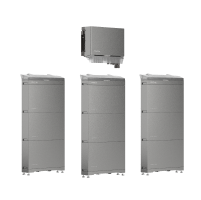
To combat this, the EcoFlow PowerOcean (Single-Phase) acts as a sophisticated home energy hub. It provides a steady, "clean" flow of electricity that matches grid specs perfectly while isolating your fridge from external spikes. By using this smart power management, your fridge stays in a protected environment, significantly lowering the risk of hardware failure caused by poor power quality.

When Should You Consider Getting a New Fridge
If your fridge is hitting the 10-year mark, you’re likely fighting a losing battle. You’ll hear it first—that annoying, low-level buzz that never seems to quit. Or worse, you’ll notice it "sweating" (condensation on the outside), which is a dead giveaway that the insulation has given up the ghost.
It feels like a significant upfront outlay, but keeping an old clunker is usually a false economy. Today’s A-rated models are massive leaps forward; we’re talking 30% to 40% less power than the stuff made a decade ago. If you’re tracking your usage with smart tech, you’ll see the difference in your bills almost immediately. In a couple of years, the fridge basically pays for itself.
Conclusion
Keeping your fridge in that ideal 3°C to 5°C window is the easiest win. It’s a simple mix of common sense like not blocking the vents and understanding how your appliances fit into your overall Home battery storage or energy setup. If you’re using something like the EcoFlow PowerInsight 2, you aren't just guessing anymore; you can see exactly where your money is going. A bit of attention now means you’ll stop throwing away spoiled food and, more importantly, stop overpaying the energy companies.
Schedule Your Free Consultation Today!
What kind of product or solution are you interested in?

FAQs
1. What number should I put my fridge on in the UK?
As a rule of thumb, most UK fridges perform best when the dial is positioned around 3 or 4. However, it’s well worth keeping in mind that these numbers usually represent cooling power rather than actual degrees.
2. How do I know if my fridge is cold enough?
It’s generally reckoned that a standalone thermometer is the only way to be certain. If you’re finding that the milk doesn't quite have that expected chill or the butter is a tad too soft, it’s a fairly reliable sign that you’ve drifted above the safe 5°C limit.
3. Is a fridge colder on 1 or 5?
Typically speaking, a setting of 5 will be your coldest option. It’s a common point of confusion, but the higher the number, the harder the compressor works to bring the temperature down.
4. What is the first thing to check when a refrigerator stops cooling?
Your first port of call should be the power supply and thermostat settings. More often than not, it’s something as simple as a bumped dial or a tripped fuse rather than a terminal motor failure.
5. Does unplugging a fridge reset it?
Yes, unplugging a fridge for about 10 to 15 minutes can often reset the electronic control board. This is a common "quick fix" for minor logic glitches, though it won't fix mechanical issues like a broken compressor.

