
What Is a Heat Pump Tumble Dryer?
In the UK, where the unpredictable weather often makes outdoor drying a challenge, finding an efficient way to manage laundry is essential for every household. As energy prices continue to fluctuate, many British homeowners are moving away from traditional vented or condenser models toward heat pump technology. This comprehensive guide explores what a heat pump tumble dryer is, how it functions through a sophisticated closed-loop system, and why integrating it with smart home energy solutions can virtually eliminate your laundry operating costs.
How Does a Heat Pump Dryer Work?
Unlike traditional dryers that simply blow hot air through clothes and vent it out, a heat pump dryer uses a much more sophisticated and efficient method. It treats the air as a reusable resource rather than waste.
1. The Closed-Loop Air System
The defining feature of this appliance is its closed-loop system. Instead of exhausting hot, moist air into your utility room or through a wall vent, the dryer recirculates it. This means the energy used to heat the air is conserved within the machine, significantly reducing the amount of electricity required for each cycle.
2. Moisture Removal Through Condensation
As the warm air passes through the drum and picks up moisture from your damp clothes, it is then directed through an evaporator. Here, the moisture is condensed into water and collected in a tank (or drained away). The now-dry air is reheated and sent back into the drum to continue the drying process.
3. Low-Temperature Drying for Fabric Care
Because the system is so efficient at removing moisture, it doesn't need to reach the scorching temperatures of a vented dryer. This low-temperature approach is a game-changer for delicate fabrics, preventing the "cooked" feeling often associated with high-heat drying and extending the life of your wardrobe.
4. The Reverse Refrigeration Cycle Explained
Technically, the machine works like a refrigerator in reverse. It uses a compressor and a refrigerant to move heat from one place to another. By using a heat exchanger to cool the air and condense the water, and another to reheat the air, the device achieves maximum thermal efficiency. This makes it a prime example of how renewable energy principles can be applied to everyday household appliances.
How Much Does It Really Cost to Dry Your Laundry?
While we often focus on the upfront price of an appliance, the "hidden" costs of traditional drying methods can add up to hundreds of pounds over the years in a typical UK home.
1. High Electricity Bills from Heating Elements
Traditional condenser and vented dryers rely on powerful electric heating elements, which are extremely energy-intensive.
In practical terms, a conventional tumble dryer typically consumes around 4–5 kWh per drying cycle, depending on load size and programme length. In contrast, a modern heat pump tumble dryer usually requires only 1.5–2.5 kWh per cycle, thanks to its closed-loop heat recovery system.
Over the course of a year in a typical UK household, this difference can translate into hundreds of kilowatt-hours saved, significantly reducing electricity bills. This is particularly important given the current energy price cap, which keeps utility costs a top priority for UK households.
2. Cost of Replacing Heat-Damaged Clothing
High-heat drying is the enemy of elasticity and fiber integrity. Over time, the cost of replacing shrunk jumpers, thinned towels, and faded jeans can far exceed the energy savings of a cheaper, less advanced dryer.
3. Additional Expenses on Fabric Care Products
To combat the stiffness and static caused by high-heat vented dryers, consumers often spend extra on fabric softeners and dryer sheets. Gentler heat pump cycles naturally keep fabrics softer, reducing the need for chemical additives.
4. Addressing Indoor Humidity and Ventilation Issues
Standard condenser dryers often release some moisture back into the room, which can lead to dampness and mould issues in poorly ventilated British homes. Fixing structural dampness or running a dehumidifier adds another layer of indirect cost to your laundry routine.
To make it easier to see the advantages, here’s a quick comparison between a traditional tumble dryer and a heat pump dryer.
| Feature | Traditional Tumble Dryer | Heat Pump Tumble Dryer |
|---|---|---|
| Energy Consumption per Cycle | 4–5 kWh | 1.5–2.5 kWh |
| Clothing Wear & Tear | High (shrinkage, fiber damage) | Low (gentle low-temperature drying) |
| Fabric Care Products Needed | Often requires softeners or anti-static sheets | Minimal or none |
| Noise & Vibration | Medium–High | Low (some models use inverter motors) |
| Moisture Removal / Ventilation | Needs venting or additional dehumidification | Built-in condensation or drain, no external vent required |
| Long-Term Cost | High (energy + clothing replacement + maintenance) | Low (energy-efficient + protects clothes) |
As you can see, heat pump dryers outperform traditional models in almost every category, especially when it comes to energy savings and clothing care.
How Advanced Heat Pump Technology Lowers Operating Costs?
For many UK homeowners, a high-efficiency dryer is just the first step. To truly tackle the cost-of-living crisis, the next logical move is looking at how the appliance connects to your home's wider energy system. When you move from "buying a better machine" to "managing your own power," the economics of housework change completely.
1. Reduce Energy Costs at the Source
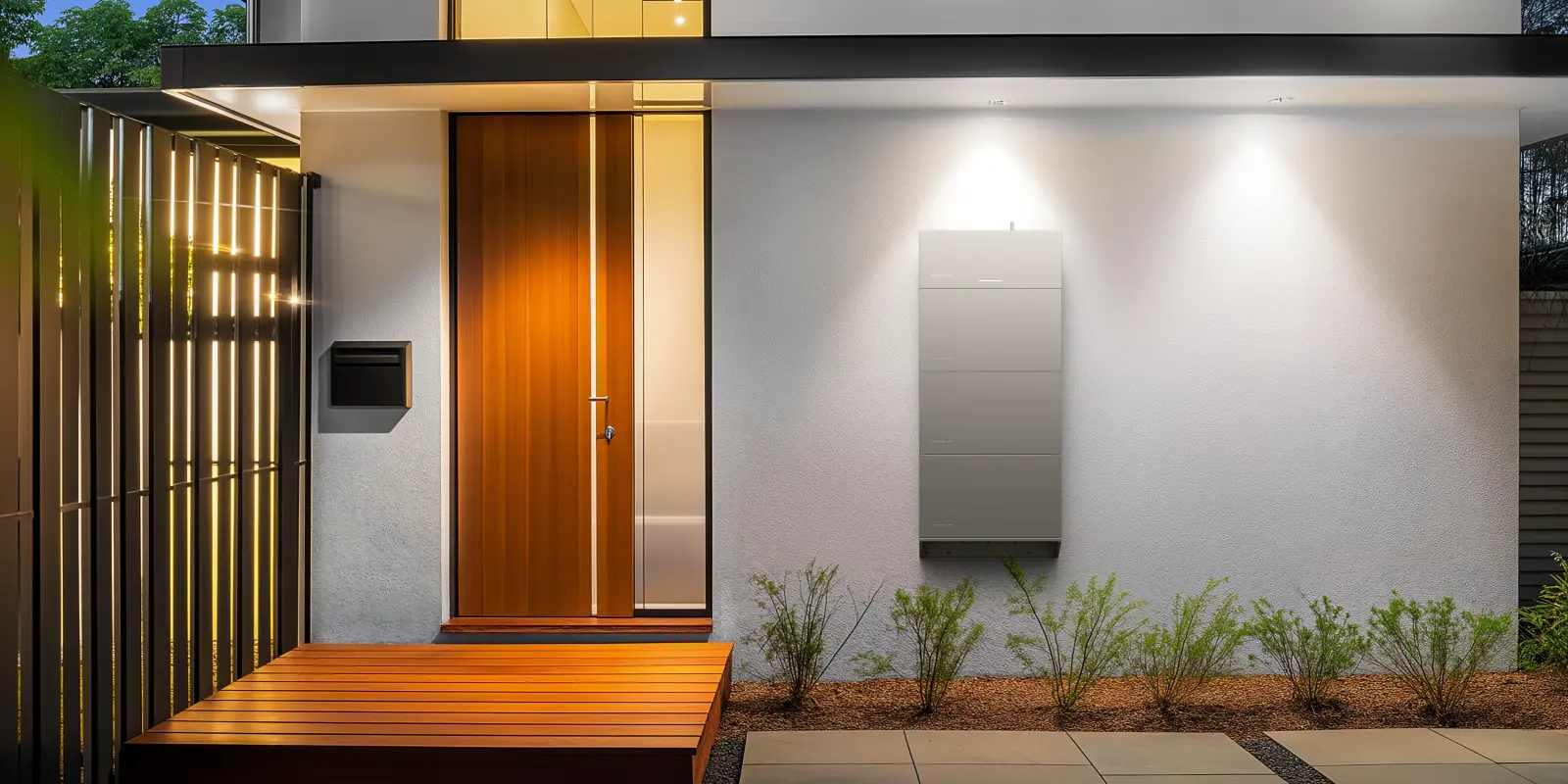
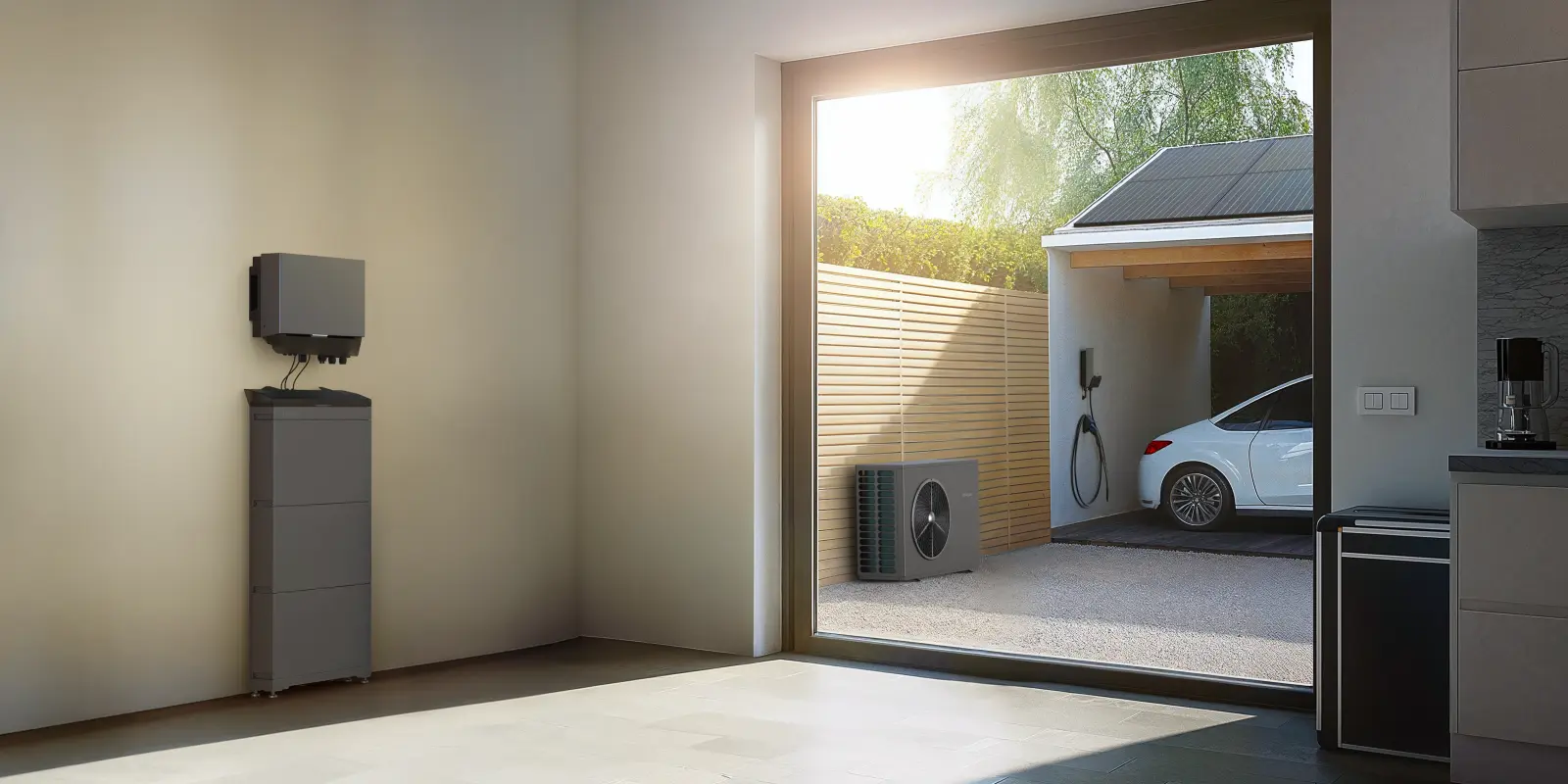
True cost control starts with where your power comes from. You can systematically change the game by using a smart home energy setup. For example, by integrating the EcoFlow PowerOcean (Single Phase) whole-home battery storage system, you can capture solar energy during the day or store up cheap "off-peak" electricity at night. You can then use that stored energy to run your heat pump dryer whenever you like—even during the most expensive times of the day. This isn't just about the dryer being efficient; it’s about restructuring your home’s energy so that drying your clothes becomes a "near-zero cost" task.
2. Accelerate Drying with Intelligent Heat Management
One of the biggest concerns with efficiency is speed, but better tech solves this. Modern solutions like the EcoFlow PowerHeat air-source heat pump provide an intelligent, high-capacity heat source for the whole house. With its advanced inverter technology, it can provide stable, abundant thermal energy that helps your home's systems work in harmony. This kind of "thermal support" ensures your drying cycles are precise and efficient, reducing waiting times without sacrificing the low-temperature care your fabrics need.
3. Eliminate Waste with Intelligent Operation
Smart dryers use sensors to "feel" how dry the clothes are. The moment your laundry reaches the perfect level of dryness, the machine stops. This prevents "over-drying" and ensures not a single watt of your energy is wasted, which is a key strategy for those learning how to save energy at home.
4. Ensure Long-Term Savings with Durable Design
Investing in a quality heat pump dryer and a robust energy storage system is a long-term win. These systems are designed to last for years, protecting you from future energy price hikes and providing a sustainable way to manage the endless British laundry pile.
What Features to Look for in a Heat Pump Dryer?
If you're ready to make the switch, here are a few things to keep in mind to make sure you get the right fit for your home.
1. Drum Capacity for Household Needs
For most UK families, an 8kg or 9kg drum is the way to go. A bigger drum isn't just for bigger loads; it gives the clothes more room to tumble, which reduces creases and lets the air circulate more freely.
2. Low Vibration and Noise Levels
If your laundry setup is in the kitchen or near a bedroom, look for "Inverter Motors." These are much quieter and vibrate less, so you won't feel like a plane is taking off in your kitchen while you're trying to have dinner.
3. Delay Start for Off-Power Energy Rates
A delay start timer is essential for those on an Economy 7 tariff. This simple feature allows you to set the dryer to run during the middle of the night when electricity rates are at their absolute lowest, helping you save a bundle without any extra effort.
4. Anti-Crease or Steam Functions
These features keep the drum turning every so often after the cycle ends. It stops your clothes from sitting in a heap and getting wrinkled, which means much less time spent behind the ironing board.
Schedule Your Free Consultation Today!
What kind of product or solution are you interested in?

Conclusion
Making the move to a heat pump tumble dryer is one of the most practical upgrades you can make for a modern UK home. It solves the damp-house dilemma, slashes your energy usage, and keeps your clothes looking new for longer. By pairing this efficiency with the smart home battery storage of the EcoFlow PowerOcean, you can finally stop worrying about the cost of a rainy day and enjoy perfectly dry laundry for next to nothing.
FAQ
1. Are Heat Pump Dryers Expensive to Run?
No, heat pump dryers are actually the most cost-effective drying appliances to run, typically using less than half the electricity of a traditional vented dryer. When powered by a home battery system like the EcoFlow PowerOcean, the operational cost can drop to nearly zero.
2. How Much Longer Does a Heat Pump Dryer Take to Dry Clothes?
A heat pump dryer typically takes about 30 to 60 minutes longer than a standard dryer because it uses lower, gentler temperatures to protect your fabrics. However, the energy savings and reduced wear and tear on clothing make this extra time a worthwhile trade-off.
3. What Is the Lifespan of a Heat Pump Dryer, and Is It Worth the Investment?
The average lifespan is approximately 10 to 15 years, and it is widely considered a worth-while investment due to the massive savings on energy bills over time. The "payback" period is even shorter if you utilize solar storage to power the unit.
4. Does a Heat Pump Tumble Dryer Need an Outside Vent?
No, heat pump dryers do not require an outside vent because they condense the moisture into a collection tank or drain it through a hose. This allows you to install the dryer anywhere in your home, including cupboards or kitchens without external walls.
5. Why Might Clothes Feel Damp After a Cycle, and How Can I Prevent It?
Clothes may feel slightly "cool" or damp because heat pump dryers use lower temperatures; often, this is just residual moisture that evaporates once the clothes are hit by room air. To prevent actual dampness, ensure the lint filters and heat exchanger are clean and avoid overloading the drum.

