
Navigating the UK Energy Crisis in 2026: Is it time to consider clean energy amid rising grid costs?
Standing charges creep up, usage barely changes, and households feel trapped by costs they can’t control. Many wonder what’s actually driving electricity prices now. This article uncovers the UK energy crisis and explores whether clean energy, efficiency, and home storage can genuinely reduce exposure to rising grid costs for British households in 2026.
The UK energy crisis didn’t end in 2023—it just changed shape
The UK energy crisis didn’t disappear after 2023. It simply became less dramatic and more permanent. The sharp spike in prices seen in late 2022 has eased, but household bills have never returned to pre-crisis levels.
By 2026, the average dual-fuel bill will remain around 40 to 45% higher than it was in 2021. The gap shows this isn’t about short-term volatility anymore, but about a higher cost base built into the system.
Much of that can be traced back to the lasting effects of the Russia–Ukraine war, which reshaped global gas markets and exposed how dependent the UK still is on imported fuel.
Even as wholesale prices stabilised, other pressures remained. Energy suppliers locked in expensive contracts during volatile periods. Grid and infrastructure costs increased. Policy changes and price caps moved slowly, meaning reductions lagged behind market shifts.
So 2026 isn’t a return to “normal.” It’s a recalibration. Energy costs are now shaped by geopolitical risk, fragile supply chains, and long-term infrastructure investment. The crisis phase may have ended, but its financial footprint is still felt on every bill, quietly but consistently, across UK households.
Why electricity bills remain high even as wholesale prices fall
When wholesale electricity prices fall, most households expect their bills to follow, but retail pricing works on a delay. Suppliers buy energy months in advance, often at higher rates locked in during volatile periods. Those costs linger, even when the market calms.
Then there are the parts of the bill that many people don’t notice. Standing charges have climbed steadily, covering transmission, distribution, and grid balancing. According to Ofgem, these “hidden” costs now take a much larger slice of what households pay, quietly eating into any savings from cheaper power.
Grid upgrades matter too. Ageing infrastructure needs investment, especially as demand changes and electrification grows. That spending doesn’t disappear when wholesale prices dip. It gets spread across bills instead.
This is why the UK energy crisis feels unresolved. The pressure has moved from fuel costs to structural ones. Lower wholesale prices help, but they’re only one piece of a much heavier puzzle.
Schedule Your Free Consultation Today!
What kind of product or solution are you interested in?
Electricity price forecast UK: What’s actually in a UK energy bill in 2026?
Before looking at forecasts or solutions, it helps to understand what you’re actually paying for. What makes up a typical UK electricity bill in 2026:
Unit rate – The price per kilowatt-hour (kWh) you use. For a household on Typical Domestic Consumption Values (around 2,700 kWh a year), this is still the biggest variable part of the bill.
Standing charge – A daily fee for being connected to the grid at all. You pay it whether you use electricity or not, and it’s crept up steadily.
Network costs – Charges for maintaining and upgrading cables, substations, and local infrastructure. These reflect long-term grid investment, not short-term energy use.
Policy levies – Funding for social and environmental schemes, such as support for vulnerable households. Small individually, but meaningful when added together.
VAT – Set at 5 %, applied to the whole lot.
The Q1 2026 price cap increase showed the pattern clearly. Even when households cut usage, the fixed parts of the bill keep rising, pushing annual costs higher year by year.
Clean energy as the long-term solution
Clean and renewable energy is often blamed for rising bills, but that story falls apart when you look closer. The real driver of volatility is still gas. Prices jump when global supply tightens, wars flare up, or traders panic. Renewables don’t behave like that. Once built, the fuel is free, and the costs stop swinging.
This matters in the context of the UK energy crisis, where households have felt the pain of gas-led markets more than anything else. Policies like Clean Power 2030, alongside similar EU investment plans, are trying to break that cycle. The idea is simple enough: invest now, stabilize later. Wind, solar, and other clean sources take time to scale, but they pay back through predictability.
What UK households can do now: How to reduce power bills
Rising energy bills are on everyone’s mind, and with the ongoing UK energy crisis, it’s more important than ever to take control of household energy use. Luckily, there are practical steps you can take now to make a noticeable difference:
Improve insulation and draft-proofing
Start by checking your home for leaks. Gaps around doors, windows, and even loft hatches let heat escape, forcing your heating to work harder. Simple fixes like weatherstripping or adding thicker curtains can reduce heat loss, keeping rooms warmer for longer and cutting bills.
Switch to time-of-use tariffs
Many energy suppliers offer tariffs that charge less during off-peak hours. By shifting laundry, dishwashing, or even heating to these cheaper periods, you can lower monthly costs significantly. Small changes in timing can make a surprisingly big impact.
Use smart meters and monitors
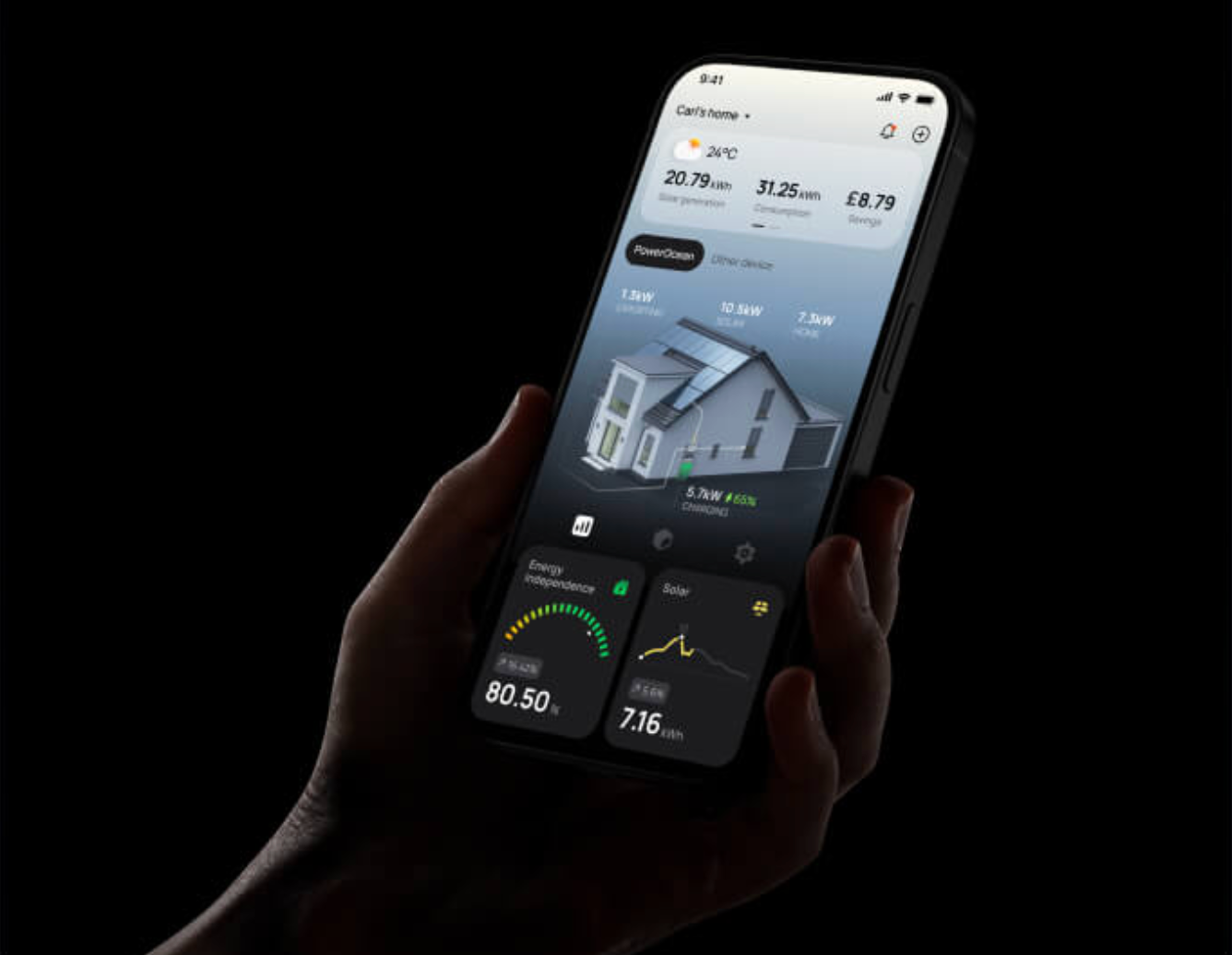
Smart management systems like EcoFlow HEMS and energy monitors like PowerInsight 2 allow households to track energy use in real time. With PowerInsight 2’s 11-inch high-resolution display, you can see exactly where energy goes and optimize consumption.
Matter 1.4 connectivity lets you control lights, thermostats, and plugs from one place, compatible with Google Nest and Tado. Its 9,300mAh battery lasts 24+ hours off-screen, so you’re never left in the dark.
Shift appliance use to off-peak hours
Couple smart monitoring with off-peak scheduling. For example, run washing machines or electric heaters when tariffs are lowest. This combination maximizes savings without sacrificing comfort.
Invest in local battery storage and solar
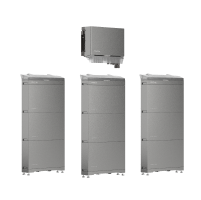
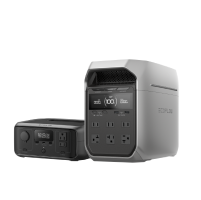
Batteries like EcoFlow PowerOcean store excess solar energy, boosting self-consumption and reducing reliance on the grid. Start with one 5kWh battery and expand to 45kWh as needed. Each pack works independently, and all connect seamlessly to existing units—perfect for building a net-zero home.
Taking small steps now can add up to big savings. For tailored advice, book a free EcoFlow consultation and see how your home can start saving energy immediately.
Final thought: How to make my home more energy efficient
Making your home energy efficient doesn’t have to be complicated. Even adopting clean energy partially, like a small solar setup, gives you more control and predictability in today’s unpredictable energy market.
Pairing this with home battery storage, such as EcoFlow PowerOcean, means you can store excess energy when prices are low or the sun is shining and use it when needed. This reduces reliance on the grid and helps cut costs.
Simple changes, combined with smart storage, can make your home not only greener but also kinder on your wallet.
FAQ
Can I install solar panels even in a small home?
Yes, modern PV panels and compact inverters are designed to fit even smaller roofs. They can generate enough electricity to power daily essentials, lower your energy bills, and reduce dependence on the grid, making solar a practical option.
Do home batteries work without solar?
Absolutely. Even without solar, home batteries can store cheaper electricity from off-peak hours and release it during expensive peak periods. This helps cut energy bills, reduces grid reliance, and gives you more control over your power usage.
How quickly can I recoup the cost of clean energy?
It depends on your energy use, system size, and local tariffs. Many households can expect payback in 5–8 years, but savings start immediately as you reduce reliance on expensive grid electricity, making clean energy a long-term investment.
Will clean energy affect my home insurance?
Most insurers accept solar panels and battery systems, but it’s smart to notify them about new installations. Updating your coverage can protect against risks like fire, theft, or accidental damage, ensuring your investment is safe.
Can I combine different clean energy sources?
Yes. Solar panels, home batteries, and small-scale wind or hydro systems can all work together. Combining multiple sources increases self-consumption, boosts efficiency, and provides more stability, helping your home weather grid price spikes.

