
New solar energy for household policies and regulations in 2026
Solar energy for household use helps homeowners combat price increases in electricity bills. It’s also one of the most promising renewable energy sources that can be maximized and utilized by families who want less dependence on the grid.
UK energy price forecast: What’s changing in 2026
Before taking a look at the UK energy price forecast, we have to take a look at what will happen in 2026. With a stronger push to achieve stricter sustainability goals, the EU has made it mandatory for new buildings to integrate solar energy by 2026.
Aside from making solar energy mandatory for new buildings, public and commercial buildings undergoing renovation should have solar power by 2028. New residential buildings are being mandated to have solar energy by 2030 and 2031 for all eligible buildings. These changes will help to make wholesale energy prices more affordable to most homeowners. But these upgrades can cost building owners more initially.
UK rules and payments for exported solar
To support the solarization of households and commercial buildings in the UK, the government has deployed different schemes to allow building owners and homeowners to either get payback for devices or sell surplus energy back to the grid.
For homeowners, the UK’s current scheme is Ofgem’s Smart Export Guarantee (SEG). The SEG is a form of payment scheme where SEG-licensed electricity suppliers pay homeowners for each unit (kWp) of solar energy they export back to the national grid.
The rates for the Smart Export Guarantee tariff can change yearly, so it is better to regularly check in with your supplier regarding changes. Some agreements also follow market-linked value or experimentation.
How these rules affect solar energy for household usage
Before being ready to generate solar energy for household usage, homeowners and developers should make their homes ready to use solar power. Make sure to look into specific standards set by the UK government to know what you should expect in the installation process, as well as future costs.
Home standards usually have specific requirements to maximize a solar system and storage. These are the correct roof orientation, load considerations, and conduit planning. The correct roof orientation generates solar energy at its fullest, while load considerations can help you determine the size of your system, making it proportional to your household’s energy requirements. Conduit planning gives you sufficient space to install protective tubing, wires, and other components.
2026 household economics: Why energy price rises in the UK
In 2026, it is expected that there will be energy price rises in the UK. There are several factors that are contributing to this expected rise, but the biggest might be the country’s upcoming energy projects.
Network companies have been given the green light to spend up to £25 billion on the electricity and gas grids in the UK, with £10.3 billion being used for the UK’s electricity network rewiring. These planned improvements will make energy prices higher, as it is expected that energy bills in the UK could rise up to £338 per year.
To alleviate this, you can opt to increase your self-consumption. One way is to own a solar system with a storage unit. This lets you save up on long-term electricity charges as you can switch from relying on the grid to using stored solar energy in your battery during high-demand times.
Average energy cost UK: How battery storage and smart controls can help
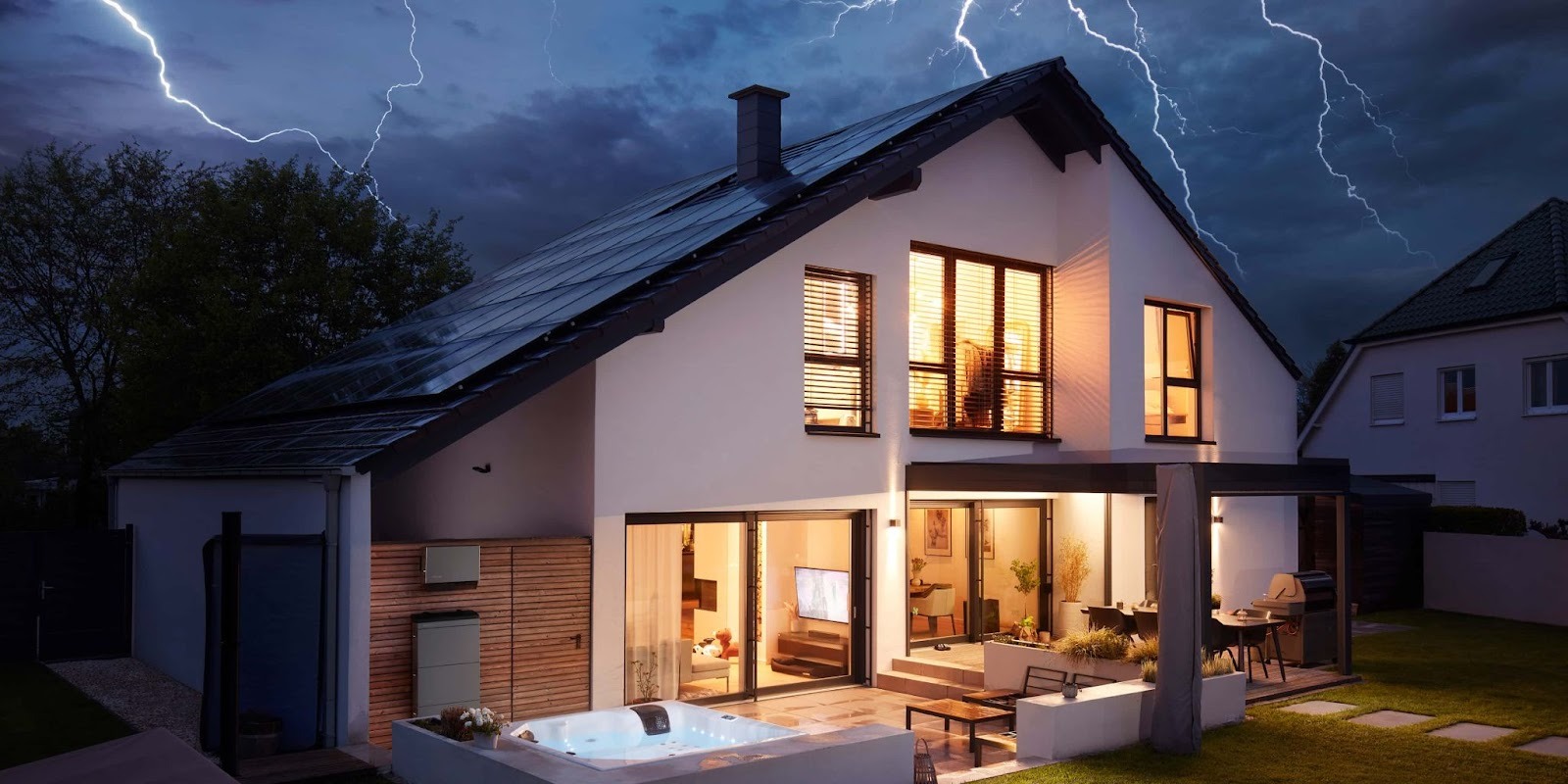
With the average energy cost UKhomeowners have to pay rising in 2026, having a renewable source of energy and storage has never been more important. Typically, households with PV systems sell and export surplus generated energy to the local grid. However, lower or variable export rates have increased the value of self-consumption.
Instead of selling your surplus energy, you can now store it in your battery so you can shift your load during high-value periods. Modern storage solutions like EcoFlow PowerOcean efficiently help with maximizing your solar power usage.
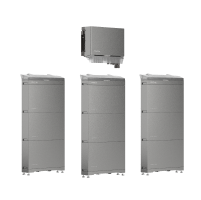
PowerOcean features an integrated hybrid inverter that easily converts DC to AC for smoother storage and energy optimization. It also has a modular design, which will allow you to add more storage units that can work together seamlessly.
To further maximize solar energy for household use production, you can integrate PowerOcean with a home energy system. Home energy systems like EcoFlow HEMS and PowerInsight 2 will allow you to automate load shifting strategies to further add value to your solar and storage setup.
Practical household checklist for 2026
When looking to install a system for solar energy for household use, you should make a checklist to ensure your home is eligible and how you can maximize your solar generation.
Assess your roof to see if it is solar-ready. Make sure that your roof has enough space, as well as allowing your panels to have the correct tilt.
Confirm your smart meter status.
Compare SEG and market tariffs to get the best possible deal.
Evaluate your battery sizing so it can match your home's demands. If you need more and plan to expand in the future, it is better to consider EcoFlow’s home storage solutions like the PowerOcean.
Explore local grants and efficiency schemes to get a faster ROI on your hybrid PV system.
Make sure your installers are reputable and certified.
Schedule Your Free Consultation Today!
What kind of product or solution are you interested in?
Key policy and market trends to watch
When looking to prepare for the upcoming energy rates in 2026, it is better to watch out for key policies and market trends. There is a movement going away from fixed subsidies and heading toward standards and market-linked mechanisms. The UK government is also giving away support to low-income households to help with their PV system plus storage installation. Request a consultation with EcoFlow today to learn more about our smart home storage solutions to improve your home’s solar system.
FAQ
1. How much solar would I need to power my house?
If your home is connected to the grid, it is estimated that it’ll need 10-20 panels, depending on the size of your home. The number of solar panels you’ll need will depend on whether you have a lot of components in your home that consume a lot of energy.
2. What are the disadvantages of solar panels?
Solar panels and the PV system itself will require a large initial monetary investment. You’ll also have to set aside a budget for labor fees and any possible renovations. You can also take into account solar panel maintenance costs.
3. Can I go off-grid with solar power?
Yes, however, your system should generate more than what your household demands on a daily basis. Also, to prepare for low sunlight days, you can integrate a storage system to allow your PV to store surplus generated energy, which you can use.
4. Can a solar battery last all night?
A fully charged battery can last 10-12 hours. In order to maximize your battery, you can use an EMS to see how much charge your battery has before using it. Make sure that it is fully charged, especially if you plan to use it overnight.
5. Where is the best place to install solar batteries?
When incorporating a battery into your PV system, the best place to store it is in a utility room or garage. This will allow you to protect your battery from the elements and make sure that it’ll last longer and maintain high performance better.

