
Can You Combine the UK's Solar Electricity Grant With Home Storage Solutions?
Thanks to solar electricity grant programmes that help fund the installation of solar panels, homeowners in the UK are starting to shift to renewable energy sources. However, not everyone knows that you can combine a solar energy unit with a power storage battery.
What the UK’s Solar Electricity Grant Actually Means
There is not just one solar electricity grant that homeowners can apply for. In the UK, there are four main programmes for households that wish to switch to PV systems. These programmes are the ECO4 (Energy Company Obligation), Home Upgrade Grant (HUG), Warm Homes (England and Wales variants), and Home Energy Scotland (plus local authority grants).
These solar power grants have their own targets.
ECO4 is available to low-income households and grants 100% financial coverage for solar panel installation.
Warm Homes programme also caters to low-income families or tenants, and can provide up to £30,000.
The Home Energy Scotland programme can grant a loan that can go up to £5,000. Lastly, the Home Upgrade Grant allows monetary support for low-income, off-the-grid homes.
Some of these schemes cover battery top-ups or storage add-ons, while others only cover solar panel installation.
How These Solar Power Grants Interact With the Smart Export Guarantee
The Smart Export Guarantee (SEG) is one of the major solar power grants for homeowners in the UK. The SEG is an ongoing payment for exported electricity, which is separate from installation grants. This programme even includes panels and solar energy storage. You can apply for the SEG if you’re a solar power system owner. It also does not disqualify you if you have existing grants.
The requirement for SEG eligibility includes an MCS-certified installation, a smart meter, and an eligible supplier. The SEG incentivises exporting excess energy into the grid, but using a battery avoids exports and lets you use the stored energy later, leading to long-term savings.
When Battery Funding Is Possible
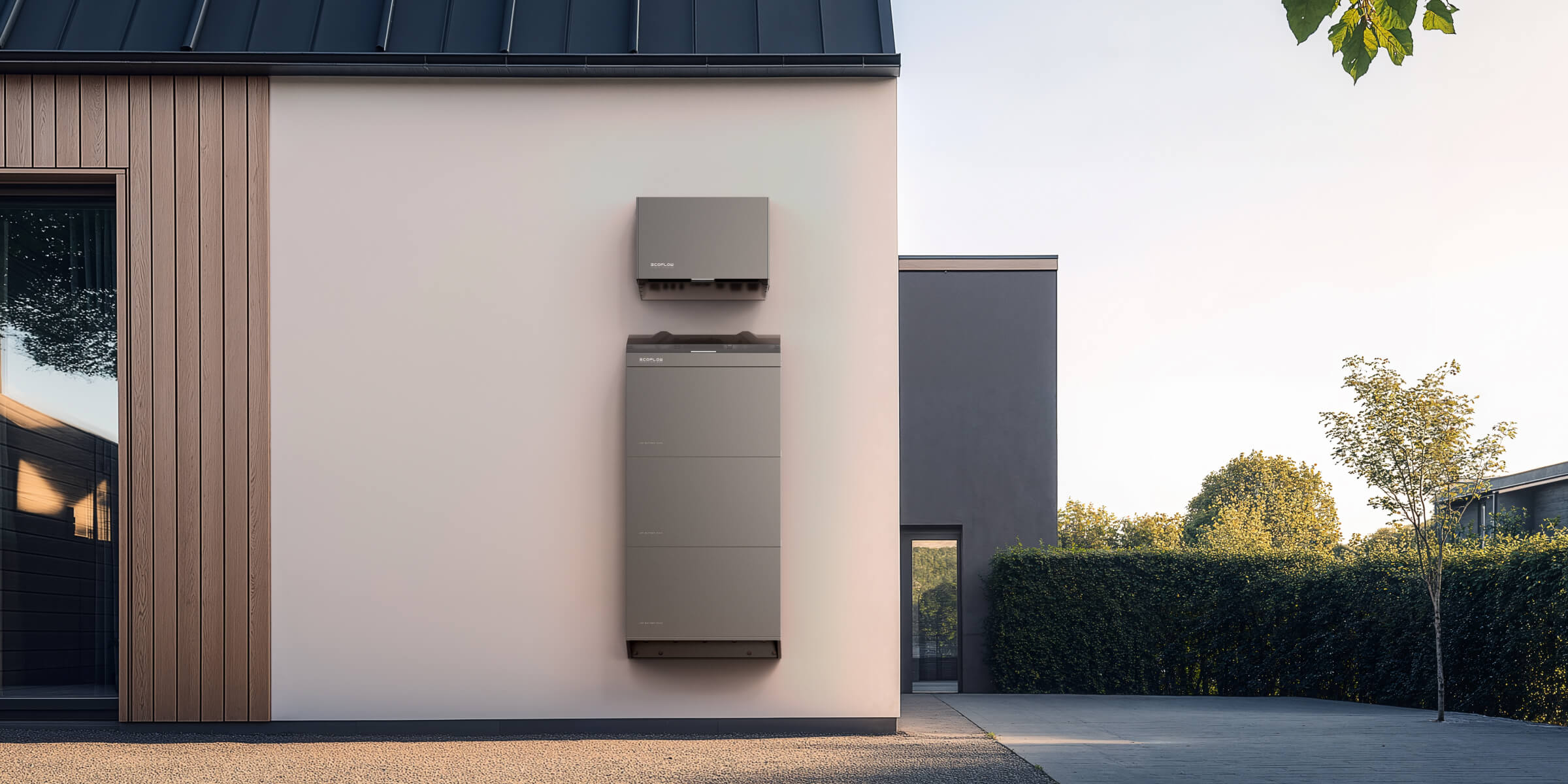
Using a home storage battery like EcoFlow PowerOcean with your solar system lets you store excess generated energy, which you can then use later. If you want to get the most out of your PV system, it is better to pair it with a storage battery. However, battery units will require a large financial investment initially. Luckily, several solar electricity grant programmes help finance battery units.
The Home Upgrade Grant allows funding when improving your solar system’s performance. For Scottish homeowners, the Home Energy Scotland programme has offered combined solar and storage packages in previous iterations. Lastly, some local authority climate programmes provide partial funding to encourage self-consumption.
Combining Panels and Batteries — How It Works in Practice
Scenario 1: Grant-Funded Solar Panels Only
With solar panels, you can make use of solar energy to generate electricity to power your home. This increases self-consumption by 30% to 40% without the use of a storage battery.
Through the use of energy supplier-approved meters and certified inverters, you can now export excess energy into the grid and get paid for it. However, long-term savings are limited by daytime-only usage patterns.
Scenario 2: Solar Panels With Home Battery
What’s great about using a storage system is that you can store the free solar energy from your panels and store it for later use. This will allow you to use the surplus energy to power your home in the evening or during the grid’s peak hours. This leads to long-term savings and ups your self-consumption by 70% to 80%. Even if the grant you get only covers solar panels, storing surplus energy can lead to better long-term savings.
Quick Comparison
| System Setup | Self-consumption | Typical Savings | SEG income | Overall Bill Reduction |
|---|---|---|---|---|
| Solar panels only | 30–40% | Moderate | Moderate | Medium |
| Solar + battery | 70–80% | Higher | Lower (less export) | Greater overall savings |
Solar Power Grants for Homeowners: Eligibility and Technical Requirements
When applying for grants, one of the requirements is having MCS-certified installers and equipment. These will signify that your solar units are properly installed and the equipment you are using has met the standard of the MCS, ensuring high quality.
You’ll also need a smart meter installed when applying for SEG, as it tracks your exported energy. Also, the installation sequencing matters for some programmes, as some grants will require the PV system first, then the battery will be added as a top-up under the same scheme.
Lastly, remember to review and check all paperwork before signing the contracts of various grants. It’s better to understand everything in the fine print rather than having to clarify it at a later period.
Schedule Your Free Consultation Today!
What kind of product or solution are you interested in?

Maximising Your Savings: Export vs Store
Both options can save you money, but the economics often favour storage.
Under the SEG, exporting typically earns around 5–15p per kWh. In contrast, using stored energy during the evening or peak-rate hours can offset electricity that would otherwise cost 25–30p per kWh. In many cases, that makes self-consumption the more valuable choice.
Even if your solar panels were funded through a grant, adding a battery can significantly boost your long-term savings by reducing the amount of electricity you need to buy from your supplier. To make the most of your system, consider using intelligent energy management systems like EcoFlow’s AI-powered HEMS and energy monitors, such as PowerInsight 2, to help you optimise when your battery charges and discharges.
Are Solar Grants and Storage Really ‘Free Solar Energy’?
Grants reduce the upfront costs of solar system purchases and installations, but electricity will still come at a cost. There is no such thing as completely free solar energy since you still need to set up home systems to harness sunlight. However, electricity indeed becomes cheaper and cleaner over time when using a renewable source like solar panels.
When using a solar system, incorporating a storage unit helps in maximising the “free” daytime energy your system has generated instead of selling it back to your providers. Storing energy will allow you to use it during the night or when the grid is at its peak hours.
Using battery storage is key to maximising the value of a grant-funded solar project. Allowing you to save on initial costs, as well as long-term electric bills.
How To Combine Grants and Home Storage Smartly
Grants can ease the upfront cost of going solar, while adding a home battery storage helps you maximise long-term savings by storing surplus power for nighttime or peak-rate use. Together, they make solar more accessible and more financially beneficial for homeowners.
When exploring funding, check both national and local grant options, verify installer credentials, and estimate your system’s payback and overall household impact. For storage, flexible solutions like EcoFlow’s modular PowerOcean system can integrate easily with existing solar setups.
Solar adoption continues to rise across the UK, supported by strong government incentives. If you’re ready to take the next step, request a consultation with EcoFlow to get expert advice on installation costs and upgrade options.
FAQ
Can you get a government grant for solar?
Yes, you can get a grant for solar installations. There are various fundings you can choose from. Check the requirements of each programme to ensure you get approved for the grant, helping cover the initial cost of solar installations.
How much is the government giving for solar panels?
The amount that you can get from government grants can vary based on your income, the programme that you applied to, and whether you export energy to the grid. Check the respective grant policies before signing anything.
Do I still pay for electricity if I have solar panels in the UK?
Yes, you still have to pay for your electricity even if you have solar panels and got a grant to fund them. However, you can maximise your self-consumption by using battery storage units. This will let you depend less on the grid.

