
Should I fix my energy?: What the 2026 electricity price forecast can tell you
Rising bills, shifting tariffs, and constant headlines leave many households unsure what comes next, and it’s tiring trying to guess the “right” move. This article digs into the question many homeowners ask: Should i fix my energy?
We’ll unpack what the 2026 electricity price forecast might mean for your budget and how to read the signals without the jargon along the way.
What’s driving electricity prices in 2026
Electricity prices in 2026 aren’t rising or falling for one single reason, as it’s a mix of various factors.
Wholesale gas and electricity trends. Prices still swing with global gas markets, and even small shifts in supply or geopolitical tensions can nudge electricity costs up or down. Renewables help steady things, but weather patterns still matter.
How demand growth shapes wholesale prices. As more homes plug in EVs, heat pumps, and electrified tech, demand rises. When demand jumps faster than supply can respond, wholesale prices tend to follow.
Network charges and their growing share of bills. The cost of maintaining and upgrading the UK’s energy networks keeps climbing. These charges make up a growing slice of household bills, and they move independently of wholesale prices.
Short explainer of RAB and investment programmes. The Regulated Asset Base model helps finance large low-carbon projects—think nuclear plants or major infrastructure upgrades. It spreads costs over time, which supports long-term stability, but it also adds structured charges that consumers eventually see.
Should I fix my energy?: Price cap updates and what they mean
The early 2026 price cap signals a steadier market than the spikes we’ve seen in the past few years, but “steady” doesn’t always mean simple for day-to-day budgeting. Ofgem’s cap sets the maximum unit rates and standing charges suppliers can charge on standard variable tariffs. Even when the cap moves only a little, those changes still filter straight into monthly bills.
The cap also influences how standard variable tariffs behave. When it drops, Standard Variable Tariff (SVT) prices usually follow. Fixed tariffs, however, sit outside this system. They’re priced on what suppliers expect the market to do in the coming months, so a rising or uncertain cap can make fixed deals look more appealing, while a softening cap might make staying variable feel safer.
What forecasters expect for 2026
Forecasts for 2026 don’t point to a dramatic swing, but many analysts see the year slowly loosening its grip on households. Analysts also expect wholesale pressure to soften later in the year. Global gas markets look a little less tense than they did during the height of recent disruptions, and renewable generation is expected to take a slightly bigger share of Europe’s supply mix.
Europe’s backdrop matters too. Insights from organisations like the IEA and Eurostat suggest that most European markets are moving in a similar direction—stable but not fully settled, shaped by the push for cleaner energy and the ongoing cost of upgrading grids.
Fixed or variable energy: Which is better in 2026?
Some households like to know exactly what’s coming, while others prefer a bit of flexibility—energy choices in 2026 sit right in the middle of that tug-of-war.
Fixed rate energy
Fixed deals can offer value when suppliers expect prices to rise later in the year, but it come with trade-offs. If the market softens, you won’t benefit from lower prices during your contract since you already chose to lock in your price per unit. The fine print also matters: unit rates, standing charges, contract length, and exit fees can vary wildly. A low unit rate might look tempting, but a high standing charge can tilt the whole deal. It’s all about weighing certainty against the risk of paying more than you needed to.
Standard variable tariff
Standard variable tariffs (SVT) move with the Ofgem price cap, so they work well when prices fall—or at least don’t climb too aggressively. When they fail households, it’s usually because the cap rises faster than expected, pushing monthly costs up with little warning.
SVTs don’t offer the same budget predictability as a fixed rate, but they also avoid long commitments and exit penalties. Here too, the basics matter: the unit rate sets your running costs, while standing charges and payment terms shape the overall price.
Schedule Your Free Consultation Today!
What kind of product or solution are you interested in?
Should I fix my energy prices?: How solar and storage fit into this decision
Fixing energy prices feels like a safety net. However, solar and home storage change the equation in ways that often get overlooked. When you generate your own power, you’re simply less exposed to market swings. Every kilowatt-hour you produce is one you don’t have to buy, so price spikes don’t hit quite as hard.
Solar alone helps, but pairing it with battery storage takes things further. Batteries let you shift when you use energy, which is especially useful as time-of-use pricing becomes more common. Storing cheaper daytime or off-peak electricity and using it later can soften the impact of rising unit rates, even if you choose not to fix your tariff.
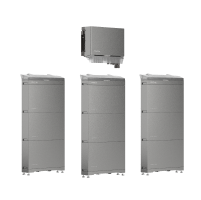
EcoFlow PowerOcean storage systems fit into this picture naturally. You can start small—with a single 5kWh battery—and expand up to 45kWh whenever your needs grow. Each 800V high-voltage pack works independently, meaning you don’t have to replace older units when adding new ones.
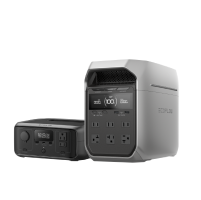
Layer in EcoFlow HEMS and you get full visibility and control. Through the EcoFlow app, you can monitor, manage, and fine-tune energy usage across your whole home, from smart devices to storage settings. If you're exploring how solar, batteries, and tariff choices fit together, EcoFlow offers a free consultation to help map out the best setup for your home.

Practical steps for households
Here are a few practical steps that can make the whole thing a bit less overwhelming:
Compare tariff types and read the T&Cs: Fixed, variable, short-term, long-term—they all come with different rules. Look past the headline rate and check what happens if you switch early or if the supplier adjusts charges later.
Monitor policy announcements for April 2026: Government updates and Ofgem decisions can shift prices more than people expect.
Check standing charges closely: These daily fees can quietly drive your bill up, even if your unit rate looks great. Two tariffs can appear similar until you notice a higher standing charge tipping the balance.
Know your typical consumption. Browse old bills or use data from a smart meter. Knowing when and how much you use lets you judge whether a tariff fits your actual habits rather than the “average” household.
Consider short-term fixes as risk management. A 6- or 12-month fix won’t lock you in forever, but it can give breathing room if you’re worried about sudden price jumps.
Is now a good time to fix energy prices?: Top 2026 considerations
Choosing whether to fix your energy prices starts with figuring out what truly matters for your home, not just what the market is doing:
Do you need budget certainty now? If you’re juggling tight monthly costs, a fixed rate can soften the stress by locking in predictable bills.
Can you tolerate volatility? Staying on a variable tariff means accepting the price cap’s ups and downs, which some households handle better than others.
What’s your consumption pattern? High evening usage or heavy winter demand can magnify the impact of price swings, making your patterns a key part of the decision.
Are you planning solar or storage, or both? Generating or storing your own electricity cuts your reliance on grid prices, which may make fixing feel less essential.
FAQ
How often can energy prices change in the UK?
The prices on standard variable tariffs change when Ofgem updates the price cap, which is typically done every quarter. This means every household may face several price changes in a year, each reflecting adjustments in wholesale and network costs.
Are smart meters required to switch tariffs?
It’s not always required to switch, but many modern tariffs rely on the meter data to track real-time usage. Having one helps you access time-of-use rates, get more accurate bills, and choose tariffs that better match your daily energy habits.
Can I switch tariffs if I move home?
Yes. You may need to close your old account and then pay any outstanding charges. In your new place, you’re free to choose a tariff that is well-suited to the property’s energy needs and your updated consumption pattern.
Do electric vehicles affect tariff choices?
Yes. EV charging often increases electricity use, so households may benefit from tariffs with cheaper overnight rates. Matching your charging routine to off-peak windows can significantly lower costs and make pricing changes more manageable.
Will installing insulation impact my tariff decision?
Yes. Better insulation cuts heat loss and lowers overall usage, which reduces exposure to price swings. With a more efficient home, both fixed and variable tariffs can feel less risky because your baseline energy demand becomes more predictable.

