
Positive Input Ventilation Guide 2026: The Ultimate Solution for Damp & High Energy Bills?
If you’ve spent any time in a British terrace or semi-detached house during the winter, you’ll know the struggle with condensation, damp patches, and that persistent musty smell. Many homeowners are now turning to Positive Input Ventilation (PIV) systems as a long-term solution. This guide explores whether Positive Input Ventilation (PIV) is the definitive answer to the UK’s damp crisis, how it stacks up against rising energy costs, and how smart home integration is making these systems more efficient than ever.
What Is Positive Input Ventilation (PIV)?
Before diving into the nuts and bolts, it’s worth understanding that PIV isn’t a “new” invention, but its technology has come on leaps and bounds recently. Essentially, it’s a strategy to keep your home’s air fresh without having to leave the windows wide open in the middle of January.
1. The Basic Principle of PIV
Instead of fighting damp by sucking air out of one room, PIV pressurises the whole house with filtered air. This pushes moisture out through trickle vents and natural gaps. The ‘make or break’ detail here is the door undercut. Without at least a 10mm gap under your bedroom doors, the air gets trapped, the pressure doesn’t build, and you’ll still find condensation on the windows in the morning.
2. How PIV Systems Work in Modern Homes
Once installed in your loft or on a wall, the unit runs 24/7 in the background. It draws air through G4 or F7 filters to catch pollen and city dust before venting it into your hallway. The airflow is calibrated so you don’t feel a breeze, but it’s enough to cycle the air in every room. It’s the ‘fit and forget’ approach to air quality, you just notice the condensation disappears.
3. Types of PIV Systems (Loft vs Wall-Mounted Units)
Not every British home is built the same, so PIV systems come in different flavours:
Loft PIV: The “gold standard” for houses. The unit sits in the loft and pushes air down through a discreet diffuser on the landing ceiling.
Wall-Mounted PIV: Ideal for homes without a loft. These sit on an external wall and draw air directly from outside.
Flat PIV: Specifically designed for apartments or flats where space is at a premium, often installed in a hallway cupboard.
Does Positive Input Ventilation Really Stop Damp and Mould?
This is the million-pound question for many UK homeowners. To understand if it works, we first have to look at why our homes are crying with condensation.
1. Why Damp and Mould Appear in Homes
British homes are becoming increasingly airtight to save on heating. While great for the bills, it traps the 15 litres of moisture the average family produces daily through cooking, showering, and drying clothes indoors. When that warm, wet air hits a cold wall, you get condensation, which is the “all-you-can-eat” buffet for black mould. According to the UK NHS, damp and mould in homes can aggravate respiratory conditions such as asthma and allergies, making proper ventilation essential for healthy indoor air.
2. How PIV Helps Reduce Moisture Levels
PIV systems effectively lower indoor humidity, reduce condensation, and fundamentally inhibit mould growth by ensuring constant air circulation. In 2026, UK households are no longer just relying on passive ventilation; they are leaning towards smart systems for deep intervention in the indoor environment and energy management.
While a PIV unit works silently in the loft, a home energy manager like the EcoFlow PowerInsight 2 makes its impact visible. You can track real-time humidity drops directly on its 11-inch screen thanks to its built-in environment sensors.
Since PIV systems are always-on devices, many UK homeowners are now integrating them into their broader energy ecosystem. By using an EcoFlow Smart Plug, you can monitor exactly how many watts your ventilation is drawing and see that data visualised alongside your solar and battery storage.
3. When PIV Works Well
It’s a miracle worker for “lifestyle-based” damp—the kind caused by steaming kettles and drying laundry. It’s also brilliant for older properties that lack modern damp-proof courses but have been “sealed up” with double glazing.
4. When PIV May Not Solve the Problem
If you have a “rising damp” issue or a leaking pipe behind a wall, no amount of airflow will fix it. PIV deals with the air, not structural water ingress.
.jpg)
Is PIV Suitable for Your Home?
While PIV is a fantastic bit of kit, it isn’t a “one size fits all” solution. You need to assess your specific property type before taking the plunge.
1. Homes That Benefit Most from PIV
Older Victorian or Edwardian houses that have been retrofitted with modern insulation often benefit the most. Similarly, “bungalow-style” living where air can become stagnant easily is a prime candidate.
2. Situations Where Other Solutions May Be Better
If your home is incredibly “leaky” (you can feel the wind whistling through the floorboards), a PIV system won’t be able to create that necessary positive pressure. You’d be better off sealing the gaps first.
3. Signs Your Home Might Need Better Ventilation
Water pooling on windowsills every morning.
Mould appearing in the corners of wardrobes or behind headboards.
A persistent “wet dog” smell, even if you don’t own a dog.
PIV vs Other Damp and Mould Solutions: Is It Worth It?
1. Quick Comparison: Which Solution is Right for Your Home?
| Feature | PIV System (Whole House) | Dehumidifier | Extractor Fan |
|---|---|---|---|
| Logic | Proactive (Prevents moisture) | Reactive (Removes moisture) | Localized (Extracts steam) |
| Coverage | Whole Home | Single Room | Kitchen/Bathroom only |
| Maintenance | Very Low (Filter every 3-5 yrs) | High (Manual tank emptying) | Low (Dust cleaning) |
| Air Quality | Filters PM2.5 & Pollen | Humidity control only | No filtration |
| Energy Use | Extremely Low (5–20W) | High (200W+) | Low (Intermittent use) |
| Install Effort | Professional (Retrofit king) | Plug & Play | Minor electrical/venting |
2. PIV vs Dehumidifiers
A dehumidifier is a reactive fix; it drinks the water already in the room. PIV is proactive; it stops the water from settling in the first place and doesn’t require you to empty a heavy water tank every six hours.
3. PIV vs Extractor Fans
Extractor fans are great for a localized burst of steam in the bathroom, but they don’t help the air quality in your bedroom or lounge. PIV manages the whole house.
4. PIV vs Mechanical Ventilation Systems (MVHR)
MVHR is the “Rolls Royce” of ventilation, but it requires extensive ducting in every room, usually only possible in new builds. PIV is the “retro-fit king” because it requires almost no mess to install.
Pros and Cons of Positive Input Ventilation
Like any home ventilation solution, Positive Input Ventilation systems come with both benefits and limitations. Understanding these pros and cons can help homeowners decide whether a PIV system is the right long-term solution for managing damp and improving indoor air quality.
Advantages of Positive Input Ventilation
1. Effectively Reduces Condensation
One of the biggest benefits of a PIV system is its ability to significantly reduce condensation on windows and walls. By continuously introducing fresh, filtered air into the home, moisture-laden air is pushed out through natural leakage points, helping prevent the conditions that lead to damp and mould growth.
2. Improves Indoor Air Quality
Because the system filters incoming air, PIV can remove dust, pollen, and airborne pollutants. This can make a noticeable difference for people who suffer from asthma or allergies, especially in urban areas where outdoor air quality may fluctuate.
3. Low Running Costs
Compared with dehumidifiers or other ventilation systems, PIV units are extremely energy-efficient. Most models consume only around 5–20 watts, meaning they can run continuously throughout the year without significantly increasing electricity bills.
4. Quiet and Low Maintenance
Modern PIV systems are designed to operate almost silently, making them suitable for installation in hallways or loft spaces. Maintenance is minimal, usually limited to replacing the air filter every few years.
Potential Drawbacks to Consider
1. Slightly Cooler Air in Winter
Because the system introduces fresh air from outside or the loft space, some homeowners may notice a slightly cooler airflow near the ceiling diffuser during cold weather. Many modern systems include a small heater to temper the incoming air.
2. Not a Solution for Structural Damp
PIV systems are designed to manage humidity and condensation, but they cannot solve structural issues such as rising damp, leaking pipes, or damaged roofing. In these cases, the underlying problem must be repaired first.
3. Requires Continuous Operation
To be effective, PIV systems are designed to run 24 hours a day. While energy consumption is low, it still requires a constant power supply. For homeowners looking for further how to save energy at home tips, pairing this with a smart meter or off-peak scheduling can help manage the total household energy footprint.
4. Works Best in Moderately Airtight Homes
If a property is extremely draughty, the system may struggle to maintain the slight positive pressure needed for optimal performance. Basic draught-proofing may be required first.
How Much Does a Positive Input Ventilation System Cost in 2026?
Budgeting for 2026 involves looking at both the upfront “hit” and the long-term running costs.
1. Typical PIV System Price
Expect to pay between £400 and £1,000 for the unit and professional installation, depending on whether you’re going for a loft-based or wall-mounted model.
2. Running Costs and Energy Consumption
A PIV system typically consumes only 5–20W, meaning the annual running cost is remarkably low. However, with many still concerned about why UK electricity is so expensive, more families are looking beyond single-device consumption toward total home energy optimisation.
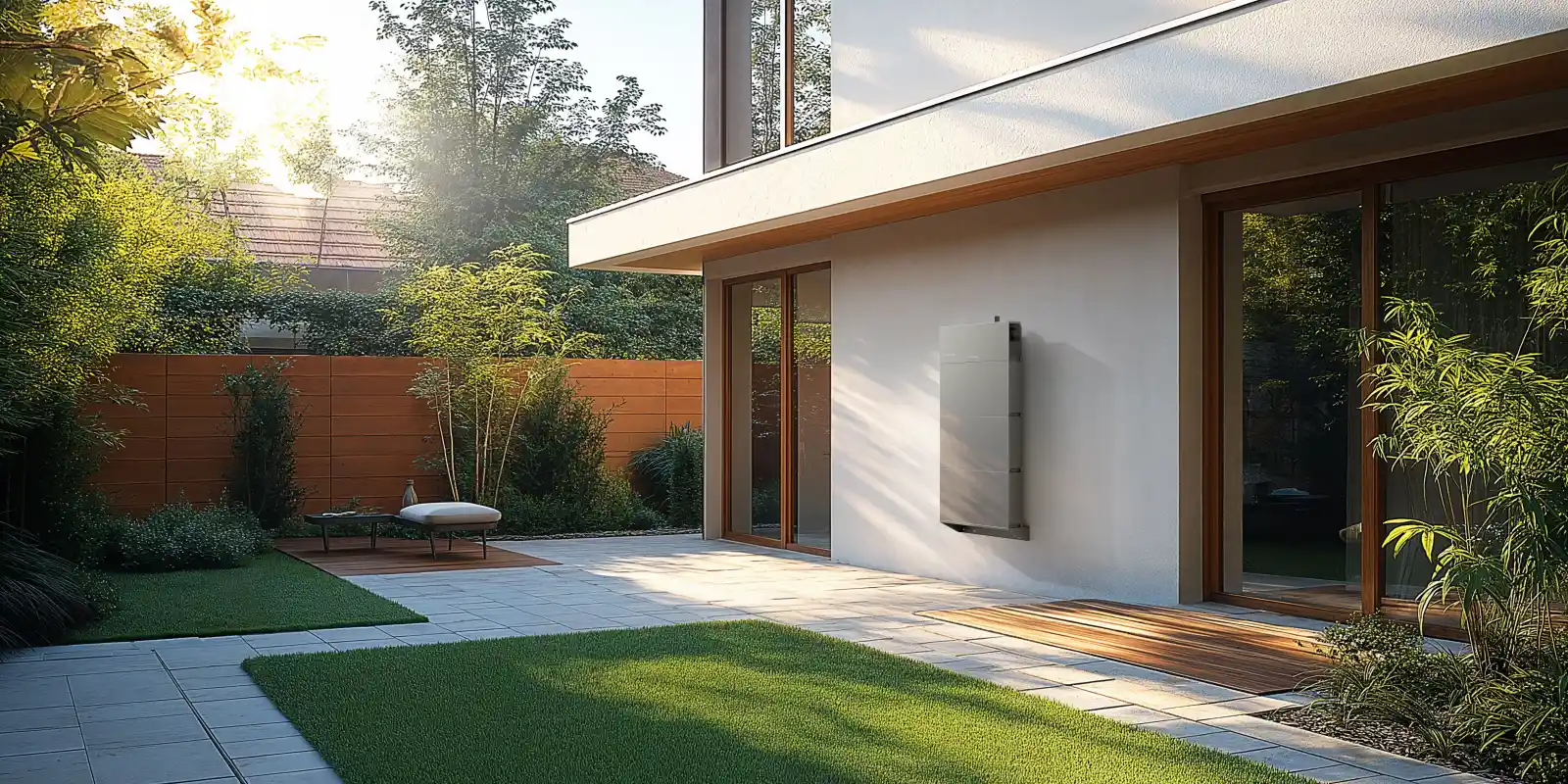
A home energy storage system like EcoFlow PowerOcean can be integrated with rooftop solar to store excess daytime energy in batteries for use at night or during peak hours. This significantly increases your self-sufficiency and reduces reliance on the grid. The system also supports smart scheduling and backup power, ensuring your critical home devices—including your PIV system—stay powered even during outages or peak price windows. For UK homeowners looking to boost energy independence while managing damp, this kind of storage solution is becoming an essential part of the modern smart home ecosystem.
3. Maintenance Requirements
The maintenance is blissfully simple. You’ll generally just need to swap out the filters every 3 to 5 years.
Conclusion
Positive Input Ventilation is arguably the most cost-effective way to protect a British home from the scourge of damp and mould in 2026. By combining this technology with smart home battery storage and energy management tools, you can ensure your home stays both healthy and affordable to run. It’s no longer just about fixing a damp wall; it’s about creating a future-proof, self-sufficient living environment.
Schedule Your Free Consultation Today!
What kind of product or solution are you interested in?

FAQ
1. Does PIV get rid of mould completely in house?
Yes, PIV can significantly reduce the conditions that allow mould to grow by lowering indoor humidity and improving airflow. However, existing mould should always be professionally cleaned first.
2. Does PIV make the house cold?
No, but you might feel a slight “cool bypass” directly under the diffuser. Most modern units include an internal heater that can temper the air on particularly frosty mornings.
3. Can PIV run all the time?
Yes, PIV systems are designed to run 24 hours a day, 365 days a year. They are built with ultra-efficient motors meant for continuous operation.
4. Is PIV suitable for flats or apartments?
Absolutely, there are specific “side-entry” or wall-mounted units designed specifically for flats. They work on the same pressure principles as the loft versions.
5. Do PIV units actually make a difference?
Yes, most homeowners notice a total disappearance of window condensation within 48 hours of installation. It is widely regarded by UK landlords and homeowners as the most effective fit and forget solution for air quality.

