
Complete Guide to the Best Off-Grid Solar System in the UK
Energy prices in the UK keep changing. Many homeowners want to cut ties with the National Grid. It is no longer just a passing thought. It is becoming a very practical goal. You need a robust setup to do this. Your system must harvest and store solar energy. It must work even during notoriously grey British winters.
You might want to take control of your electricity bills. You might want to secure your home against power cuts. Investing in an off grid solar system is the ultimate solution. We will explore everything you need to know about disconnecting from the mains. We will cover the true costs involved. We will also look at the essential equipment you need to make it happen. You will learn how to build a system that works perfectly for your home.
What Is an Off Grid Solar System?
An off grid solar system UK setup is a completely standalone energy solution. It generates its own electricity using solar panels. Then, it stores that power in high-capacity batteries. You completely remove the need for a connection to the national utility grid. You become entirely self-sufficient.
To make this work, you need three key components. They must work in perfect harmony:
Solar Panels: These capture sunlight. They convert it into direct current (DC) electricity. You will need plenty of them for the winter months.
Inverters: These convert DC electricity. They turn it into alternating current (AC) electricity for your household appliances.
Battery Storage: This is the most critical component for living off grid UK. You do not have the grid to fall back on at night. Your batteries act as your only power reserve.
The lifestyle associated with this technology has evolved. Living off grid is no longer restricted to remote cabins in the Scottish Highlands. Today, it is about true energy security for modern family homes. However, you need highly reliable off grid power solutions. They ensure your lighting, heating, and appliances run smoothly year-round. This is especially true when daylight hours shrink during the dark UK winter. You might need around 430 square feet (40 square metres) of suitable roof space just to generate enough winter power.
Off-Grid vs. Grid-Tied Solar Systems
You must understand the difference between the main types of installations. This helps you make the best choice for your property.
Grid-Tied Solar Systems
This is the most common setup in the UK. Your home remains connected to the mains, rather than choosing full off grid living. Your panels might generate more electricity than you use. You can sell this excess power back to the network. This is done via Smart Export Guarantee (SEG) payments. However, what happens during a national power cut? Your home will also go dark due to safety regulations. You only keep power if you have a specific battery backup system installed.
Off-Grid Solar Systems
An off-grid home is completely independent. You rely 100% on your off grid solar systems and battery storage. You pay absolutely no electricity bills. You pay no daily standing charges. This saves you a significant amount of money each year. However, you are entirely responsible for your own energy security. Your house loses power if your batteries run flat. You must manage your energy usage carefully.
Hybrid Systems (The Sweet Spot)
A hybrid system offers the ultimate peace of mind for many homeowners. Many modern setups allow you to operate primarily as if you were living off the grid. You prioritise total self-sufficiency using solar and battery power. However, you maintain a physical connection to the grid. This acts as an emergency safety net. You get the best of both worlds. You get massively reduced bills. You also get zero blackout anxiety. You are in total control.
Pros and Cons of Off Grid Solar Power Systems
You must weigh the advantages against the practical challenges before taking the plunge.
The Pros
Total Energy Independence: You will never worry about rising energy tariffs again. You escape price cap changes and daily standing charges.
Eco-Friendly: You will run your home on 100% clean, renewable energy. This significantly reduces your household carbon footprint.
Unmatched Resilience: Your home becomes immune to national power outages. You also avoid local infrastructure faults.
The Cons
Higher Upfront Cost: You cannot use the national network as a backup. Therefore, you must invest heavily in large-capacity home battery storage.
Winter Challenges:Living off grid in the UK requires meticulous planning. December and January are low-light months. Your system must be oversized to capture whatever weak sunlight is available.
System Maintenance: You become your own energy provider. This means you must monitor your usage closely. You must also maintain your equipment to ensure longevity.
Off Grid Solar System Cost Guide (UK Estimates)
Understanding the financial investment is the first step. We can look at recent UK market data. The EDF Solar Panel Cost Guide gives us a reliable baseline estimate.
A standard 4kW solar panel setup usually costs around £6,000 to £8,000 to install. However, an off grid solar power system costs significantly more.
This difference is known as the "off-grid premium." The national network acts as an invisible battery in a standard grid-tied home. You pull from it when you need to. An off grid UK setup is different. You must purchase physical battery storage. This bridges the gap overnight and during cloudy spells. Batteries are a major part of the initial cost.
The Return on Investment (ROI) can still be highly attractive. You completely avoid daily standing charges. You also avoid peak-rate electricity pricing. This accelerates your payback period. Over a decade, your savings can be staggering compared to traditional utility bills.
Key Components of a Robust Off Grid Solar Power System UK
Your hardware must be exceptionally reliable to successfully embrace off of the grid living. It must also be scalable and intelligent. Here is a breakdown of the required equipment.
High-Capacity Battery Storage & Inverters for Living Off Grid
The heart of your system lies in its battery chemistry and inverter technology. Lithium Iron Phosphate (LFP) batteries are the gold standard. They offer incredible safety and longevity. EcoFlow provides several tailored solutions to meet varying household demands.
Product | Key Specs | Ideal for |
|---|---|---|
LFP battery; IP65; 6kW continuous off-grid power; 5kWh start, expandable up to 15kWh on one inverter (scale to 45 kWh with parallel inverters) | Standard UK homes | |
Expandable to 45kWh; independent 800V battery packs; 10kW rated output, 12kW (60s) backup power; 15-year warranty | Larger homes with high energy demand | |
40kW solar input; 29.9kW AC output; dynamic tariff support; expandable up to 180kWh | Heavy-duty & complex-roof solar installations; high-capacity demand |
Are you unsure which home energy storage system is best suited for your family? Get a solar battery quote to speak with EcoFlow experts. They will guide you naturally towards the perfect setup.
What kind of product or solution are you interested in?


Efficient Electric Heating with Off-Grid Power Solutions
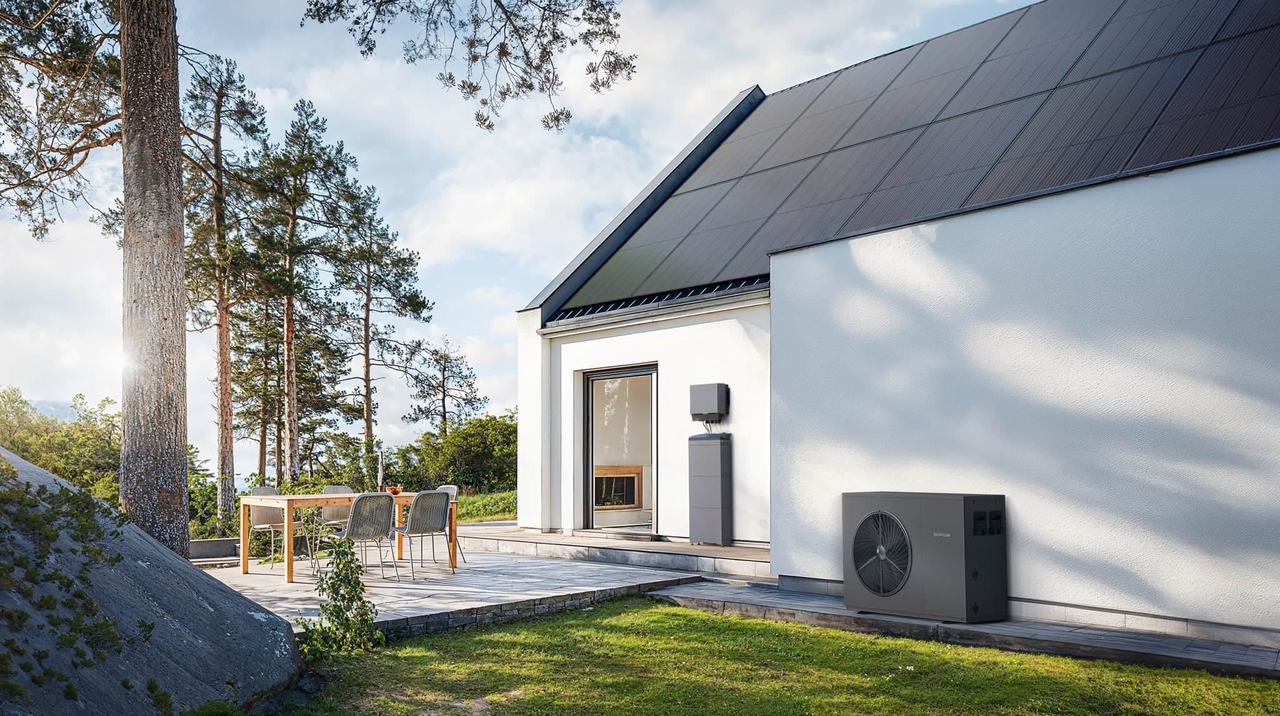
Space heating is the biggest energy drain when living off the grid. Traditional resistive heating uses too much power. The solution is the EcoFlow PowerHeat Air-to-Water heat pump. It uses electricity to bring ambient air heat energy into your house. This achieves significantly enhanced home heating efficiency. You can use PowerOcean integration. You make the best use of clean solar power for home heating. This helps slash your electricity bills.
Smart Energy Management for Total Independence
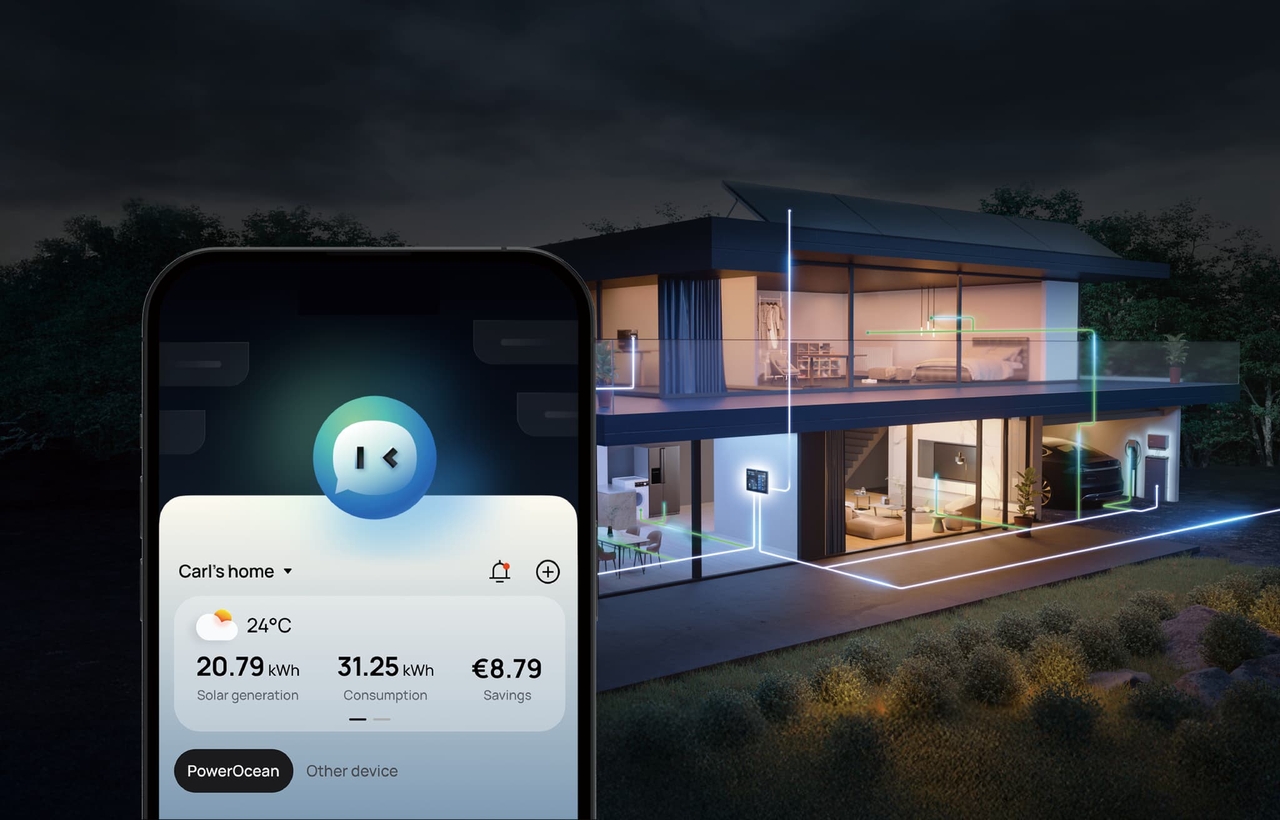
Having great hardware is not enough. You need intelligence to manage loads efficiently. The EcoFlow HEMS (Home Energy Management System) is the brain of your setup. It monitors solar generation and consumption in real-time. It can forecast the weather. This preserves battery charge before a cloudy day. It ensures your off grid power solutions never leave you in the dark.
Is Living Off-Grid UK Legal?
Yes, living off grid is completely legal in the UK. You are not forced to buy electricity from a utility company.
You generally require planning permission for permanent structures. However, solar panels often fall under "Permitted Development".
You should still check local council rules if you live in a conservation area.You do not need a G98/G99 application if you are entirely off grid UK. However, your installation must still meet strict safety standards. It must comply with the IET Wiring Regulations to keep your home safe.
Conclusion
Living off the grid offers amazing freedom and security. You become your own power station. You no longer worry about volatile energy markets. The initial cost of an off-grid solar system is certainly higher. However, the long-term savings are unmatched. The independence is truly life-changing. You just need the right gear to build a sustainable home that weathers the UK climate. Start your journey with a scalable solution. Look at options like EcoFlow PowerOcean.
FAQs
1. Can you run a house completely on an off grid solar system in the UK?
Yes. You need a very large solar array. You also need massive battery storage. Systems like EcoFlow PowerOcean can capture enough energy to power your home continuously through short winter days.
2. How much does a full off grid solar power system cost?
The costs vary. Standard panels might cost £6,000 to £8,000. Adding high-capacity battery storage significantly increases this initial investment. The exact price depends on your home's daily energy usage.
3. Do I need planning permission for off grid solar power systems?
Usually, no. Roof-mounted panels often fall under Permitted Development. However, you must check with your council if you live in a conservation area or a listed building.
4. What size solar system do I need to run off-grid?
An average UK home needs about 6kW to 10kW of solar panels. You must pair this with 15kWh to 30kWh of battery storage. This helps you comfortably survive the winter months without grid support.
5. Do I pay council tax if I live off-grid?
Yes. Living off-grid does not stop your council tax. The tax covers local services. You still use waste collection, police, and emergency services. You pay for these regardless of your energy source.

