
Octopus Agile Explained: How to Cut Your Energy Bills
Energy bills in the UK have become increasingly unpredictable, and households are juggling multiple energy sources like solar panels, battery storage, EV chargers, and smart tariffs. Without proper management, costs can quickly spiral. Octopus Agile offers a dynamic solution: electricity prices change every 30 minutes, rewarding households that can use energy flexibly. This guide explains how Agile works in 2026, how to track your energy use, practical strategies to reduce costs, and how to avoid common pitfalls, helping you make the most of this innovative tariff.
Why Octopus Agile Can Help You Save Money
Octopus Agile differs from traditional energy tariffs by turning flexibility into a financial advantage. Households that plan around variable prices, automate high-consumption devices, and use smart storage can achieve substantial savings. This is a practical strategy for anyone looking at how to save energy at home to combat rising utility costs.
1. What Makes Agile Different from Standard Tariffs
Unlike flat-rate tariffs, Agile’s cost per kilowatt-hour fluctuates every half hour based on wholesale market prices. This creates opportunities to pay less when demand is low or renewable energy generation is high, and encourages strategic usage instead of fixed schedules. For households that can shift loads intelligently, this difference can be significant over a year.
2. Understanding Half-Hourly Pricing and Peak/Off-Peak Periods
Agile prices vary not only by time of day but also with seasonal and weather-driven energy availability. For example, a sunny, windy day with high solar and wind generation may produce unusually low rates during midday, while winter evenings remain expensive. Understanding these patterns allows households to schedule heavy-use appliances at optimal times and store energy when prices drop, reducing reliance on expensive peak energy.
3. How Real-Time Pricing Impacts Your Energy Bill
Every 30-minute price change directly affects your bill. Without visibility, even minor mistakes — like running a dishwasher during a high-price window — can erode potential savings. By tracking half-hourly costs in real time, households can make informed decisions and prevent unnecessary expenditure, turning dynamic pricing from a source of uncertainty into a tool for control.
Identify Your Energy Patterns for Smarter Savings
Knowing your home’s energy habits is the first step to cutting costs. Insight into when, where, and how energy is used allows targeted actions rather than trial and error.
1. Spot High-Consumption Appliances That Drive Up Your Bill
Heating systems, hot water cylinders, ovens, and older devices often account for the bulk of household consumption. Comparing your appliance use to the average home power consumption in the UK helps you decide what to shift, optimise, or upgrade. Even small changes, like running laundry machines at night or staggering oven use, can add up to hundreds of pounds in annual savings.
2. Use Smart Meters to Track Time-Specific Usage
Smart meters provide half-hourly usage data that reveals patterns invisible to standard meters. With an app or EMS dashboard, you can see exactly when electricity spikes and which appliances are responsible, turning guesswork into measurable actions.
3. Recognize When Peak Usage Costs You More
Peak periods usually occur in the late afternoon and early evening, coinciding with higher energy rates. By scheduling non-essential loads outside these windows, households can significantly reduce costs. For example, charging an EV overnight or using home battery storage to run a dishwasher during midday solar peaks can turn what seems like minor timing adjustments into meaningful annual savings.

Practical Strategies to Reduce Costs with Octopus Agile
Once energy patterns are understood, households can take concrete steps to maximise savings. Combining behaviour changes with smart technology multiplies results.
1. Moving Heavy Appliance Use to Off-Peak Hours
High-demand appliances such as washing machines, dishwashers, tumble dryers, and EV chargers are ideal for off-peak scheduling. Running them when electricity is cheaper, such as late at night or during renewable-rich periods, can noticeably reduce bills. Even small shifts in timing, repeated consistently over weeks and months, add up to significant annual savings without affecting daily routines.
2. Automating Energy Efficiency with Smart Battery Storage
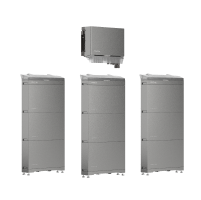
Manual load shifting is challenging with prices changing every 30 minutes. Smart storage systems are a more reliable solution. EcoFlow PowerOcean (Single Phase) automatically captures low or negative-price periods, stores electricity efficiently, and discharges during peak pricing. By matching usage to dynamic prices, it reduces grid dependence and enhances self-consumption, translating into noticeable yearly savings. In addition, integrating storage with solar panels increases flexibility, allowing households to further smooth demand spikes.
3. Real-Time Visualization and Monitoring of Dynamic Tariffs
Successful use of Octopus Agile depends on constant price awareness, but checking a mobile app 48 times a day is impractical for most families. This "visibility gap" often leads to missed low-cost windows or accidental usage during price spikes, making transparent monitoring essential for precise cost control.
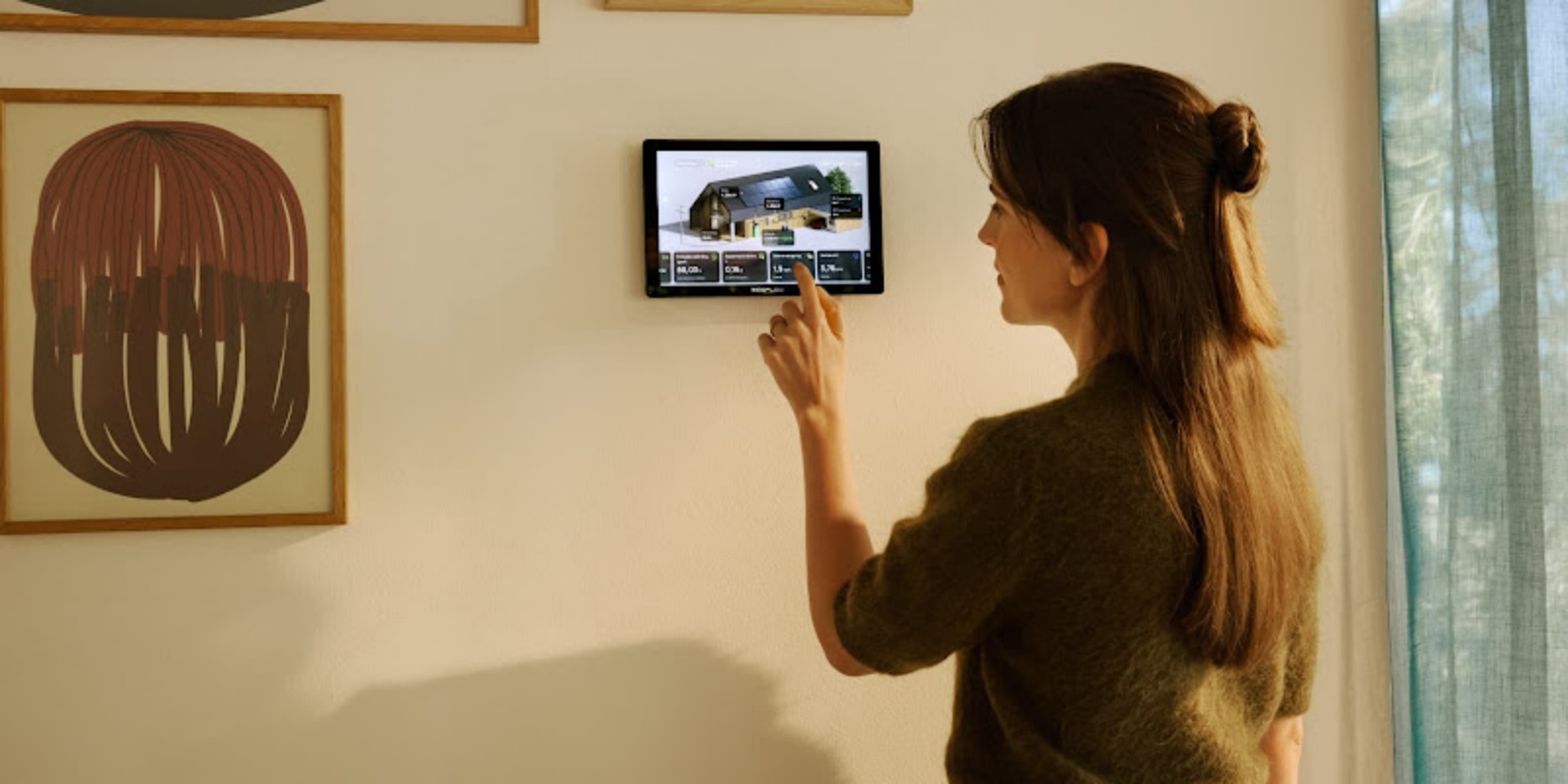
A dedicated visual terminal like the EcoFlow PowerInsight 2 as a dedicated visual terminal turns complex, half-hourly pricing data into an at-a-glance dashboard. By tracking energy flows and savings progress through intuitive charts, it helps households precisely optimize their usage patterns. This persistent visibility transforms dynamic energy costs into clear, measurable bill reductions, ensuring you can react to price changes as they happen.
4. Leveraging the Price Cap and Smart Automation Tools
Combining smart automation with awareness of the regulatory energy price cap allows households to maximise savings safely. Automated schedules can respond to low-cost periods without manual intervention, while the price cap provides a ceiling that ensures high-cost periods don’t spiral out of control, blending financial predictability with smart flexibility.
Common Pitfalls to Avoid When Optimizing Energy Use
Even with the best tools, missteps can reduce potential savings. Awareness of common mistakes ensures Agile’s benefits are fully realised.
1. Check Your Smart Meter and Device Settings
Incorrect meter configuration or appliance misalignment can skew data and automation, reducing savings. Regular checks maintain accuracy and ensure devices respond correctly to real-time pricing. Understanding how your data interacts with the electricity grid can help you see why even small issues, like an incorrectly scheduled EV charger or misassigned appliance in your app, can lead to wasted opportunities over weeks or months.
2. Keep an Eye on Standing Charges
While Agile lowers variable costs, standing charges still apply daily regardless of consumption. Factoring these into your calculations ensures realistic expectations and prevents overestimating savings. Ignoring them may make it seem like you are saving more than you actually are, especially for households with lower overall consumption.
3. Stay Informed About Tariff Changes
Energy tariffs evolve regularly. Changes to pricing, eligibility, or peak definitions can affect savings strategies. Staying updated ensures automation, behavioural adjustments, and monitoring tools continue to work effectively. Subscribing to supplier updates or checking app notifications helps households adapt quickly and avoid unexpected high-cost periods.
Schedule Your Free Consultation Today!
What kind of product or solution are you interested in?
Conclusion
Octopus Agile offers a unique opportunity for households to reduce energy costs by combining timing, automation, and real-time monitoring. By understanding consumption patterns, leveraging smart storage, and tracking dynamic prices, households can turn volatile tariffs into predictable savings. Agile rewards flexibility and preparation, making it a powerful tool for UK households willing to actively manage their energy use.
FAQs
1. How long does it take to switch to Octopus Agile?
Switching is usually straightforward if you have a compatible smart meter. For most households, the process takes a few days to a couple of weeks, after which half-hourly consumption data becomes available. Make sure your meter is supported to avoid delays.
2. Does Octopus Agile need a smart meter?
Yes. A compatible smart meter is required because Agile relies on half-hourly usage data. Without it, you cannot track when energy is cheap or expensive, and savings opportunities are lost. The meter feeds consumption data to your app or EMS, enabling better timing for appliances, battery use, and overall cost optimisation.
3. Is Octopus still the cheapest energy supplier?
Pricing varies by location, usage, and market conditions. Agile may not always have the lowest headline rate, but households that can shift usage effectively often see lower bills than with fixed tariffs. Comparing your typical usage against potential Agile savings is the best way to know.
4. What is the standing charge for Octopus Agile?
Octopus Agile includes a daily standing charge, which is a fixed cost you pay each day on top of the variable half‑hourly rates, covering network and meter costs. The exact amount is set when you join the tariff and can vary slightly by region, but many customers see it around £0.45–£0.65 per day, broadly in line with other Octopus smart tariffs. It applies whether you use a lot of electricity or very little, so it’s important to factor it into your total bill calculations.
5. How much can I realistically save with Octopus Agile?
Savings depend on flexibility, appliance scheduling, and use of batteries or smart storage. Households that actively shift loads, automate energy-heavy devices, and use real-time monitoring often reduce bills by 10–25% annually. Integration with solar or battery systems can increase savings further while improving energy resilience and independence.

