
Most Efficient Solar Panels in the UK 2026: Top High-Performance Picks
Choosing the right solar panels is essential for homeowners looking to maximise energy generation and efficiency. In 2026, the most efficient solar panels combine high power output with durability, helping reduce electricity bills and environmental impact. When paired with solar battery storage, these panels allow homeowners to store surplus energy for use at night or during peak demand, ensuring a continuous power supply and greater energy independence. Whether you're retrofitting an existing home or designing a new eco-friendly house, selecting high-efficiency solar panels alongside reliable battery storage is key to a sustainable and cost-effective energy system.
What defines the most efficient solar panels
When comparing the most efficient solar panels, it is necessary to know what efficiency actually is. Solar panel efficiency can be defined in simple terms as the amount of sunlight that a panel can convert to useful electricity. The greater the efficiency, the greater the amount of power you will produce using the same amount of roof space. This is particularly useful to UK households where the area available to install it is limited.
The current panel efficiency of most of the panels is only about 15-20%, with the highest possible efficiency of solar panels used by UK homeowners now reaching 22-24% in 2026. These high-performance panels are made to provide improved output even in low-light conditions, which is very handy in the UK climate.
Several factors characterise the efficiency of solar panels:
Cell technology - New technologies, such as monocrystalline cell capture, increase sunlight.
Quality of materials- Silicon of high grade enhances durability and performance.
Temperature coefficient - superior panels are efficient at even elevated temperatures.
Panel design - Half-cut cell and multi-busbar layout are features that increase output.
In practice, greater efficiency would imply:
More power on a limited roof area.
Faster return on investment
Better long-term energy savings.
The knowledge of these basics assists homeowners in making wiser choices when choosing solar panels and developing an effective energy system.
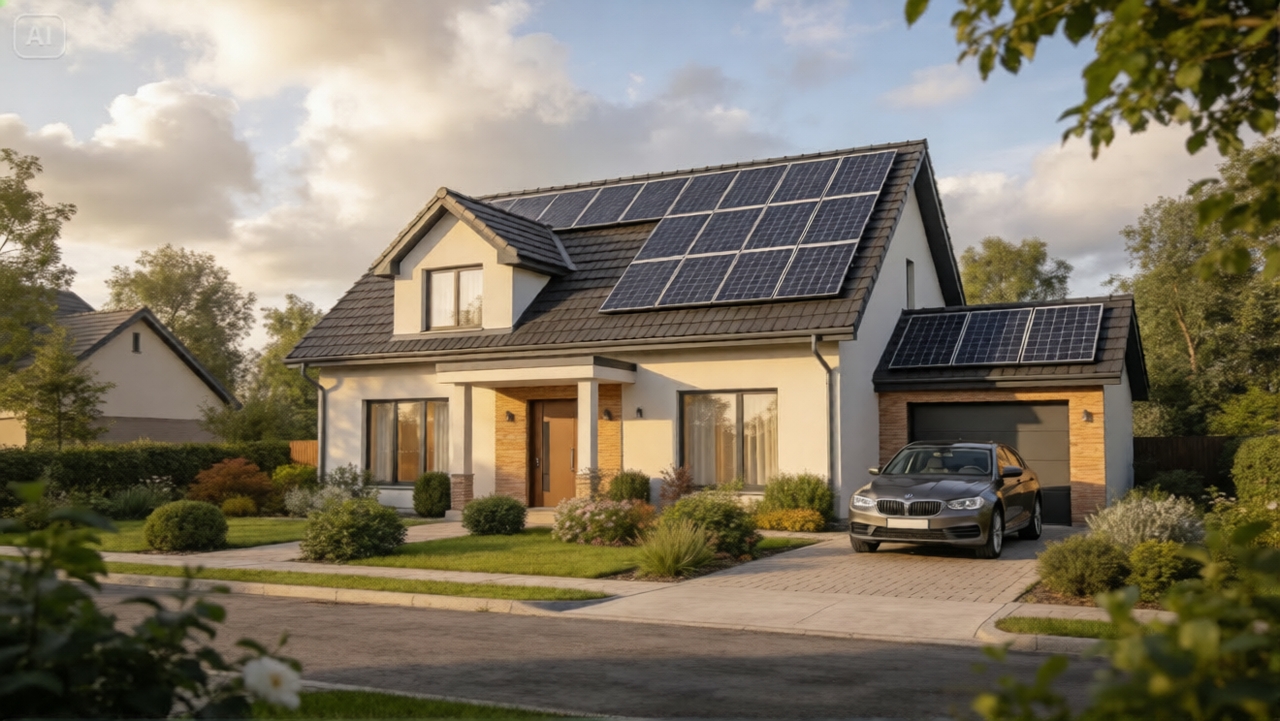
Types of solar panel technologies and efficiency impacts
The technologies of solar panels differ in terms of their efficiency, cost, and use. The knowledge of such differences aids homeowners in selecting the most efficient solar panel that suits them without compromising on performance and budget. Each of the types has its intended usages and can be applied to small residential rooftops as well as large-scale commercial systems.
Solar Panel Type | Efficiency Range | Key Features | Best For | Advantage |
|---|---|---|---|---|
Monocrystalline | 20–24% | Single crystal structure, highest efficiency | Homes with limited roof space | Long lifespan, top performance |
Polycrystalline | 15–18% | Multi-crystal structure, affordable cost | Budget-conscious installations | Lower upfront investment |
Thin-film | 10–13% | Lightweight, flexible, adaptable | Portable or curved surfaces | Lightweight and versatile |
Commercial-Grade | 22–24%+ | TOPCon or HJT technology, high output | Large-scale or high-demand systems | Maximum efficiency and power |
Monocrystalline – most efficient solar panels
Monocrystalline panels are the commonly known most efficient solar panels, which are the most effective as far as residential applications are concerned. Their structure is that of a single crystal, and thus they can easily conduct electrons and produce more electricity. This also makes them suitable for UK homes with limited space on the roof, and maximum performance is needed. They also live longer, and they perform better in the dark.
Efficiency: 20–24%
Ideal use: Houses with small roof areas.
Strength: Maximum efficiency and long life.
Polycrystalline
Another cheaper variant is the polycrystalline panel that provides average performance at a reduced price. They are not as efficient as their single-crystal counterparts, but they still would be a viable choice in situations when a homeowner wants to install solar at a lower cost. These panels are usually applied when there is no significant constraint on space, and the economy is a decisive factor. These are a suitable option when you are low on budget and looking for the cheapest, most efficient solar panels.
Efficiency: 15–18%
Strength: Reduced start-up cost.
Thin-film – most efficient flexible solar panels
The panels of thin-film are characterised by their flexibility and light weight, which means that they can be used in non-traditional installations. They apply to curved or portable surfaces, e.g., caravans or a temporary structure. Although they are not as strong as rigid panels, they have niche uses where normal panels cannot be utilised.
Efficiency: 10–13%
Ideal in: Portable or curved applications.
Strength: Flexible and small weight design.
Commercial-grade – most efficient commercial solar panels
High-end technologies like TOPCon or HJT cells are also applied in commercial-grade panels to attain very high performance levels. These panels are programmed to support massive systems in which output is a priority. They are also finding their way into high-demand residential construction ventures, particularly where residents desire to have high-quality energy production.
Efficiency: 22–24%+
Ideally suited: Large-scale or high-demand systems.
Strength: peak production and highly sophisticated technology.
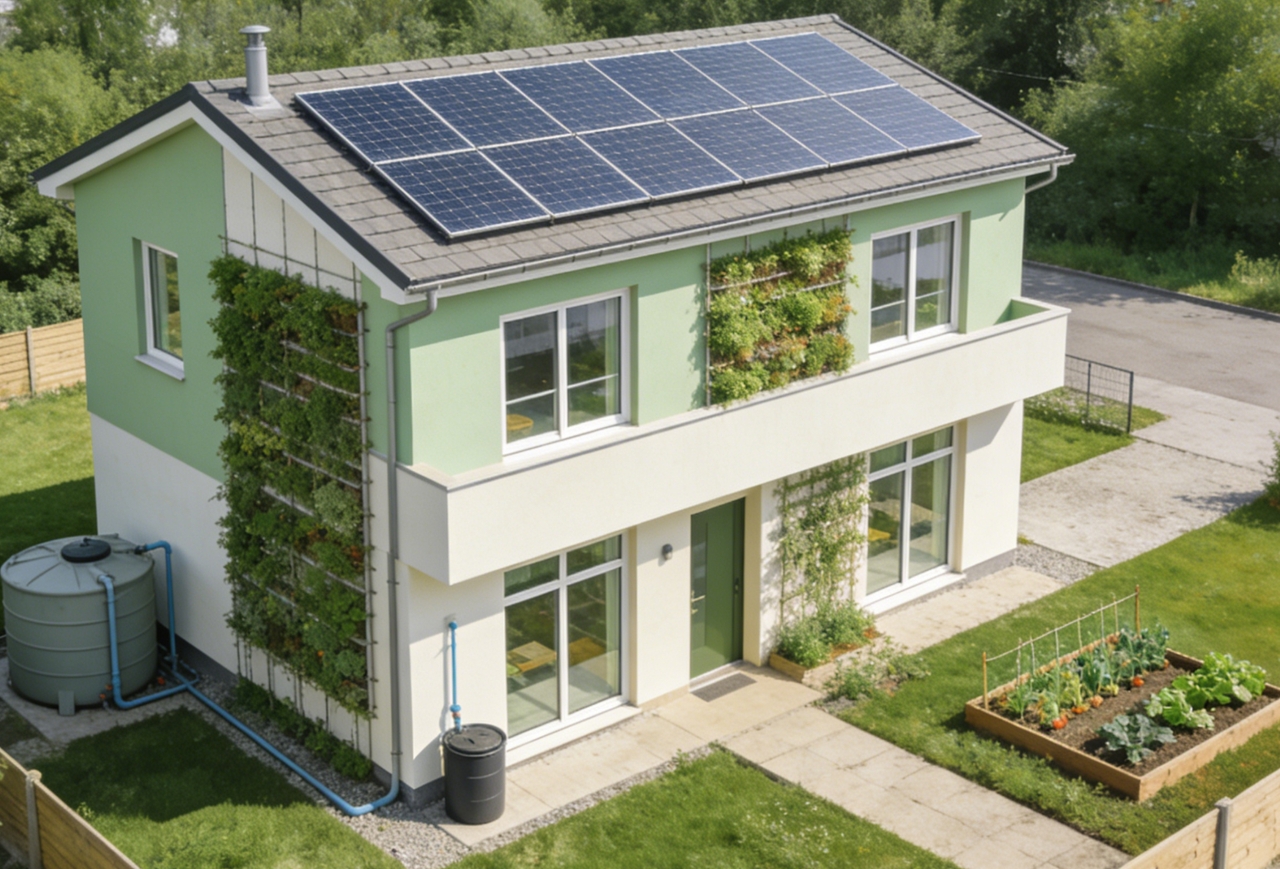
Top 10 high-efficiency solar panel models in 2026
The most efficient solar panels of 2026 demonstrate a great breakthrough in photovoltaic technology, which has better output and better performance in various conditions. These are highly efficient panels to generate a lot of energy, hence suitable for both residential and commercial use. Here are some of the most efficient solar panels available globally and in the UK market.
Panel Model | Efficiency | Power Output | Key Advantage |
|---|---|---|---|
SunPower Maxeon 7 | ~24% | 440W+ | Industry-leading efficiency |
REC Alpha Pure-RX | ~22.6% | 430W | Excellent performance in low light |
Panasonic EverVolt | ~22.2% | 420W | Strong temperature performance |
LONGi Hi-MO 6 | ~22.5% | 430W | High efficiency at competitive cost |
Jinko Tiger Neo | ~22.3% | 425W | Advanced N-type technology |
Canadian Solar HiHero | ~22.0% | 420W | Reliable and durable |
Trina Vertex S+ | ~21.9% | 420W | Good value for efficiency |
Q CELLS Q.Tron | ~22.0% | 425W | Strong UK availability |
JA Solar DeepBlue 4.0 | ~22.0% | 420W | Balanced performance |
Meyer Burger Black | ~22.5% | 400W | Premium European manufacturing |
These panels represent the best, most efficient solar panels currently available, combining high output with long-term reliability.
Beyond panels: Building an efficient solar energy system
Selecting the most efficient commercial solar panels is not all one has to do to create a high-performing solar system. In order to maximise output and savings, homeowners must have a complete system that consists of energy storage and smart management. An effective system will also make sure that the electricity generated in the most efficient solar panels in UK installations is not wasted but utilised to the best throughout the house. To have the full picture of integrated solutions, explore the EcoFlow home energy ecosystem and its role in supporting contemporary energy needs.
Why solar battery storage improves solar efficiency
When solar panels generate more electricity than a home can use during the day, excess energy is often sent back to the grid, which means much of your self-generated power goes to waste. EcoFlow's solar battery storage solves this problem by capturing and storing unused energy, making it available whenever it's needed—especially in the evenings or during peak demand hours. This not only maximises the use of your own energy but also reduces reliance on the grid and ensures power continuity during outages.
Key benefits include:
Storing unused solar energy for later use
Reducing dependency on the electricity grid
Maintaining power supply during outages
Maximising the efficiency of your solar energy system
Storing solar energy with EcoFlow Ocean 2
Solar panels, especially the most efficient PV models, can generate significant amounts of electricity, but without proper storage, much of this energy is lost. EcoFlow OCEAN 2 is designed to store surplus solar energy effectively, allowing households to use clean power even when the sun isn't shining. Its features make it an ideal match for homes equipped with high-performance solar panels, helping homeowners maximise returns from their investment.
Key features and benefits include:
High power output: Up to 12 kW to run multiple high-demand appliances simultaneously.
Expandable battery capacity: Each module provides 5 kWh, expandable up to ~60 kWh, ensuring longer backup and energy independence.
Whole-home backup: Instant backup with 0 ms switchover keeps your home powered without interruption.
All-in-one, space-saving design: Simplifies installation and fits neatly into modern homes.
Enhanced safety: Features like AFCI protection and surge prevention improve system reliability.
With EcoFlow OCEAN 2, homeowners can maximise self-consumption of solar energy, reduce reliance on the grid, and maintain a reliable, sustainable power supply. Request a solar battery quote today to receive a customised solution tailored to your home and energy setup.

Smart solar optimisation with EcoFlow Intelligent HEMS
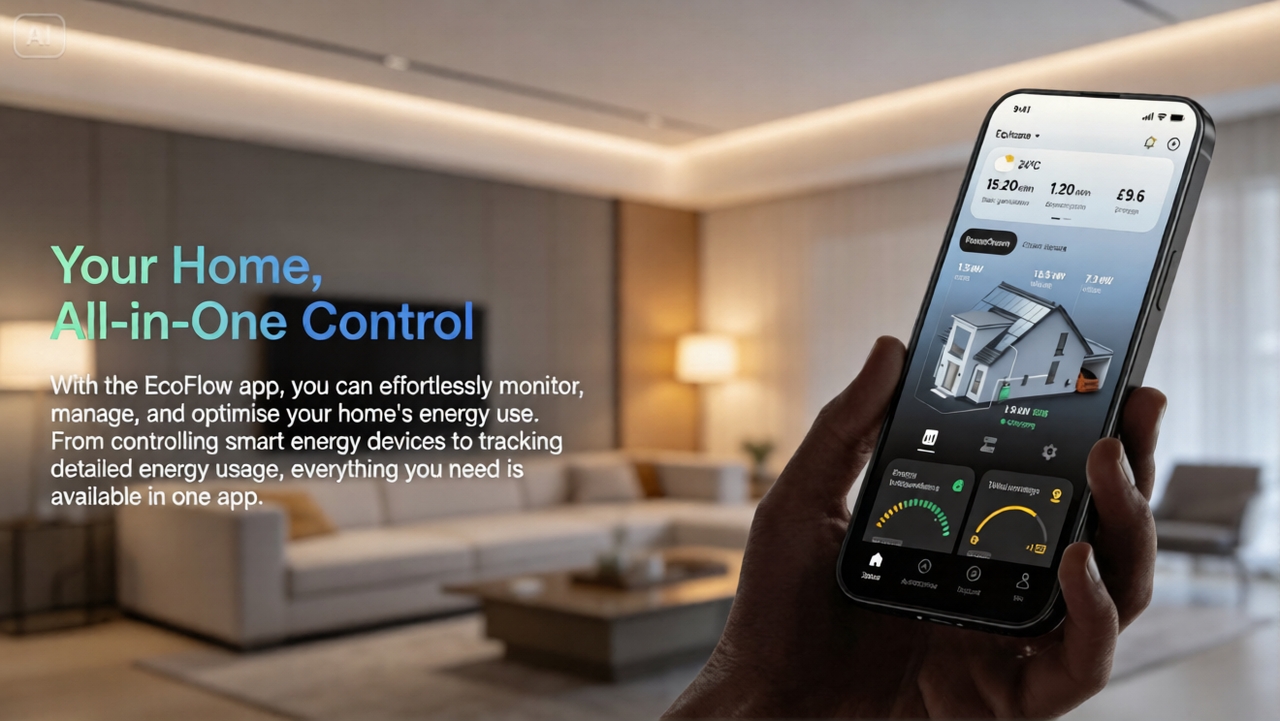
Production and preservation of energy is one thing, but what you do with the energy is equally important. The most efficient solar panels in the UK require smart management to work at their highest capacity. The EcoFlow Intelligent HEMS system can help optimise the use of energy through monitoring and regulating the electricity flow throughout your home. The page Home Energy Management System will help you understand smart systems.
Remote access monitoring of production and consumption of solar energy.
Smart appliance-to-appliance energy allocation.
Automated scheduling to peak efficiency.
Electricity saving by smarter use.
Enhanced the overall performance of the system.
The efficiency, waste reduction, and long-term savings can be greatly enhanced by including the most effective solar panels with smart monitoring, enabling homeowners to achieve the best savings.
Key factors affecting solar panel performance and efficiency
Even the most efficient solar panels can underperform if installation quality, environmental conditions, or system design are not optimised. While panel efficiency is important, the overall effectiveness of a solar energy system depends on careful planning, proper installation, and ongoing maintenance.
Roof orientation/installation angle
The direction and the tilt of the roof play an important role in the performance of the most efficient solar panels UK installed in UK homes. The steepest roofs that have a south-facing angle of about 30-40 degrees usually yield the highest output in the UK. The inefficiency of the orientation or shading of neighbouring buildings and trees can greatly reduce energy production.
Climate conditions in the UK
The weather conditions, such as clouds, reduced days in winter, and seasonal changes in sun rays, will affect even the most efficient solar panel. Although solar panels do not stop functioning during cloudy weather, less sunlight translates to low production. Nevertheless, there are contemporary high-efficiency panels that are intended to work in low-light conditions.
Design and performance of inverters and efficiency
Most efficient PV solar panels would require a well-designed system to achieve the best. The inverter is important as it is able to convert solar energy into useful electricity at a minimal loss. Inverters of high quality and correct construction of the system are necessary to maintain consistency in performance and a maximum degree of overall efficiency.
Cleaning of panels and maintenance
It is necessary to perform regular maintenance in order to sustain the output of the best most efficient solar panels. Dust and dirt, leaves and debris may prevent sunlight and decrease energy production over the years. Regular cleaning and inspection can be used in order to keep the system performing optimally during its existence.
Choosing the most efficient solar panels for your needs
The choice of the appropriate solar panels is not only based on the efficiency ratings, but also on your requirements. Consider the following:
Roof space and energy requirement
When the space on your roof is low, use the most efficient solar panel to enable you to produce a lot of electricity per square metre. The bigger roofs, nevertheless, can enable you to strike a balance between performance and less costly panel material alternatives.
Efficiency of panels vs. cost equilibrium
The most efficient solar panels have high output; however, they usually have a high premium price tag. One should balance it out to make sure that the benefits of the efficiency gained are worth the extra initial investment.
Climate and sun conditions
In places such as the UK, where sun rays are not very constant, it is best to look at the most efficient solar panels UK that homeowners in the UK are interested in to ensure they have better performance during cloudy and low-light days. This assists in the stable production of energy all year round.
The compatibility and quality of installation of the system
Even the most efficient PV solar panels would not work best unless they are installed properly and compatible with the system. Make sure that your panels are compatible with inverters, batteries, and other elements to ensure high productivity.
Warranty and durability
Warranty and life should not be left out when considering what the most efficient solar panels are. Quality panels are usually equipped with long-term performance guarantees, which provide steady production and have improved performance in terms of ROI in the long term.
Conclusion
The selection of the most efficient solar panels that UK homeowners can install is a good long-term investment towards paying less on energy bills and enhancing sustainability. Although the most efficient solar panels of 2026 are more productive in terms of energy and their space use, the overall system should be designed, which also determines actual performance.
Combining the use of advanced panels and energy storage, as well as intelligent management, such as EcoFlow Ocean 2 or EcoFlow Intelligent HEMS, households can achieve maximum efficiency and reliability. The combined solution will enhance energy self-sufficiency, reduce the price of electricity, and establish a home energy system for tomorrow.
FAQs
1. What is the most efficient solar panel currently?
The most efficient solar panels in 2026 may reach the efficiency rates of approximately 23–24%, and the major manufacturers and other high-end brands are pushing technological limits. These panels will be able to produce maximum output with limited space, hence they are suitable for residential and commercial applications.
They frequently employ further cell technologies like IBC (Interdigitated Back Contact) or heterojunction cells, which enhance energy conversion rates. With innovation, levels of efficiency are likely to rise slowly with time, thereby providing even greater performance for homeowners.
2. What is the 120 rule for solar panels?
The most efficient PV solar panel will still have to adhere to stringent electrical safety regulations, such as the 120% rule. The reason is that this rule is meant to make sure that the current of solar breakers, along with the main breaker, does not surpass 120 percent of the electrical panel rating, and this eliminates overload and dangers. It is a strict rule adopted by installers to ensure safety and adherence to the electrical codes of the system.
3. Is a 90% efficient solar panel possible?
No, this cannot be completely efficient, even in the case of the most efficient solar panel technologies that are currently available. The current commercial panels usually work at a rate of less than 25, and there are physical and material constraints to very high conversion rates.
Key limitations include:
Heat and reflection losses of energy.
Content limitations in photovoltaic cells.
Physically determined limits of theoretical efficiency.
These are some of the reasons why 90% efficiency is not realistic with contemporary technology.
4. How many batteries do I need for 400 watts of solar?
The number of batteries you need will depend on how often you will be using it and whether you will be using the most efficient solar panels in the UK to back it up or to provide full energy independence. One single battery can be sufficient in a small configuration, but larger systems can frequently require more than one.
Factors to be considered will include:
Daily energy consumption
Desired backup duration
Battery capacity and system scalability
One of the ways to maximise the use of your solar installation is proper planning of storage.
5. Is there anything more efficient than solar panels?
While the best, most efficient solar panels are among the most practical renewable solutions for homes, their effectiveness can be further increased by combining with other technologies. Solar panels alone generate energy, but integrated systems improve how that energy is used and stored. Key ways to improve overall efficiency include:
Adding battery storage systems
Using smart energy management software
Optimising energy consumption patterns
Together, these solutions create a more efficient and reliable home energy ecosystem.

