
Home Kitchen Renovation Tips: Layout, Budget, and Upgrades
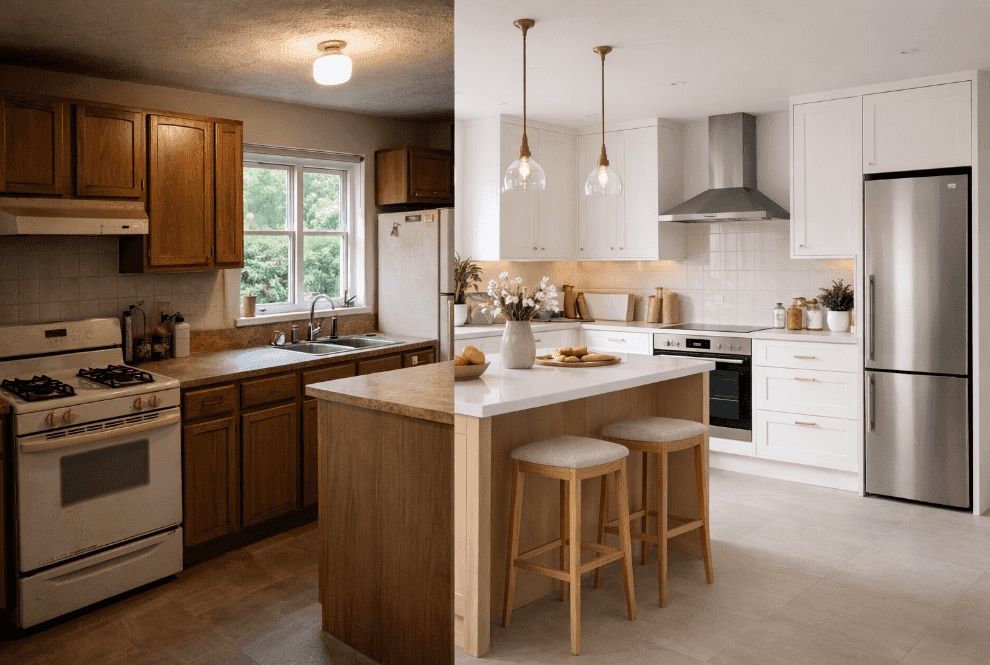
A kitchen renovation can transform the appearance of your kitchen. Good planning will assist you in designing a more convenient and handy kitchen. It can also modernize the space and make it feel fresh. The first things to consider are the layout, budget, and upgrades you need. As part of a modern home upgrade, solar battery storage helps store excess energy for later use, reducing electricity costs and ensuring a steady power supply for your kitchen. This guide provides simple kitchen renovation ideas on a budget. It will help you plan the layout, manage your finances, and choose the right upgrades.
How much to renovate a kitchen in the UK?
Understanding the average cost of a kitchen renovation in the UK helps set realistic expectations before starting your renovation. Prices can vary widely depending on kitchen size, materials, appliances, and the level of customization.
Average cost of a new kitchen in the UK
Kitchen Type | Typical Cost Range | What's Included | Key Cost Drivers |
|---|---|---|---|
Small kitchen | £5,000 – £8,000 | Basic units, laminate worktops, standard appliances, minimal layout changes | Limited space, budget materials, basic installation |
Mid-size kitchen | £8,000 – £15,000 | Better-quality cabinets, upgraded worktops, mid-range appliances, and some layout adjustments | Material quality, appliance upgrades, and moderate labour |
Large kitchen | £15,000 – £25,000+ | More cabinetry, larger work surfaces, branded appliances, and possible layout redesign | Size of space, complexity of design, and installation time |
Premium / bespoke kitchen | £20,000 – £30,000+ | Custom-made cabinets, stone worktops (e.g. quartz/granite), high-end appliances, tailored design | Bespoke craftsmanship, premium materials, luxury appliances |
Beyond the overall price range, it's important to understand where your budget is typically allocated, as certain elements make up the majority of kitchen renovation costs.
Main cost breakdown
Cost Component | Typical Share of Budget | Details |
|---|---|---|
Cabinets & units | 30% – 40% | Usually, the biggest expense, especially for custom or high-quality finishes |
Worktops | 10% – 20% | Laminate is cheaper; quartz and granite significantly increase costs |
Appliances | 10% – 20% | Ovens, fridges, dishwashers, and integrated appliances |
Installation & labour | 15% – 25% | Includes fitting, plumbing, electrics, and project management |
Additional works | Varies | Flooring, lighting, painting, tiling, and wall finishes |
In addition to these core expenses, several external factors can influence the final cost of your kitchen renovation.
Additional factors affecting cost
Factor | Impact on Cost | Explanation |
|---|---|---|
Location in the UK | Medium to High | Labour costs are typically higher in London and the South East |
Structural changes | High | Moving walls, plumbing, or electrics increases complexity and cost |
Material quality | High | Premium finishes and durable materials raise the overall budget |
Design complexity | Medium to High | Custom layouts and features require more time and skilled labour |
How to plan your kitchen renovation
Planning a kitchen renovation involves more than choosing finishes and appliances. A well-structured plan ensures your space is functional, efficient, and aligned with your budget. By considering layout, utilities, lighting, storage, and home energy storage solutions early on, you can avoid costly mistakes and create a kitchen that works seamlessly for everyday use.
Kitchen layout and design fundamentals
A quality kitchen design must ensure that everything is convenient and easy to reach. Begin by examining the area of your kitchen, including the shape of the room and the placement of doors, windows, and walkways. This assessment helps the design facilitate smooth movement and avoid congestion.
The fridge, sink, and stove should be positioned close to one another, following the concept of the work triangle, which minimizes unnecessary movement during cooking and cleaning. Dividing the kitchen into zones—cooking, food preparation, and storage—ensures that tools and ingredients are kept close by, making work easier and faster. It is also important to allow enough space to move around cabinets and islands, keeping the kitchen safe and comfortable for everyone.
Appliances, fixtures, and utilities
Choosing the right appliances is a key part of a kitchen renovation, as they influence how the kitchen functions and the energy it consumes. Start by identifying the essential appliances you require, such as an oven, hob, refrigerator, dishwasher, and extractor fan. Select models that suit your needs without exceeding your budget, and consider energy-efficient or smart appliances that consume less electricity, reducing long-term utility costs.
Utility connections should also be planned early. Your kitchen may require a gas supply, while sinks and dishwashers need to be linked to water. Electrical outlets must be available for appliances and lighting. Planning these systems helps prevent expensive changes in the future.
Lighting and ambience in kitchen design
Lighting plays an important role in both the functionality and the feel of your kitchen. Make the most natural light by keeping windows clear and avoiding heavy curtains, while light colours and reflective surfaces help spread light throughout the space.
Artificial lighting should be layered to provide both visibility and atmosphere. Task lighting makes worktops, sinks, and cooking areas easier to see. Ambient lighting provides general illumination, while accent lighting highlights shelves, islands, or dining areas. Combining these types of lighting enhances visibility and makes the kitchen welcoming.
Storage solutions and space optimisation
Proper storage keeps the kitchen organized and convenient. Pull-out drawers and corner cabinets help make the most of the hard-to-use spaces, while vertical storage makes better use of wall areas. Open shelves are useful for frequently used items, keeping plates, bowls, and cooking tools within easy reach. Hidden storage can house small appliances, bins, or additional cookware on islands or under counters.
Optimal kitchens balance open shelves and closed cabinets, ensuring functionality while maintaining a clean and tidy appearance.
Sustainable energy upgrades for kitchens
Most contemporary kitchen renovations in the UK focus on energy efficiency and sustainability. Using EcoFlow's home energy solutions, homeowners can store solar power during the day and use it later to run kitchen appliances efficiently.
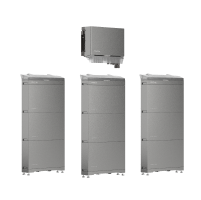
High-performance solar power for your kitchen: EcoFlow OCEAN 2
EcoFlow OCEAN 2 (three-phase) is a high-performance solution for home energy storage. It provides up to 12 kW output power to run multiple appliances at once and accepts up to 24 kW solar input, capturing more energy from your panels efficiently. Each module offers 5 kWh storage, expandable up to ~60 kWh, giving long backup times for your kitchen and home. The system also features instant whole-home backup with 0 ms switchover, IP66 weatherproofing, and a 15-year warranty, making it reliable and durable for everyday use.
With its modular, all-in-one design, EcoFlow OCEAN 2 is ideal for kitchen renovations and retrofits. It allows homeowners to maximise solar energy use, power multiple high-demand appliances smoothly, and maintain energy supply during outages—all while keeping the installation simple and space-efficient. Interested in upgrading your kitchen with sustainable energy? Get your solar battery quote today and get a customised solution for your home!

Smart home energy monitoring: EcoFlow Intelligent HEMS
As part of a modern energy‑efficient kitchen renovation, it's useful to not only store solar energy but also manage it smartly. EcoFlow Intelligent HEMS (Home Energy Management System) is a smart energy controller that works with your solar panels, battery storage, and home appliances to help you maximise savings and minimise grid electricity use.
According to EcoFlow's simulations, using HEMS with a 10 kW solar array and a 10 kWh battery system can reduce annual electricity bills by up to 77.6% when Intelligent Mode is enabled.
The system includes features such as:
Smart scheduling: Charges your battery when electricity is cheap and uses stored energy during peak rates.
Real-time monitoring: Tracks solar generation and appliance use so you can optimise energy.
Tariff integration: Works with UK energy plans to reduce costs.
Mobile app control: Check your system and adjust settings from your phone.
With Intelligent HEMS, you can better coordinate your solar power and battery storage to help keep utility costs low and ensure that stored energy is used where it benefits you most.

Working with professionals on a budget
Working with professionals can make a budget kitchen renovation safer and more efficient. Contractors and installers bring valuable experience, ensuring the work is done correctly and to a high standard.
Start by obtaining estimates from several contractors. Comparing prices, services, and project timelines helps you make informed decisions and select the option that best fits your budget and needs. Before work begins, it is crucial to clearly discuss the scope of work, the materials to be used, and the project schedule. This reduces the risk of misunderstandings and unexpected costs later on.
You can also save money by taking on minor tasks yourself. Simple jobs, such as painting a wall or assembling shelves, often do not require professional assistance.
Maintaining open communication with your contractors throughout the project is essential. Regular updates ensure that the renovation stays on track, remains within budget, and proceeds smoothly from start to finish.
How to manage your kitchen renovation budget
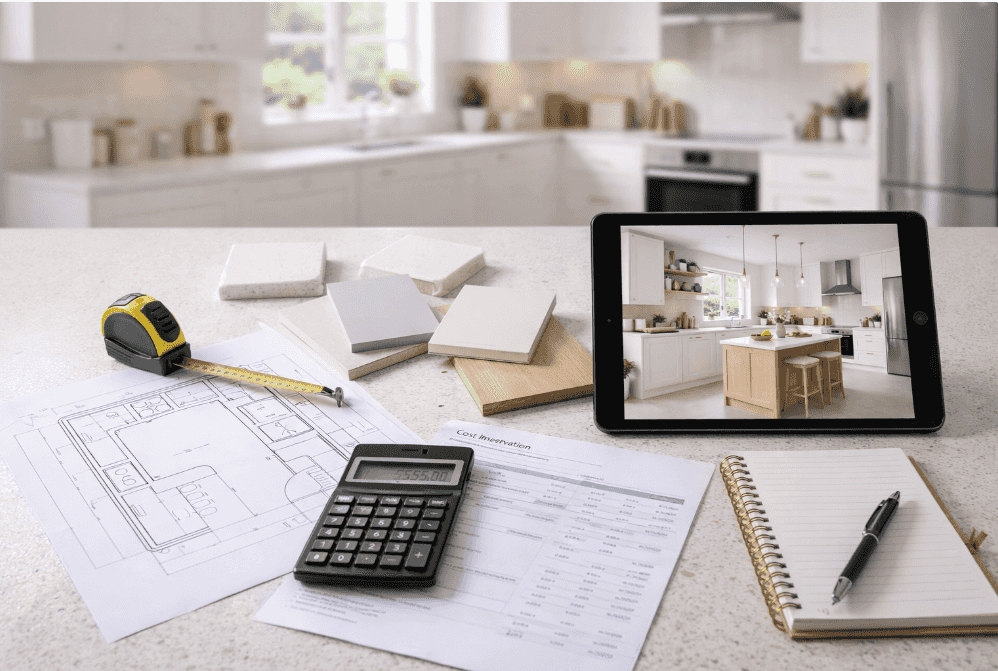
It is better to plan your budget for an affordable kitchen renovation so that you do not incur any surprises. It also aids in maintaining project organisation and schedule. With a simple and thought-through budget, you can use your money on the most significant aspects of the kitchen. Concurrently, it also allows avoiding the expenditure on those features that are not needed.
1. Set a realistic budget and contingency fund
The first step is determining the amount of money you will use for the renovation. The budget should have cabinets, worktops, appliances, labour, and installation. One should also save an additional amount of money in case of unforeseen issues. It is often recommended by many experts to set aside 10-15 per cent of your total budget as a contingency fund. The additional portion will assist in meeting the plumbing modifications, structural modifications, or unexpected cost fluctuations in materials.
2. Prioritise essential renovation elements
Things are to be planned in order of priority. Cabinets, worktops, and appliances are important in the everyday operations of the kitchen. These products also influence durability and performance in the long run. The amount of decorative finishing, handles, and accessories can be removed or inserted later. Before engaging in spending money on decorative items, it is always important to have a good and sound infrastructure in the kitchen.
3. Track expenses during the renovation
You should keep track of your expenditure during the renovation. Make a clear note of all the purchases, labour expenses, and materials. You can use a basic spreadsheet or a budgeting application to keep track of what you are spending. Review your expenditure on a regular basis so that you can identify an issue. This will enable you to plan your budget as soon as it gets out of control.
4. Compare quotes for materials and labour
Prior to contracting or purchasing materials, take a number of quotes from various suppliers. The use of these quotes will guide you to better prices and help you know what to expect in the services. This step will help you save money and still obtain good materials and professional work.
Common mistakes to avoid in kitchen renovations
Kitchen remodelling can enhance both the appearance of your home and the functionality of your kitchen. However, certain pitfalls can increase costs or reduce long-term value. Being aware of these mistakes early helps you plan better and avoid issues during the project.
Underestimating costs and overestimating the project scope
A common mistake is planning a renovation beyond your budget. Homeowners often focus on cabinets and appliances but overlook other costs such as labour, plumbing, electrical upgrades, and installation. These extra expenses can quickly add up. Establishing a realistic budget and setting aside a backup fund for unexpected costs is essential.
Ignoring long-term maintenance and energy costs
Selecting cheap materials or appliances without considering future expenses can be costly. Low-quality materials may wear out quickly, requiring repairs or replacement. Energy-efficient appliances are a more economical long-term choice. Using systems like EcoFlow Ocean 2 to store solar energy can reduce electricity bills and support other household appliances efficiently.
Poor planning for lighting and ventilation
Insufficient lighting can make counters and cooking areas hard to use, while inadequate ventilation fails to remove smoke, heat, and cooking odours. Proper planning ensures the kitchen is safe, comfortable, and functional.
Neglecting workflow, storage, and ergonomics
A kitchen should support smooth daily use. Poor appliance placement, lack of storage, or incorrect working heights can disrupt workflow and create clutter. Careful layout planning enhances efficiency, maximizes storage, and ensures a convenient cooking experience.
Conclusion
An effective kitchen remodelling requires proper planning, proper budgeting, and intelligent improvements. These measures can be used to make a comfortable, practical, and efficient kitchen to be used every day. Approaches that are energy efficient will also be able to cut down on electricity expenses to renovate the kitchen in the long run. Systems such as EcoFlow Ocean 2 can be used to store solar energy to power household appliances. EcoFlow Intelligent HEMS assists in controlling and tracking domestic power consumption. Combined, these technologies can assist in making the home more efficient and sustainable and contribute to a decrease in electricity costs.
Schedule Your Free Consultation Today!
What kind of product or solution are you interested in?
FAQs
1. What is a good budget for a kitchen renovation?
A typical kitchen renovation in the UK costs between £5,000 and £15,000, depending on the size, materials, and appliances. Small kitchens with standard fittings are usually at the lower end, while larger kitchens with premium finishes can exceed this range. Setting a clear budget helps control expenditure and avoid overspending. It's also wise to include a contingency fund for unexpected costs, such as plumbing or structural repairs. For long-term savings, consider energy-efficient appliances and smart energy systems, such as EcoFlow Ocean 2, to reduce electricity bills and support sustainable energy use.
2. In what order should I renovate my kitchen?
A structured approach to kitchen renovation ensures efficiency, reduces mistakes, and keeps costs under control. A recommended order is:
Planning and design: Determine layout, storage, appliances, and style. Ensure the workflow is efficient and zones are defined.
Demolition: Remove old cabinets, countertops, and appliances.
Plumbing and electrical work: Install or upgrade water pipes, gas lines, and wiring for appliances, lighting, and outlets.
Cabinets and appliances: Fit cabinets first, then install appliances, ensuring proper alignment and connections.
Finishing touches: Add flooring, lighting, and painting. Layer lighting for functionality and ambience.
Additional tip: Use smart home energy solutions like EcoFlow Intelligent HEMS to monitor and optimize the energy use of your appliances. This allows you to control electricity consumption efficiently from day one.
3. What is the most expensive part of a kitchen remodel?
Cabinets and worktops are typically the most expensive components of a kitchen renovation. Custom or high-quality materials, solid wood or stone surfaces, and branded appliances can quickly increase costs. Proper planning is essential to stay within budget. Opting for standard or semi-custom cabinets, prioritizing upgrades on frequently used areas, and balancing quality with affordability can help manage costs while still achieving a functional and attractive kitchen.

